How It Shows Up
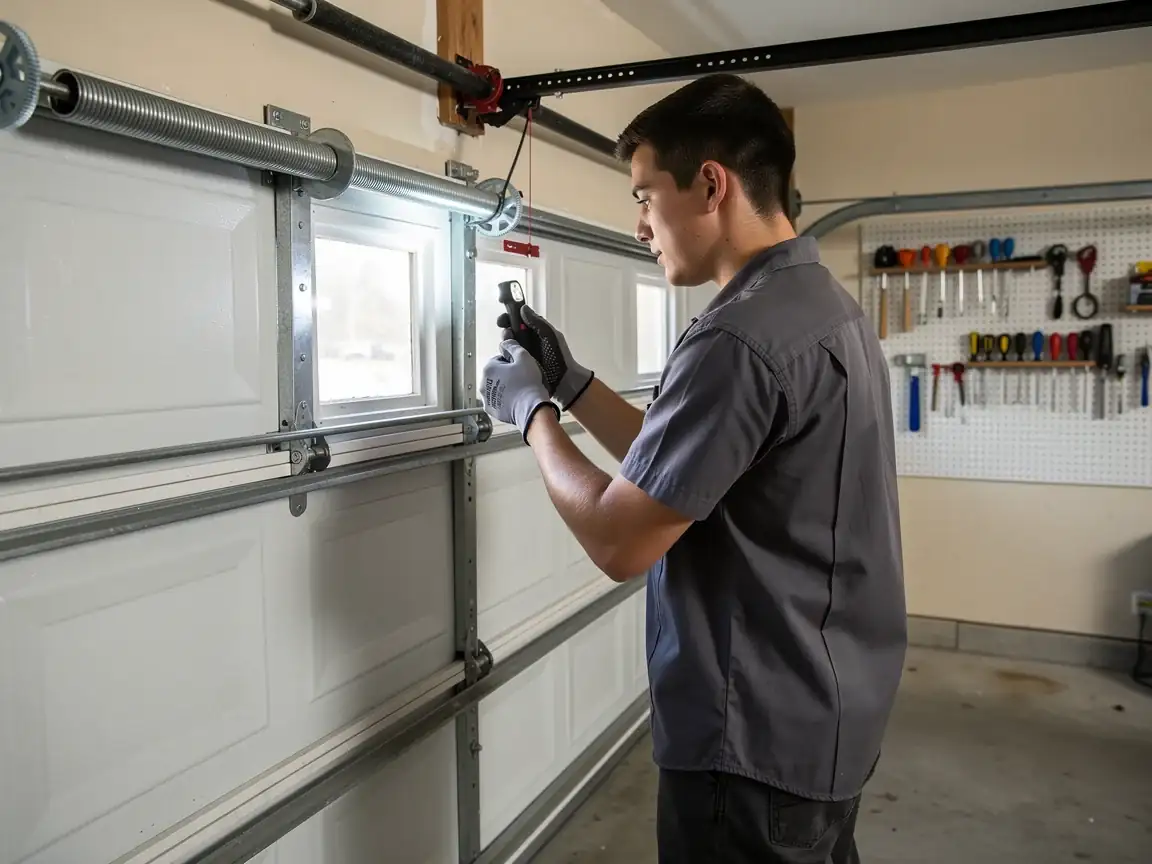
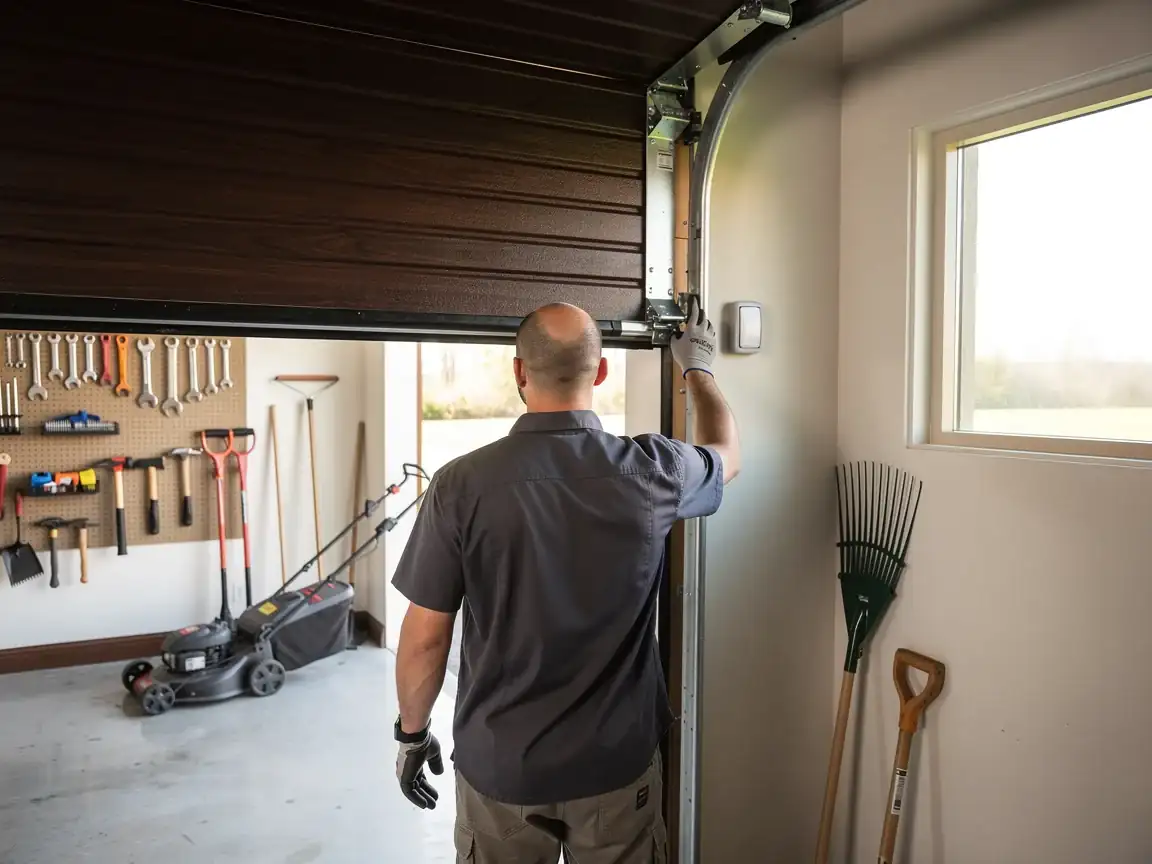
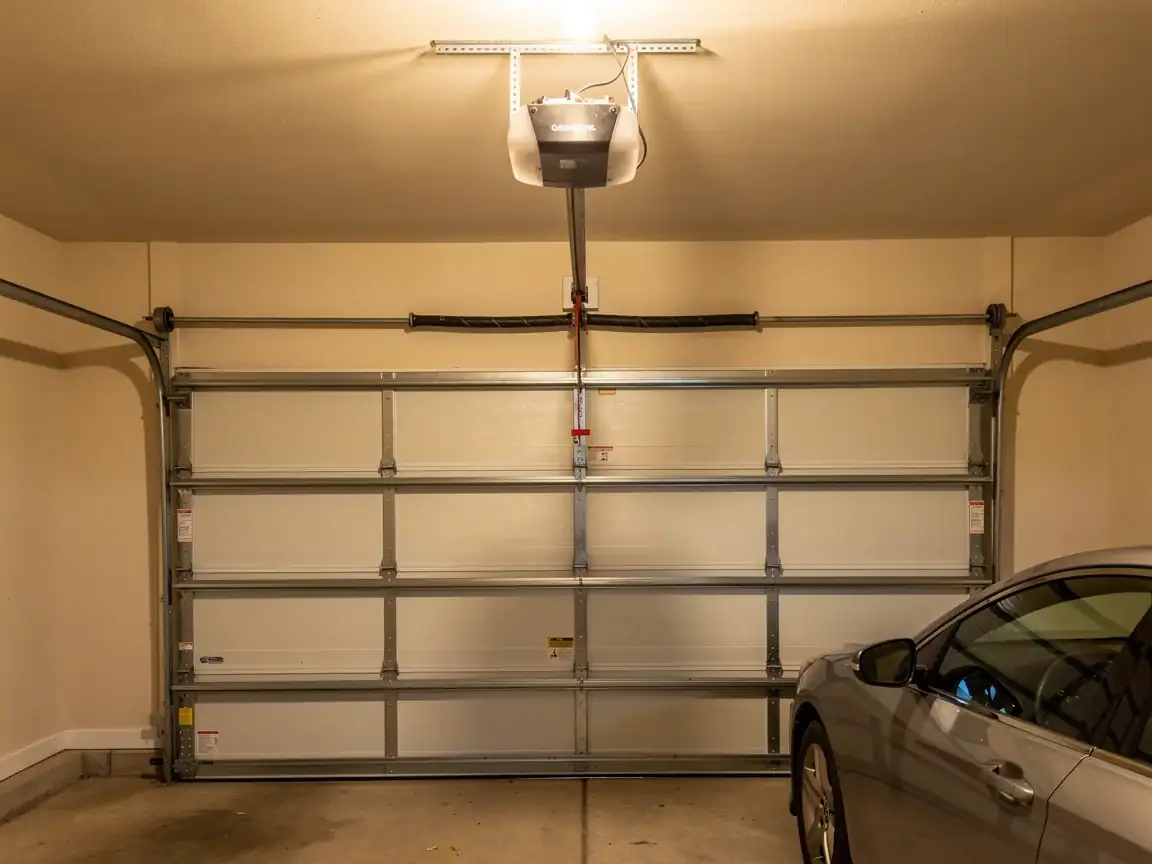
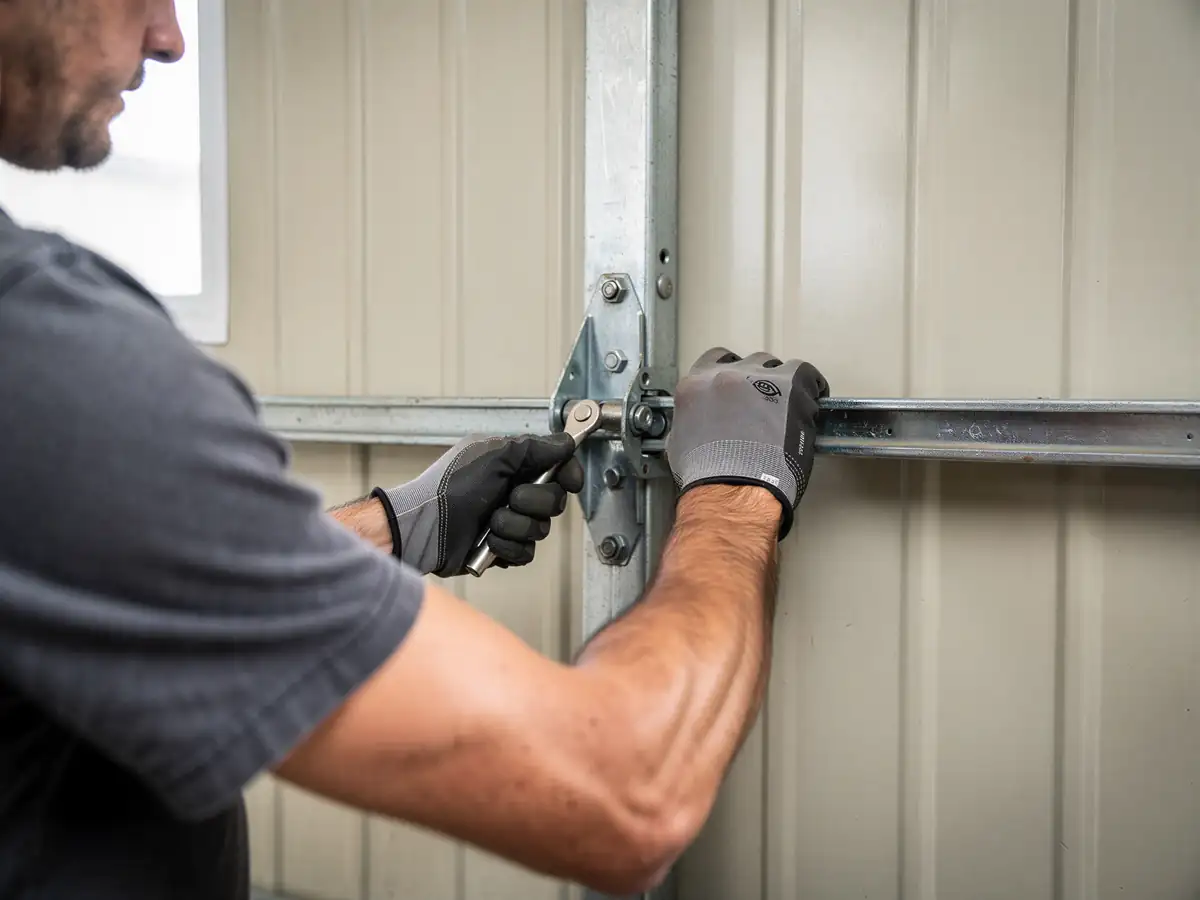
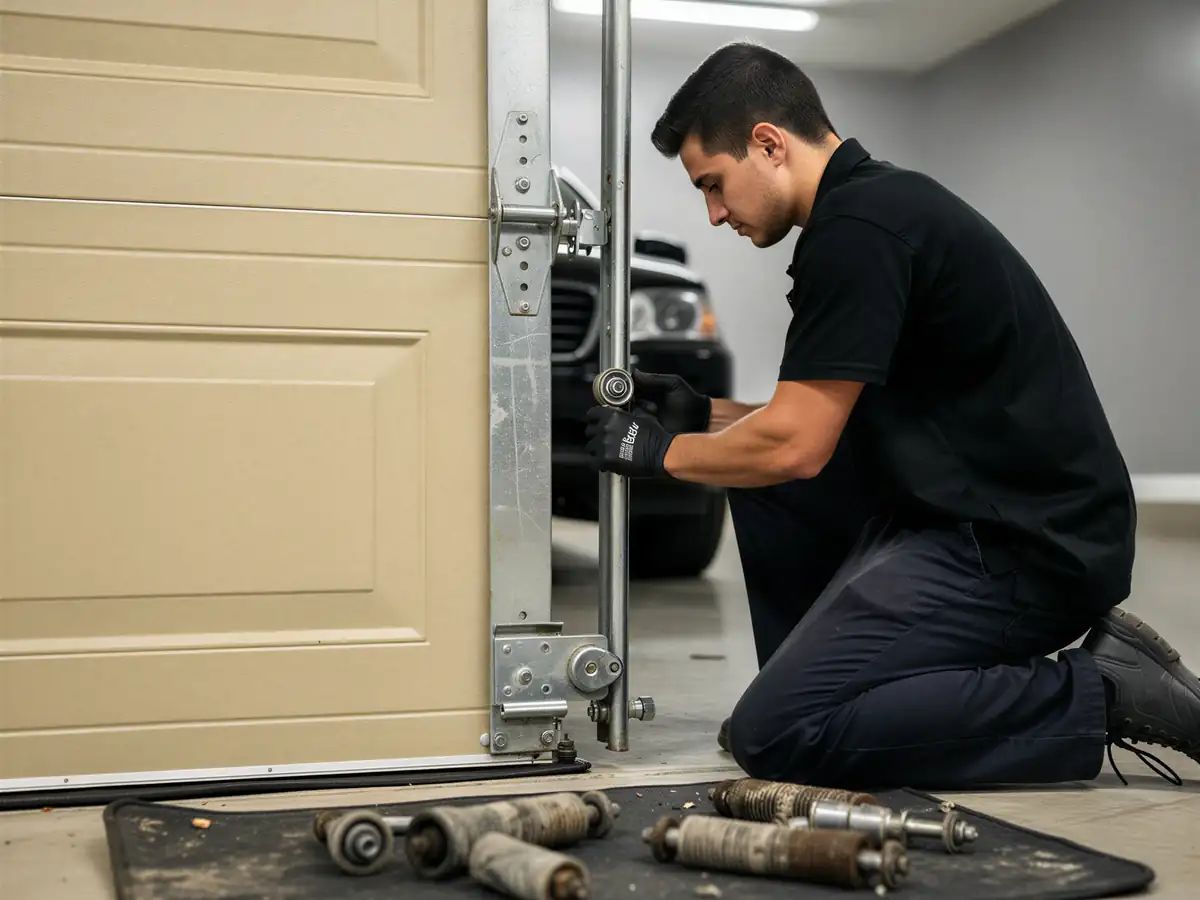
On houses built in the 1966-1982 run that makes up most of Oakland, the complaint is almost always the same: a grinding or clunking right where the track bends from vertical to horizontal. That bend is where a worn steel roller loses its round shape first, because it's the tightest radius the roller has to turn. You'll hear it before you see it - a rhythmic knock every time that section of track passes, getting louder over a few weeks. Some doors shake visibly at that curve, and on older hardware you'll sometimes see a groove worn into the track itself where a flat-spotted roller has been riding the same spot. A few owners notice the door catching, hesitating, or needing a shove partway up - that's a roller that's stopped rolling and started dragging instead.
What Can Go Wrong
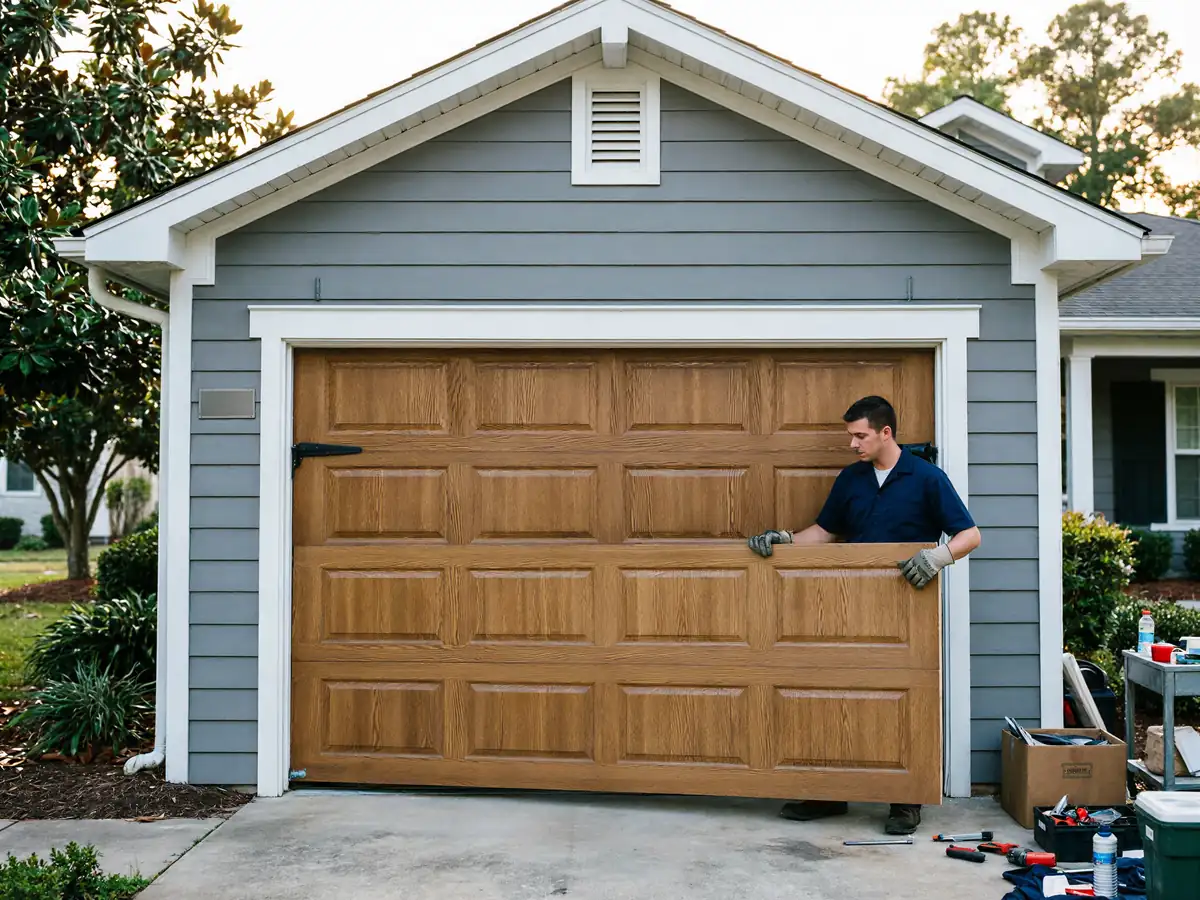
The rollers on 1966-1982 stock steel doors weren't built with sealed bearings, so once the factory grease dries out, metal rides on metal. In a cold-moderate climate band like this one, grease stiffens in winter and the roller binds instead of turning smoothly, which accelerates wear on the stem and the track groove both. A cracked or flat-spotted roller puts uneven load on the track, and a track that's been knocked slightly out of alignment by a worn roller will start chewing through the next roller too - it's not usually a one-roller problem by the time someone calls. Cables and hinges on the same era of door often show matching wear, since they've all been under the same stress for the same years. I won't replace one roller and call a door with a bent track section fixed - that's a bend you fix first or the new roller fails again inside weeks.
Why This Fails Locally
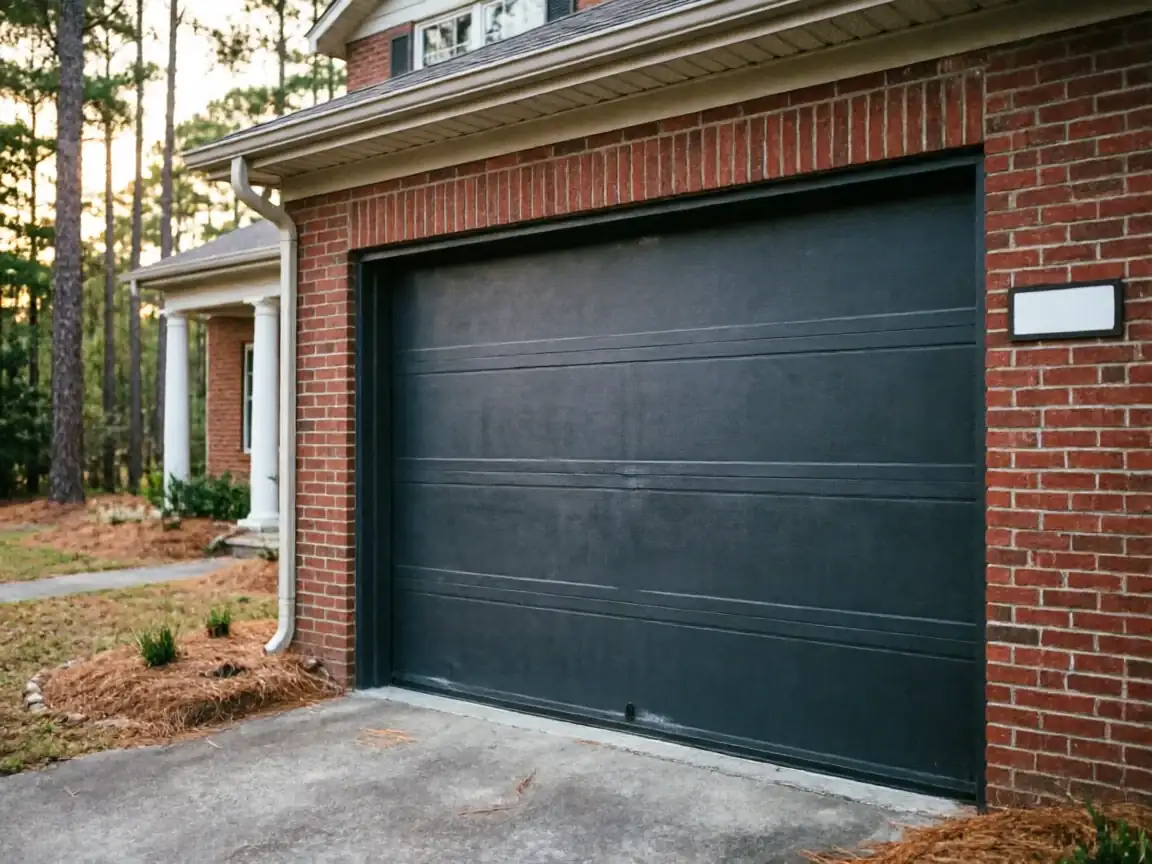
Oakland's housing sits inside the same 1966-1982 build window that covers most of the wider service area out of Bowling Green, with a median build year right around 1976. That means most garage doors here were installed with the steel roller hardware standard for that era - not the nylon rollers that became common later - and that hardware behaves the same way across every house of that age: it wears at the track bend, it stiffens in cold weather, and it doesn't forgive a dry bearing. Oakland itself is a smaller slice of this, something like 109 households, against roughly 4,889 households and 2,306 owner-occupied houses across the whole area this company drives. Being twelve miles out from Bowling Green doesn't change the hardware, but it does mean nobody's parked a block away - a call here is a drive, not a walk across a lot, so a roller that's already flat-spotted and grinding is worth a call before it takes the track with it.