Why This Fails Locally
Most of the houses on this side of town went up between 1966 and 1982
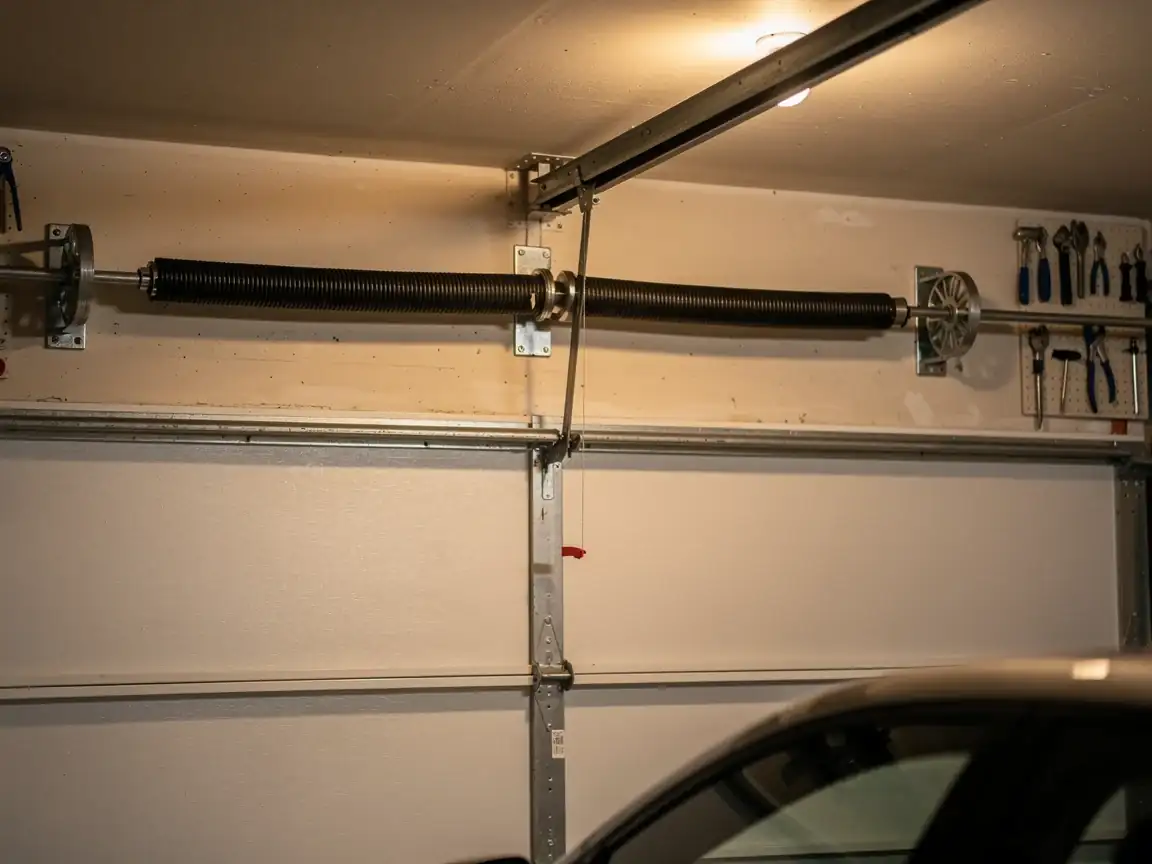
With the bulk of that stock dating to around 1975. That's not a random number - it means a huge share of the garage doors we get called out to are running on the torsion spring and opener that came with the house, or a direct replacement installed decades ago on the same hardware. Springs are rated for a set number of cycles, roughly 7 to 10 years of normal use, and a door built in the Johnson administration doesn't care that it still looks fine from the driveway.
- 10 years
Add in the cold-moderate climate swing here
Summers that bake a steel track and winters that pull it back tight - and you get metal fatigue that shows up faster than it would in a mild, flat climate. The door doesn't fail because anyone did anything wrong. It fails because the parts have been expanding and contracting through four decades of Kentucky weather and nobody's swapped them yet.
We see this pattern across the older pockets of the service area, not just one subdivision
If your house falls into that 1966-1982 build window, the spring, the cable, and the opener gears are all candidates for the same reason.
What Can Go Wrong
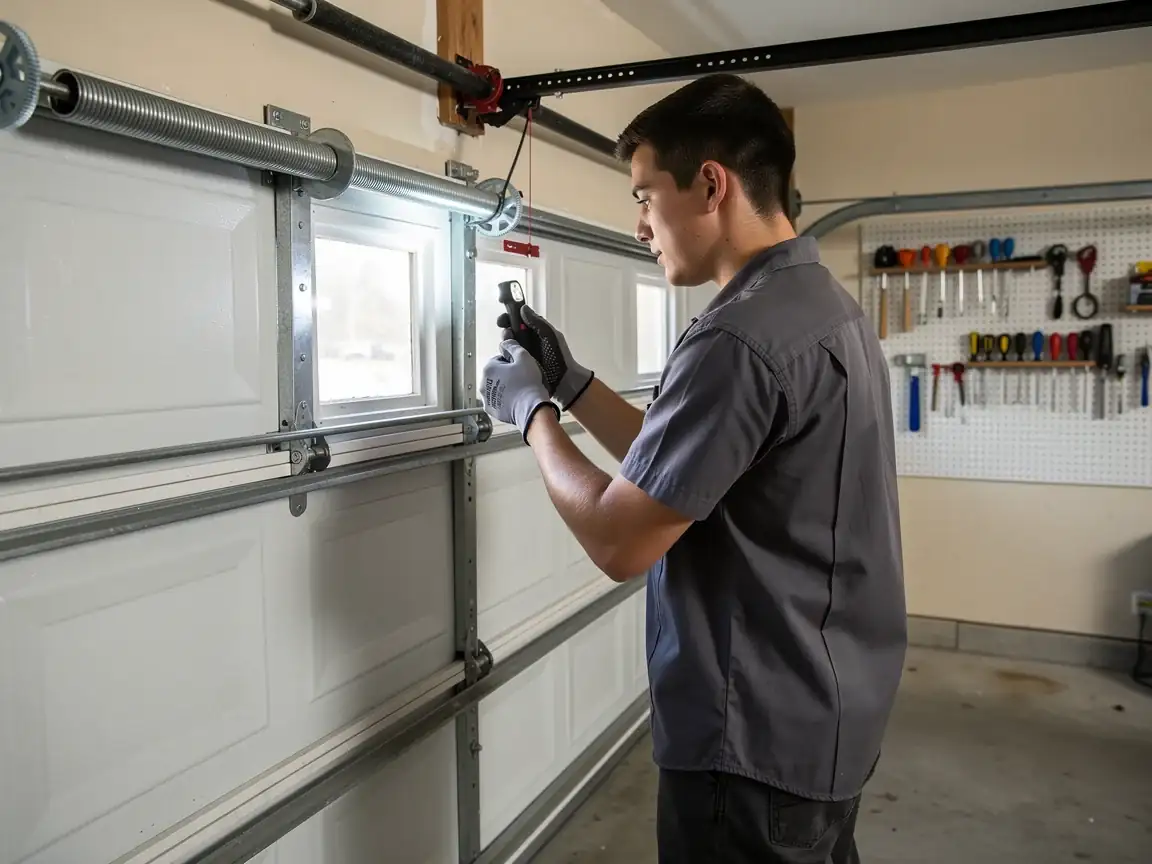
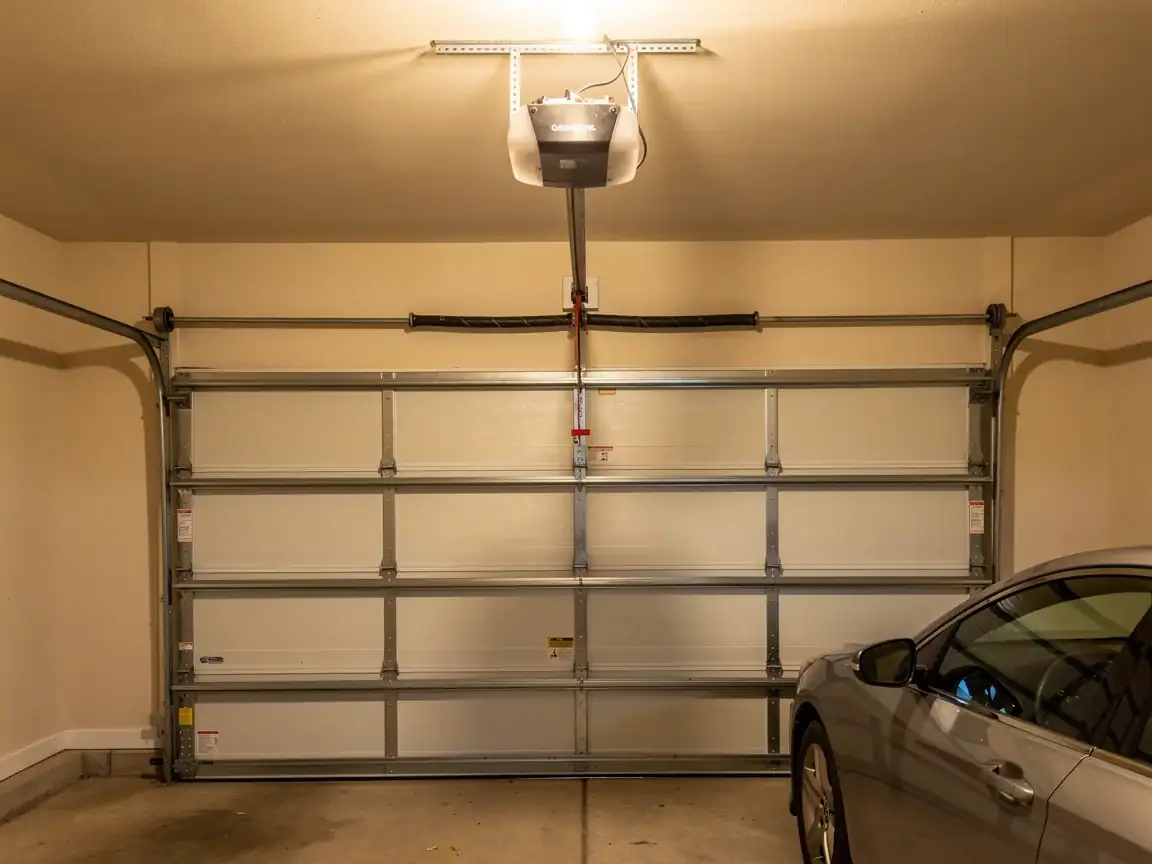
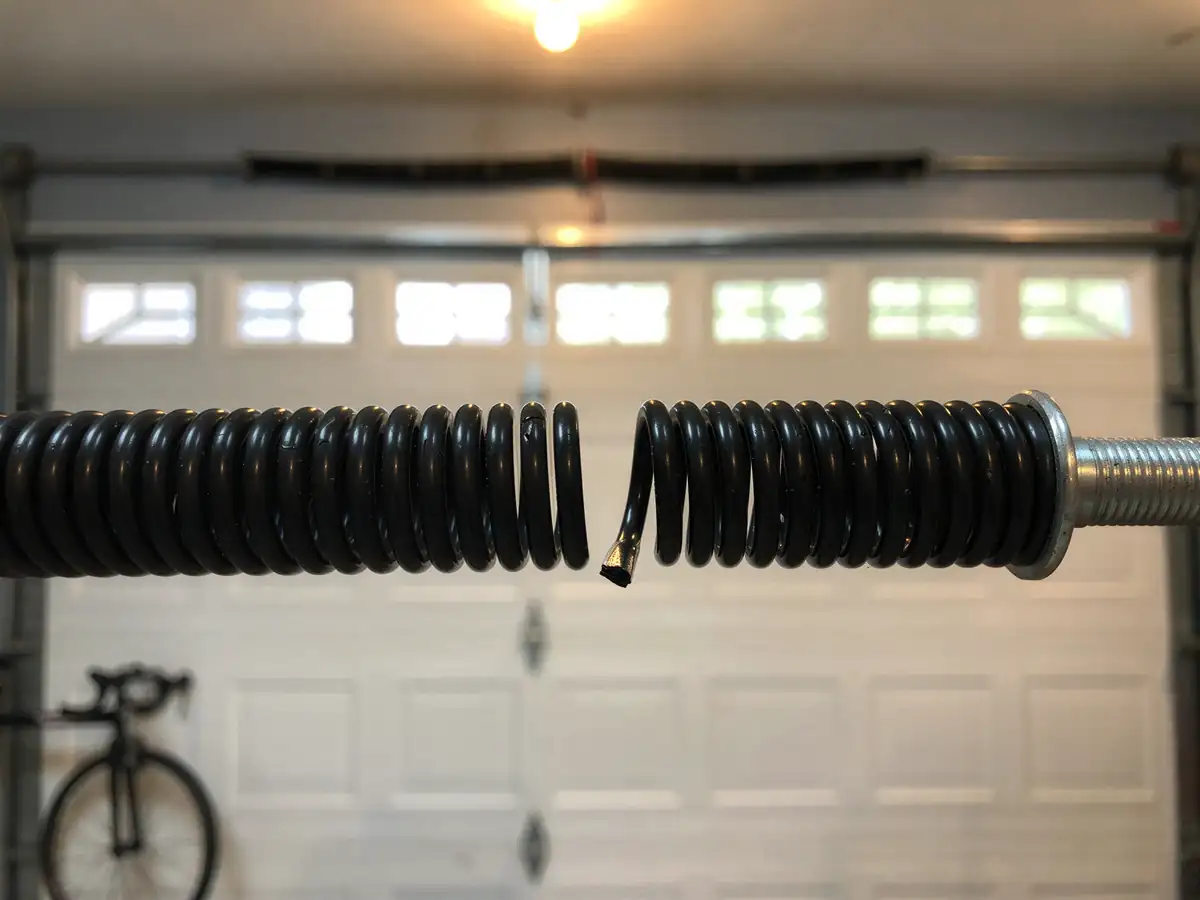
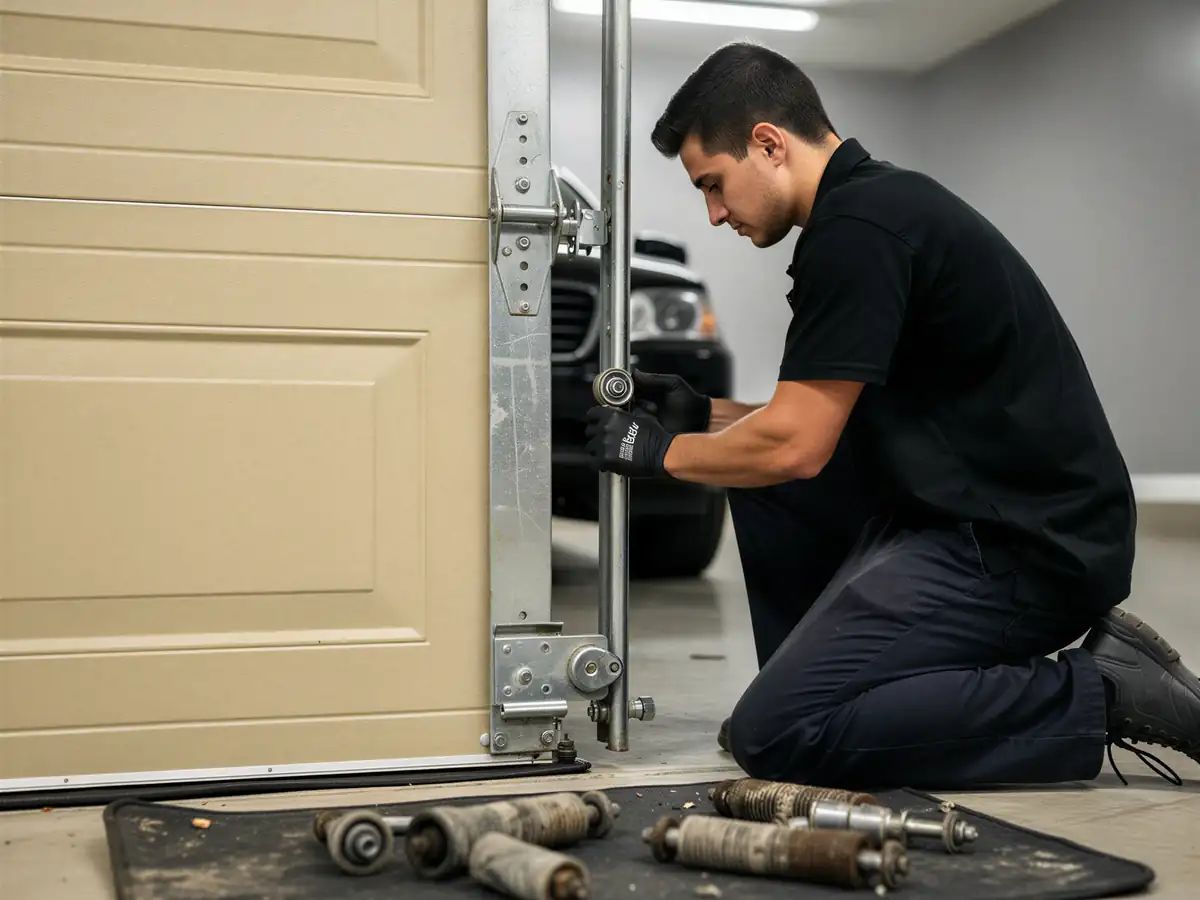
The most common call is a broken torsion spring - the door won't lift, or it slams down fast because the spring that was holding its weight has snapped. Right behind that: frayed or snapped lift cables, which usually show up as a door that hangs crooked on one side before it stops moving at all.
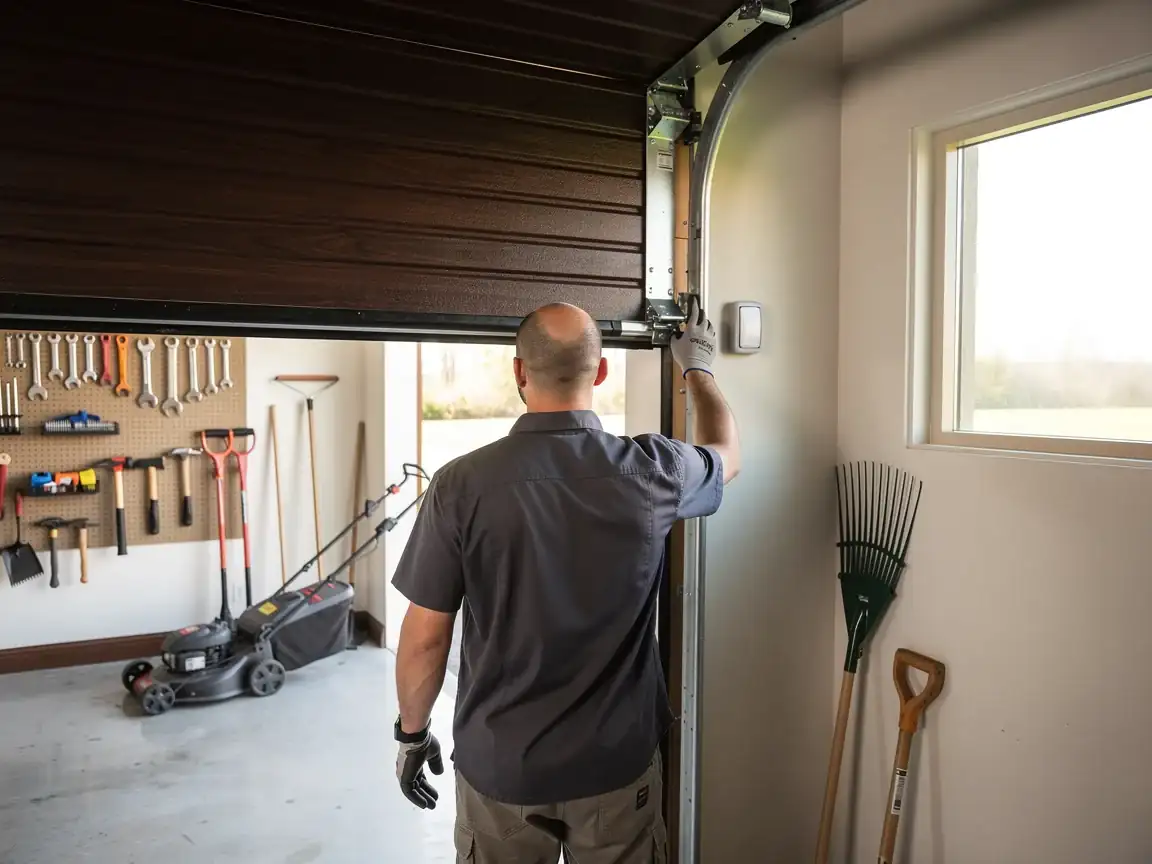
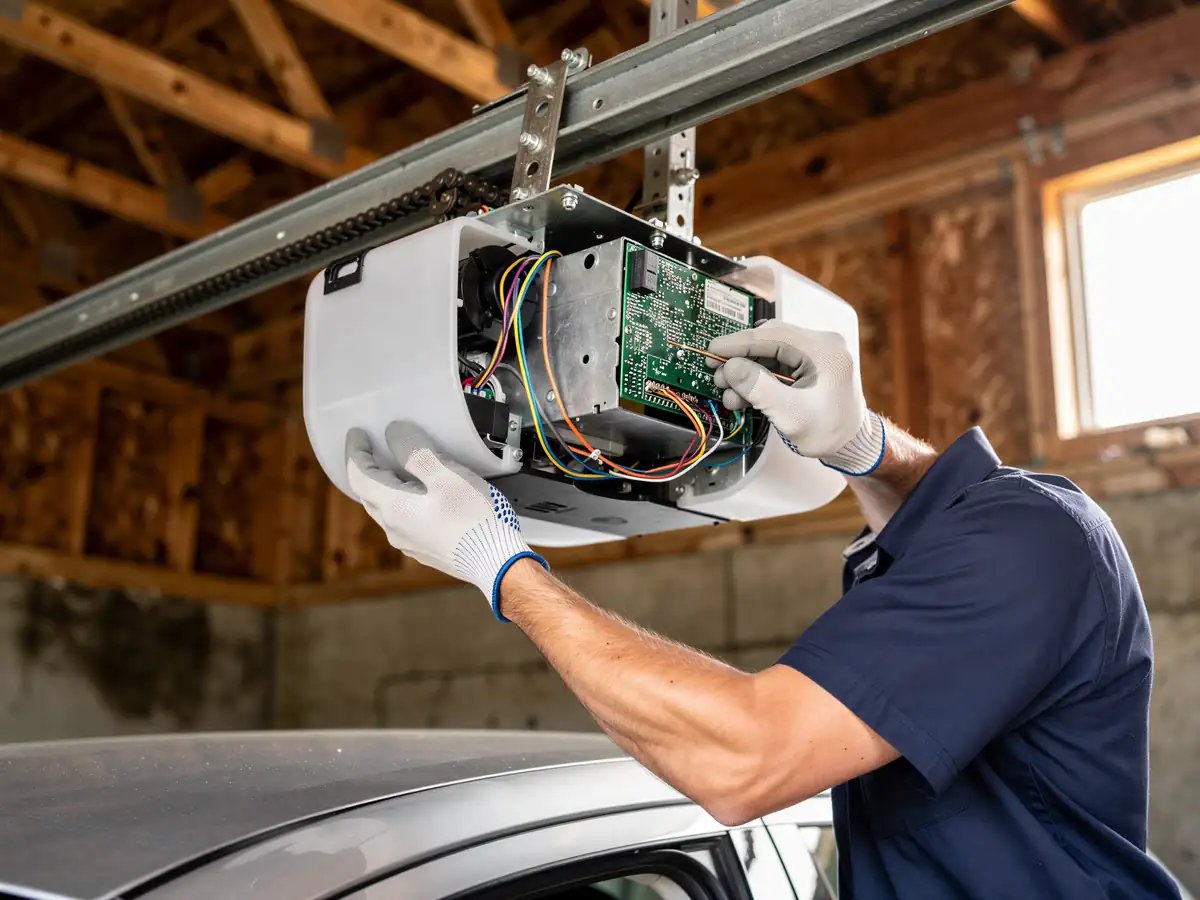
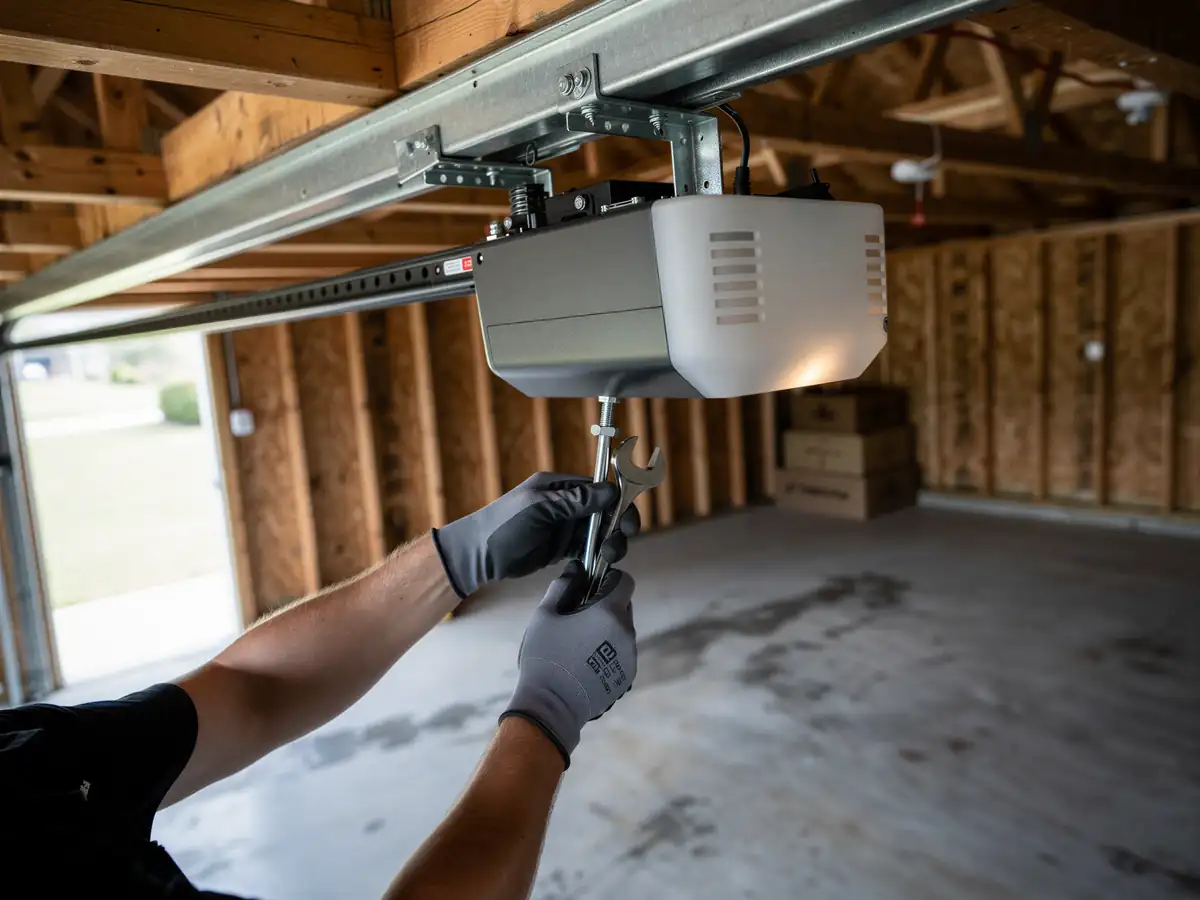
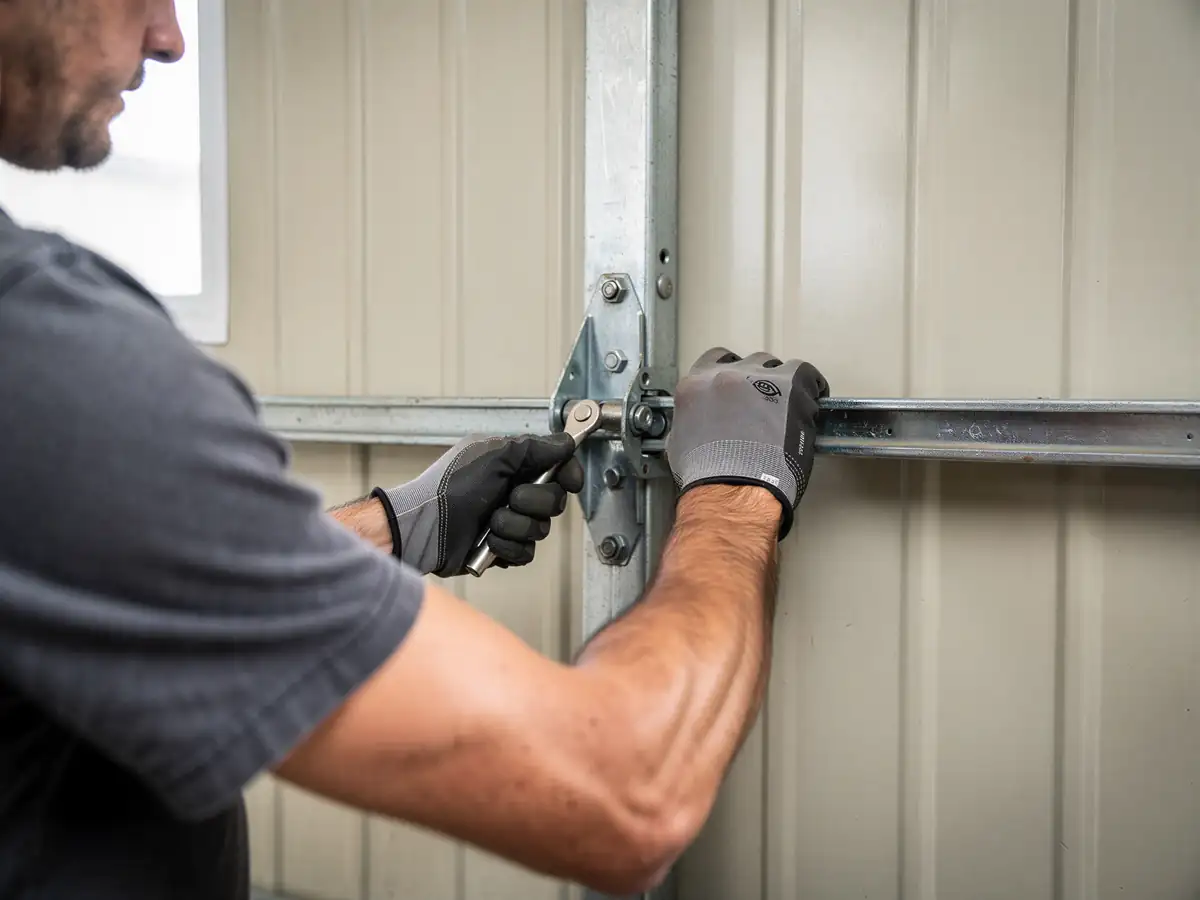
On houses from this era, opener gear kits wear out too. If the motor hums but the door doesn't move, or the opener runs for a few seconds and gives up, that's often a stripped nylon gear inside a unit that's older than most of its owners. We also see track misalignment on doors that have been cycling for 40-plus years - rollers wear grooves, brackets loosen, and the door starts binding instead of sliding.
Cold-weather stiffness makes all of this worse in the winter months. A spring or cable that's already fatigued tends to let go on the first hard cold snap of the season, not in July. None of this is exotic. It's ordinary wear hitting hardware that's had a long time to wear.
What You Pay
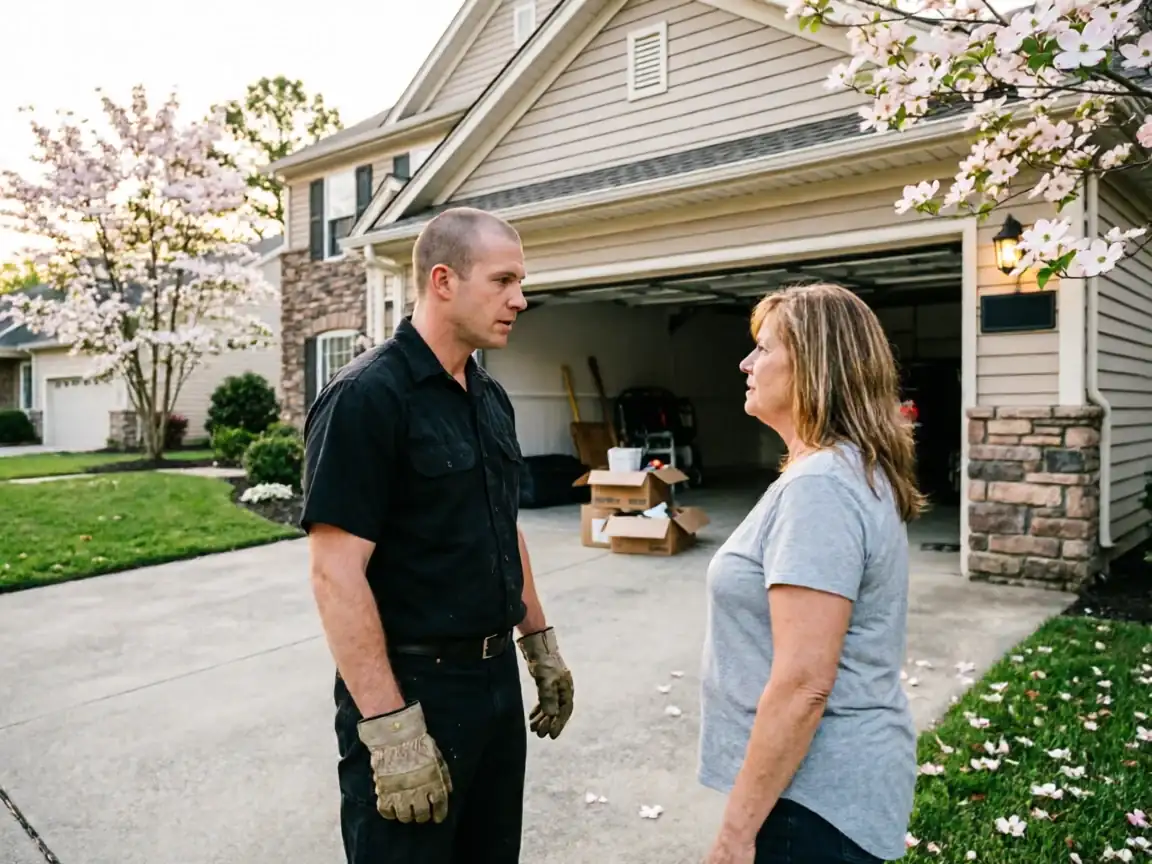
We don't post a flat number here because what you pay depends on what's actually broken - a cable swap and a full spring-and-drum replacement are not the same job, and neither is a gear kit versus a full opener. What we can tell you is how we price: we diagnose first, tell you what's wrong and why, and quote the repair before we touch anything.
One honest limitation: if your opener is original to a 1970s build, we may not be able to source an exact replacement part. In that case, repairing it costs more in time than replacing the unit outright, and we'll say so rather than bill you for a long shot. At a median household income of $46,071 for this area, we know most people aren't looking to gold-plate a garage door - they want it fixed right and they want to know the number before we start.
How It Shows Up
It usually starts small
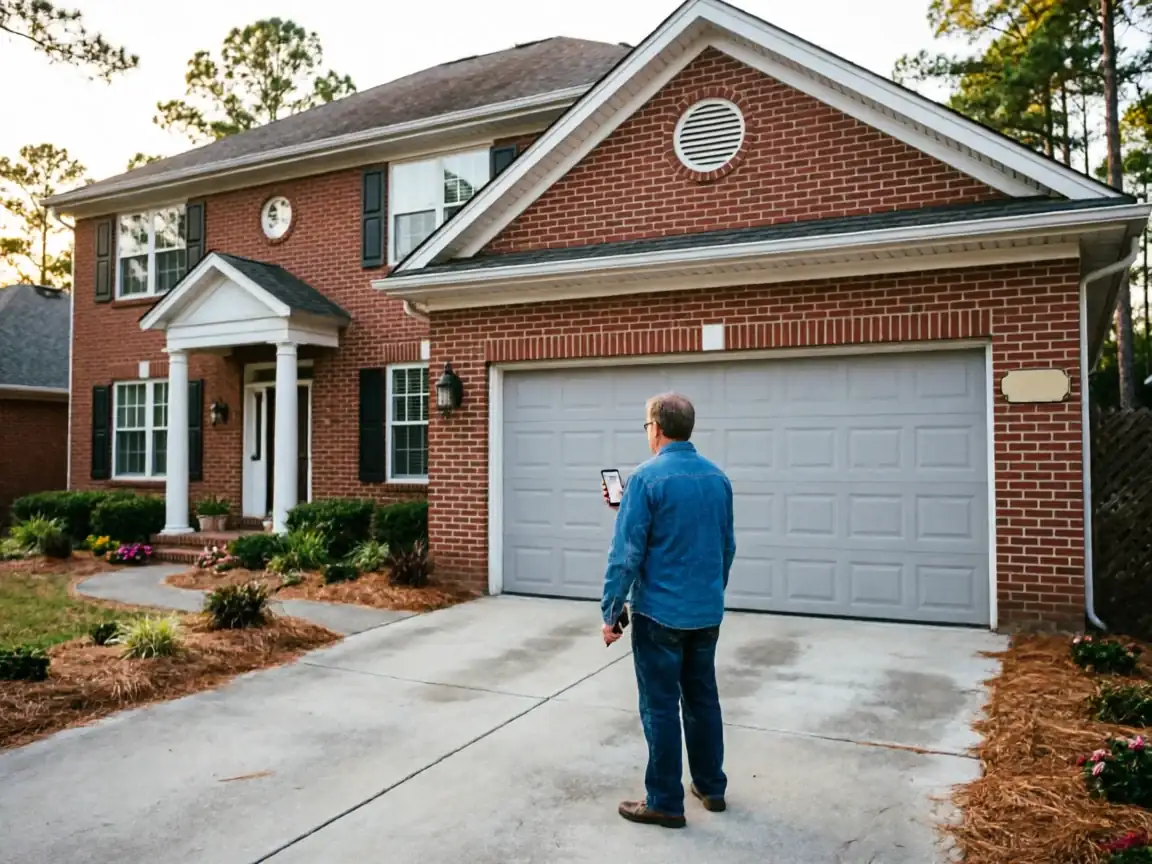
The door hesitates for a second before it lifts, or it's a little louder than it used to be. A week later it's off-track on one side, or the opener light blinks instead of running the motor. By the time most people call, the door has stopped working entirely - stuck halfway, or stuck shut.
If you're out toward Oakland, Auburn, Brownsville, or Franklin, the same aging hardware is out there
Just spread across a longer drive for us. The failure pattern doesn't change with distance from the center of town; a 1975 torsion spring behaves the same way whether it's 12 miles out or five minutes from the shop.
- 12 miles
The safest move once a door starts acting up is to stop using the opener and operate it by hand, if you can
Until someone looks at it. A spring under tension that's already cracking can let go suddenly, and that's not a DIY fix.