How It Shows Up
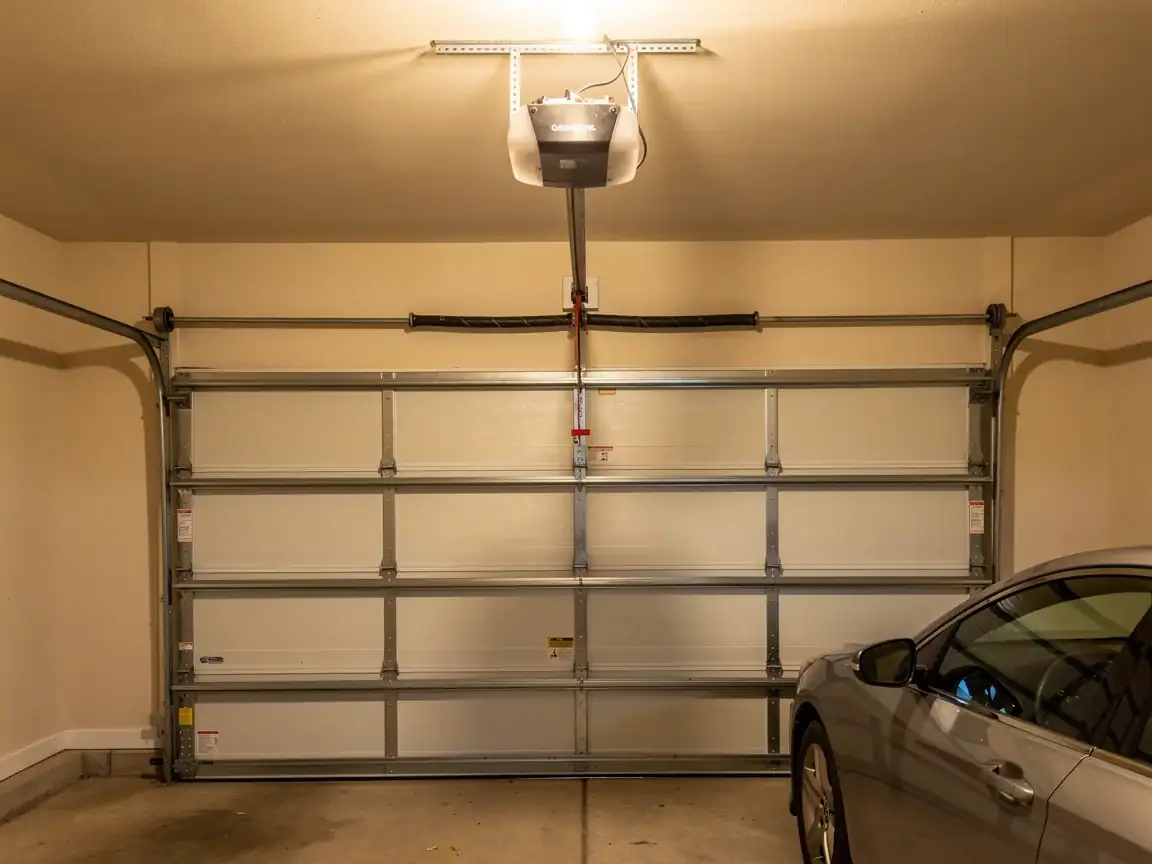
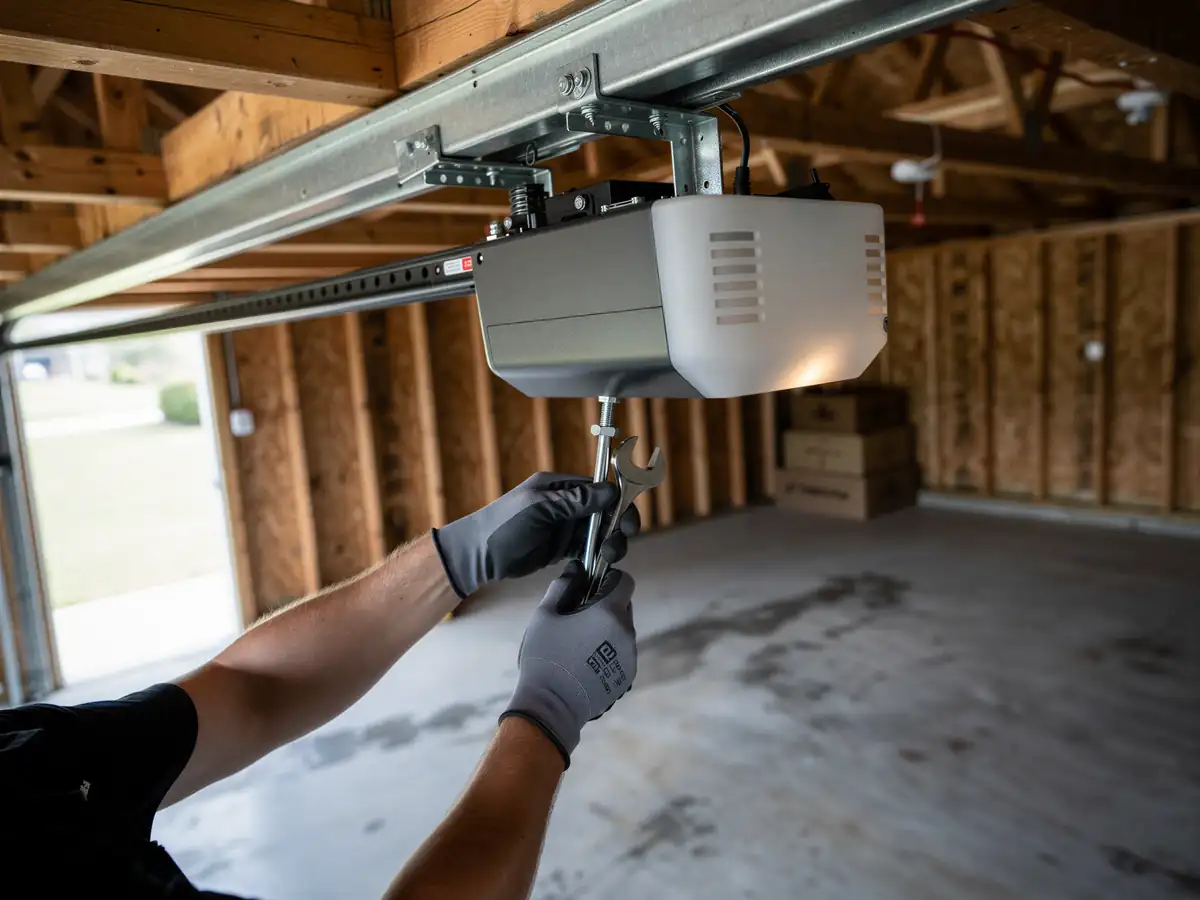
On a 1976-era opener, trouble usually starts quiet. The chain gets looser before it snaps, so you'll hear a new slap or rattle on the way up weeks before it fails outright. The door might reverse halfway for no reason, or the opener motor will run its full cycle while the door sits still - that's a stripped gear inside the housing, not the door itself. Remote range shrinking to a few feet, or needing two or three presses to get a response, points to a weakening receiver board rather than a battery. Some owners notice the opener light flashing in a pattern after the door stops; that's the unit telling you something specific, and on a board this age the diagnosis matters more than guessing and replacing parts at random.
What Can Go Wrong
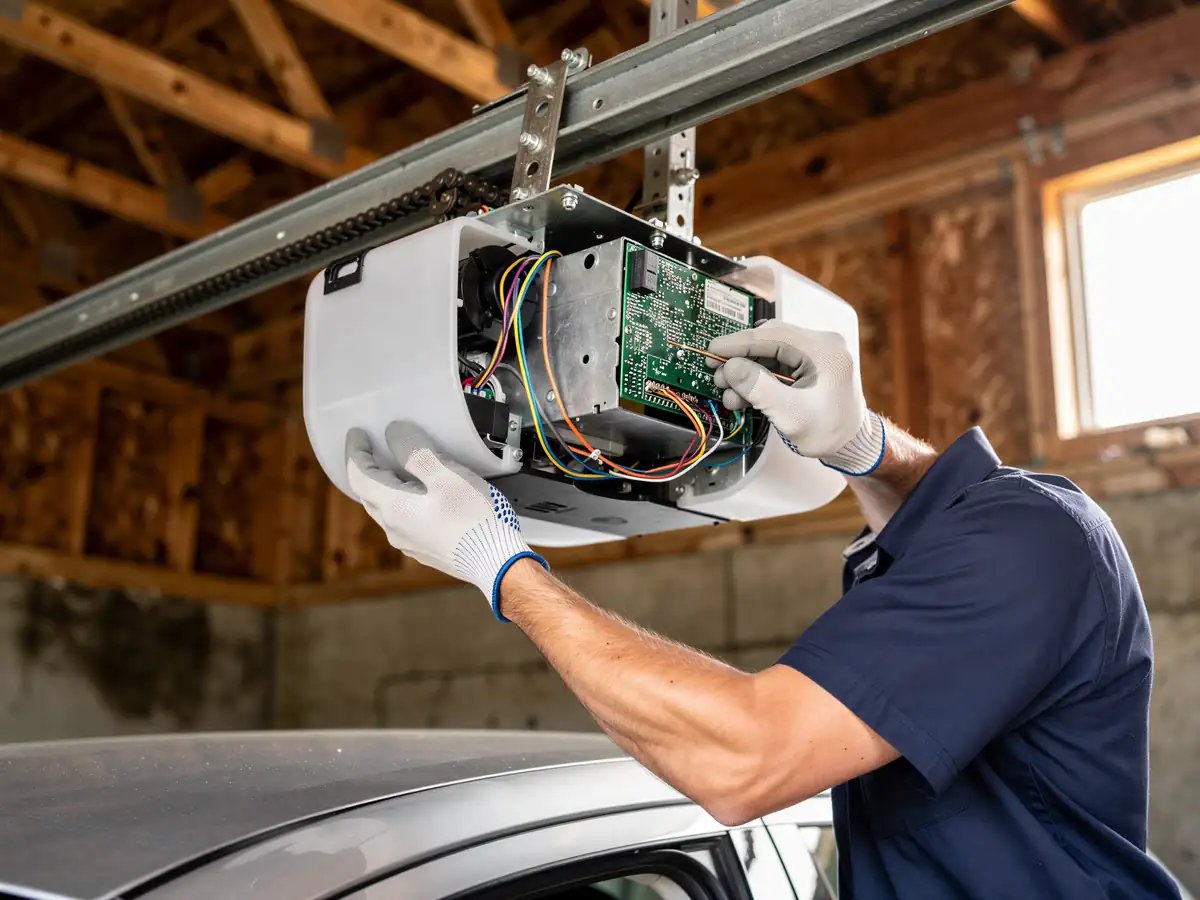
The internal drive gear and sprocket wear down first on chain-drive units from the 1970s, since that's the part doing the mechanical work every cycle. After that, it's the capacitor that gets the motor spinning - a weak one makes the opener strain and groan before it quits trying altogether. Logic boards from this era weren't built with surge protection as standard, so a single bad storm season can take one out even if everything else on the unit still works. We also see the travel limit switches drift out of adjustment on openers this old, which is often mistaken for a dying motor when it's a five-minute reset. One honest limit here: if the motor housing itself has cracked or the board is original to a 1976 install and already repaired once, we'll tell you straight that a new opener costs less over time than chasing parts for one this old.
Why This Fails Locally
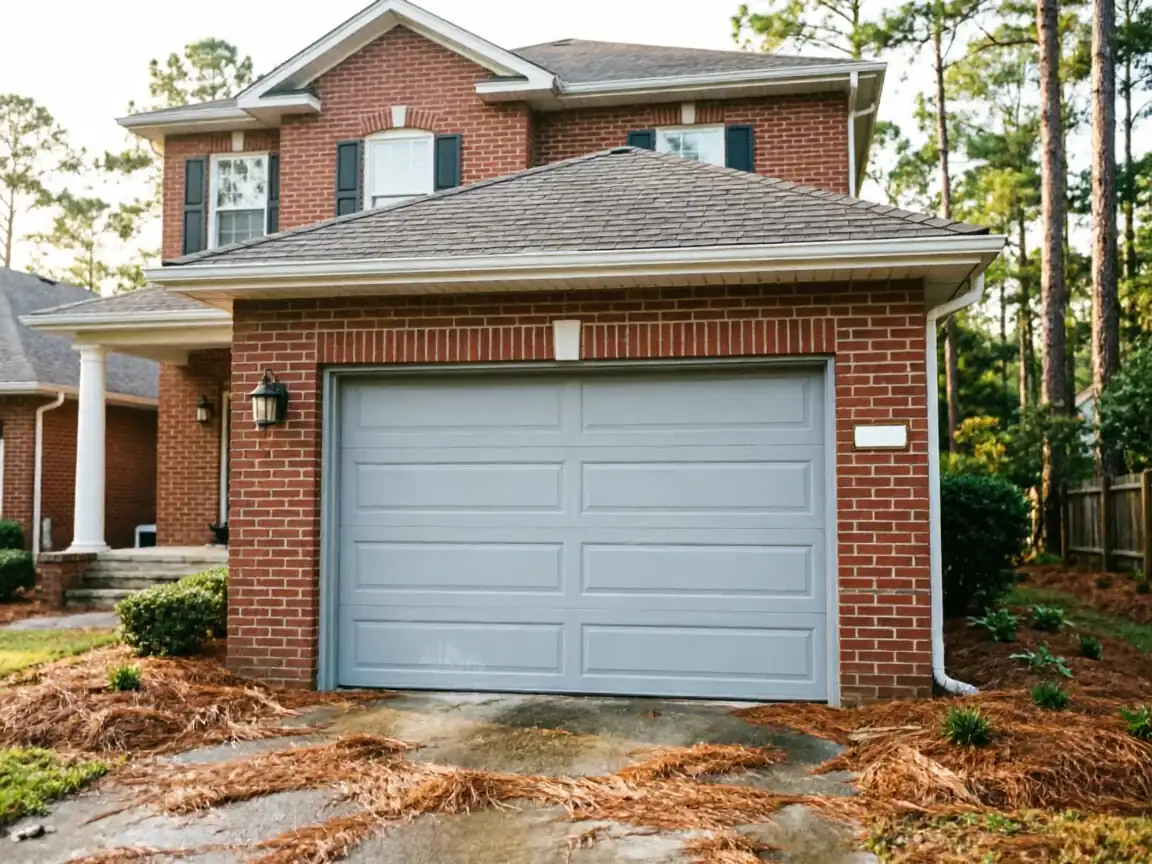
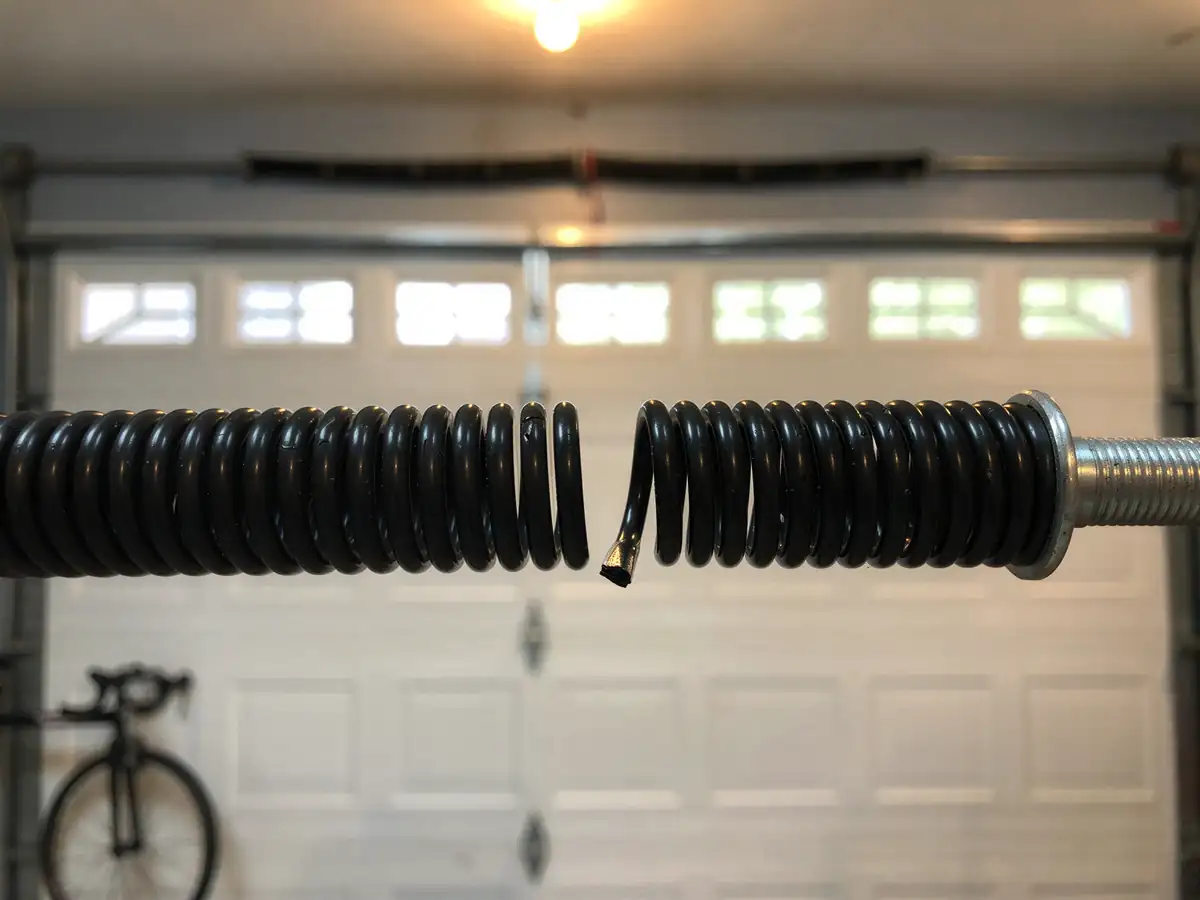
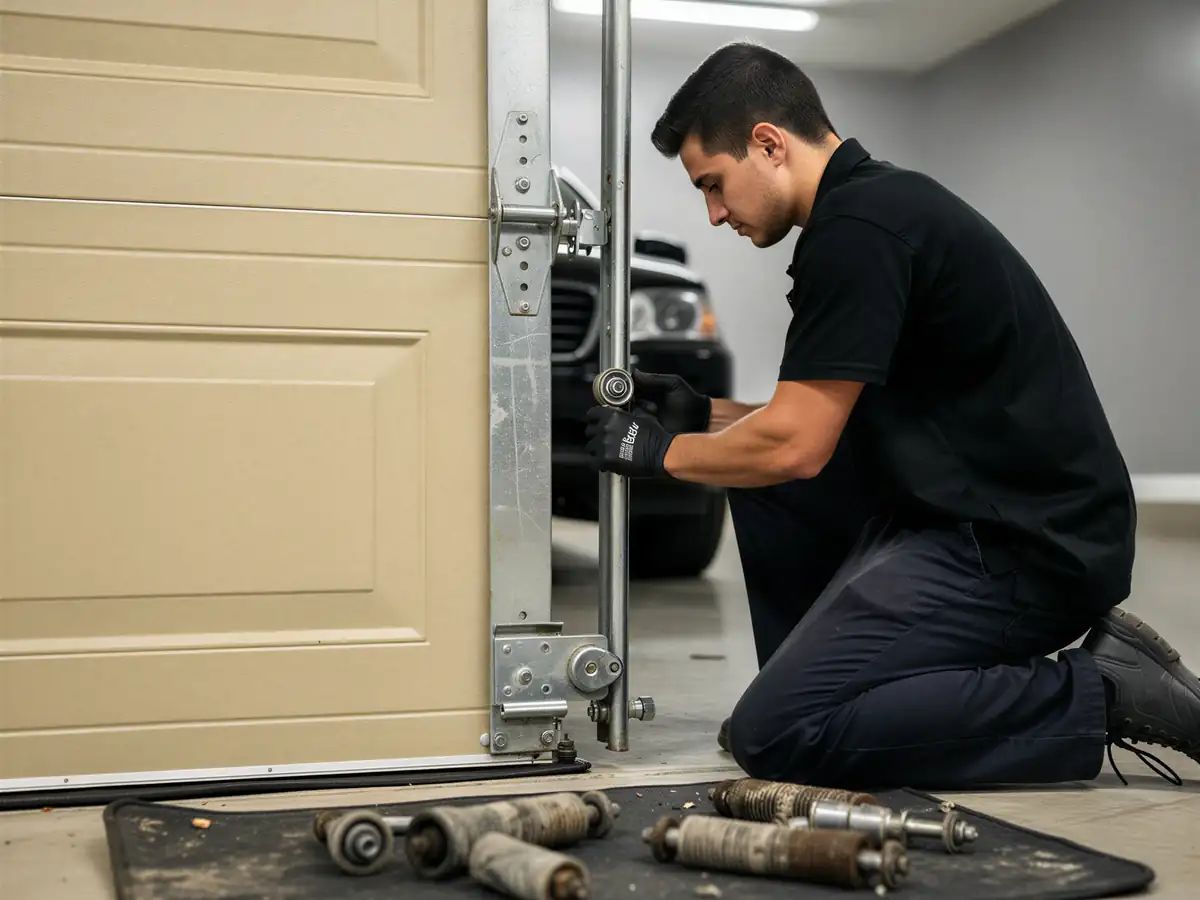
Oakland sits in a cold-moderate climate band, and that matters more to an opener than to the door itself. Grease inside a chain-drive unit built in the mid-1970s wasn't formulated for decades of winter stiffening, and a motor straining against hardened lubricant on a 10-degree morning burns out a capacitor faster than a newer belt-drive opener would under the same cold. With roughly 109 households in Oakland, most sitting on garages from that same build window, the failure pattern repeats house to house - it's rarely one bad unit, it's one era of opener hitting its expected end of life around the same years. That's also why a generic, off-the-shelf opener swap doesn't always fit clean on these older steel sectional doors; the spring weight and track spacing from 1976 construction don't always match what ships standard today.