Serving Bowling Green, KY & nearby
(270) 203-4616
Bowling Green, KY

What's Worth Fixing on an Older Bowling Green Garage Door

Bowling Green homes built between 1966 and 1982 carry original garage doors built for a milder era. Here's what still works and what to replace instead.

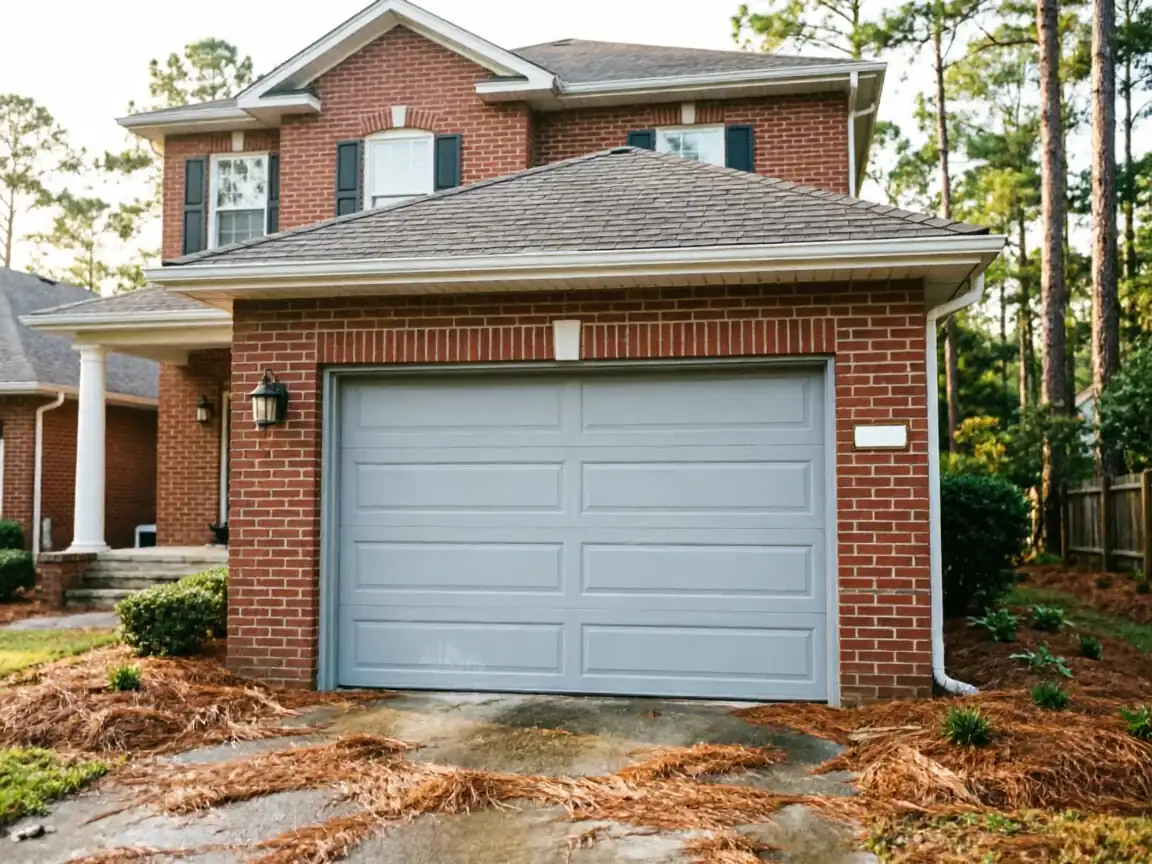
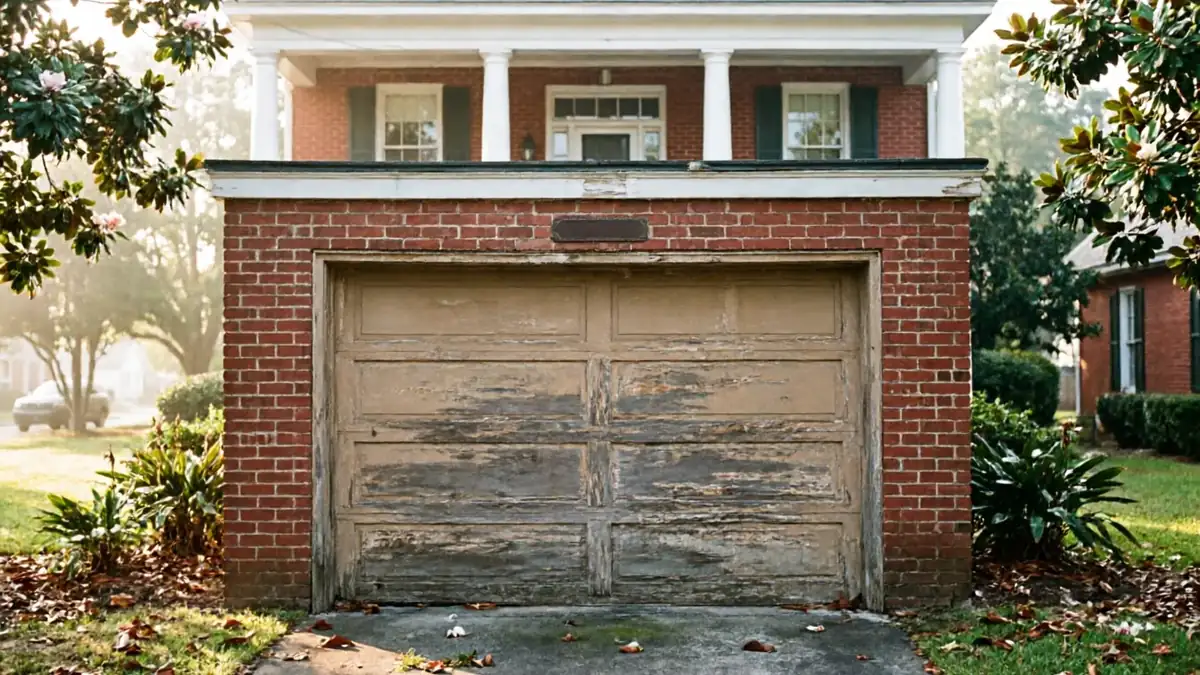
The garage door on a brick house has peeling paint and a concrete driveway.

Season by Season

  1. Bowling Green sits in a cold-moderate climate band

    Which means the hardware on your door goes through a real freeze-thaw cycle every winter, not just a few cold nights. Most of the housing stock here went up between 1966 and 1982, so a lot of these doors are still running the original torsion springs and steel tracks from that build period. Fall is when you want to check the springs and rollers, because a cycle of cold mornings and warmer afternoons works the metal harder than steady cold ever would. Winter is when a tired spring finally lets go, usually on the coldest morning of the year when you're late for work. Spring and summer give you the clearest look at the opener and track, once humidity and temperature even out and you can hear a motor that's starting to strain. None of this is dramatic. It's wear, on schedule, on hardware that's now been through close to five decades of that cycle in a lot of these houses.

  2. If your door has never been serviced and the house dates to that era

    Assume the spring is original until you've checked otherwise.

When It Stops Being a DIY Job

A lot of homeowners can handle lubricating hinges and tightening a loose bracket themselves. What you shouldn't touch is a wound torsion spring - on a door from the 1966-1982 building period, that spring has been under tension for decades and it lets go all at once, hard enough to break a hand or worse. If the door is original to a house from that era, the cable and drum setup is often not what a hardware store carries anymore, and guessing at a fix can put more strain on parts that are already fifty-plus years old. Here's the honest limit: if a panel is rotted through, or the track is bent enough that the door walks instead of rolling straight, that's not a tightening job - that's a call. We'll tell you flat out when a repair isn't worth it, usually when the door itself has outlived its hardware and fixing one part just means the next part fails in a month. We don't push replacement on a door that still has good bones just because it's old; we also won't pretend a cracked frame is a quick fix.

What Is Going On

Doors built in the 1966-1982 run that makes up most of the stock in this area used galvanized springs and single-layer steel panels - solid for their time, but not built with the corrosion coatings or insulation standards that came later. After this many years of cold-moderate winters, the galvanizing on an original spring has usually worn through at the coils, which is why you see rust lines right where the spring flexes most. The steel track from that period runs a lighter gauge than what's installed today, so it dents and racks more easily if a roller starts binding. None of this means the door is junk. It means the parts wearing out are the parts that were always going to wear out first, on a schedule tied to when the house was built, not to anything you did wrong.
What Local Conditions Do

The cold-moderate climate band this area sits in doesn't bring brutal cold, but it brings enough freeze-thaw swing to stiffen lubricant and shrink steel just enough to throw a door out of alignment twice a season instead of once. That matters more here than in a milder climate, because the housing stock is older - most of it from 1966 to 1982 - so the hardware has already absorbed four or five decades of that swing. We run calls out to Oakland, Auburn, Brownsville, and Franklin as well as in town, and the same build-era pattern shows up in all of them: original springs, original track, and openers that are often a second or third replacement on a door that's never been swapped. With median household income here at $46,071 across roughly 4,889 households, a repair that gets another several years out of an existing door usually makes more sense than a full replacement, as long as the panel and frame are sound.

How it works

From “it’s stuck” to “it’s fixed”

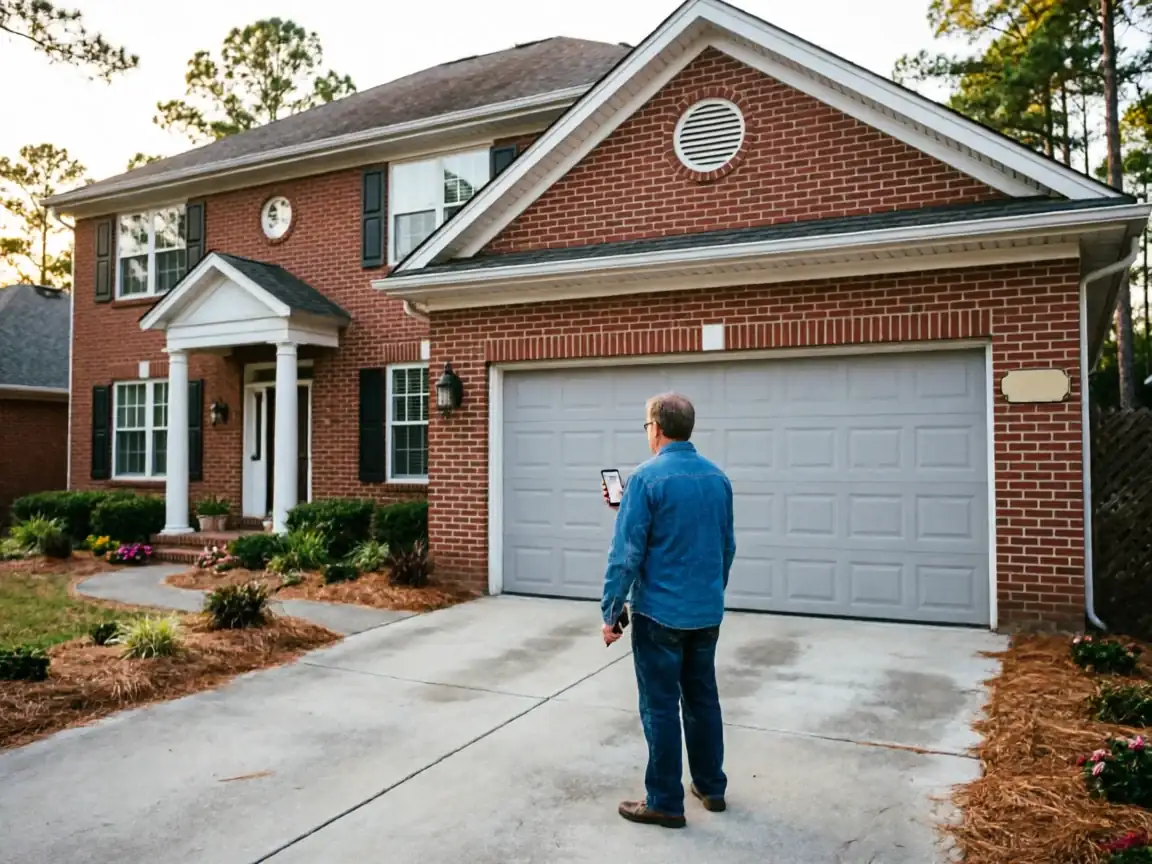
A man stands in a driveway holding a phone, facing a gray garage door.

Tell us what’s wrong

Describe the symptom - won’t open, loud bang, opener runs but the door won’t move.

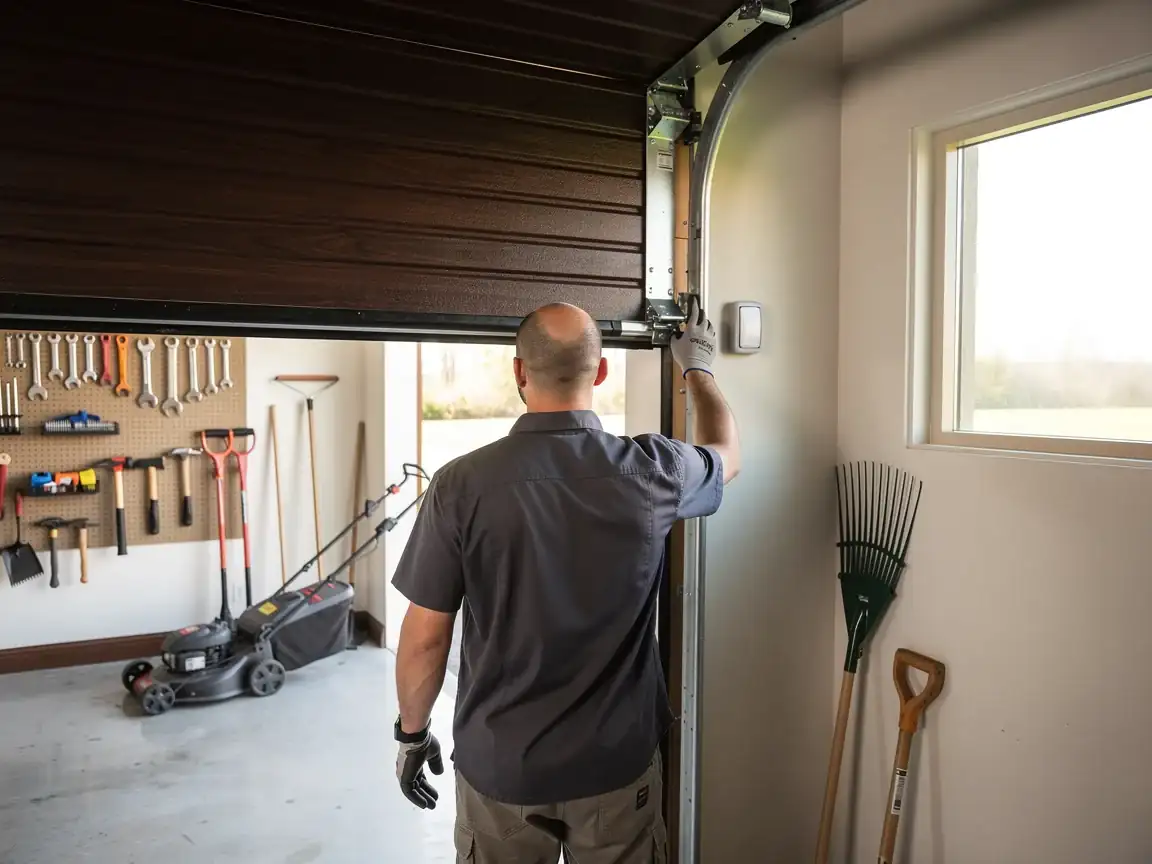
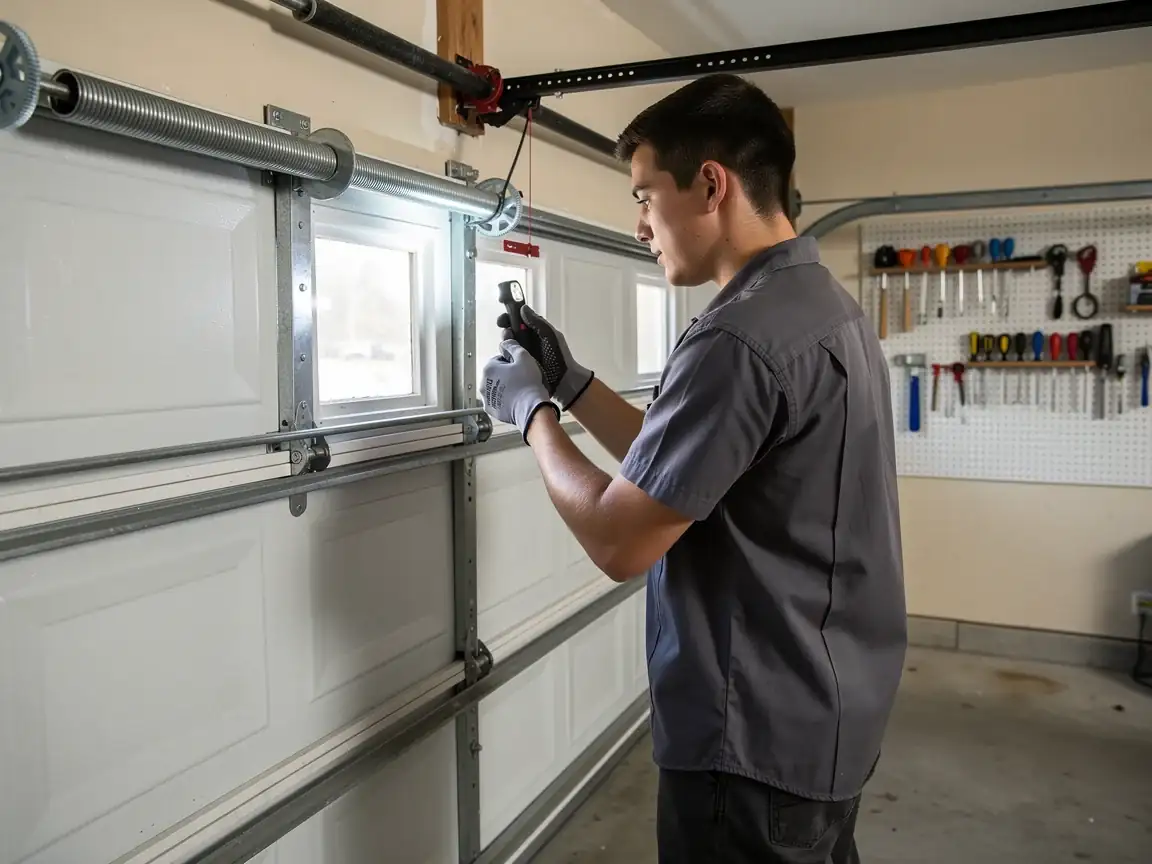
A technician in a gray shirt inspects a white garage door with a flashlight.

On-site diagnosis

A technician tests the door under power and by hand and finds what actually failed.

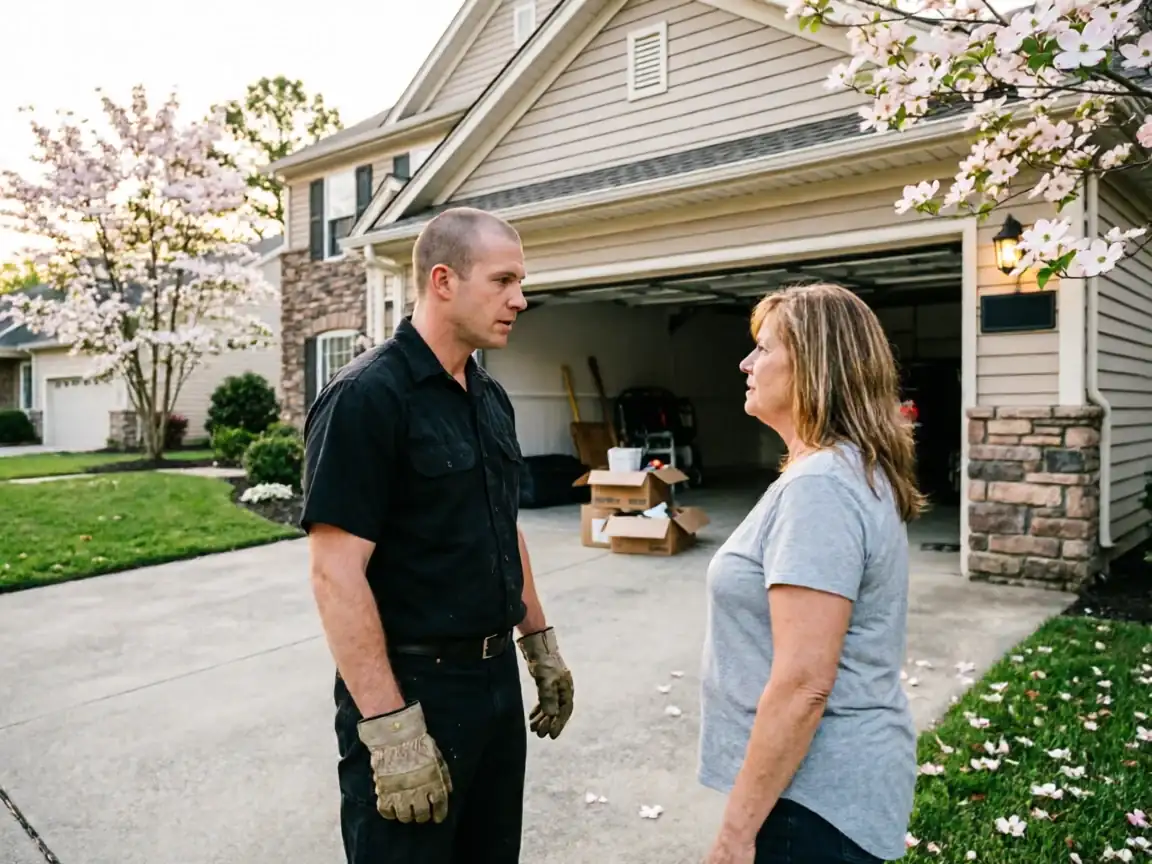
A technician in work gloves talks to a woman in a driveway in front of a house.

Clear, up-front plan

You get the fix that’s needed and what drives the cost - before any work starts.

A technician adjusts the brown garage door track inside a garage.

Repaired & tested

The repair is done, the door is set true and tested, and the work area left clean.

Not sure which repair your door needs in Bowling Green, KY? Describe what it’s doing - every job starts with a diagnosis.

How we work

What to expect

Diagnosis firstEvery visit starts by finding what actually failed - not a pre-written parts list.
The right part for the doorSprings and openers matched to the door’s weight and age, so the fix holds up.
Straight answersWhen a repair makes more sense than a replacement - or the reverse - you hear it plainly.
Clean, careful workTension released safely, hardware set true, the door tested under power before we leave.
What we do

Garage Door Services

Repair and installation work for Bowling Green homes and businesses.

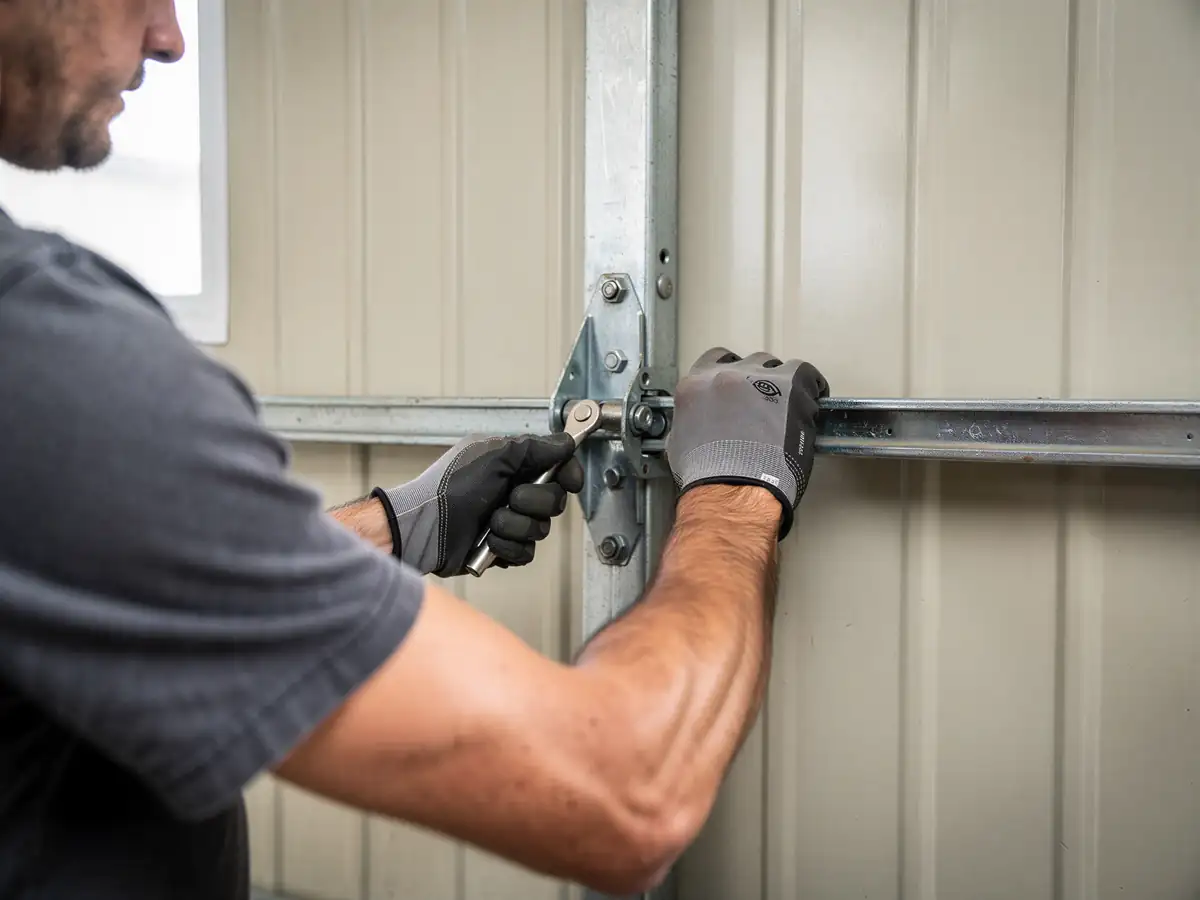
A technician in gloves tightens a bolt on a garage door hinge with a wrench.

Garage Door Repair

Garage door repair in Bowling Green, KY for houses built 1966-1982, where original torsion springs and openers are reaching the end of their rated life.

Learn more
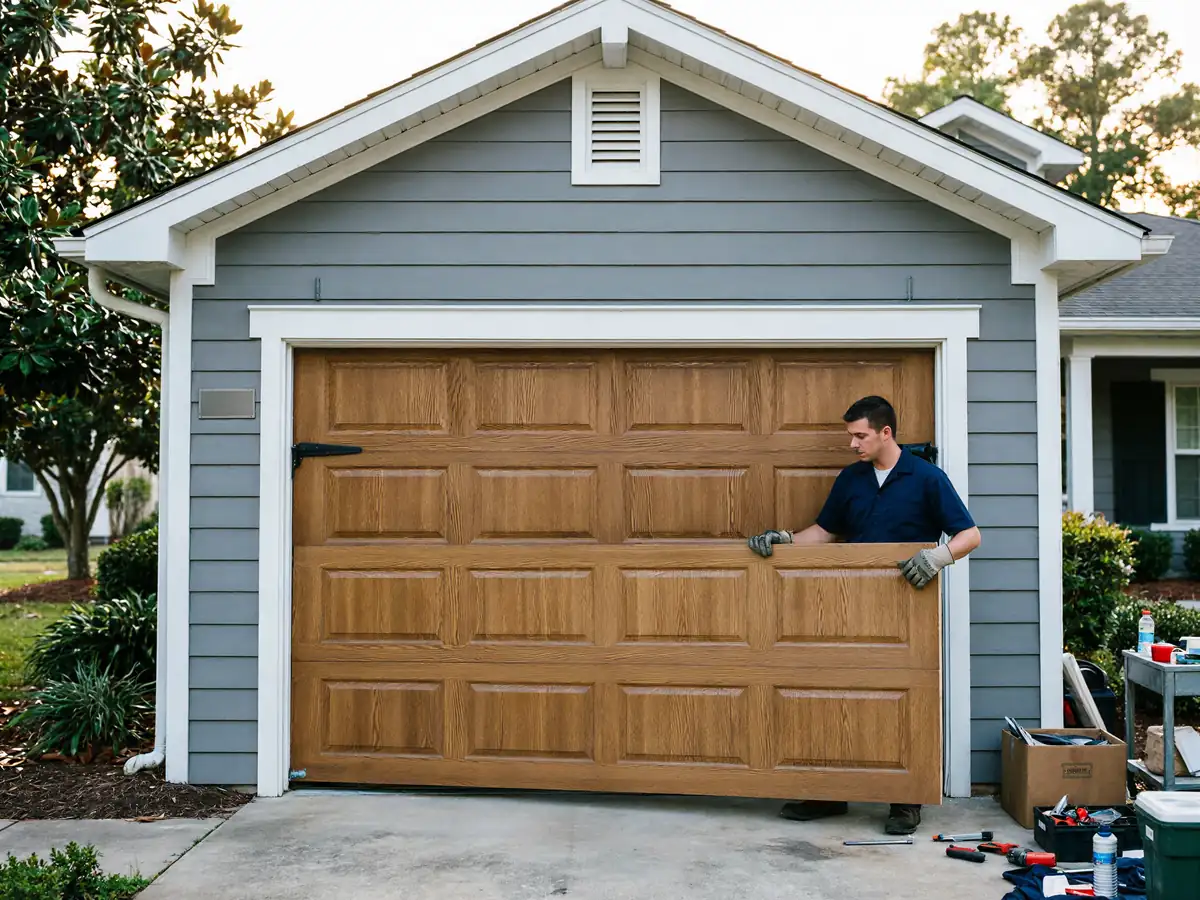
A technician installs a brown garage door on a gray house.

Garage Door Installation

Original Bowling Green homes built 1966-1982 often run original garage doors and openers. See why installation fails locally here and what it costs to fix.

Learn more
A brick house has a light gray garage door and a driveway covered in pine needles.

Garage Door Service

Garage door service built around Bowling Green's 1966-1982 housing stock and cold winters - springs, openers, and tracks that fail the way this town's houses age.

Learn more
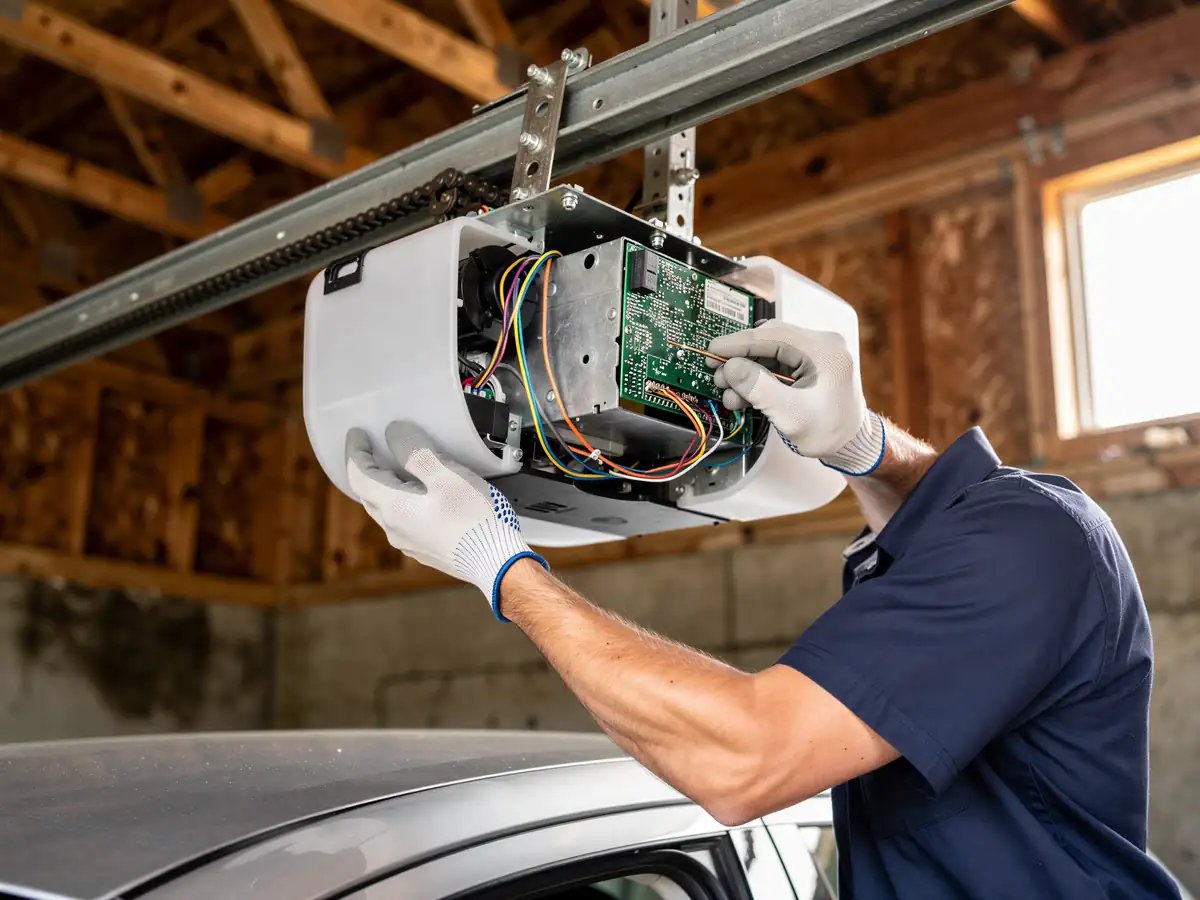
A technician in gloves repairs a garage door opener with exposed wiring.

Opener Repair

Opener repair for 1960s-70s homes across Bowling Green, Oakland, Auburn, Brownsville, and Franklin - failures often tied to original wiring and cold strain.

Learn more
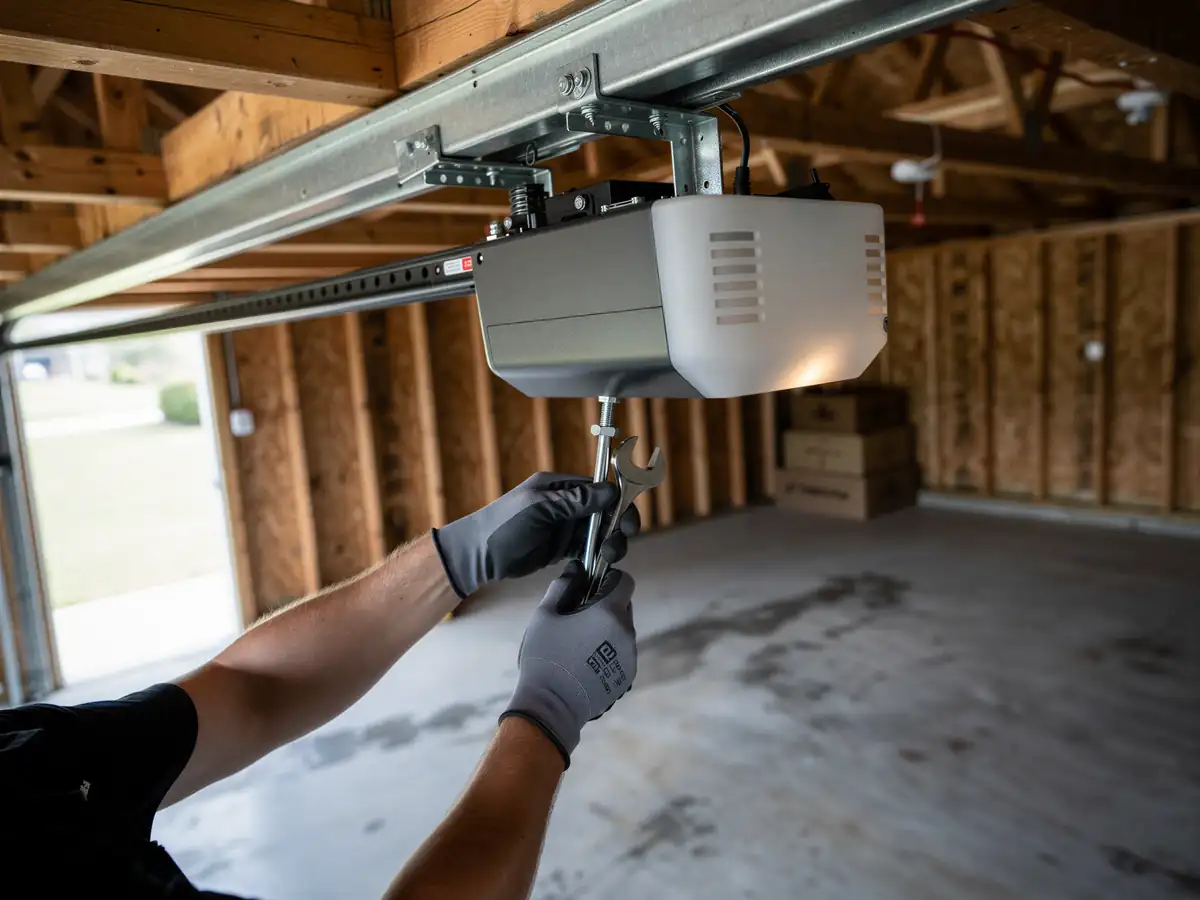
A technician in gray gloves adjusts a garage door opener with a wrench.

Opener Installation

Garage door opener installs for Bowling Green area houses built mostly between 1966-1982, where original hardware and cold-weather strain are common failure points.

Learn more
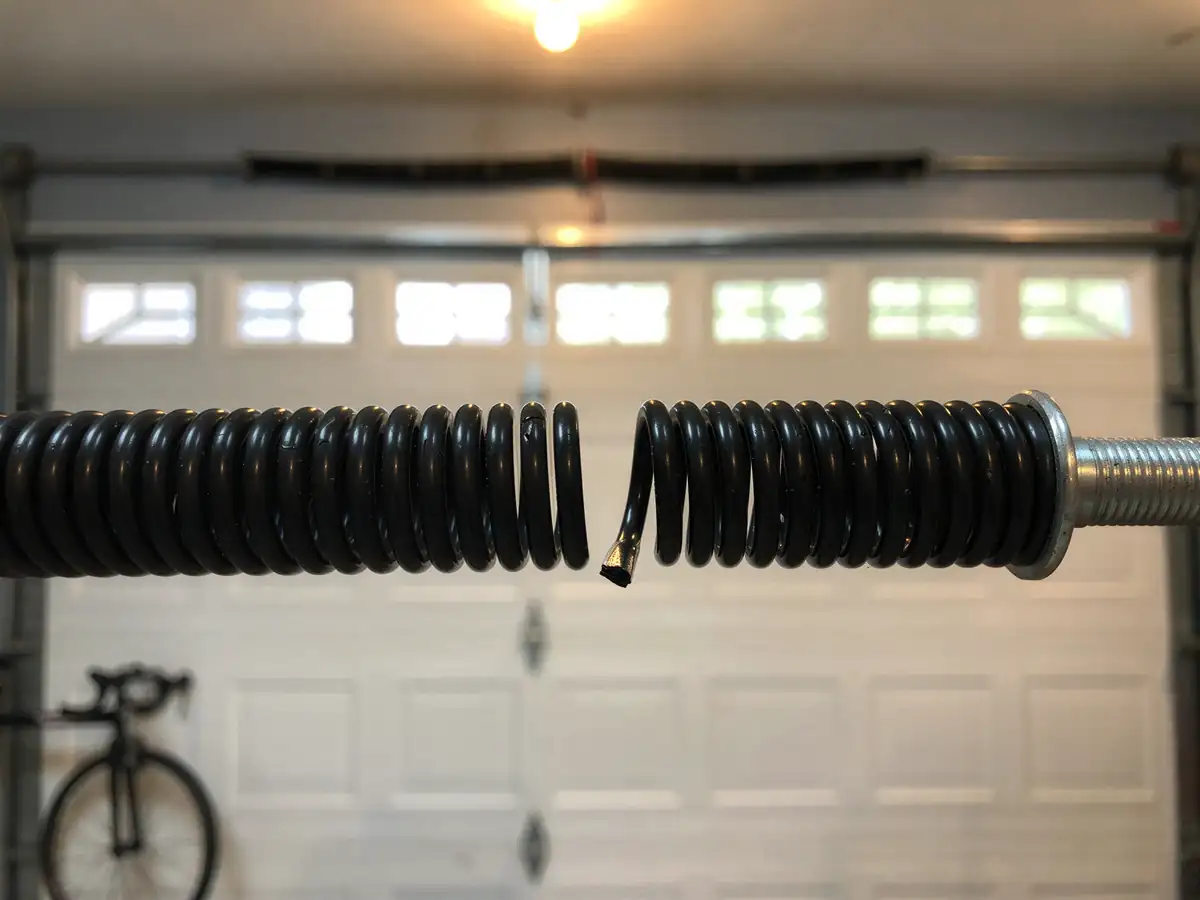
A broken black torsion spring is visible in front of a white garage door.

Spring Repair

Torsion spring failure is common in Bowling Green's 1960s-70s housing stock and cold winters. See why it happens, what it costs, and how it shows up before the door won't move.

Learn more
A technician installs a new roller on a beige garage door.

Roller Replacement

Garage door roller replacement for Bowling Green, KY area homes built 1966-1982, where worn nylon rollers bind, rattle, and jump the track on cold winter days.

Learn more
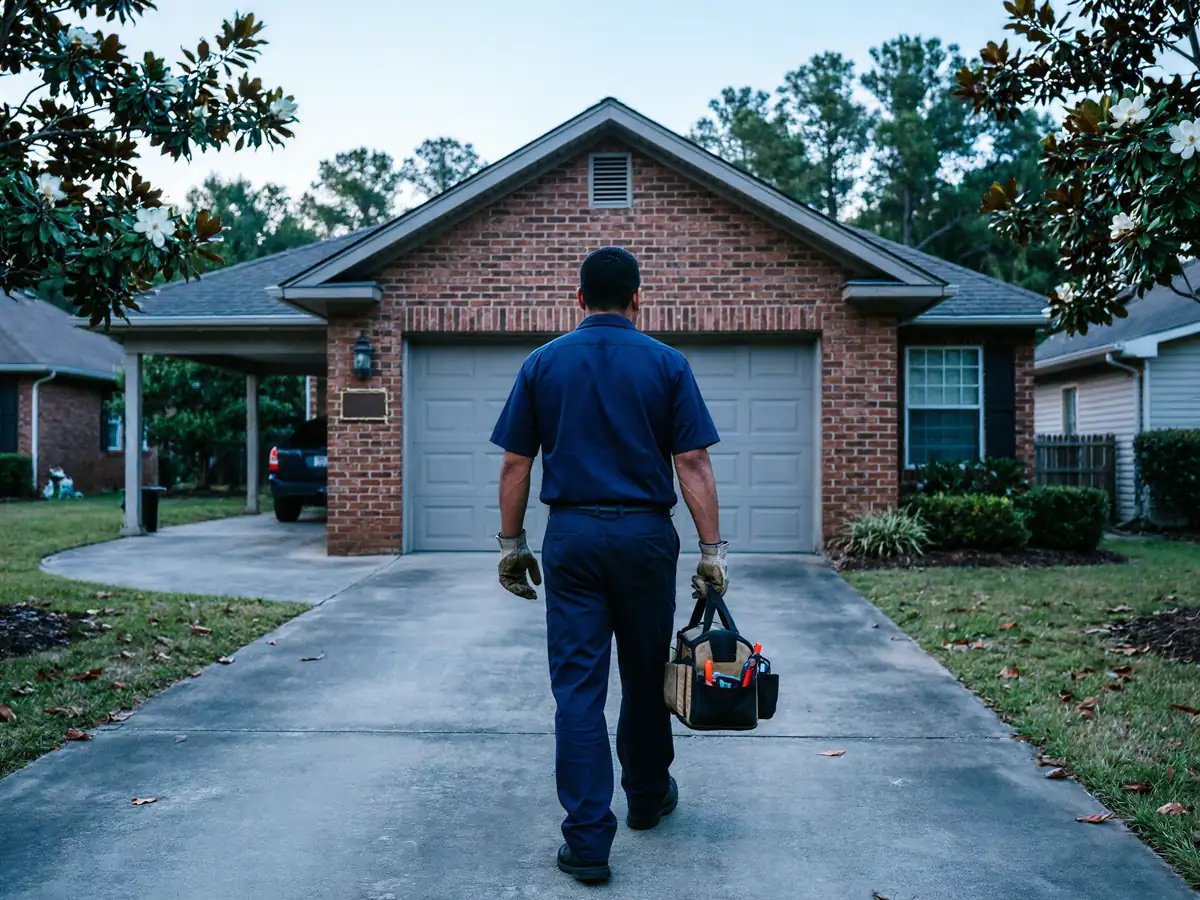
A technician in a blue uniform walks toward a brick house with a garage.

Emergency Garage Door Repair

Same-day emergency garage door repair across Bowling Green and the surrounding service area, built around the age and climate of the local housing stock.

Learn more
Questions

Frequently asked

Straight answers about garage door repair in Bowling Green. Still unsure? Ask us directly.

How old is a typical garage door in Bowling Green?

Most houses in this service area were built between 1966 and 1982, and a lot of them still have the original door or at least the original spring and track hardware from that period. If no one's replaced it, the door is likely pushing fifty years old, which puts it well past the point where parts wear out on a predictable schedule.

Should I repair or replace an old door?

If the panels and frame are sound and it's a spring, cable, or roller problem, repair almost always costs less and lasts for years. Replacement makes more sense once the track is bent beyond straightening, panels are rotted, or the opener has failed more than once. With income levels in this area averaging $46,071, most owners get more value stretching the existing door's life with repairs.

Does winter cause more garage door problems here?

Yes. This area sits in a cold-moderate climate band, so the freeze-thaw swing through fall and winter stiffens lubricant and shrinks steel enough to pull doors out of alignment. It's not the coldest climate in the country, but combined with hardware that's often decades old, it's enough to cause a spring failure or a binding track most winters.

Ready to get your garage door sorted?

Tell us what it’s doing and where you are in Bowling Green - we’ll take it from there.

Request a QuoteCall