Serving Bowling Green, KY & nearby
(270) 203-4616
Bowling Green, KY

Why Garage Door Springs Fail So Often Around Bowling Green

Torsion spring failure is common in Bowling Green's 1960s-70s housing stock and cold winters. See why it happens, what it costs, and how it shows up before the door won't move.

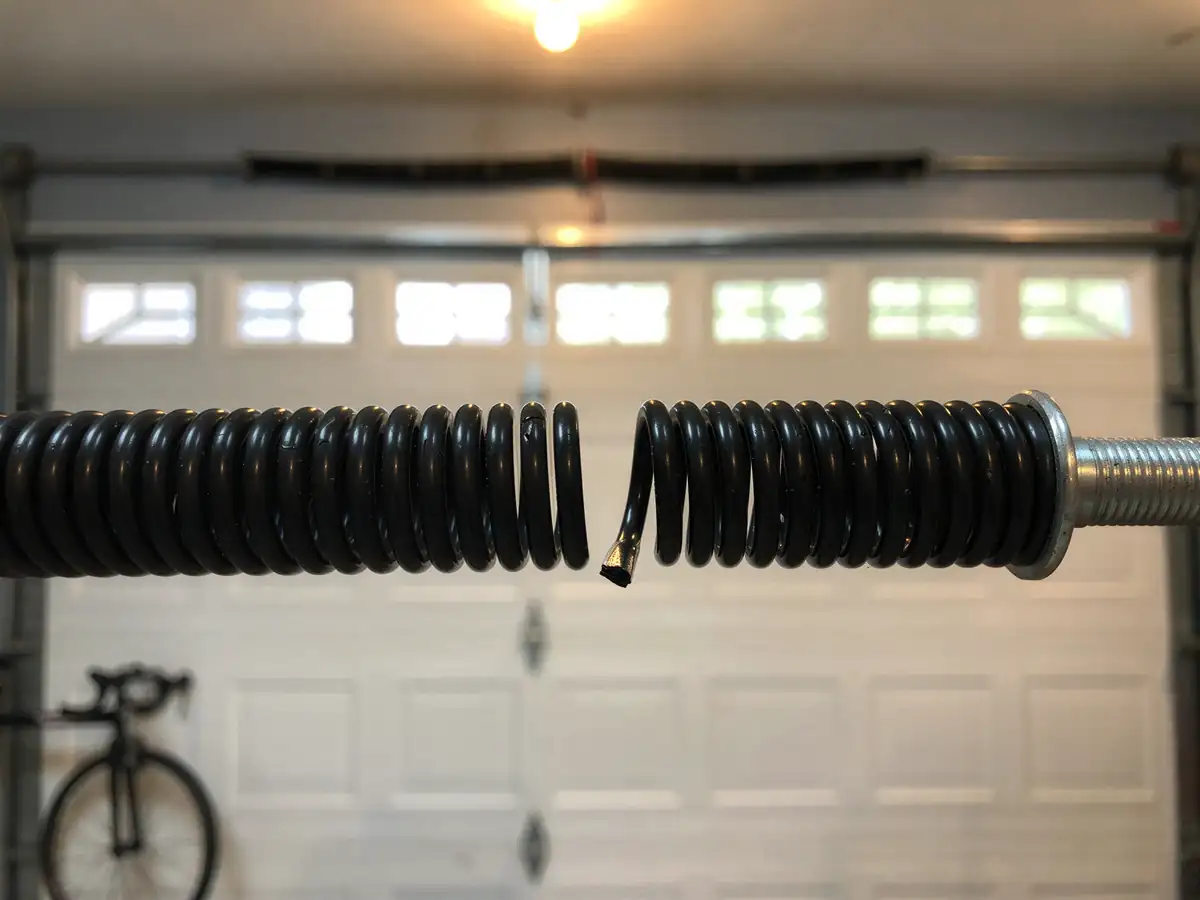
A broken black torsion spring is visible in front of a white garage door.
Bowling Green, KY
8 services
4 service areas
Diagnosis first, then the fix

Why This Fails Locally

  1. Most houses across this service area went up between 1966 and 1982

    With the median build year sitting at 1975. That means a lot of torsion springs out there are either original or close to it, and a steel torsion spring is only rated for so many open-close cycles before the coil fatigues and lets go. It doesn't ask permission first.

  2. That 1960s and 70s stock repeats across Oakland, Auburn, Brownsville, and Franklin

    Which puts the same worn torsion hardware within a 12 to 19 mile radius of each other. These aren't scattered one-off houses with custom doors - they're tract-built homes from the same few decades, with the same spring sizing and the same side-mounted or center-mounted setups that were standard at the time.

    • 19 mile
  3. Add a climate that swings cold through the winter

    And you get metal that contracts, lubricant that thickens, and hinges and spring coils that take on more load than they would in a mild season. A spring that's already near the end of its cycle life doesn't need much of a push in January to snap. That combination - old stock, cold stress - is the actual reason this job stays busy here, not just bad luck.

What Can Go Wrong

The torsion spring itself is the headline failure, but it's rarely the only thing that goes with it. When a spring snaps under tension, the sudden release can bend the center bracket, strip the winding cone, or kink the cable that's threaded through the drum. If the door was already rolling when it let go, you can end up with a dented panel or a bent track on top of the broken spring.

On older doors - and with 2,306 owner-occupied houses out of 4,889 households in this service area still carrying original or near-original hardware - the springs were often undersized for today's heavier insulated panels if the door was ever replaced without updating the spring. That mismatch shortens the spring's working life even further.

Rust is the other quiet failure mode. Cold, damp winters push moisture into the coil wraps, and a rusted spring doesn't just look bad - it binds unevenly and can snap with less warning than a clean one. We've opened up springs that looked fine on the outside and were pitted through on the inside.

One honest limit here: if the bracket, drum, and cable are all compromised along with the spring, patching just the spring isn't worth your money. At that point you're better off replacing the hardware set, not one part of it.

What You Pay

We don't have a published price list to quote here, and giving you a made-up number would do you more harm than good - spring jobs vary by spring size, whether it's a single or double door, and whether the cable, drum, or bracket needs replacing alongside it. What we can tell you is what drives the cost up or down: single-spring systems are usually a more contained job than double-torsion setups, and a clean swap costs less than a job where rust or a bent part has to come out first.

A median household income of $46,071 across the area means most owners wait for a spring to break instead of replacing it on a schedule, which we understand - nobody wants to pay to fix something that still works. The tradeoff is that a spring call that comes in as an emergency, with the door stuck shut, sometimes needs more parts than one caught early with a slow-closing door or a loud bang on the way up.

Ask for a number before anything gets touched. A spring job should be priced after someone looks at the spring size, the door weight, and the condition of the rest of the hardware, not off a phone guess.

How It Shows Up

  1. A torsion spring rarely fails without warning if you know what to watch for

    The most common sign is a loud bang from the garage - that's the coil letting go under tension, usually when the door is down and nobody's touched it in hours. After that, the door either won't budge when the opener tries to lift it, or it lifts a few inches and stalls because the opener alone can't carry the full weight of the door without spring assistance.

  2. Before a full break, you'll often notice the door closing faster than it used to

    Or drifting down on its own if left partway open. That's a spring losing tension, not snapping yet. Cold mornings make this worse - stiff, fatigued coils have less give in low temperatures, so late fall through winter is when most of these calls come in.

  3. If you try to lift the door by hand and it feels like dead weight

    With no spring assist at all, treat that as a broken spring and leave the door down. Running the opener against a broken spring puts more strain on the motor and the track than it was built for, and that's how one broken part turns into three.
How it works

From “it’s stuck” to “it’s fixed”

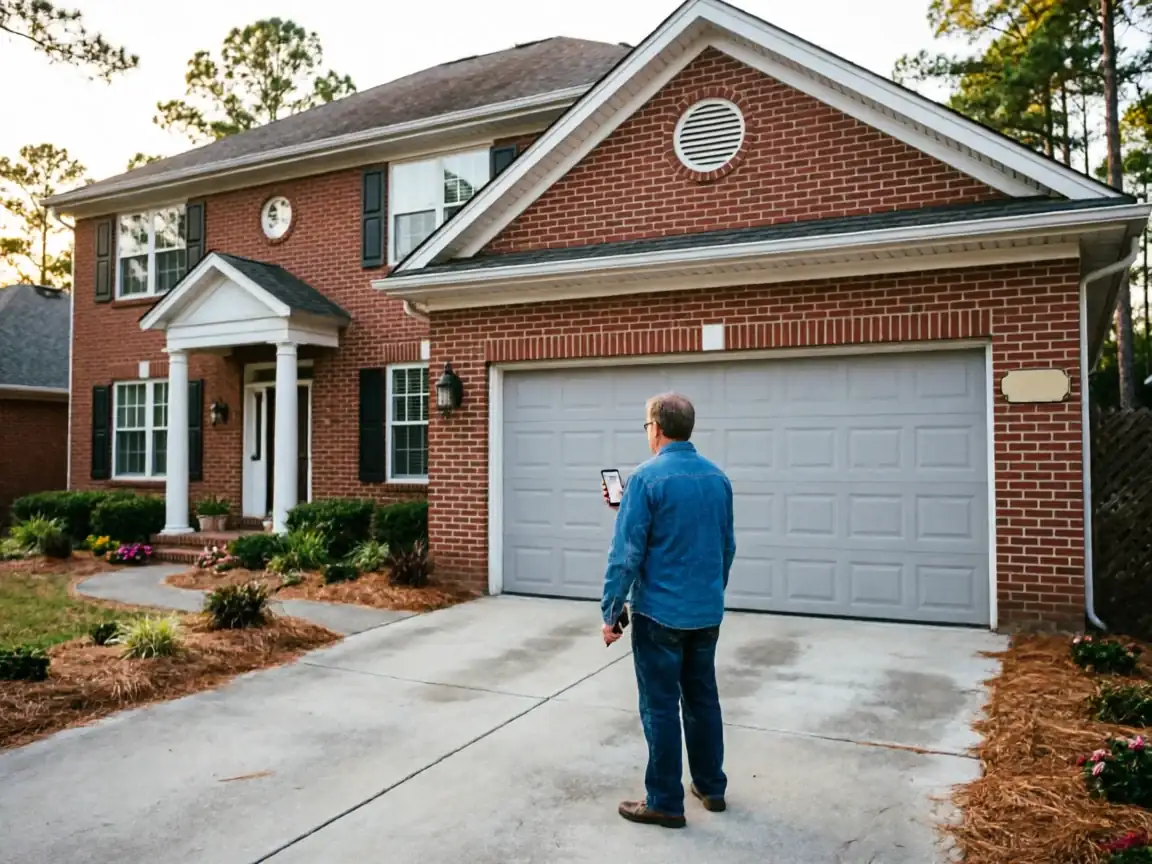
A man stands in a driveway holding a phone, facing a gray garage door.

Tell us what’s wrong

Describe the symptom - won’t open, loud bang, opener runs but the door won’t move.

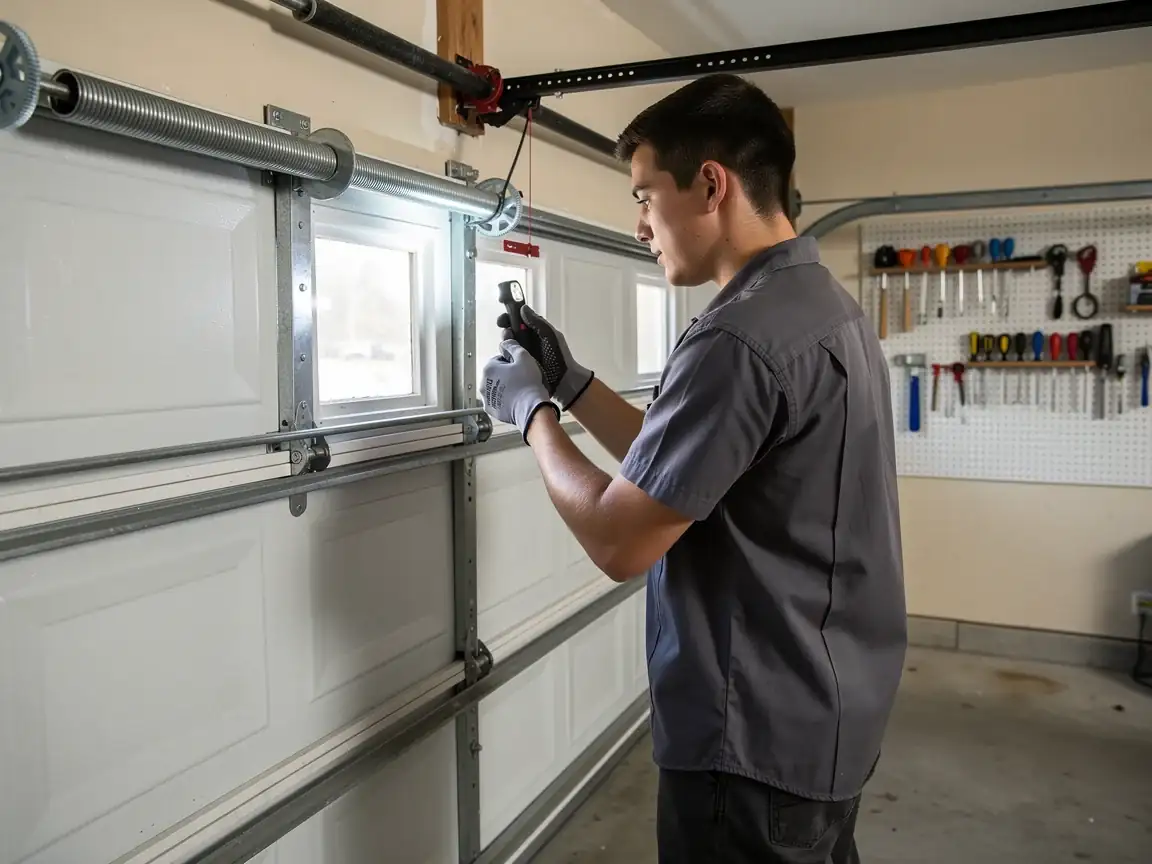
A technician in a gray shirt inspects a white garage door with a flashlight.

On-site diagnosis

A technician tests the door under power and by hand and finds what actually failed.

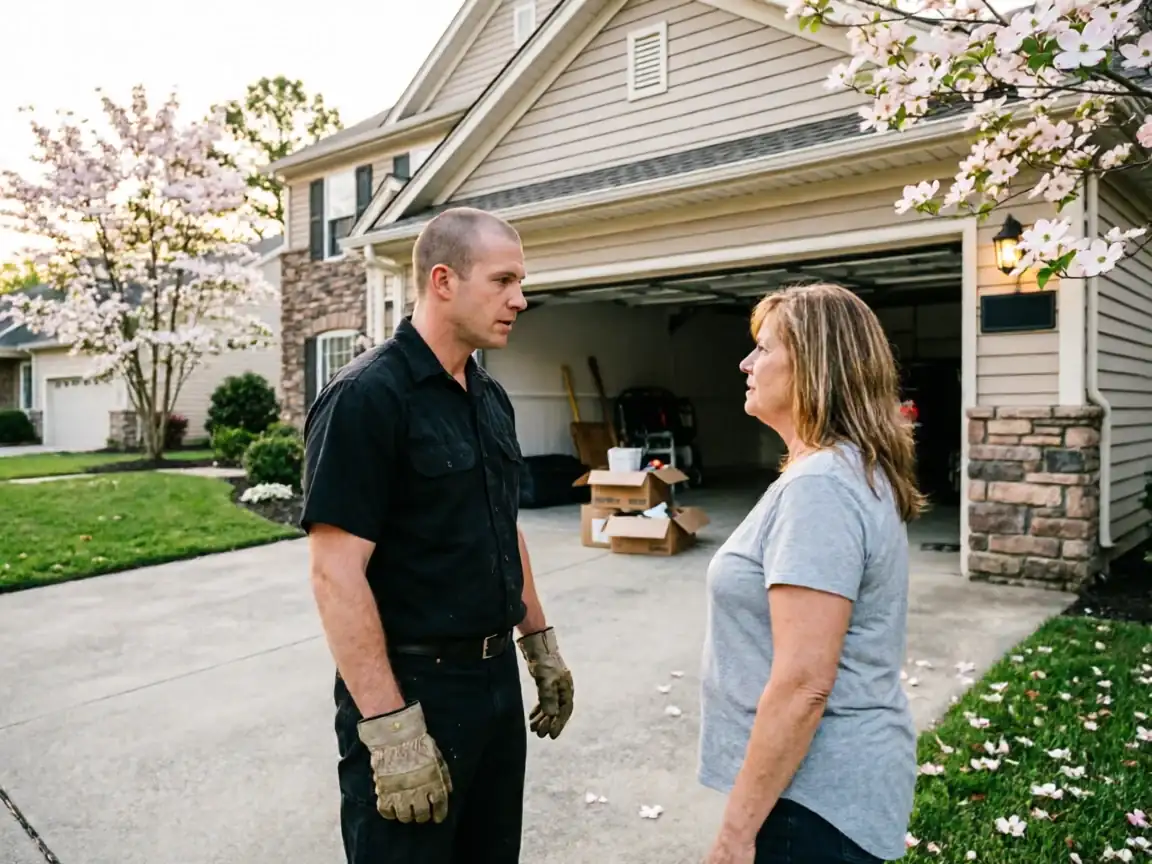
A technician in work gloves talks to a woman in a driveway in front of a house.

Clear, up-front plan

You get the fix that’s needed and what drives the cost - before any work starts.

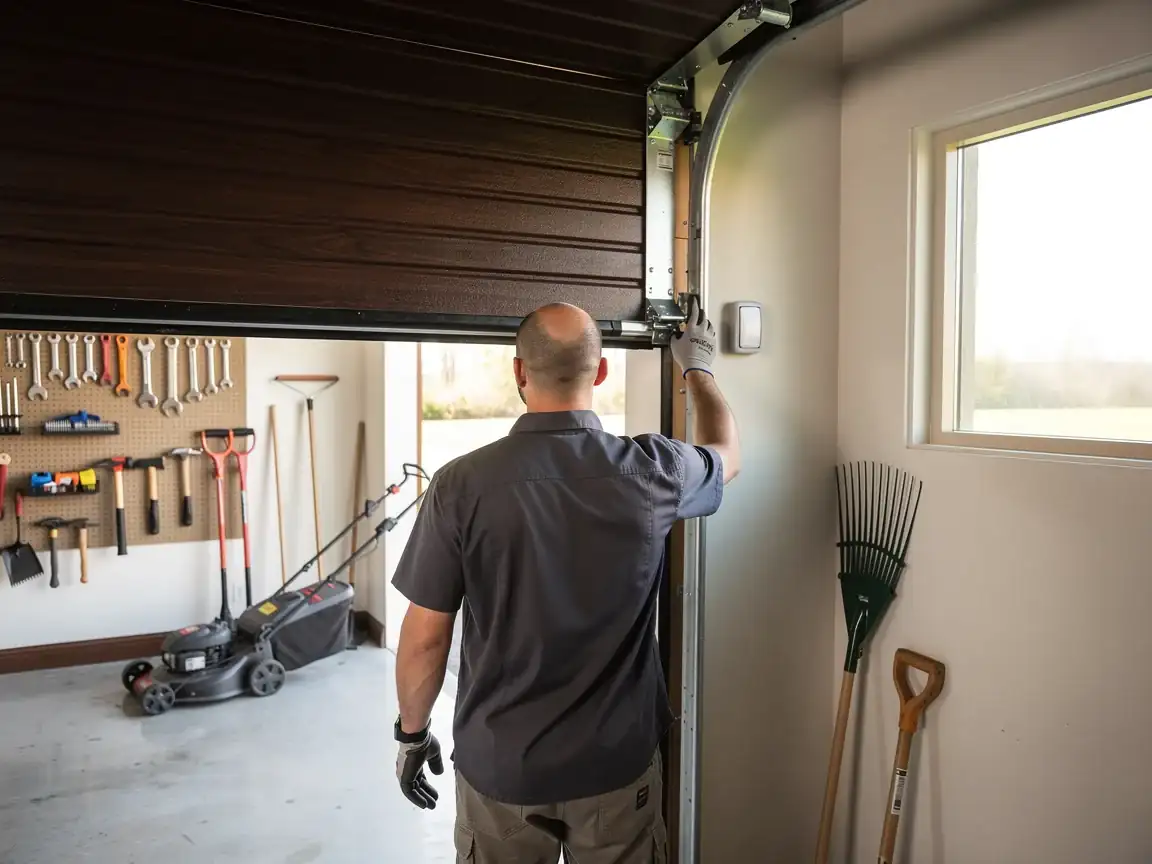
A technician adjusts the brown garage door track inside a garage.

Repaired & tested

The repair is done, the door is set true and tested, and the work area left clean.

Not sure which repair your door needs in Bowling Green, KY? Describe what it’s doing - every job starts with a diagnosis.

How we work

What to expect

Diagnosis firstEvery visit starts by finding what actually failed - not a pre-written parts list.
The right part for the doorSprings and openers matched to the door’s weight and age, so the fix holds up.
Straight answersWhen a repair makes more sense than a replacement - or the reverse - you hear it plainly.
Clean, careful workTension released safely, hardware set true, the door tested under power before we leave.
63,616Residents in Bowling Green
8Garage door services
4Neighborhoods & suburbs
KYServing Bowling Green, KY
What we do

Garage Door Services

Repair and installation work for Bowling Green homes and businesses.

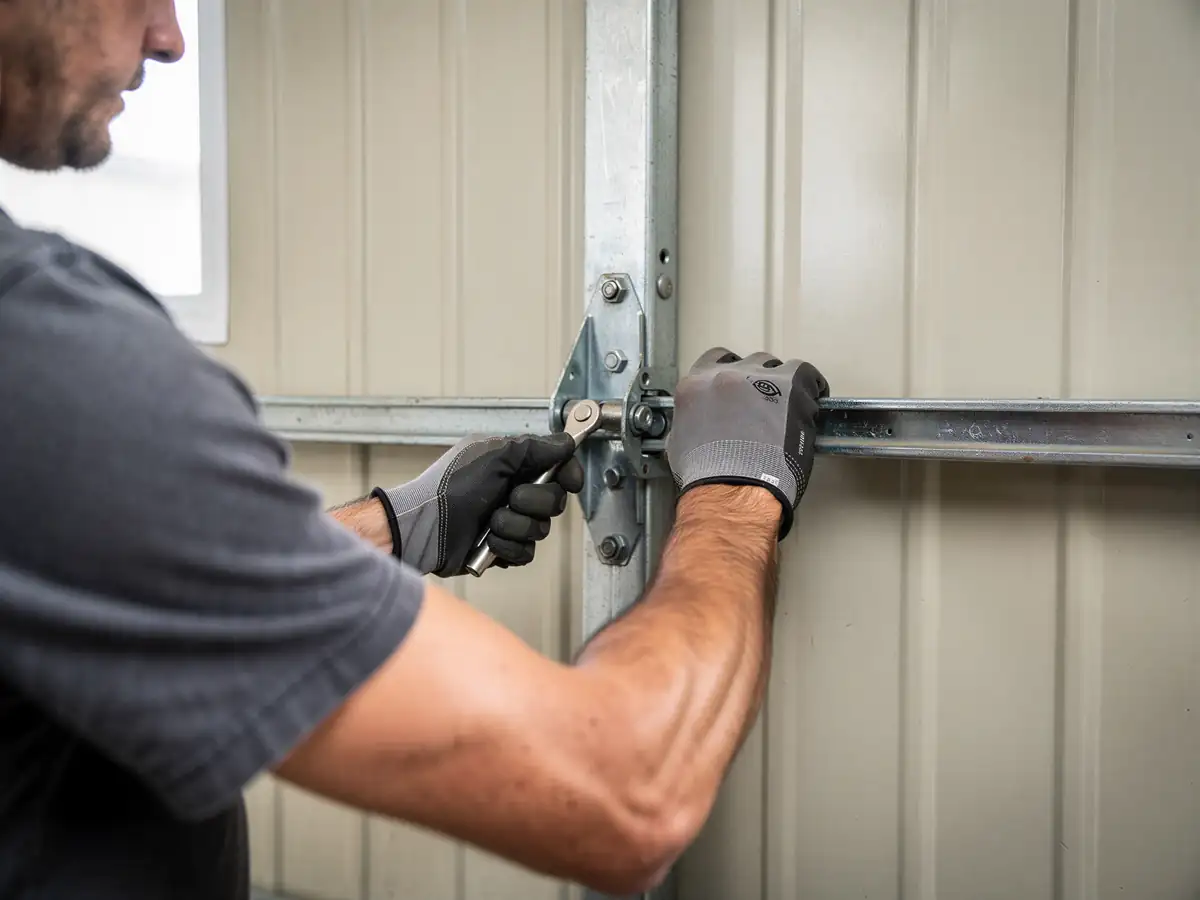
A technician in gloves tightens a bolt on a garage door hinge with a wrench.

Garage Door Repair

Garage door repair in Bowling Green, KY for houses built 1966-1982, where original torsion springs and openers are reaching the end of their rated life.

Learn more
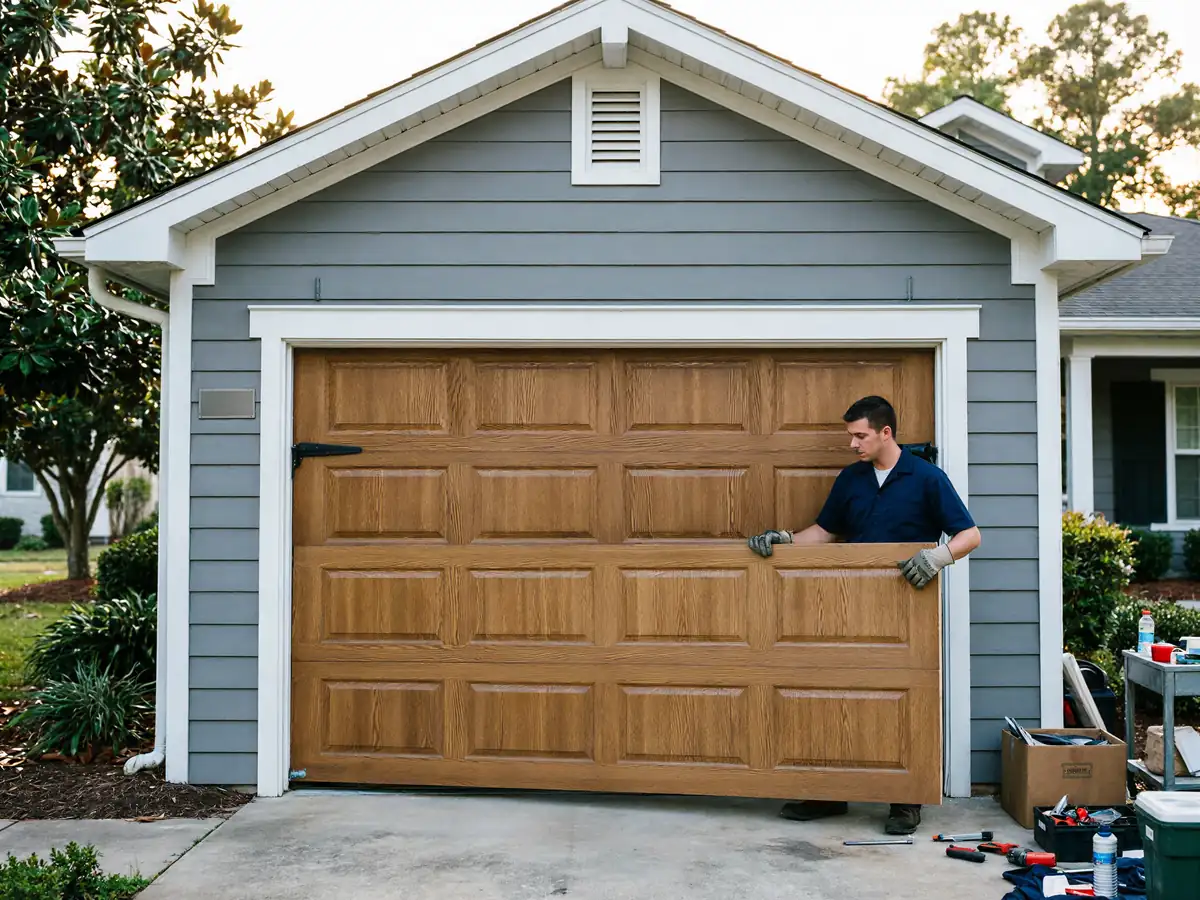
A technician installs a brown garage door on a gray house.

Garage Door Installation

Original Bowling Green homes built 1966-1982 often run original garage doors and openers. See why installation fails locally here and what it costs to fix.

Learn more
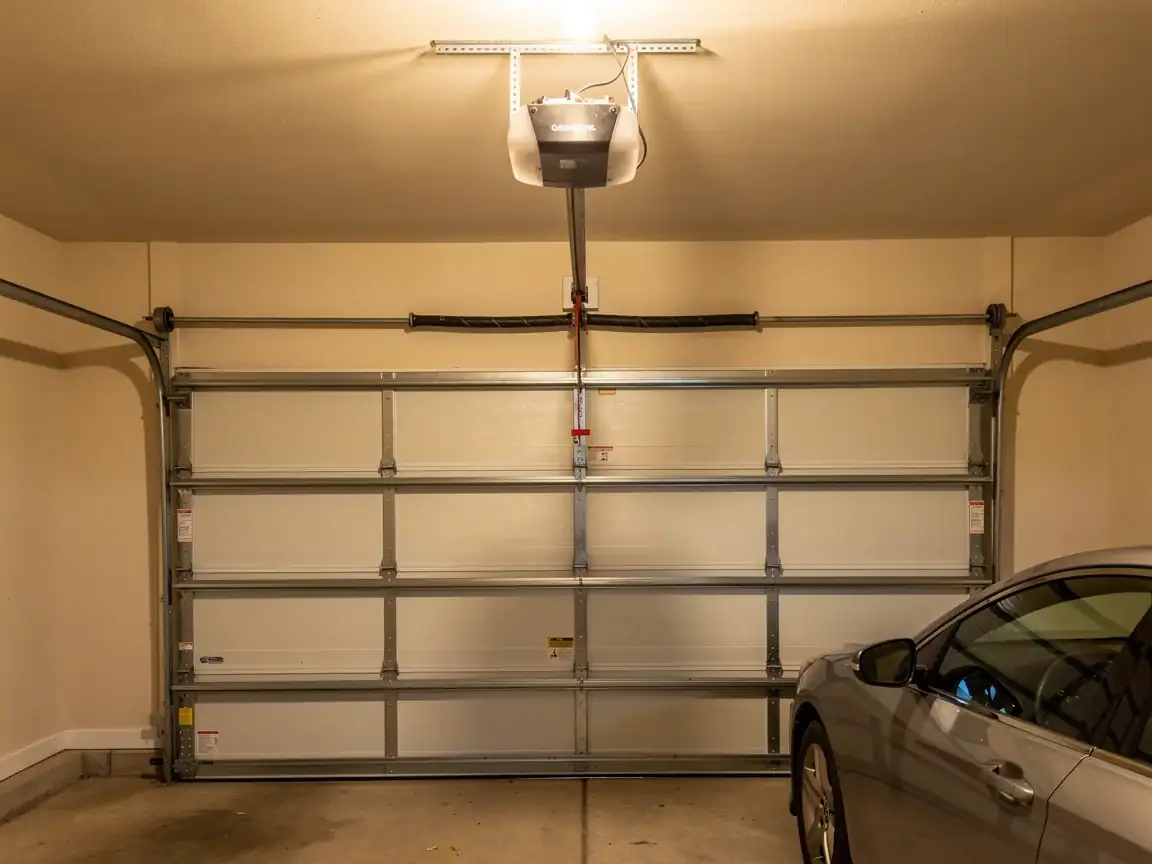
A white garage door is closed with an opener and torsion spring visible.

Garage Door Service

Garage door service built around Bowling Green's 1966-1982 housing stock and cold winters - springs, openers, and tracks that fail the way this town's houses age.

Learn more
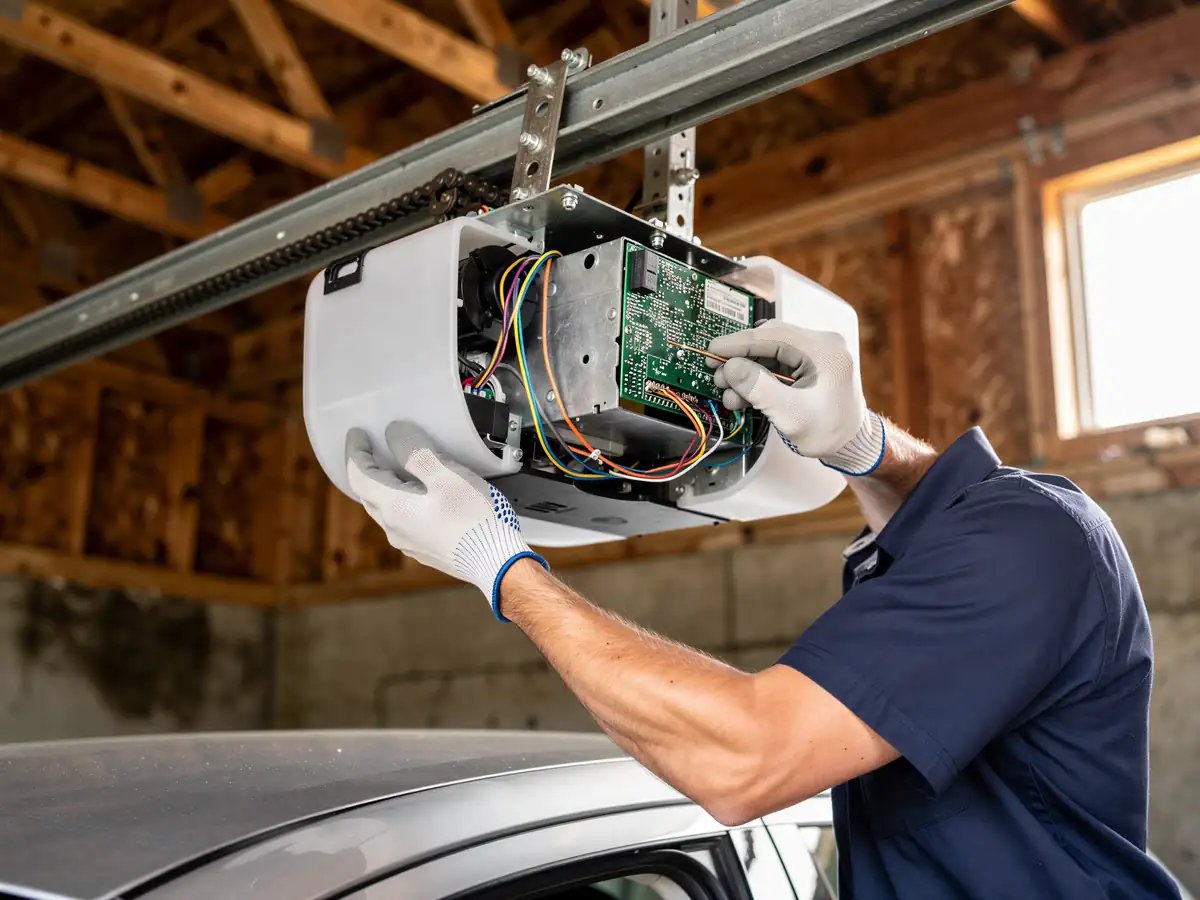
A technician in gloves repairs a garage door opener with exposed wiring.

Opener Repair

Opener repair for 1960s-70s homes across Bowling Green, Oakland, Auburn, Brownsville, and Franklin - failures often tied to original wiring and cold strain.

Learn more
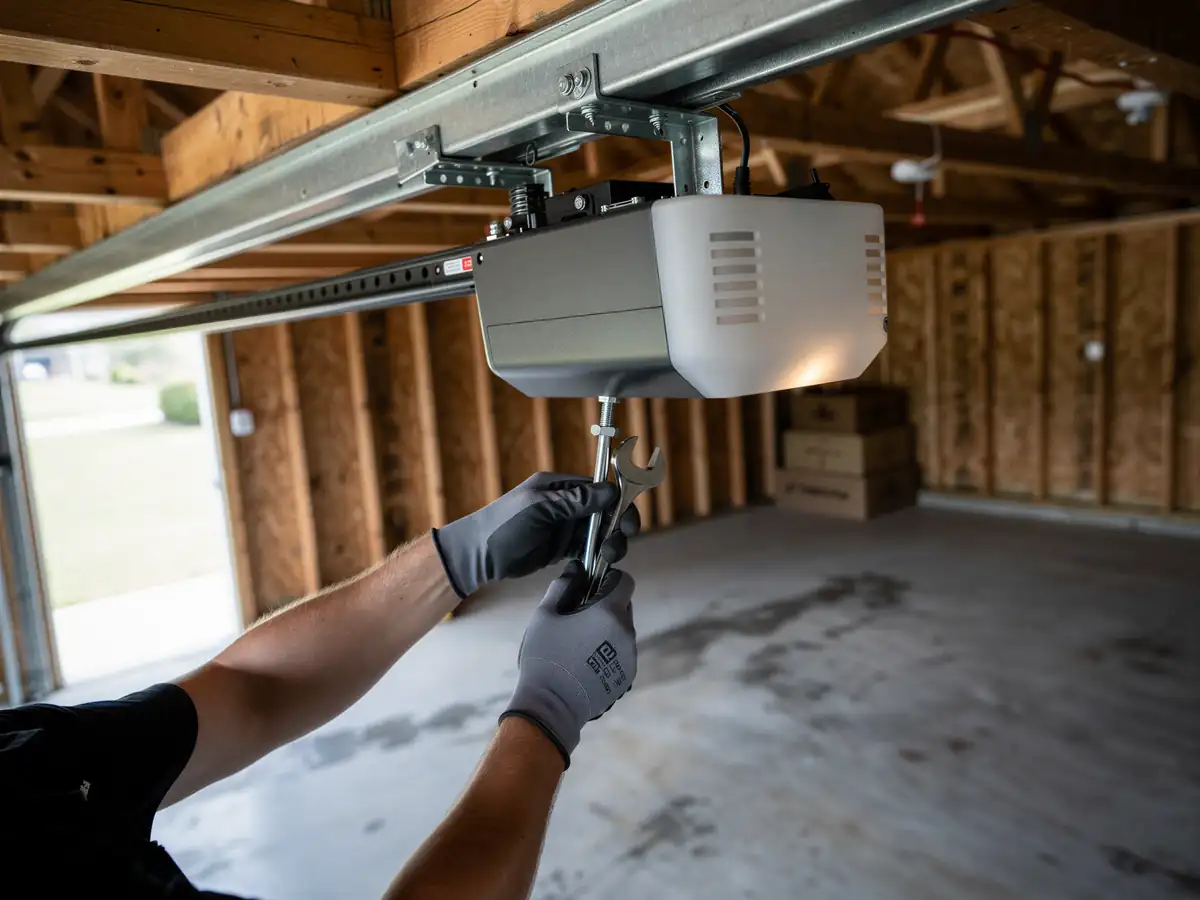
A technician in gray gloves adjusts a garage door opener with a wrench.

Opener Installation

Garage door opener installs for Bowling Green area houses built mostly between 1966-1982, where original hardware and cold-weather strain are common failure points.

Learn more
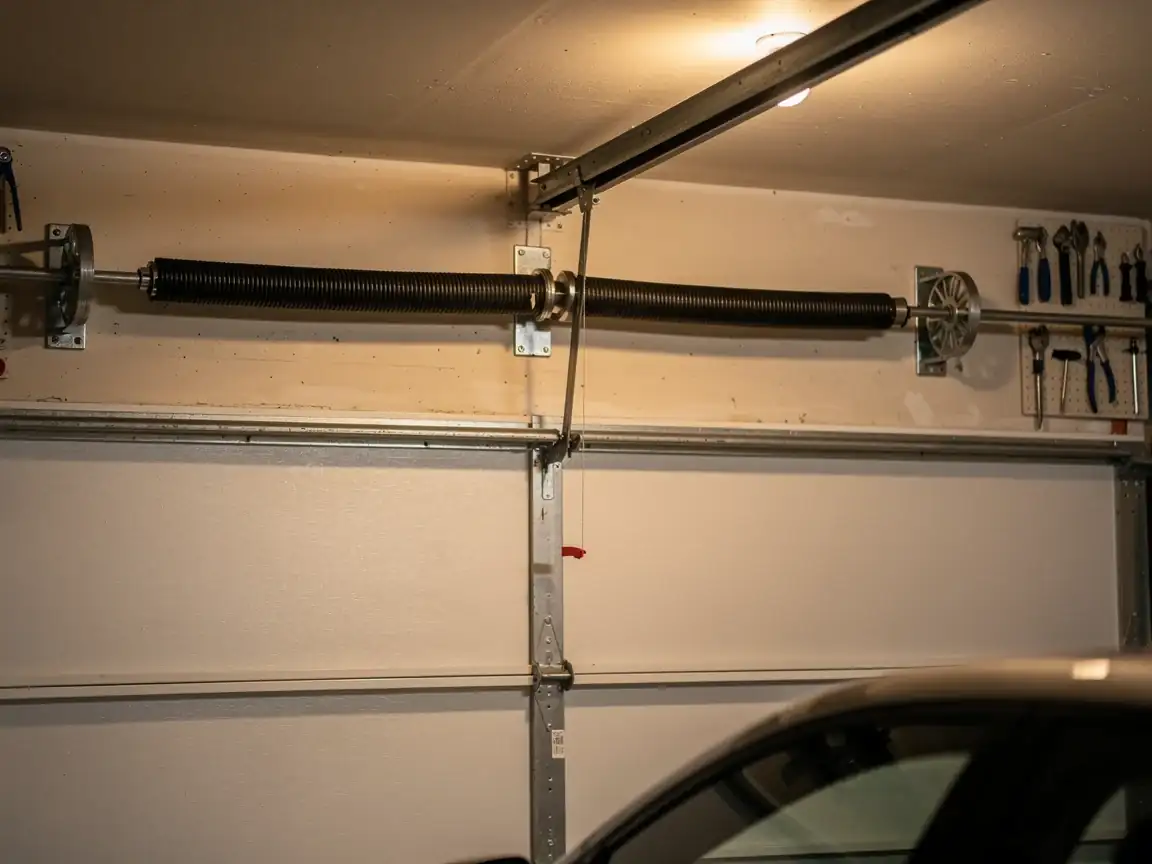
A black torsion spring is mounted above a white garage door.

Spring Repair

Torsion spring failure is common in Bowling Green's 1960s-70s housing stock and cold winters. See why it happens, what it costs, and how it shows up before the door won't move.

Learn more
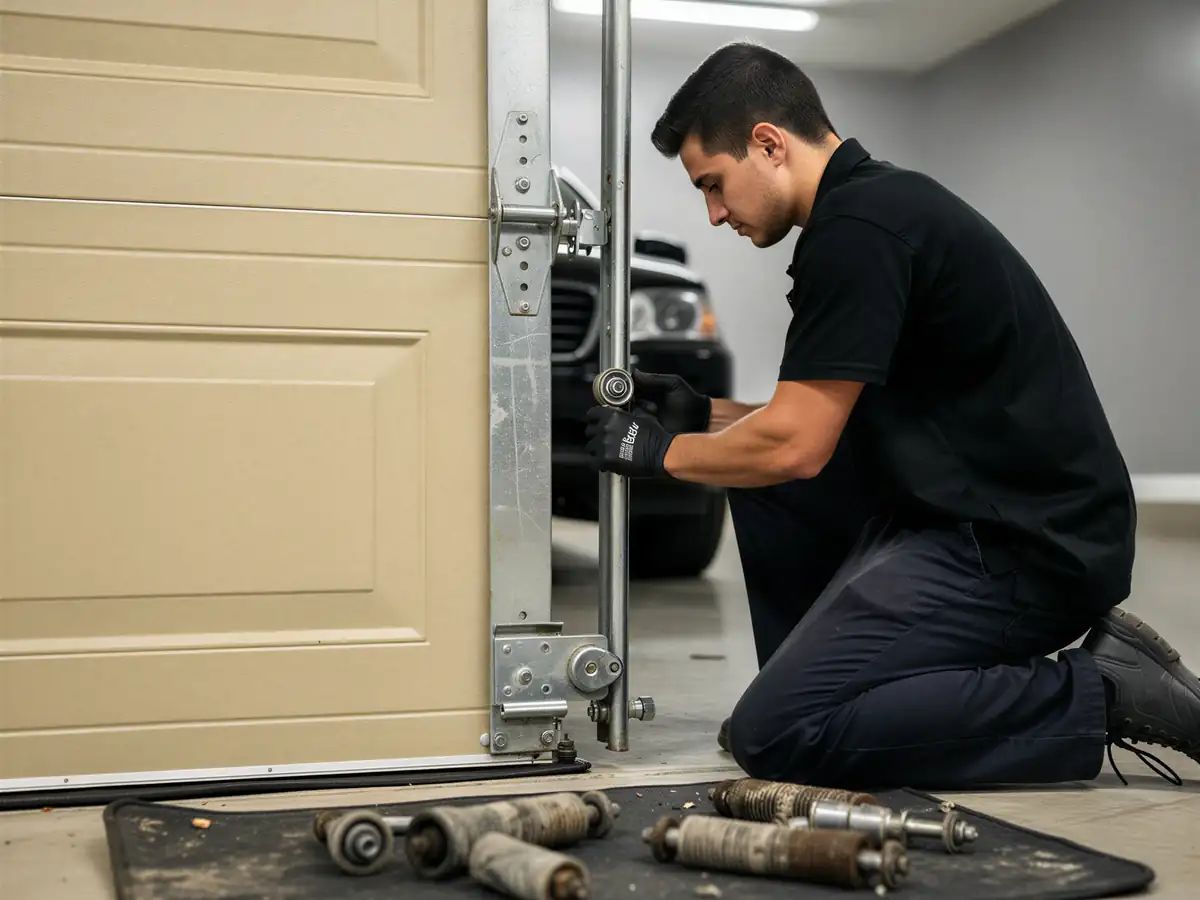
A technician installs a new roller on a beige garage door.

Roller Replacement

Garage door roller replacement for Bowling Green, KY area homes built 1966-1982, where worn nylon rollers bind, rattle, and jump the track on cold winter days.

Learn more
A technician in a blue uniform walks toward a brick house with a garage.

Emergency Garage Door Repair

Same-day emergency garage door repair across Bowling Green and the surrounding service area, built around the age and climate of the local housing stock.

Learn more
Where we work

Serving Bowling Green & nearby

Local garage door service across 4 Bowling Green-area neighborhoods and communities - is your street on the list?

4

Bowling Green-area neighborhoods & nearby communities we cover

Questions

Frequently asked

Straight answers about garage door repair in Bowling Green. Still unsure? Ask us directly.

How long does a torsion spring usually last before it breaks?

It's rated by cycle count, not calendar years, so it depends on how often the door opens and closes. In houses built in the 1966-1982 range that are common here, a lot of original springs are at or past their rated life, which is why age of the house is a better clue than age of the spring itself.

Can I replace a garage door spring myself?

We'd rather tell you straight: a torsion spring is under enough tension to cause serious injury if it's wound or unwound without the right bars and clamps. This isn't a job we'd walk a homeowner through over the phone.

Why does my spring always seem to break in winter?

Cold makes steel less flexible, and a spring that's already near the end of its cycle life has less give to work with. Combine that with moisture getting into the coil wraps over a damp season, and winter ends up being when a lot of fatigued springs finally let go.

Ready to get your garage door sorted?

Tell us what it’s doing and where you are in Bowling Green - we’ll take it from there.

Request a QuoteCall