How It Shows Up
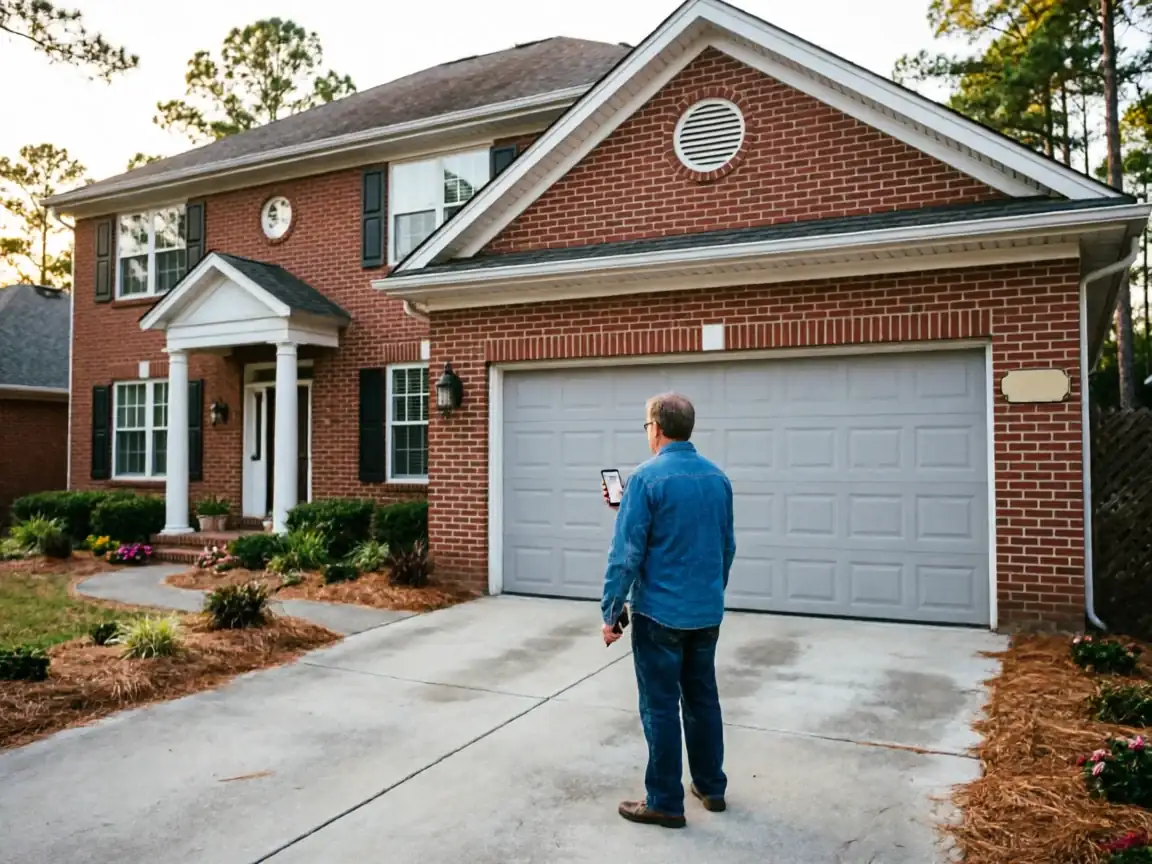
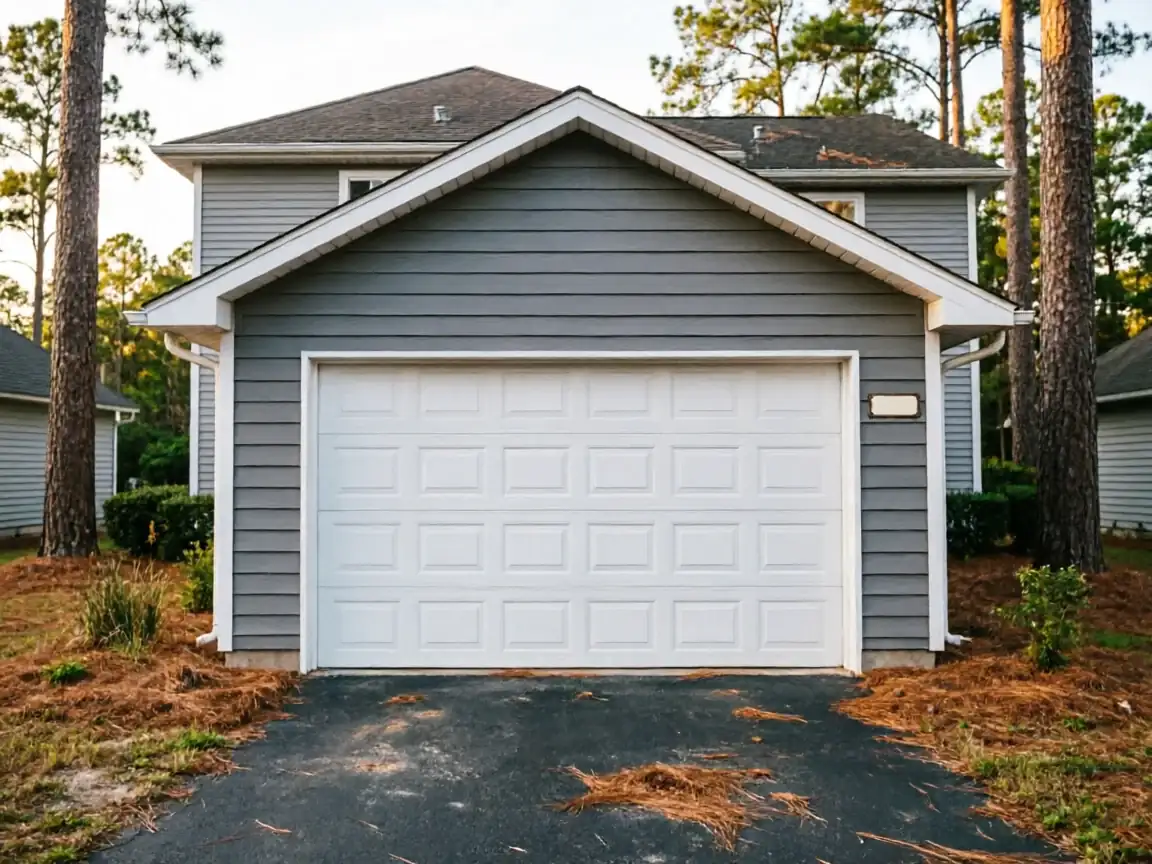
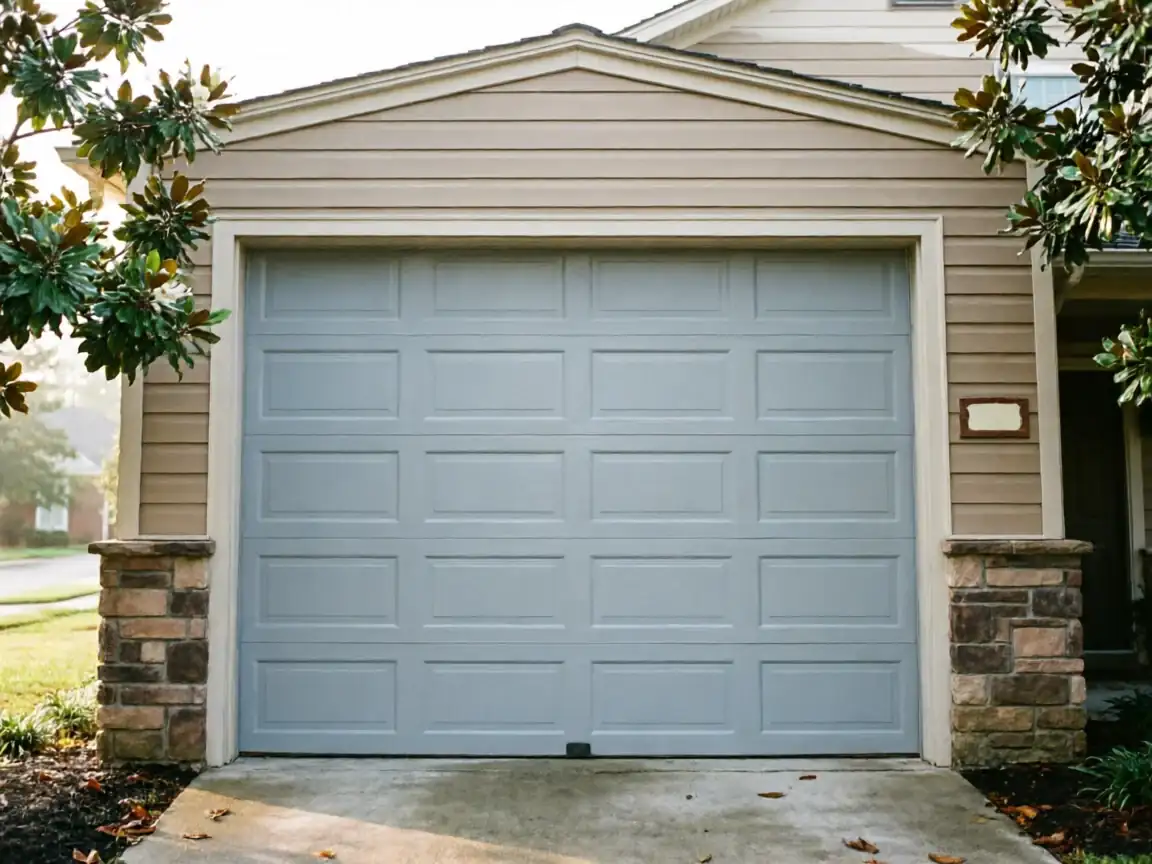
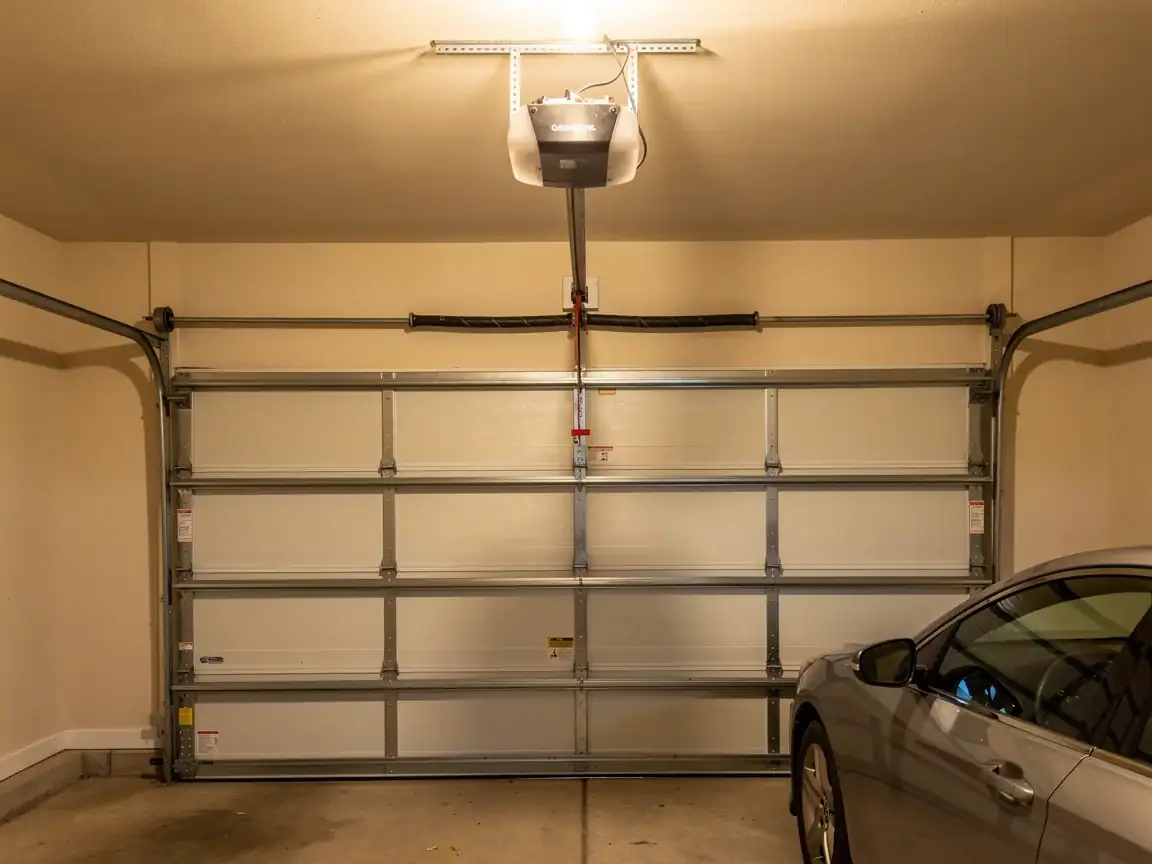
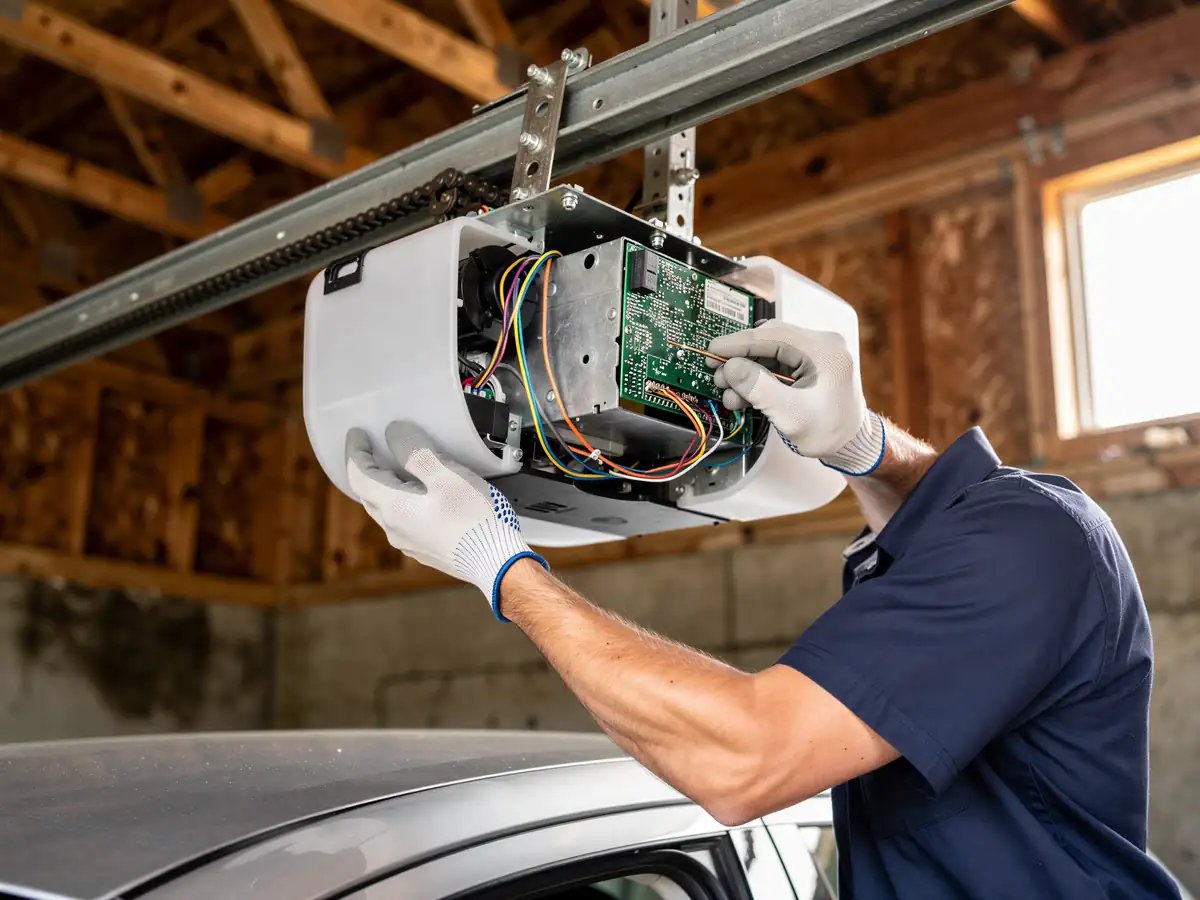
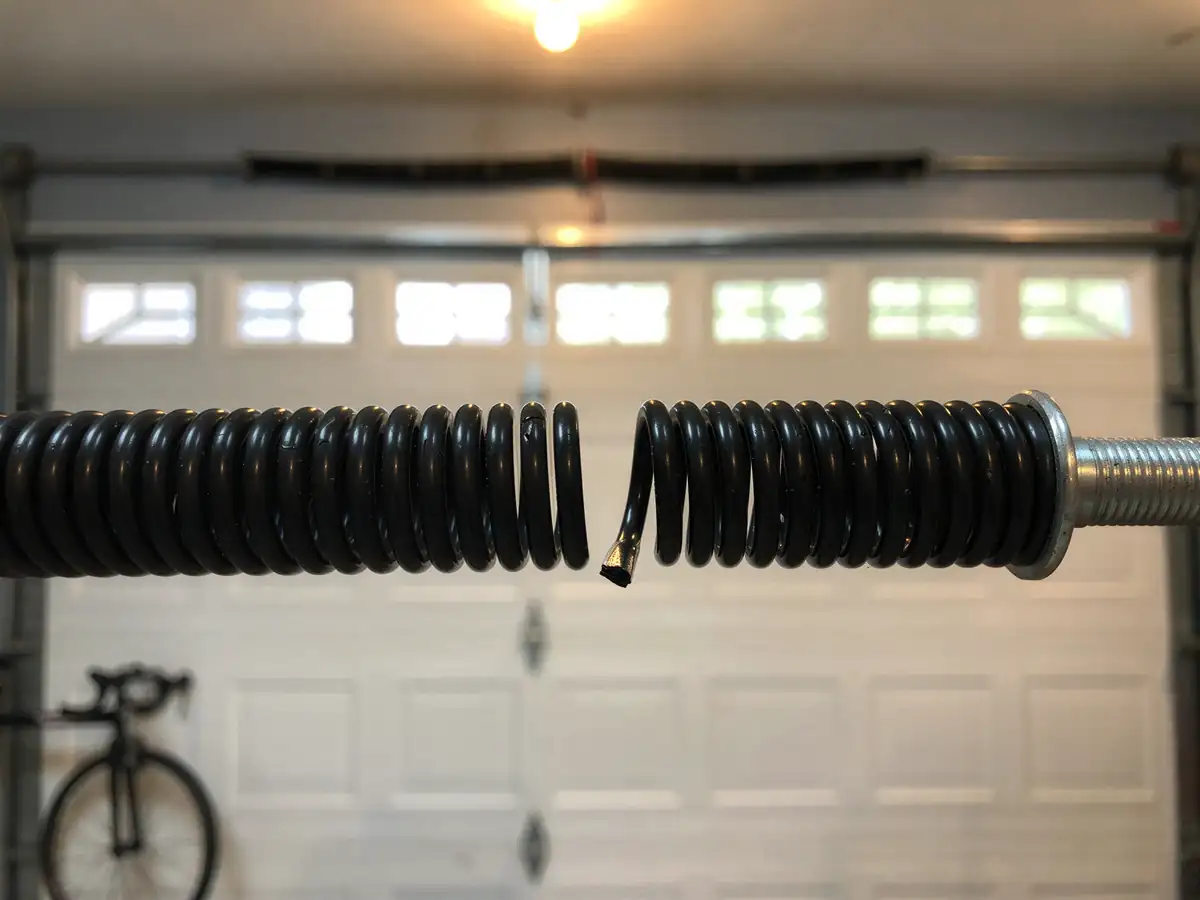
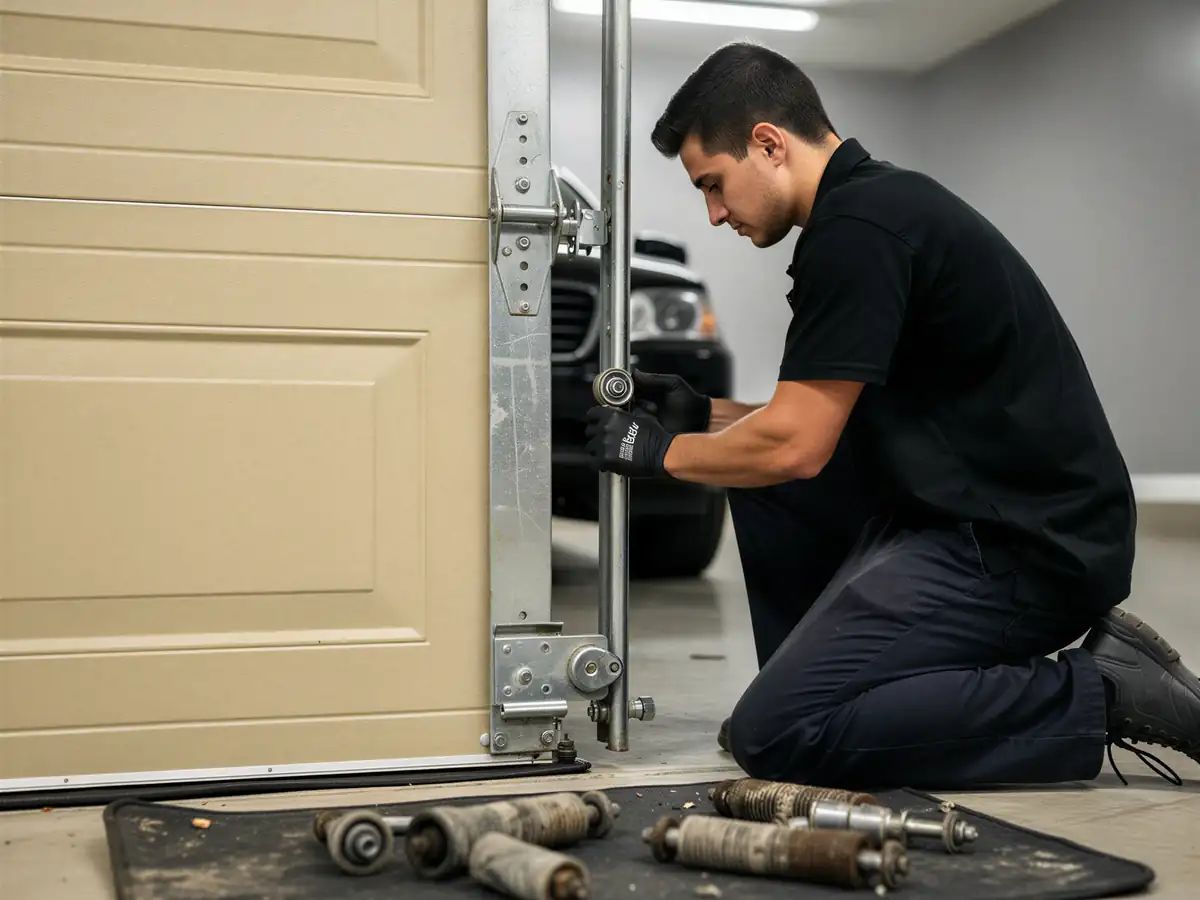
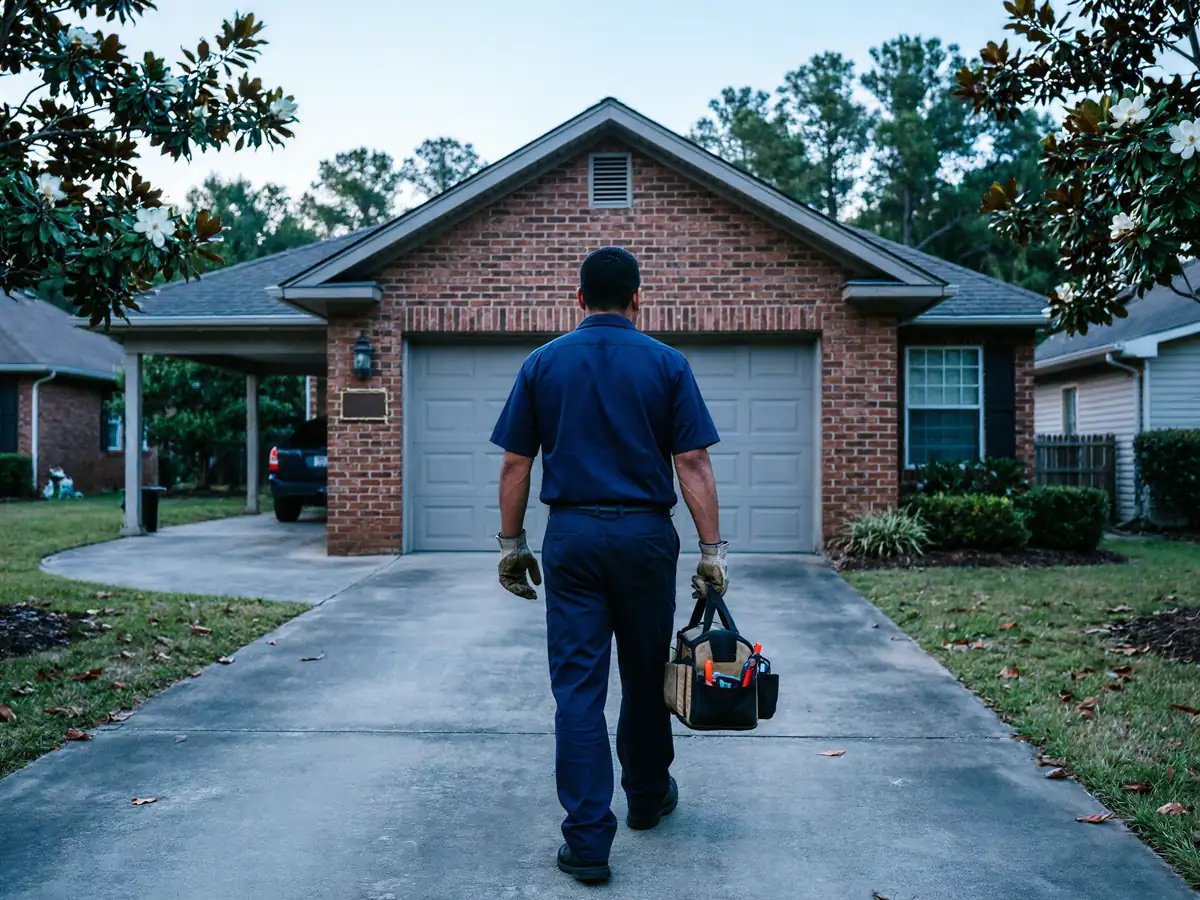
The complaint we hear most from this area isn't a dead opener - it's a new one that hums and doesn't move the door, or moves it partway and reverses. On a house built in 1976, the opener is rarely the only thing original. The spring, the hinges, and the track hardware from the same install often haven't been touched either, so a new motor gets asked to fight worn rollers and a spring that's lost tension it had decades ago. Homeowners sometimes think the new unit is defective when really it's doing exactly what an opener should do when it senses too much resistance - it stops. Flickering safety sensor lights or a door that opens but won't close all the way point the same direction: hardware older than the motor trying to drive it.
What Can Go Wrong
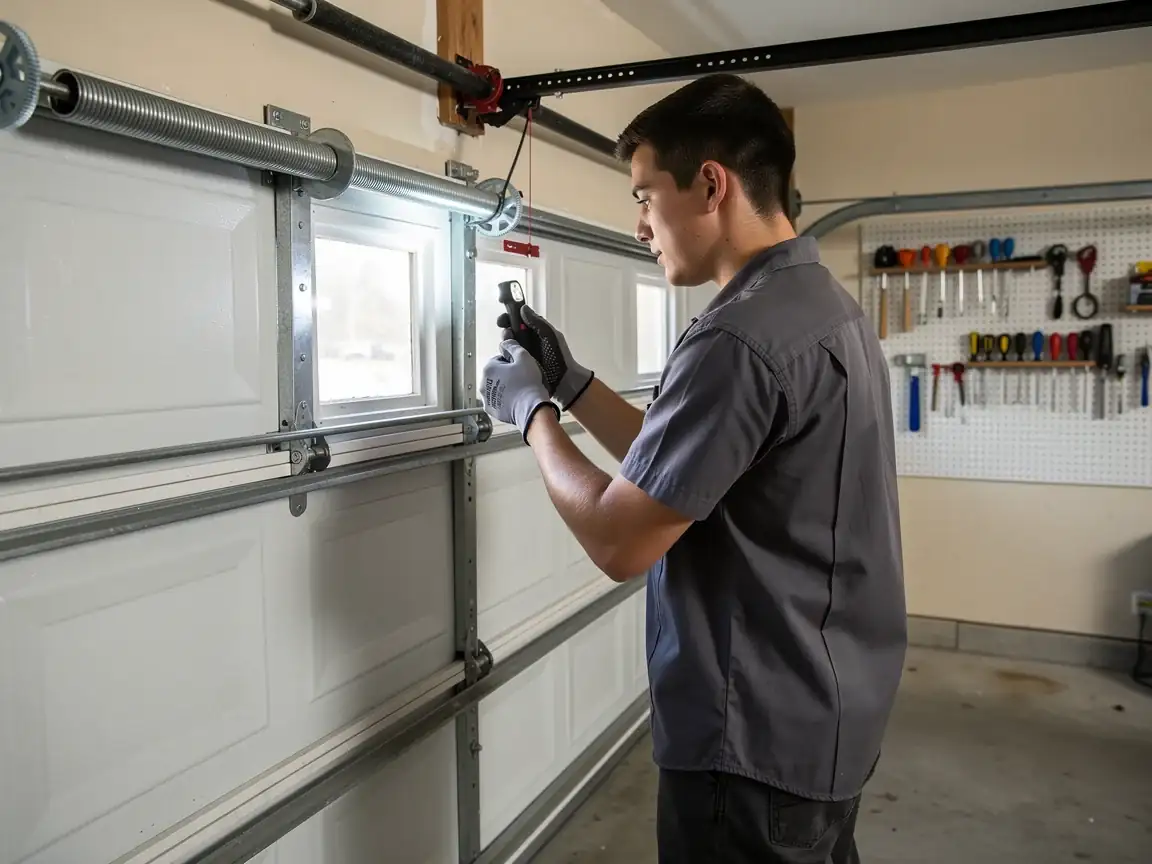
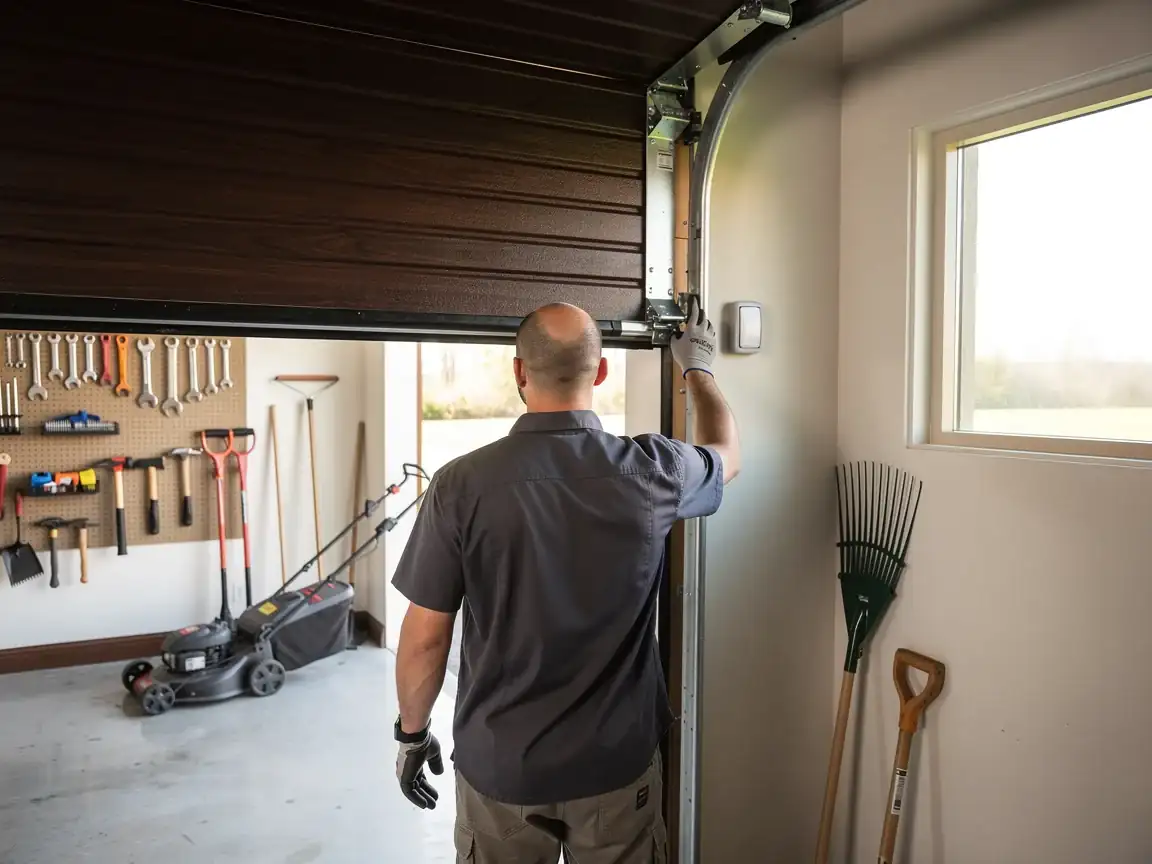
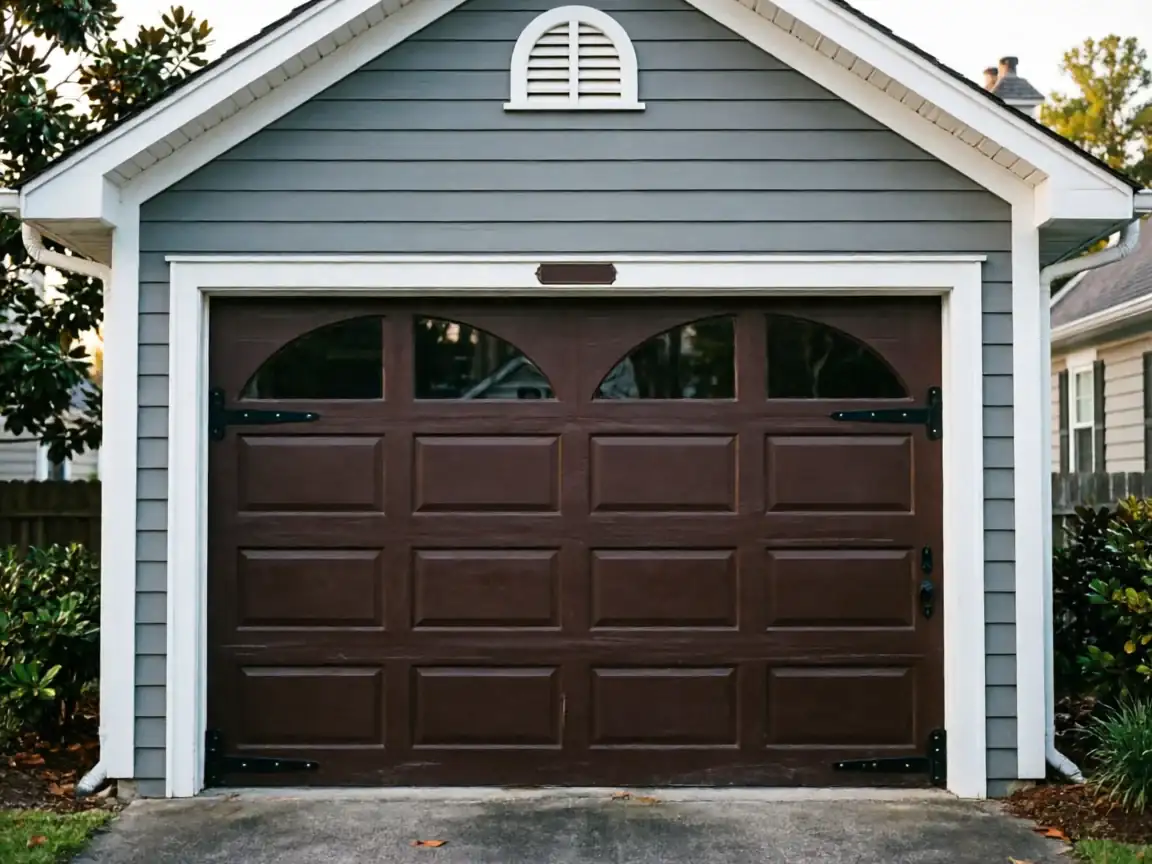
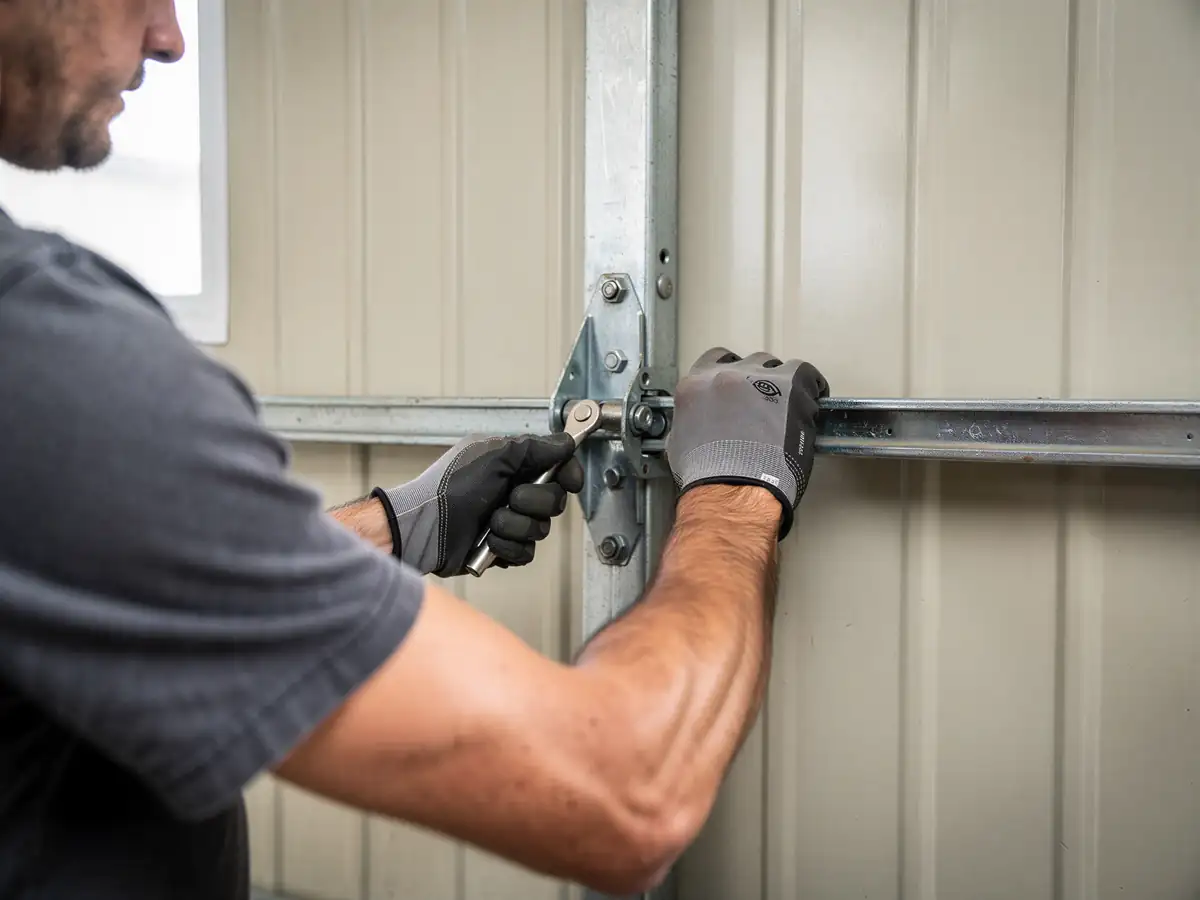
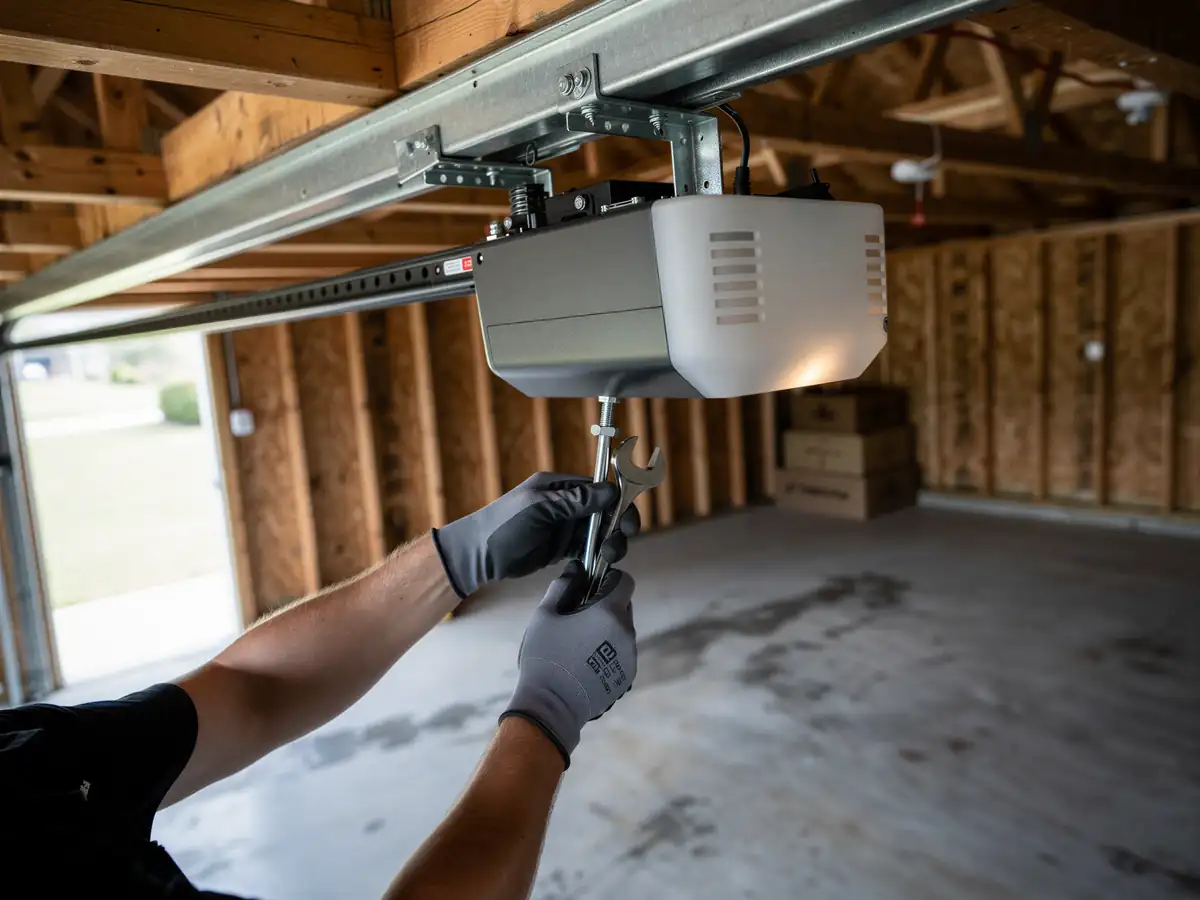
The header bracket is the first thing we check, because on a 1976 build it was sized for a lighter unit than what's typically installed today. Mount a heavier belt-drive on an undersized bracket and the vibration works it loose over months, not years. Wood jambs from that era have usually dried and shrunk, so a safety sensor bracket that looked solid when we leveled it can walk out of alignment with the first door cycle. Wide doors from this period sometimes lack the horizontal strut a modern opener expects for even load across the top panel - skip that and the door can bow under force. None of this means the door needs replacing. It means the install plan has to account for what's actually up there before the new opener goes on, not after it starts acting up.
Why This Fails Locally
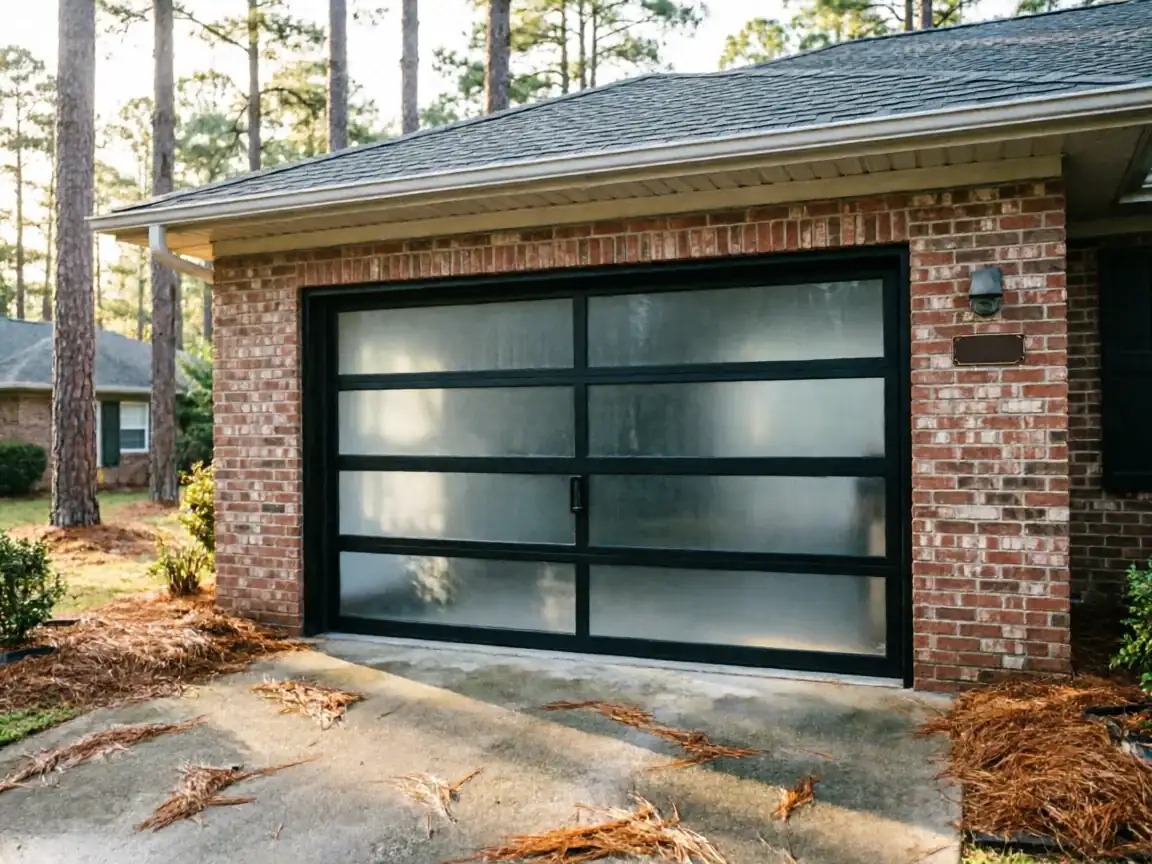
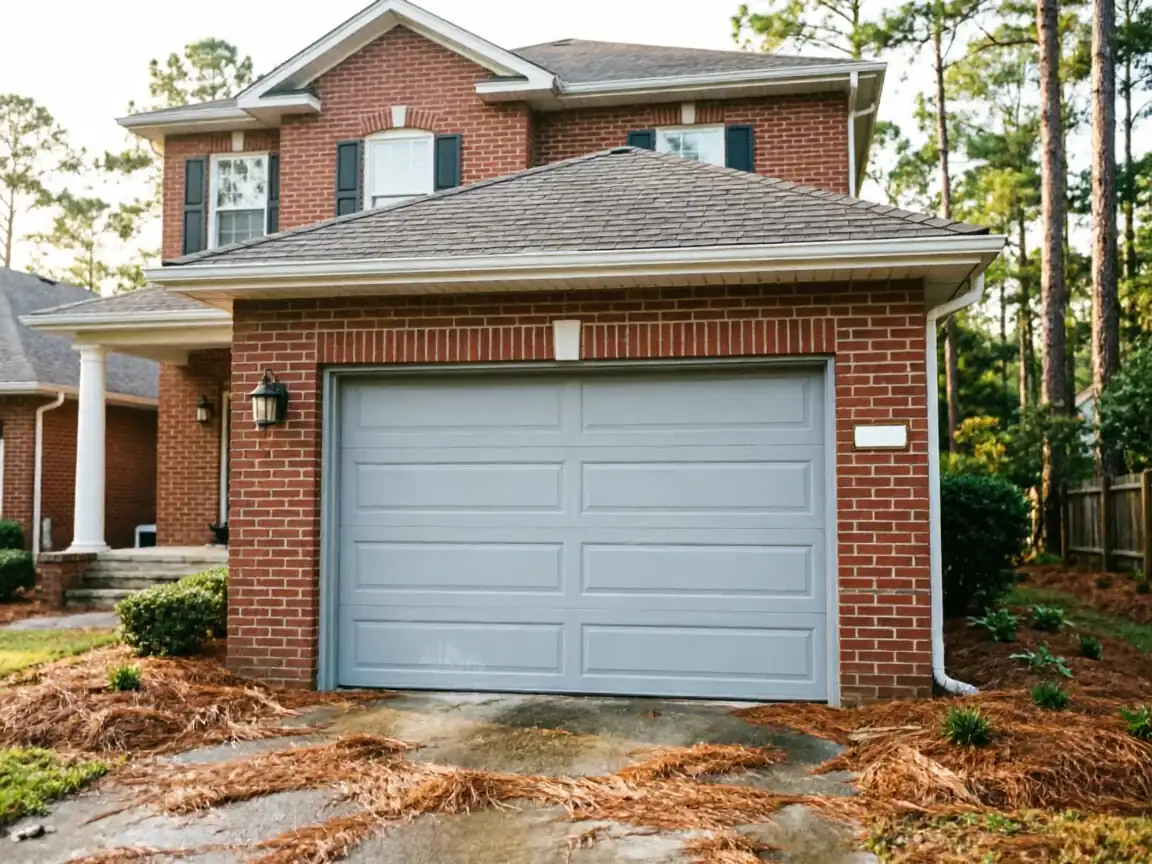
Housing in the wider service area mostly dates to the 1960s and 70s, and Oakland sits right in that window at 1976. With cold winters common to this part of the state, wood jambs and headers from that era swell and shrink enough across a season to throw off a new opener's travel limits even after a clean install - something a homeowner two states south wouldn't run into. Oakland is a small place, 109 households by our count, and that size means a parts counter isn't going to carry the specific 1970s-era bracket or rail hanger on the shelf; we bring what we expect to need based on the build year. None of this is unique to one house - it's the pattern across homes built when Oakland's garages went up, and it's why a generic opener swap plan doesn't hold here the way it might on a newer build.