Season by Season
Most of the houses we work on in this service area went up between 1966 and 1982
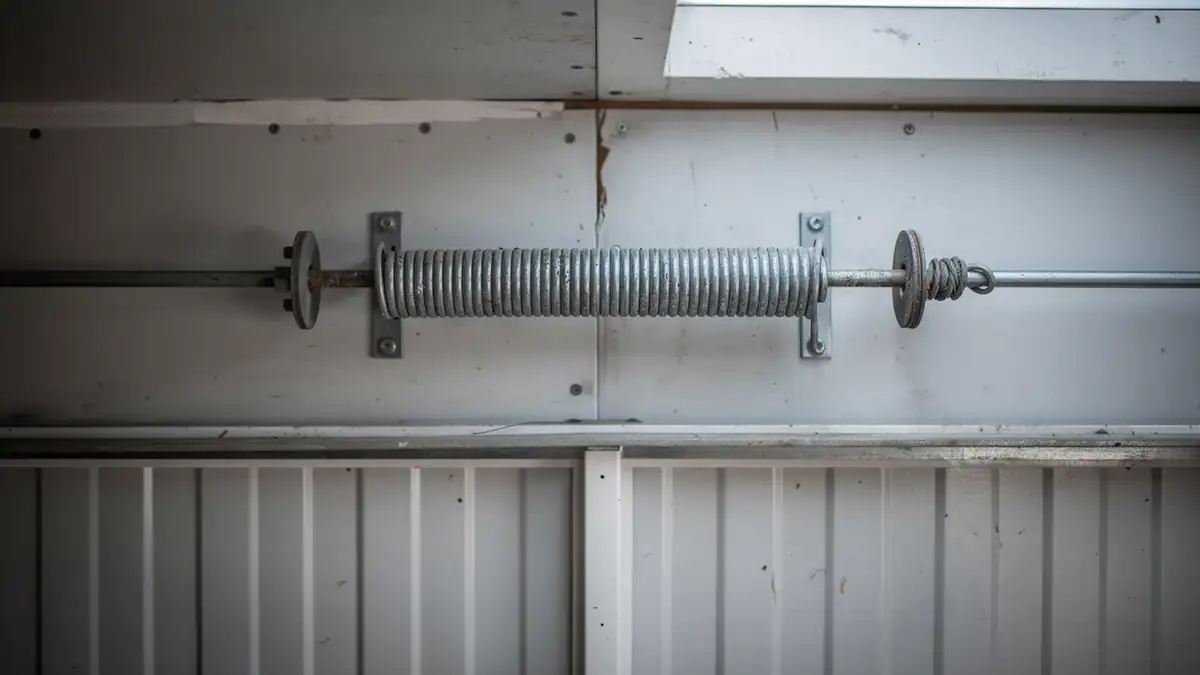
That's the median build year across the four named communities we cover. A door that old has been through forty-some winters of steel contracting and forty-some summers of it expanding again, and that cycle is what wears a torsion spring out long before anyone notices a crack or a dent.
In a cold-moderate climate band like this one
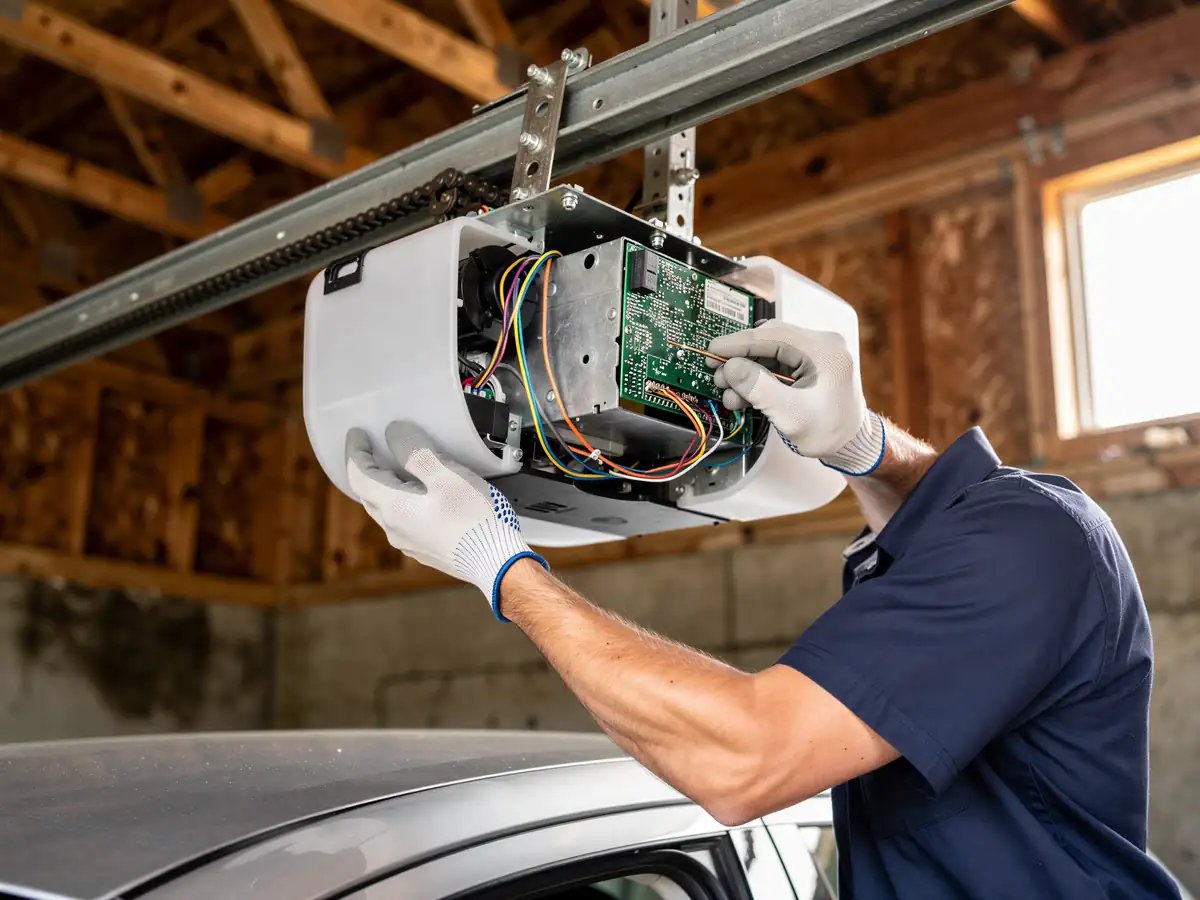
The swing matters more than the low temperature itself. A spring that's fine at 50 degrees can bind or snap outright the first hard cold morning, because the steel has lost a little give every year since 1975 or so, which is roughly the midpoint of when this housing stock was built. Summer does its own damage - heat softens old lubricant into something closer to paste, and that thickened grease is what makes an opener strain on a track it used to run smooth on.
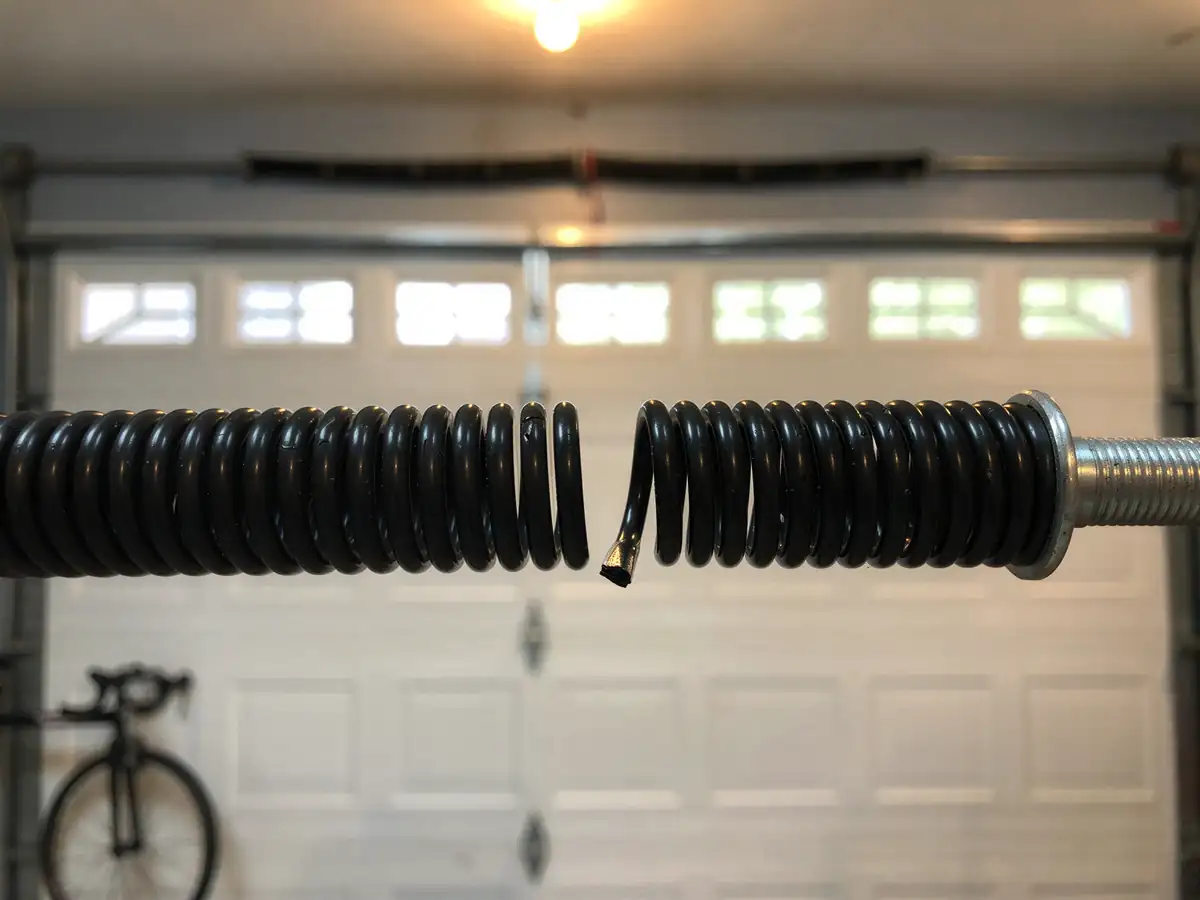
When it's a spring that goes in cold weather, you'll usually hear it before you see it
A loud bang from the garage, then a door that won't move or moves unevenly. That's not a coincidence tied to temperature; it's decades of metal fatigue finally giving out on a cold morning.
When It Stops Being a DIY Job
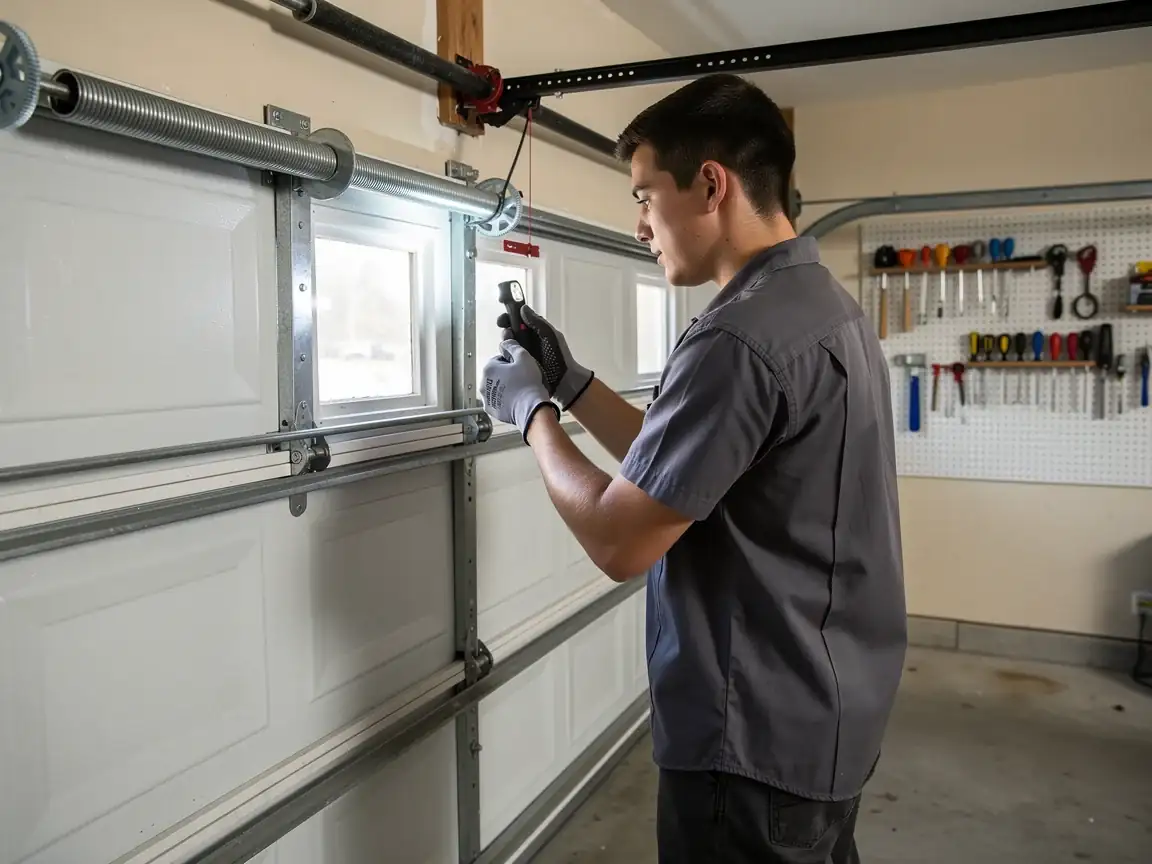
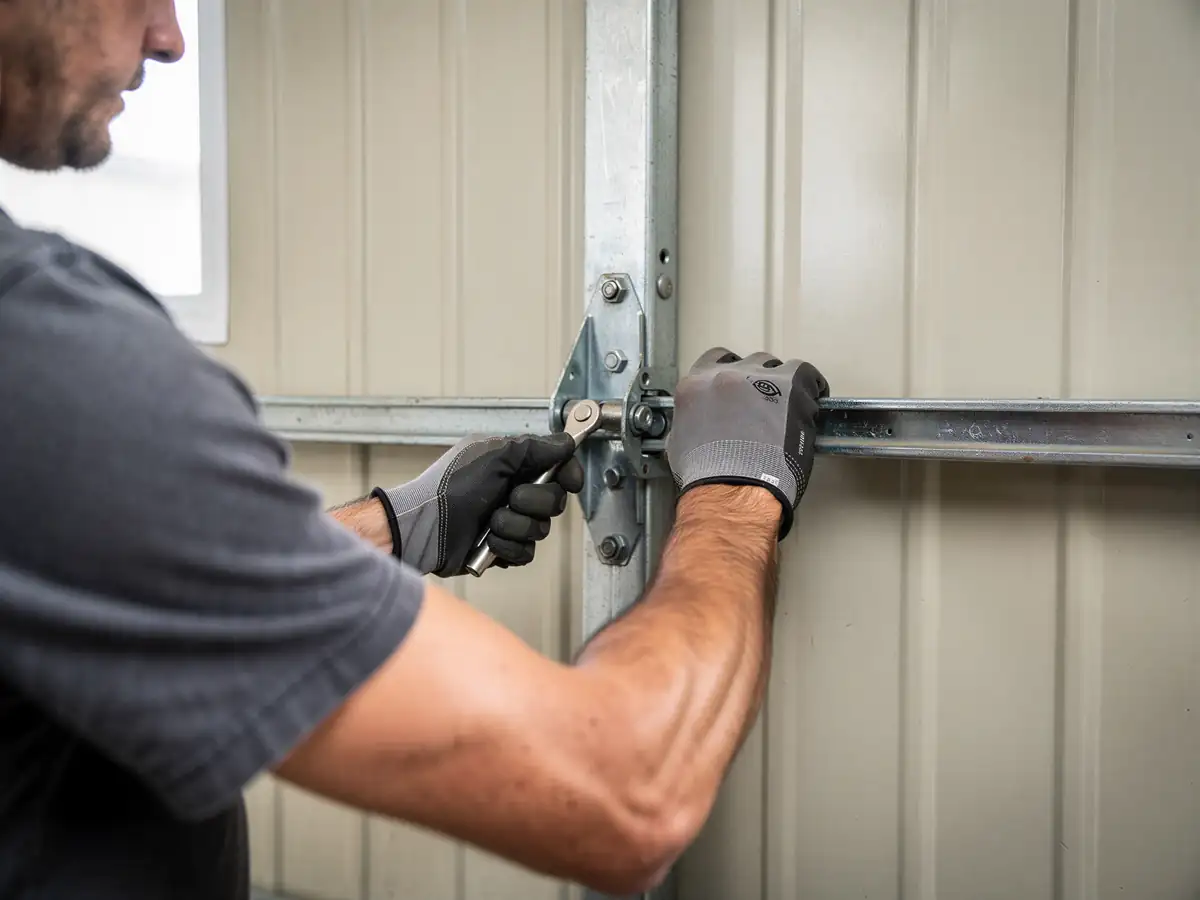
The median household income across this service area sits at $46,071, and we get why a lot of owners want to try the fix themselves before calling anyone. A loose track bracket or a dirty sensor - fine, that's a Saturday job. A torsion spring under tension on a door built in the 1966-1982 window is not. That spring is holding more force than most people expect, and on hardware that old, the mounting cone or the shaft it's wound on may already be worn past where a tutorial video accounts for.
Across the roughly 4,889 households and 2,306 owner-occupied houses in this area, the calls we get where someone already started the job and stopped are almost always torsion springs or cables. That's the line. If the door won't budge and there's a spring involved, that's a call, not a project.
Here's the honest part: if your door is from that original 1966-1982 build and it's already had one spring replacement plus track work, a second round of patch repairs often costs more over a few years than replacing the door and opener together. We'll tell you that straight rather than keep billing you for parts on a door that's done.
What Is Going On
The mechanics are simple once you see them. Cold steel contracts - that's basic physics - and a torsion spring that's already decades old has less margin to absorb that contraction than one installed last year. On houses built in the 1966-1982 window, which covers most of the stock across this area's four named communities, the original hardware was never designed for a fifty-year service life. Galvanizing wears thin, cables fray at the drum, and rollers that were steel to start with develop flat spots.
Add a cold-moderate climate to that and you get a specific failure pattern: doors that worked fine in October start binding by January, not because anything broke overnight, but because the slack that used to exist in the system is gone. The track bolts loosen with repeated thermal cycling, the door racks slightly in the opening, and the opener motor works harder to pull it the last foot before it either stalls or the spring goes.
This isn't a problem unique to one house - it's a pattern that shows up across most of the older stock here, because the build era and the climate are the same for nearly every door we look at.
What Local Conditions Do
This area's climate band is cold-moderate
Which means real freeze-thaw cycles rather than deep sustained cold or none at all - the kind of swing that stresses metal hardware more than a steady temperature would, hot or cold. That's the backdrop for every door built in the 1966-1982 era that's still running on its original torsion spring.
The service area itself spans out toward Oakland (12 miles), Auburn (17 miles), Brownsville (18 miles), and Franklin (19 miles), and the housing stock doesn't change much as you move between them - it's the same 1960s-70s build pattern across all four
That consistency is actually useful: a spring or track problem on a door near Franklin behaves the same way, on the same schedule, as one twelve miles away near Oakland, because they were built in the same window and sit in the same climate.
What that means in practice is less guesswork, not more
We're not troubleshooting a one-off; we're looking at the same hardware aging the same way across roughly 2,306 owner-occupied houses, which is why the seasonal pattern holds up house after house.
- 2,306 owner-occupied