
How That Shows Up in the Door
The median home in Auburn went up in 1966
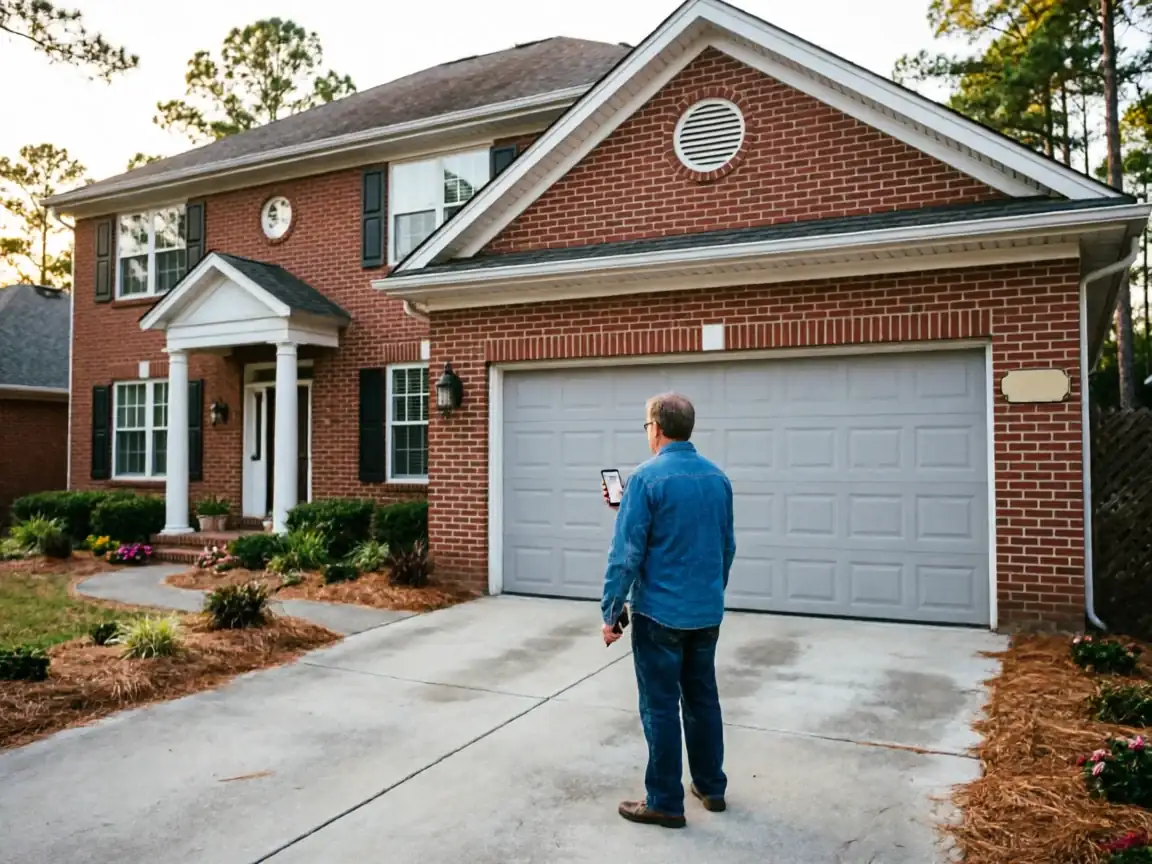
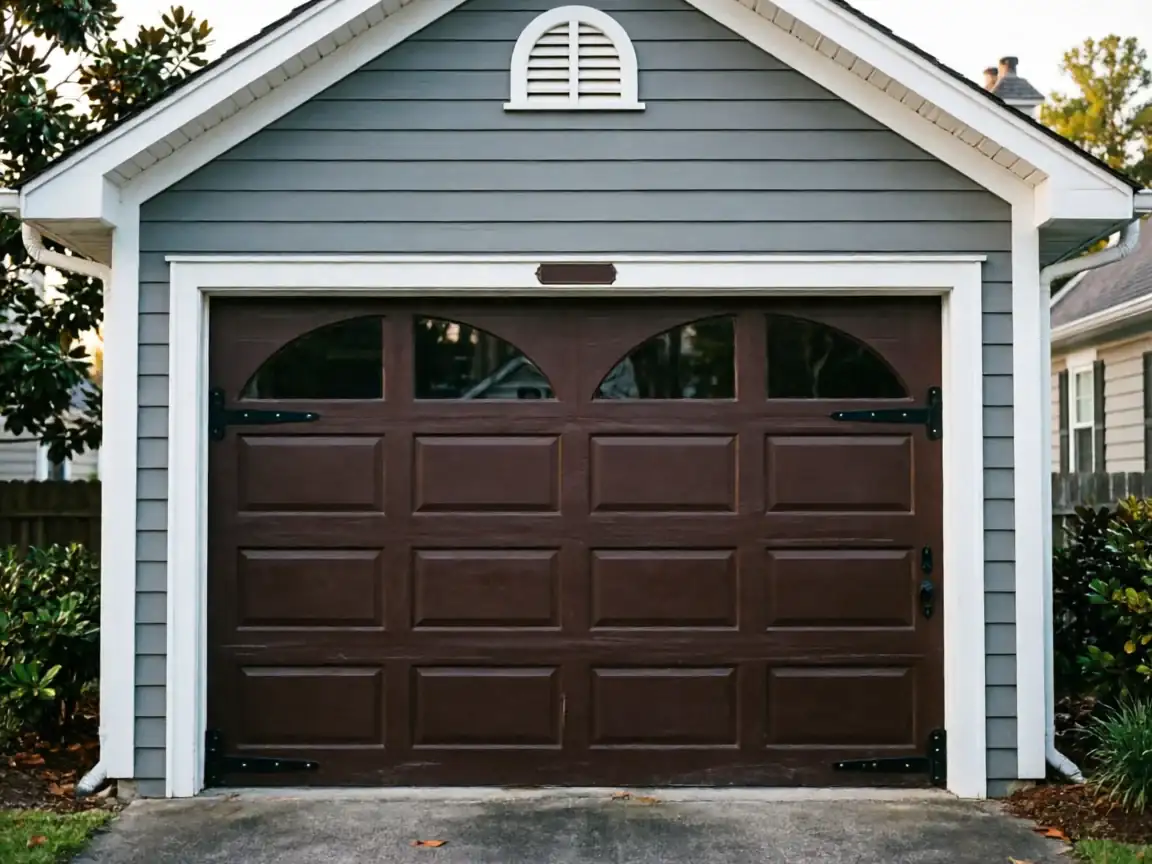
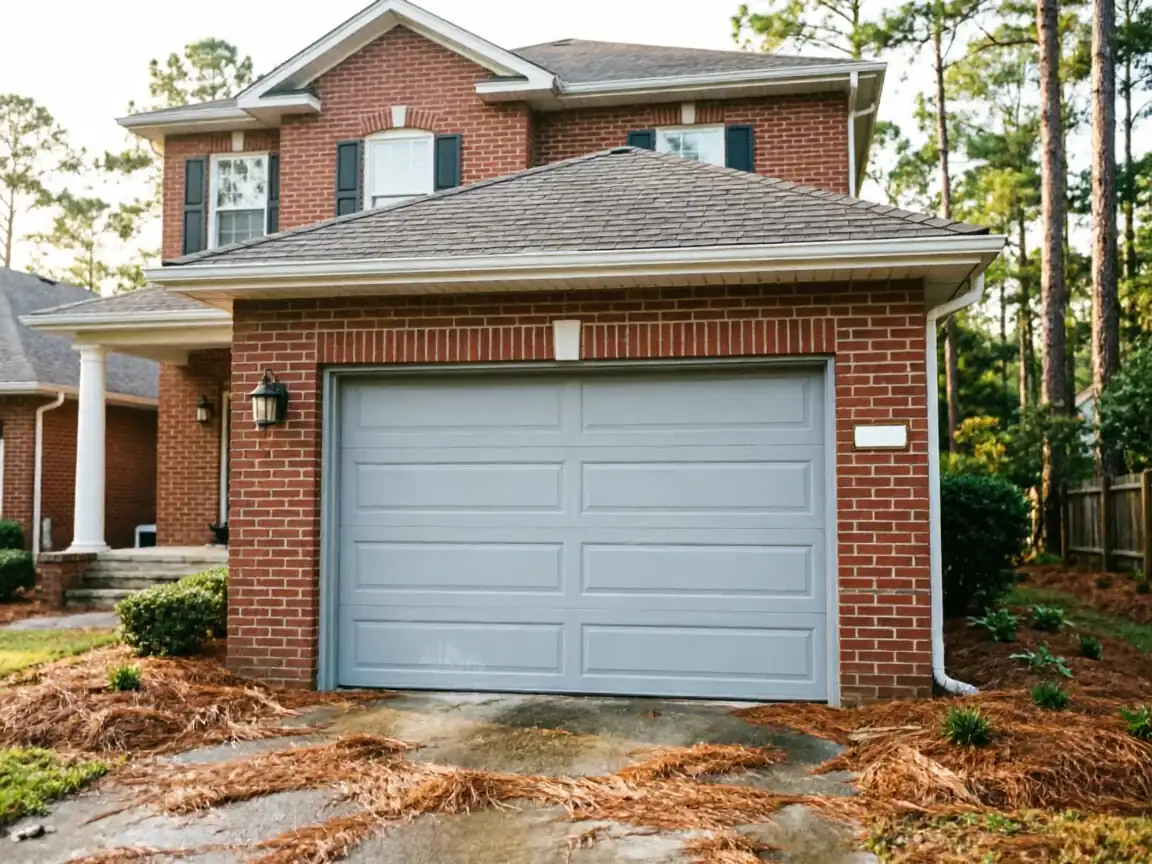
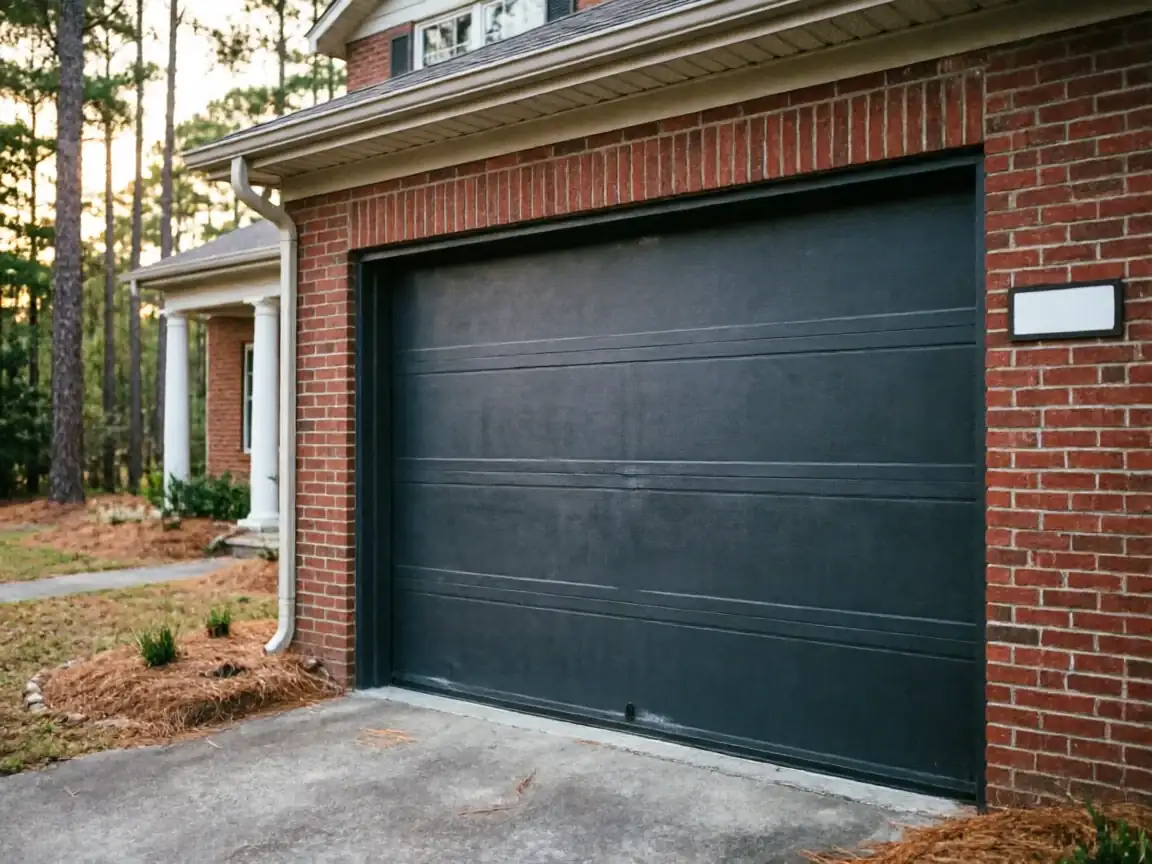
A decade or more ahead of the 1975 median that the rest of our coverage area pulls toward. That matters more than it sounds like it should. A house built in 1966 was likely fitted with a heavier, early-sectional steel door or a one-piece slab, hung on torsion hardware sized for that extra weight. A lot of that original hardware is still on the house.
What we see on these calls
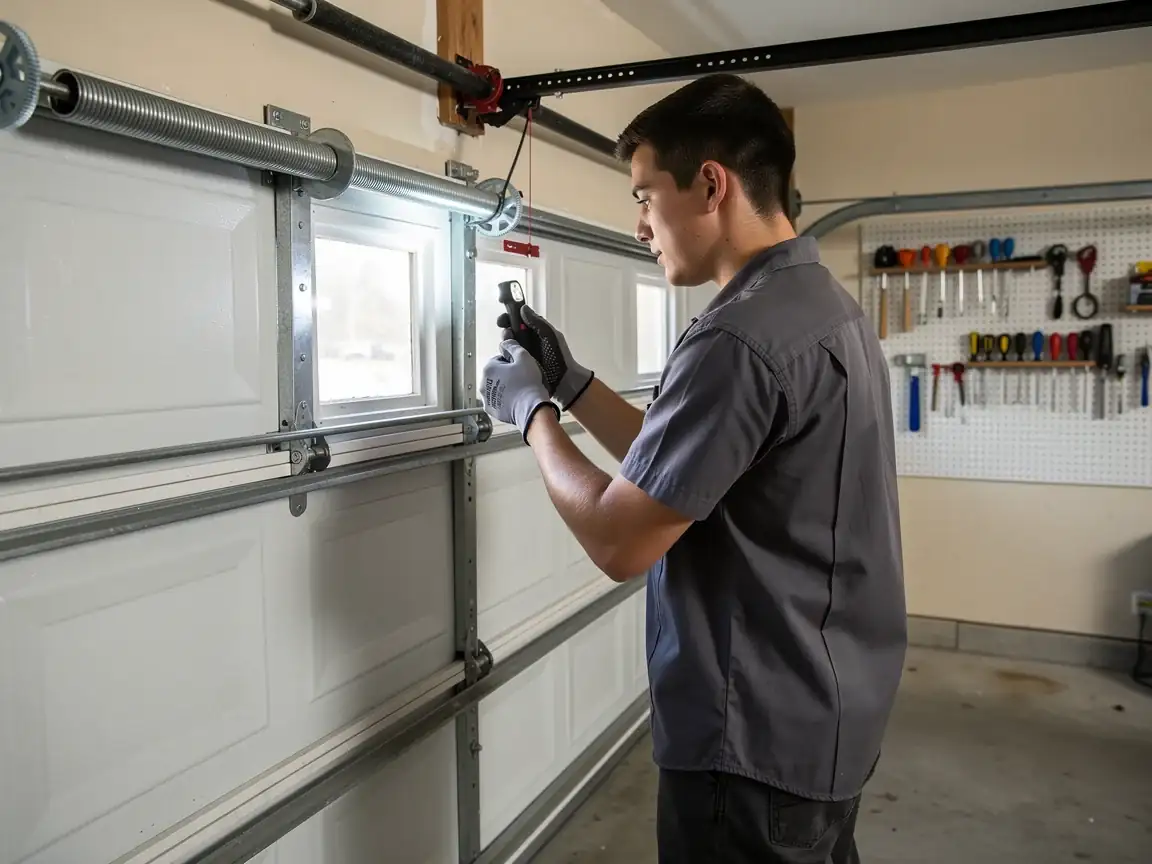
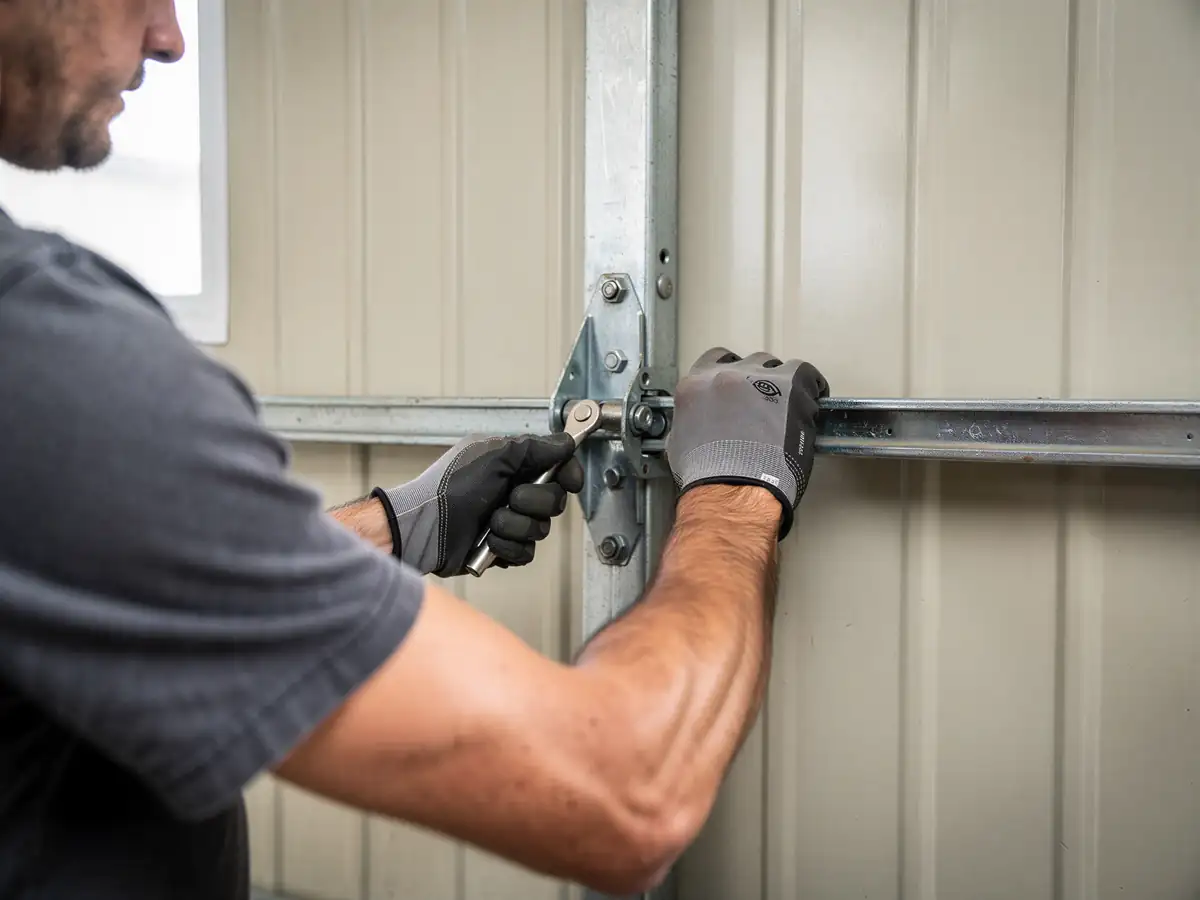
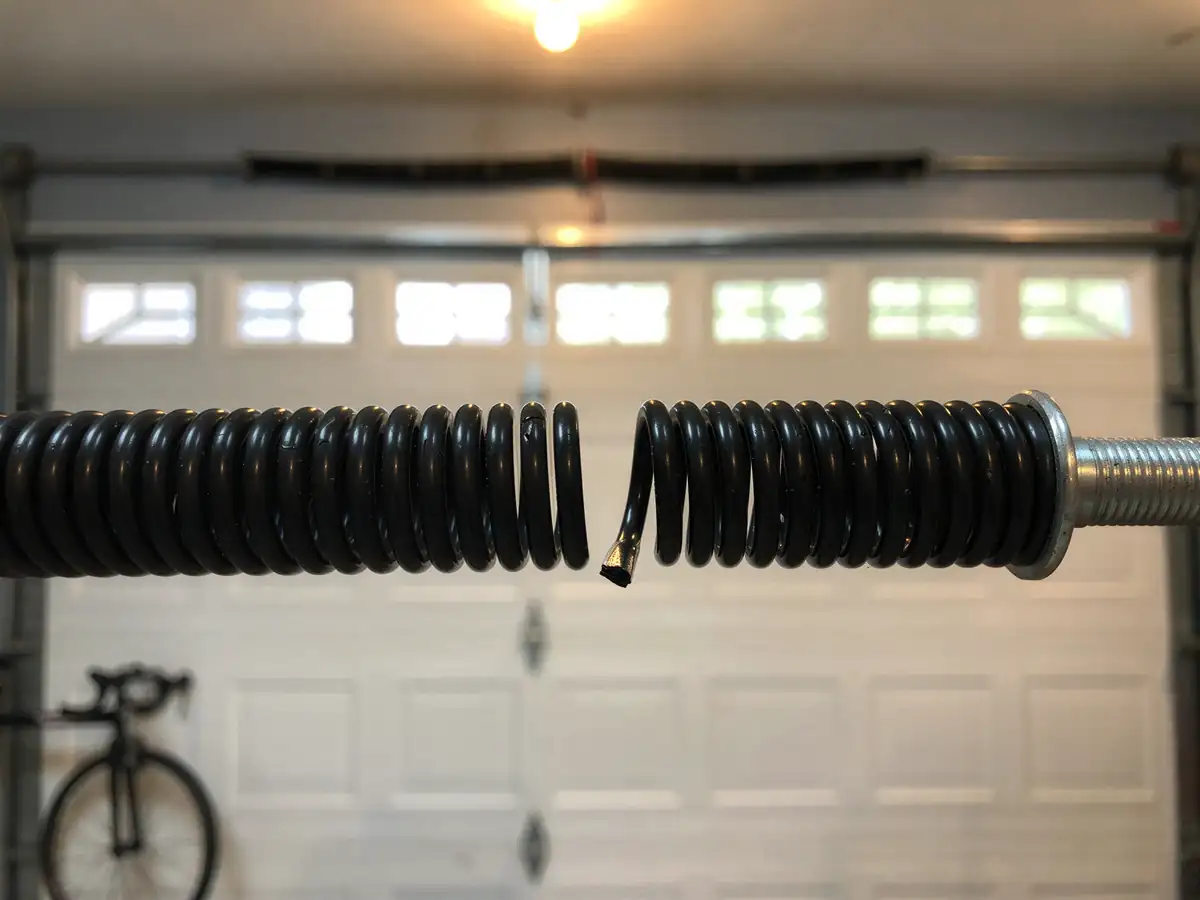
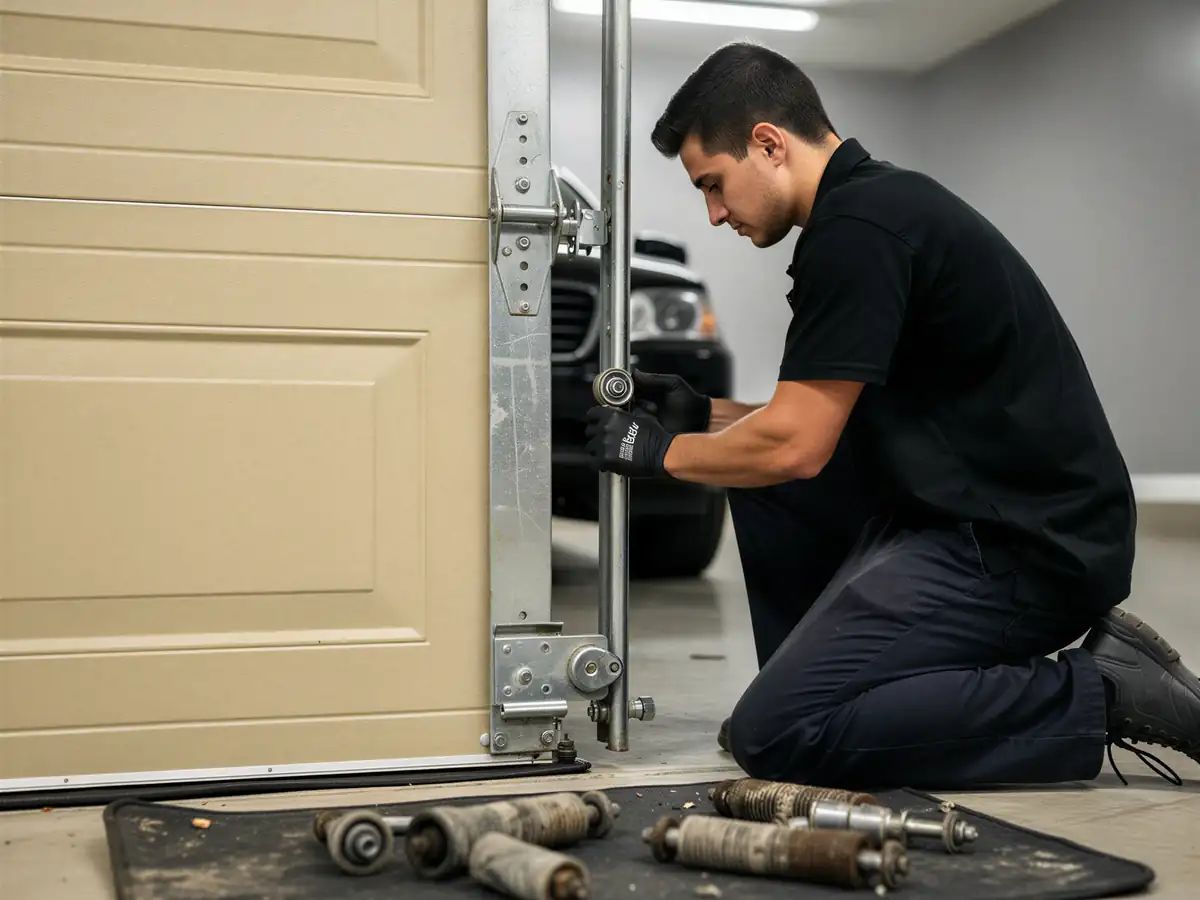
Springs that were never upgraded when the opener got swapped out in the 80s or 90s, drums and cables mismatched to the door's actual weight, and tracks that have been re-bent more than once instead of replaced. None of that is wrong by itself. It's just old, and old steel under tension doesn't fail gracefully.
The cold-moderate climate band this part of Kentucky sits in adds a second layer
Condensation on unheated garage slabs during winter swings, which rusts cable and roller contact points faster than it would in a drier climate. On a 1966 door with original hardware, that rust has had almost sixty years to work.
The Drive Over
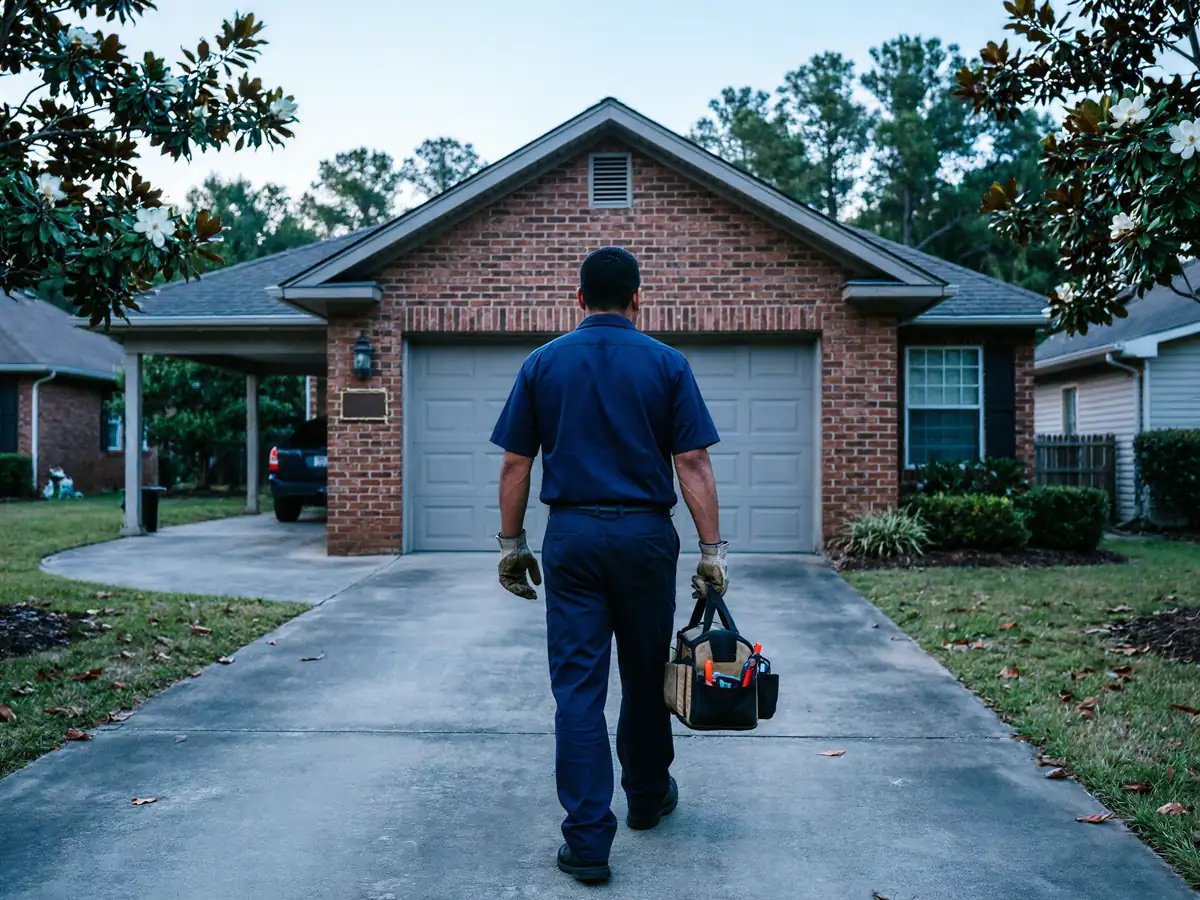
Auburn is 17 miles from our shop in Bowling Green. That's not a short hop, and we're honest about what it means: we don't keep a depot or a standing crew in Auburn, and we won't pretend otherwise. What it does mean is that the truck is stocked before it leaves, because driving back for a part that should have been on board the first time wastes everyone's afternoon.
For the hardware common to houses here - torsion springs sized for heavier older doors, older-style drums, the occasional odd-width track - that stocking decision matters more in Auburn than it would on a newer street closer to the shop. If a job needs something genuinely unusual, something that doesn't match the mix we normally carry, that's the honest limitation: it may mean a second trip rather than a same-visit fix. We'd rather tell you that up front than guess at your driveway.
The Split Between Old and New
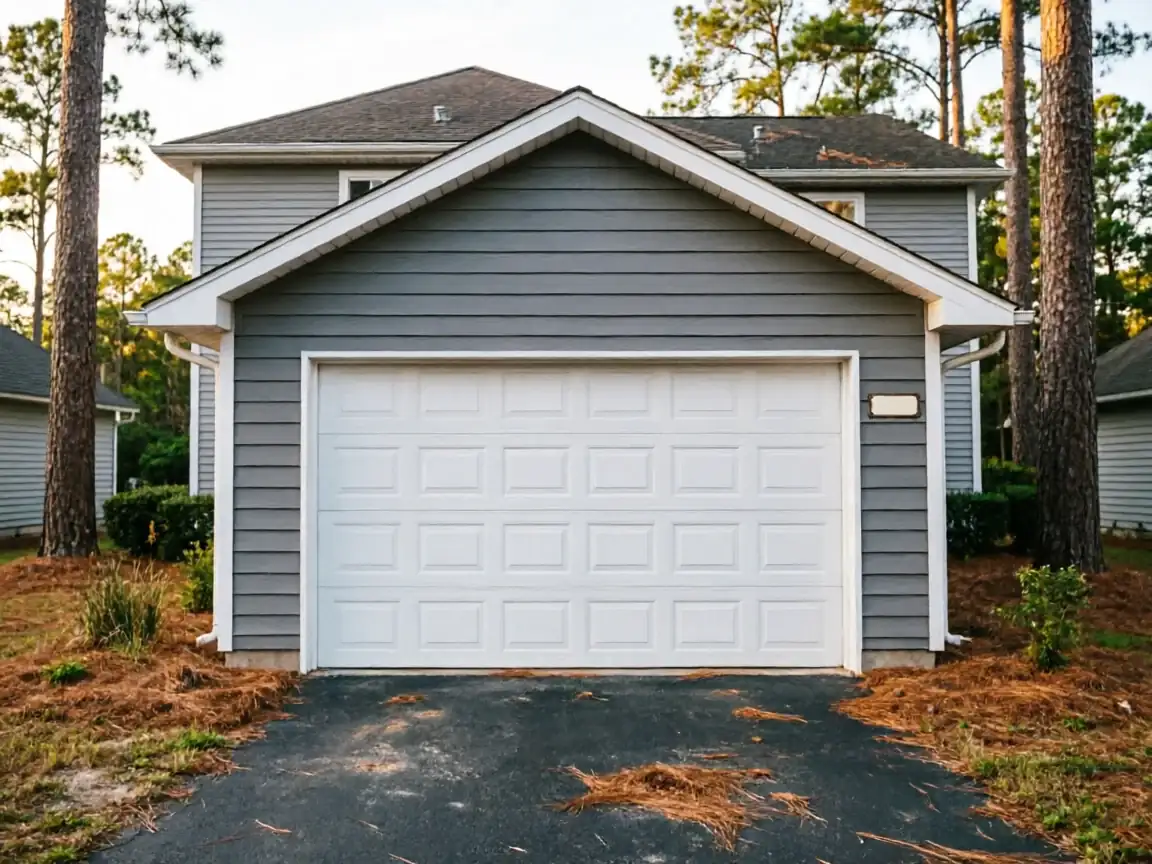
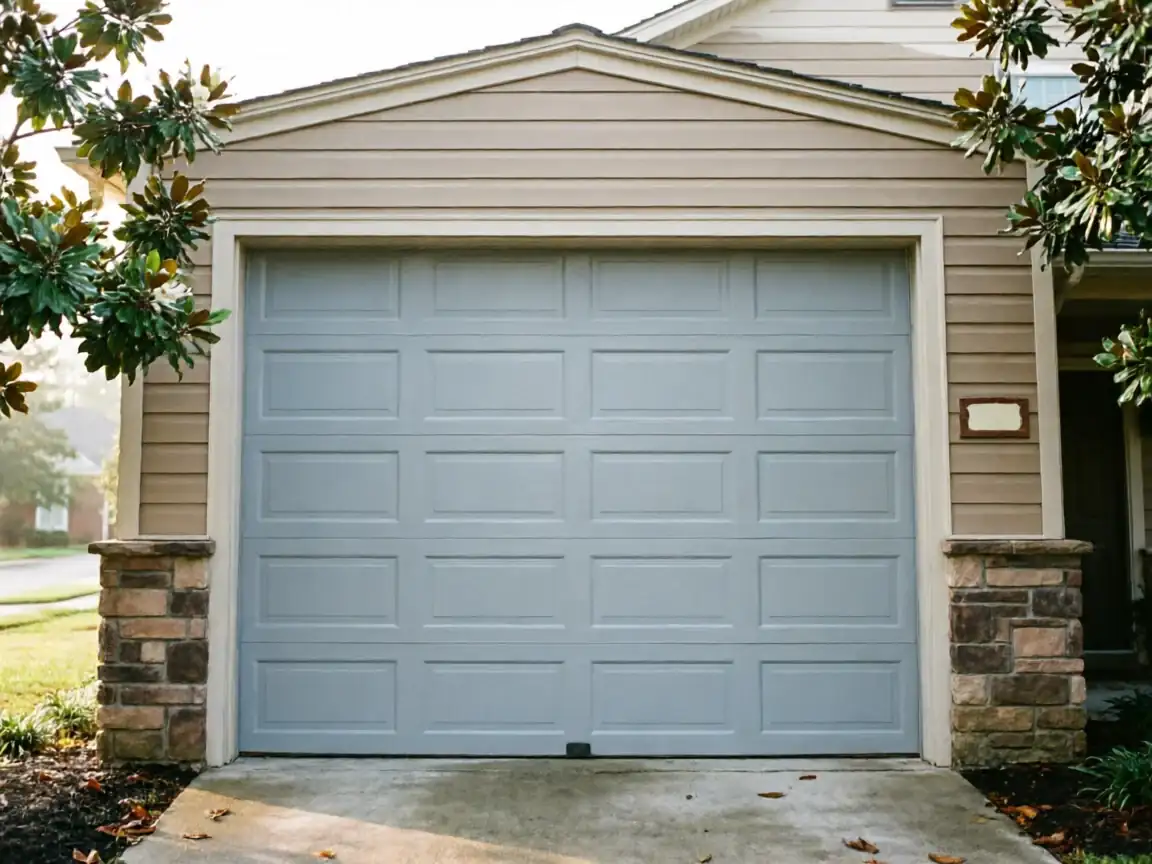
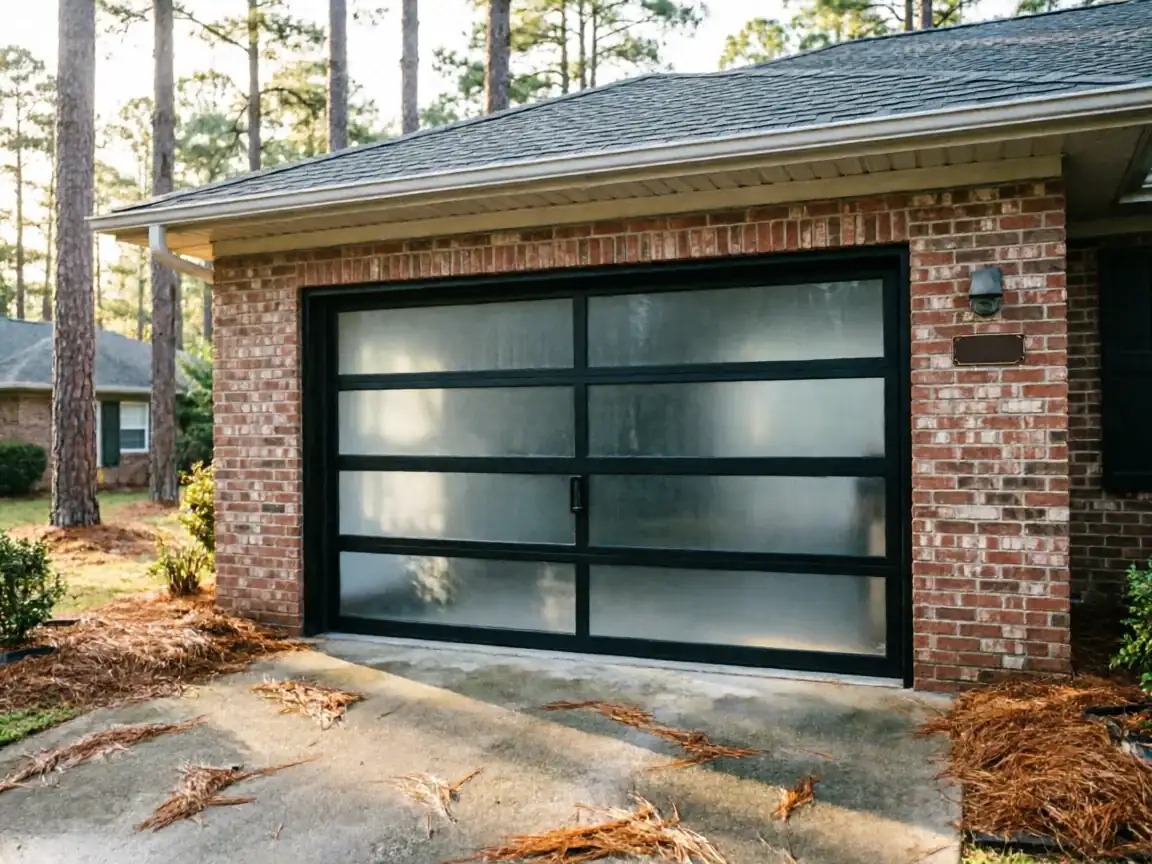
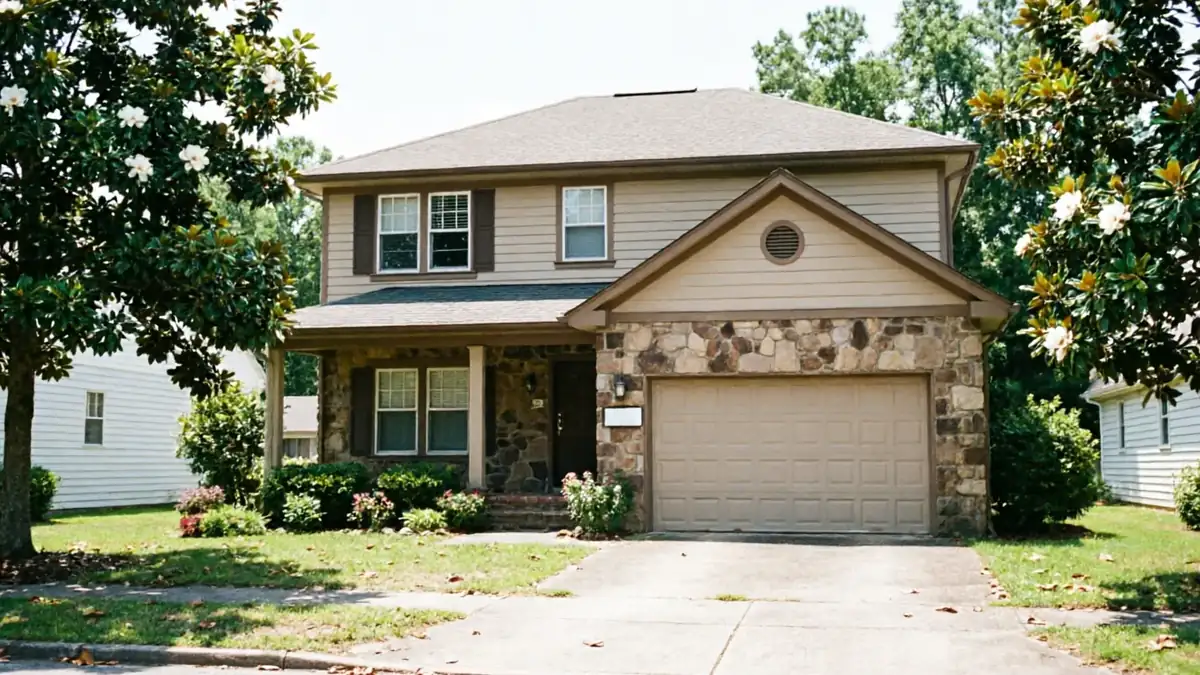
Across the wider territory we work, the housing stock runs mostly 1960s and 70s construction, and Auburn sits on the older edge of that range. What that means on the ground is a split: a good share of doors are still the original style from a 1966-era build, and a smaller share have already been replaced with modern steel sectional doors and newer openers, usually after a spring failure or a dented panel forced the decision.
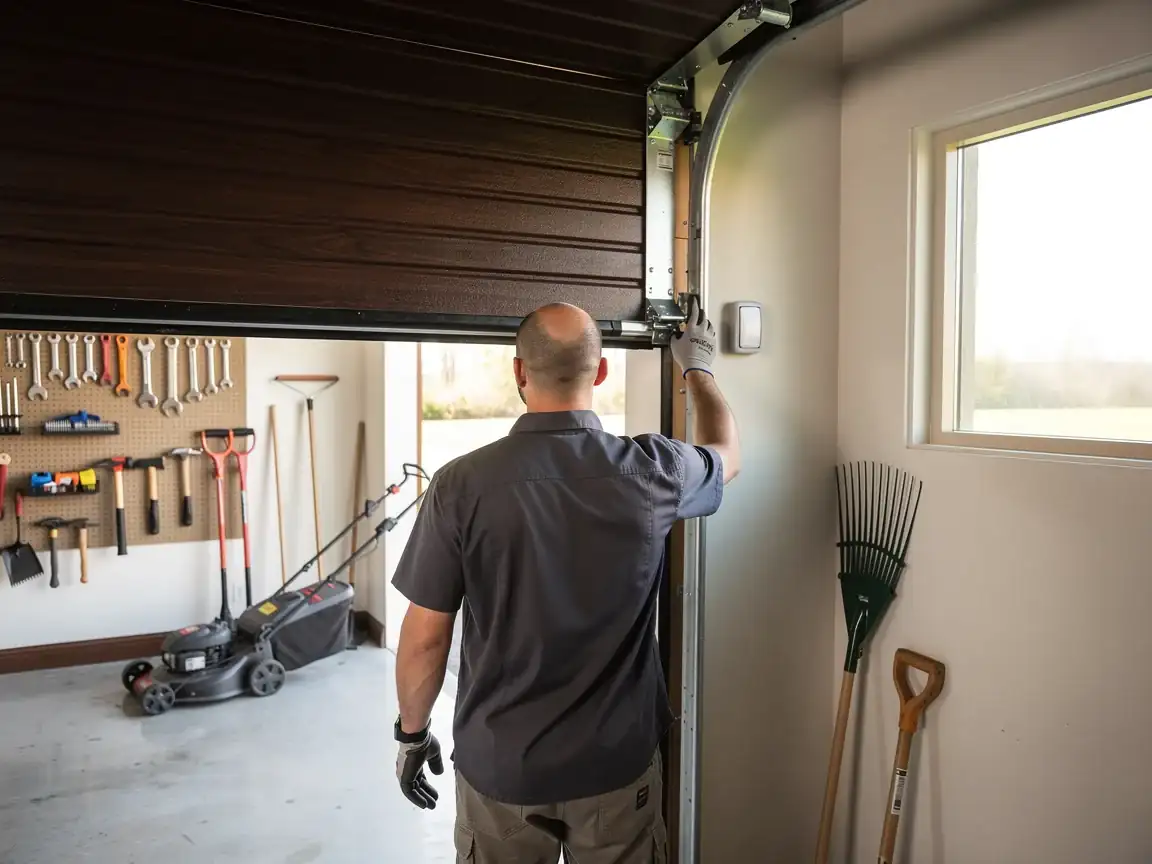
The two groups fail differently. The original doors tend to go out at the spring or the cable - tension hardware that's been doing its job quietly for decades until it isn't. The newer replacements tend to have opener or sensor issues instead, since the door itself is sound but the electronics are a different generation than the house.
Knowing which bucket a house falls into before we get there - original 1966 door or a later replacement - changes what parts we expect to need. It's one of the first things worth mentioning on the phone.
The Houses Here
Auburn has around 740 households, and the median household income sits at $46,071
Those two numbers together shape a lot of the repair-versus-replace conversations we have here. At that income level, most owners we talk to want the door fixed, not upgraded, unless the door itself has failed structurally - a bent panel, a cracked stile, a track pulled off the wall.
- 740 households
- $46,071 median household income
That's a reasonable instinct
A torsion spring replacement or a cable swap on a sound 1966-era door is a fraction of the cost of a full replacement, and if the panels and track are still square, there's often no reason to spend more than that. We'll say when it's not worth fixing - a door with rot through the bottom panel or a frame that's shifted enough to rack the track on every cycle is money better spent on new - but that's the exception here, not the rule.