Why This Fails Locally
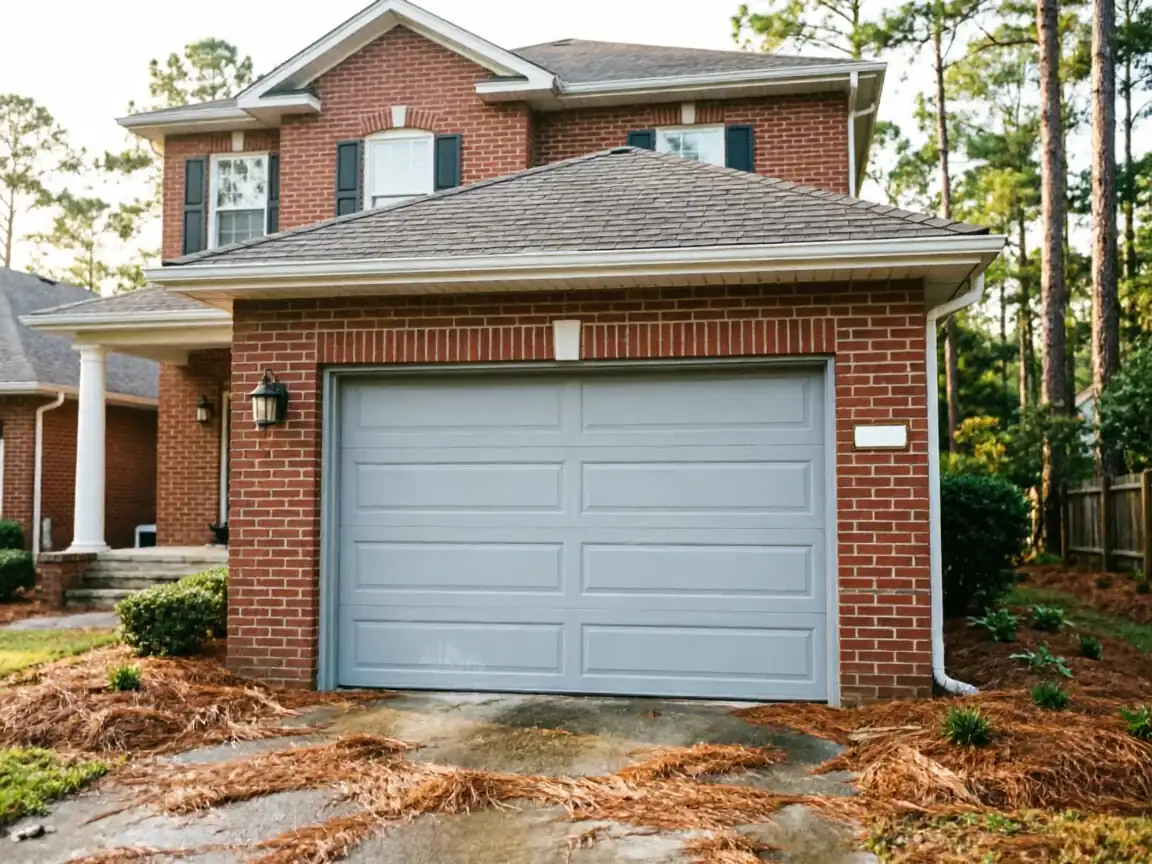
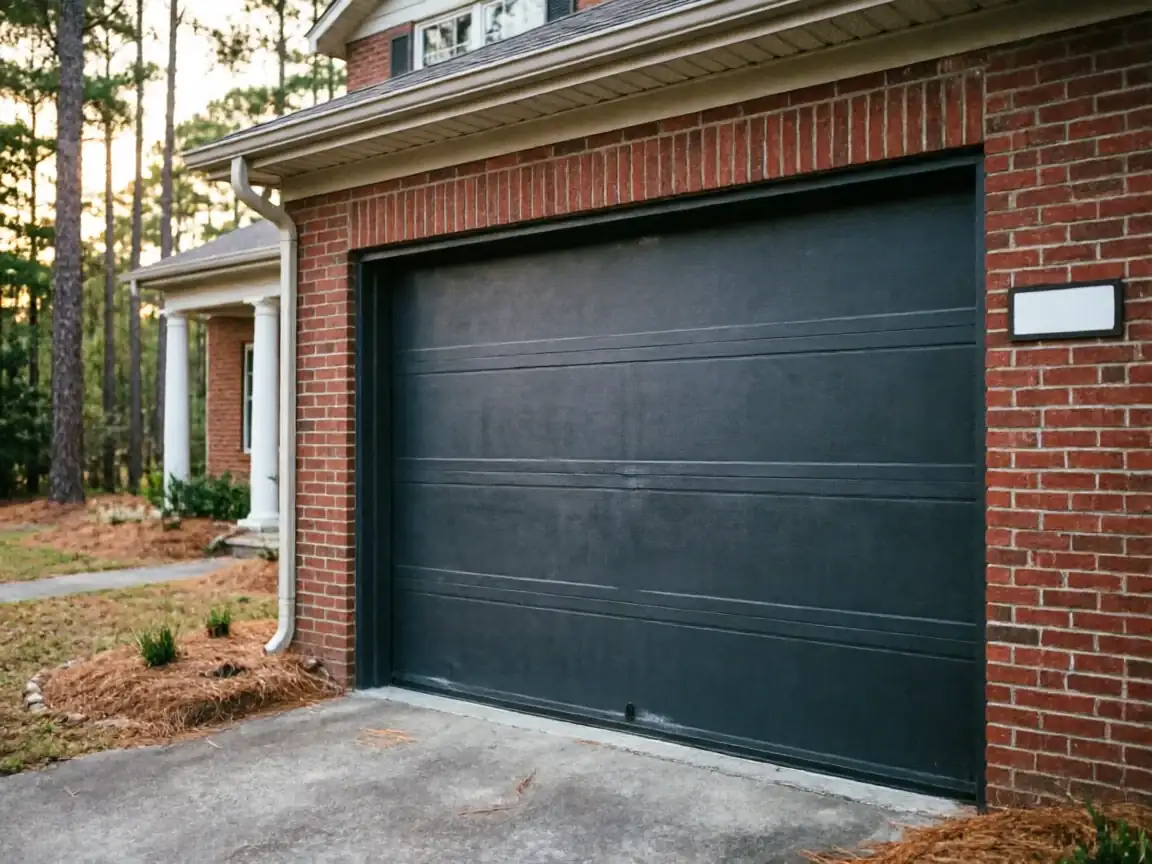
Most of the garage doors we get called on sit in houses built between 1966 and 1982
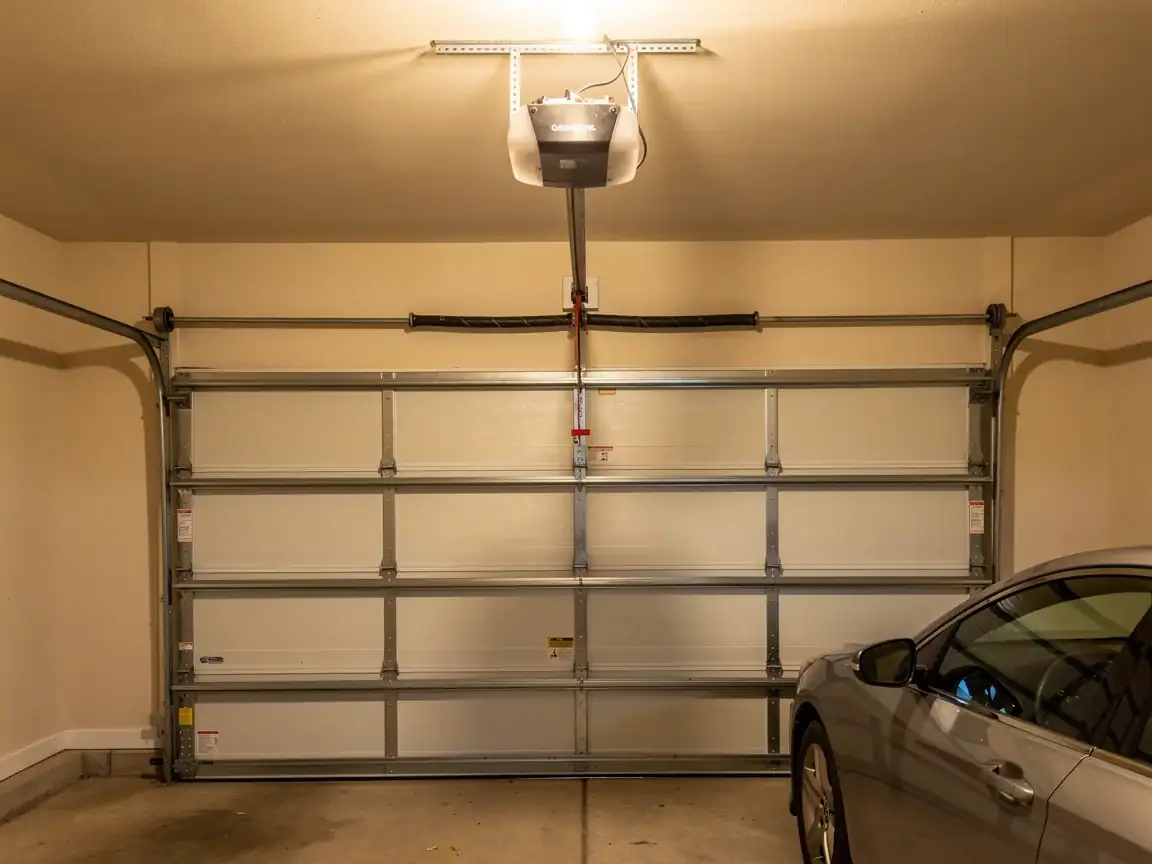
With the median build year landing around 1975. That's not a small detail - it means the torsion springs, the extension cables, and in a lot of cases the opener units are original or close to it, pushing past the 40-50 year mark that these parts were ever built to handle. Across the four main pockets of town where this stock concentrates, the hardware is nearly identical house to house: single torsion spring setups, steel panel doors on roller tracks that were standard for the era.
- 50 year
Add the climate band
Cold, moderate swings rather than deep extremes - and you get steel expanding and contracting on a yearly cycle for five decades straight. That cycle is what fatigues a spring coil or works a track bracket loose, not one bad storm. A door that's never been touched since the house was built is carrying fifty winters of that flex, and it shows up as sag, drag, or a dead stop halfway up.
We're not describing a rare problem
With 2,306 owner-occupied houses in the service area built mostly in that same window, this is the dominant failure pattern we see, not an exception.
- 2,306 owner-occupied
What Can Go Wrong
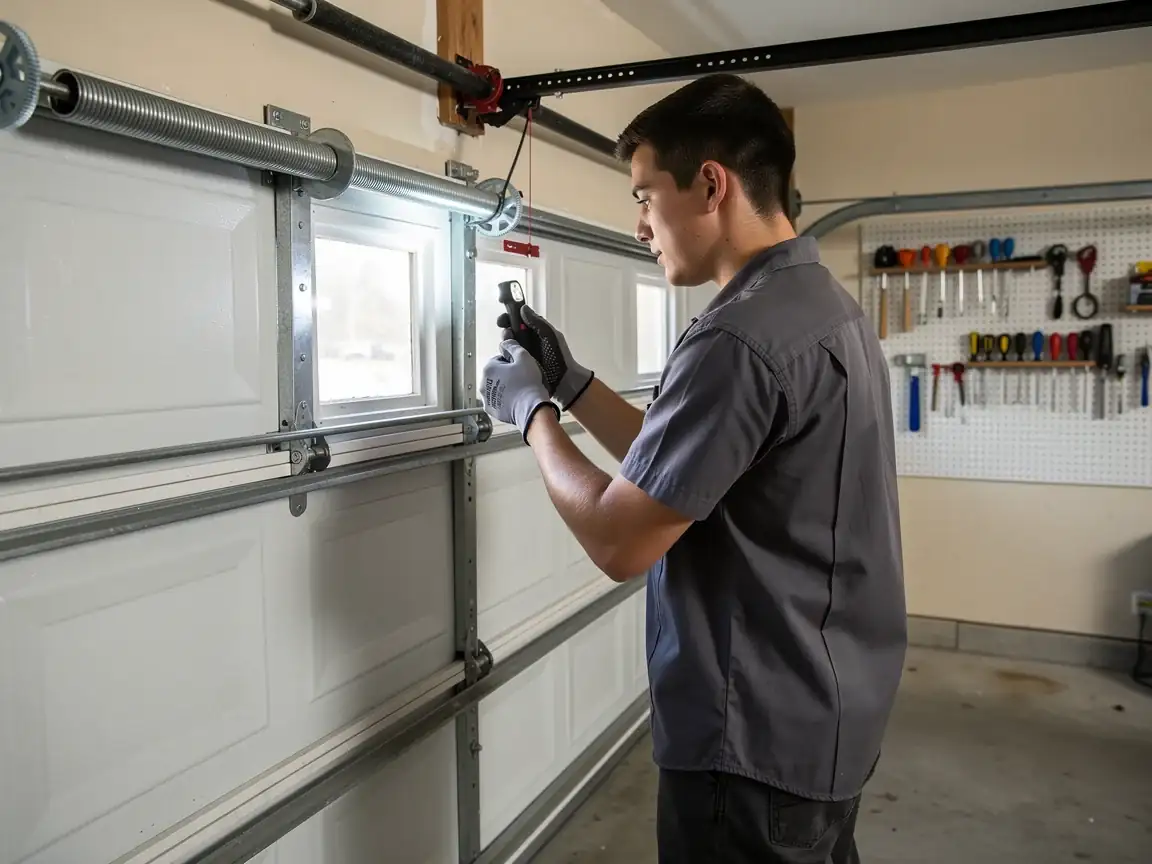
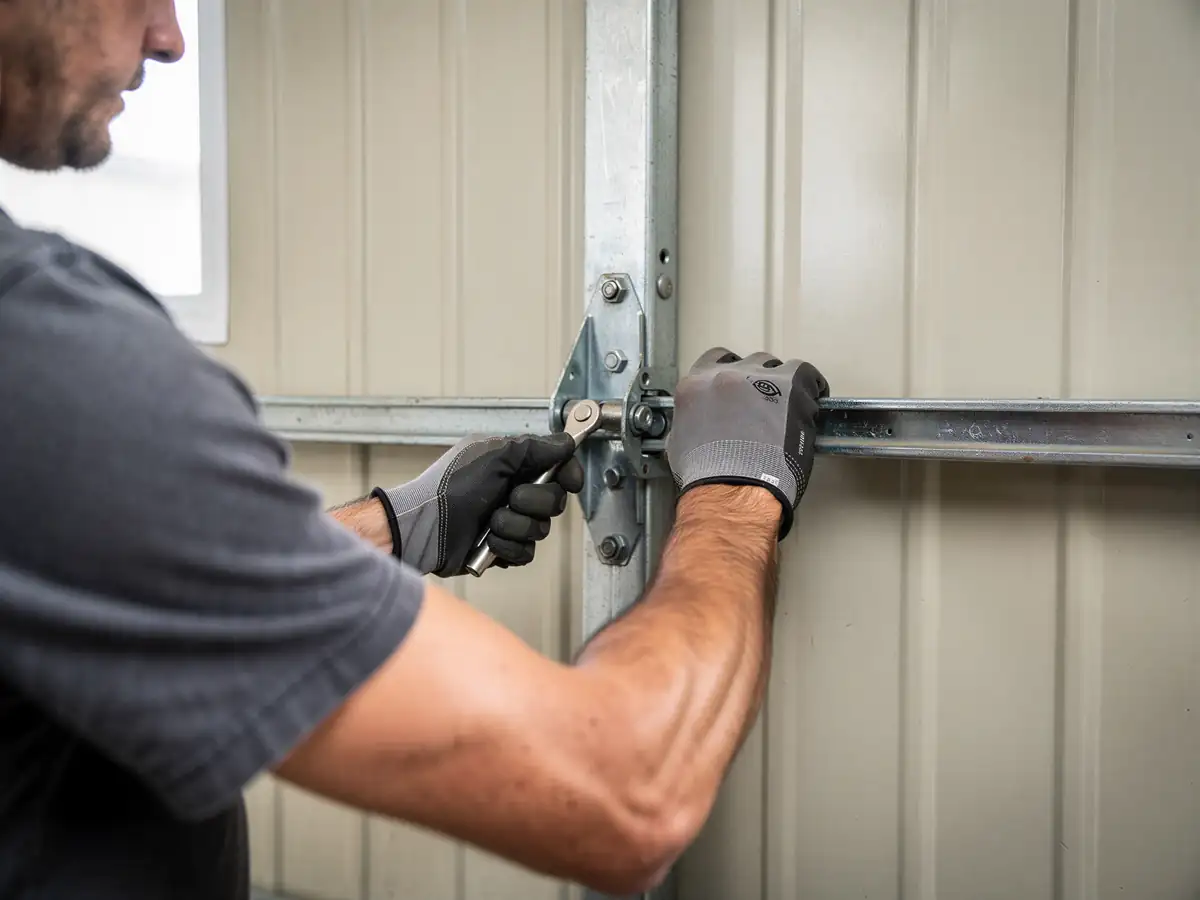
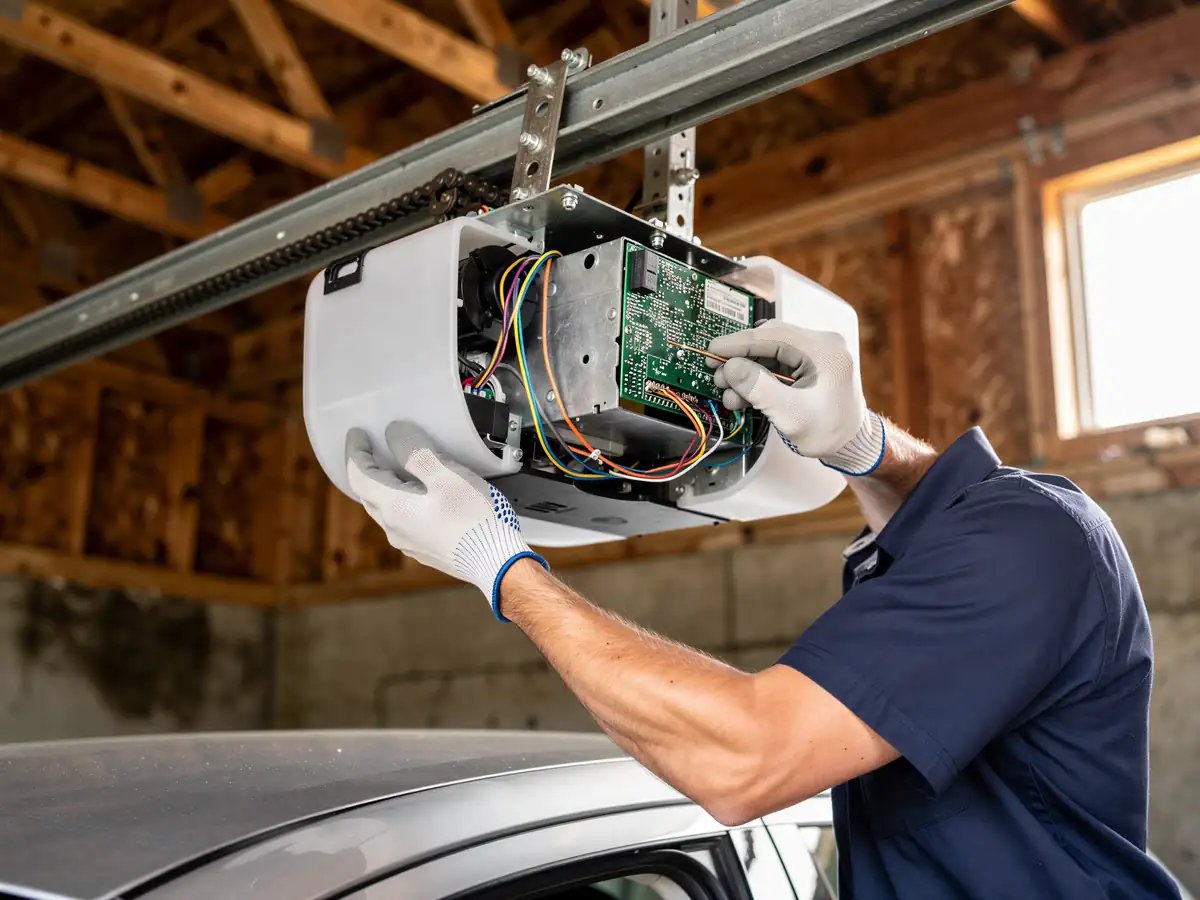
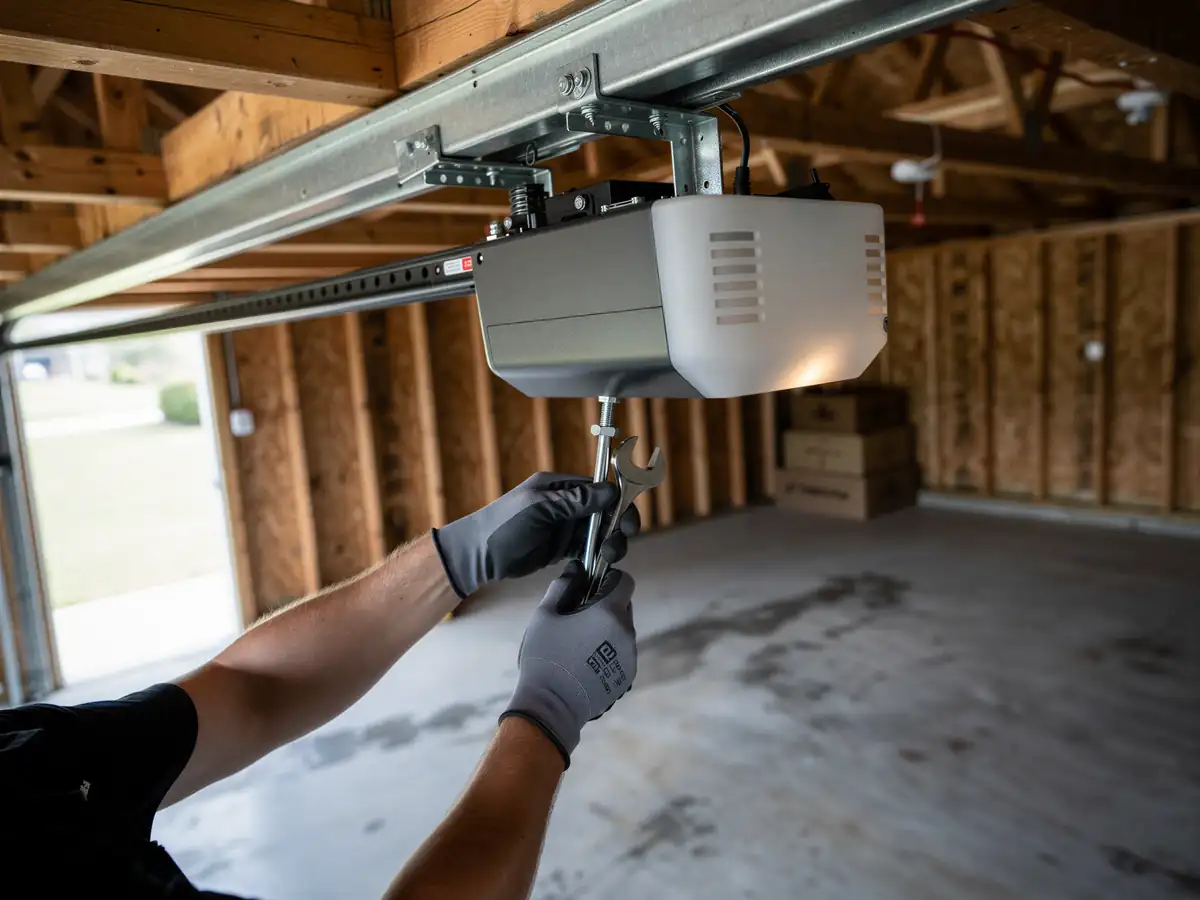
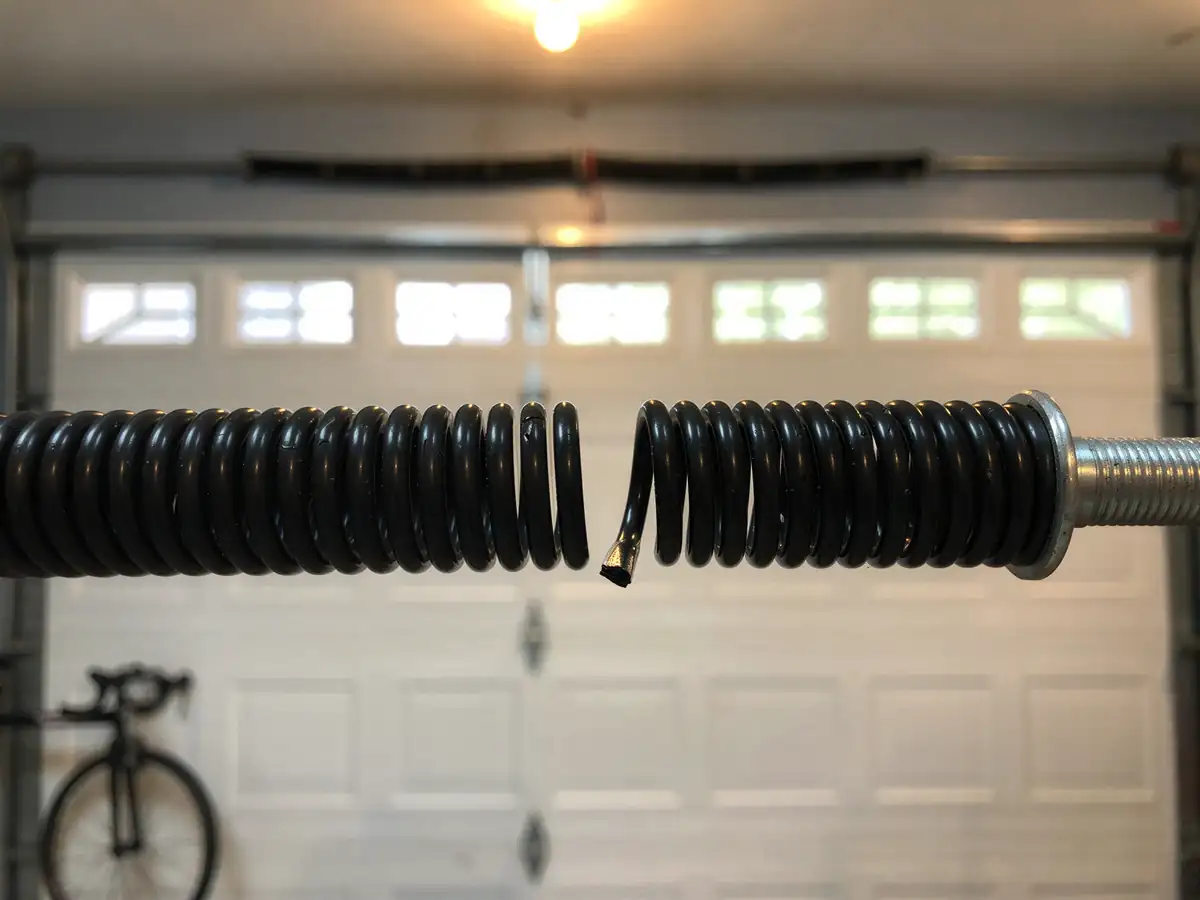
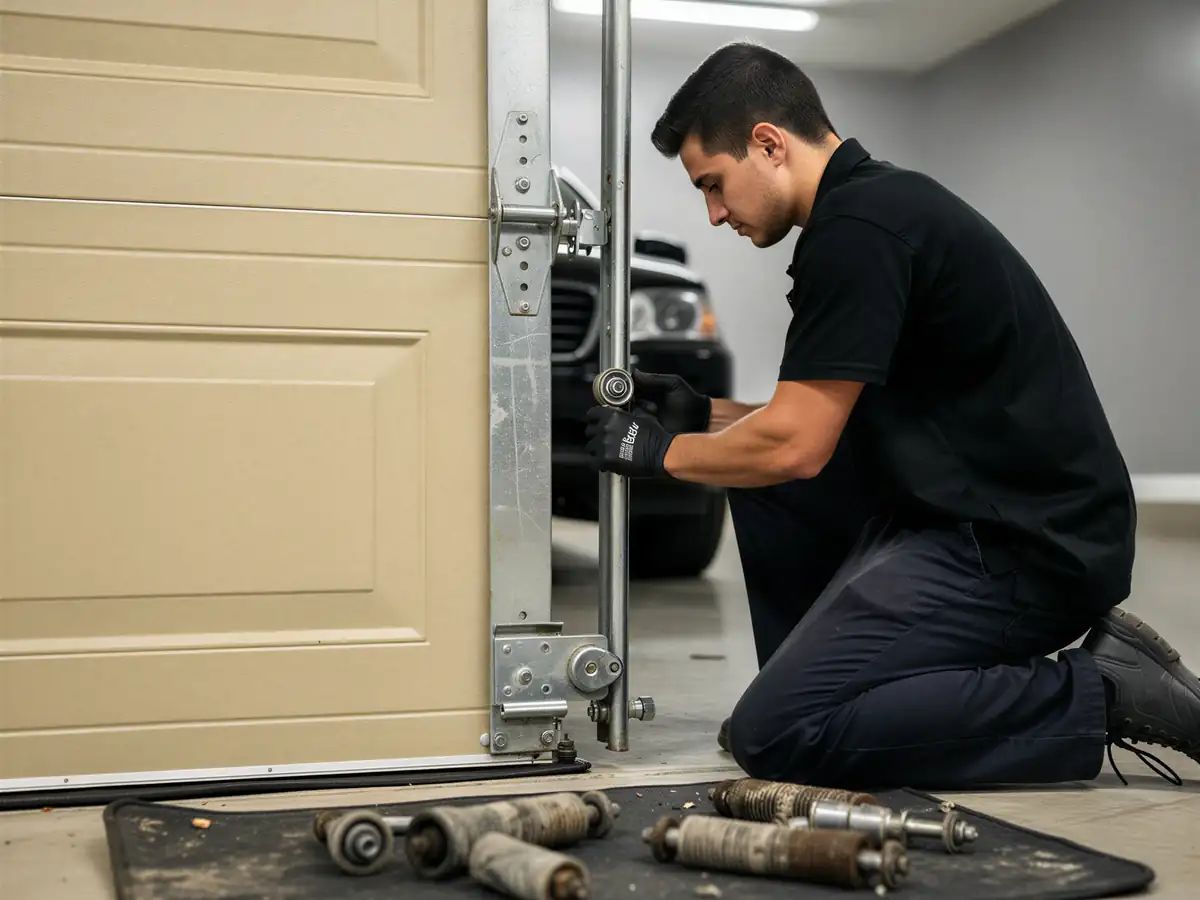
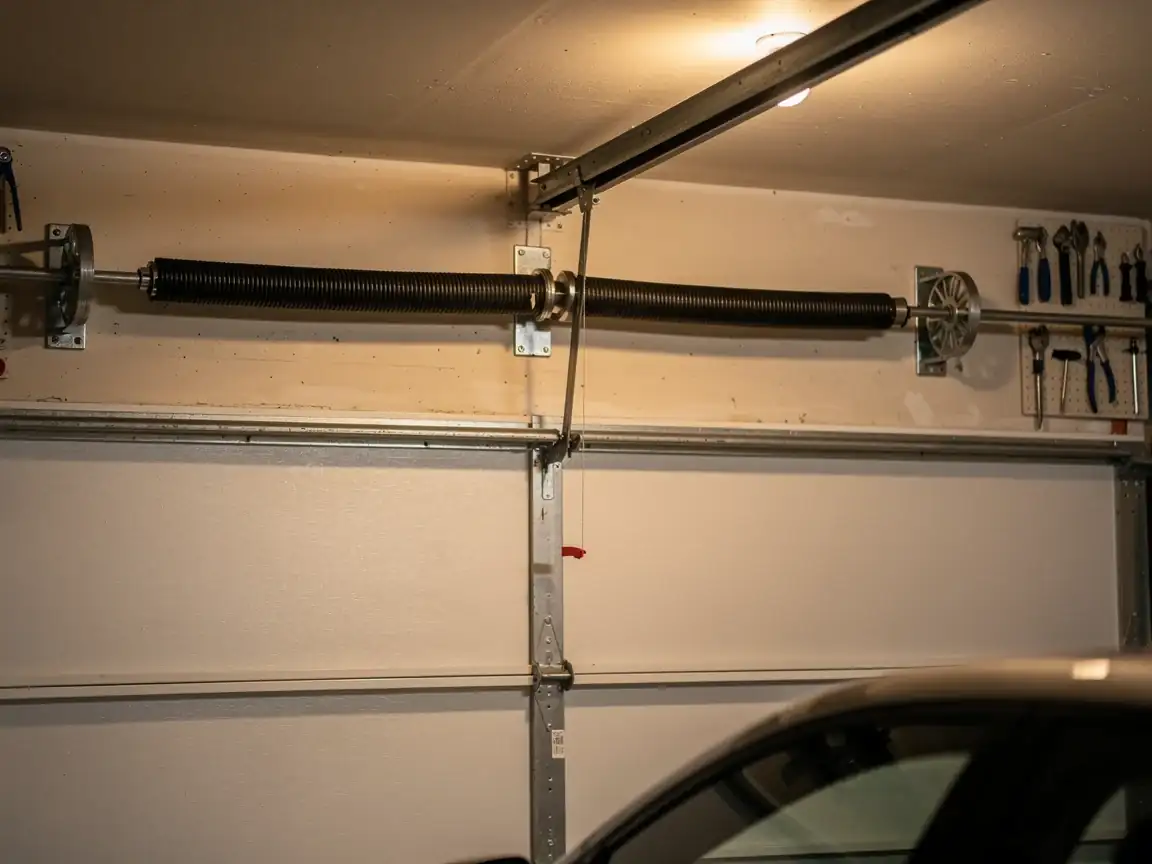
The torsion spring is the first thing to go on a house this age - the coil loses tension slowly, then one day it snaps and the door won't lift past a foot off the slab. Right behind that is the opener: units from the 1970s and early 80s weren't built with the gear-and-sprocket drives common now, and the chain-drive motors from that stretch wear out their gears long before anything else fails.
Track misalignment is the quieter one. Cold-moderate swings mean the slab and the frame move slightly over a winter, and a track bolted straight to original framing forty-plus years ago starts to pull off true. You'll hear it before you see it - a scrape or a knock partway through the cycle.
Rollers are usually the honest answer for a door that's loud but still moving. Steel rollers from that era were never sealed, so four decades of grit wears a groove into them. We'll tell you straight when a roller swap is enough and when the spring or the opener underneath it is the real problem - replacing rollers on a door with a dying spring just buys you a few weeks.
What You Pay
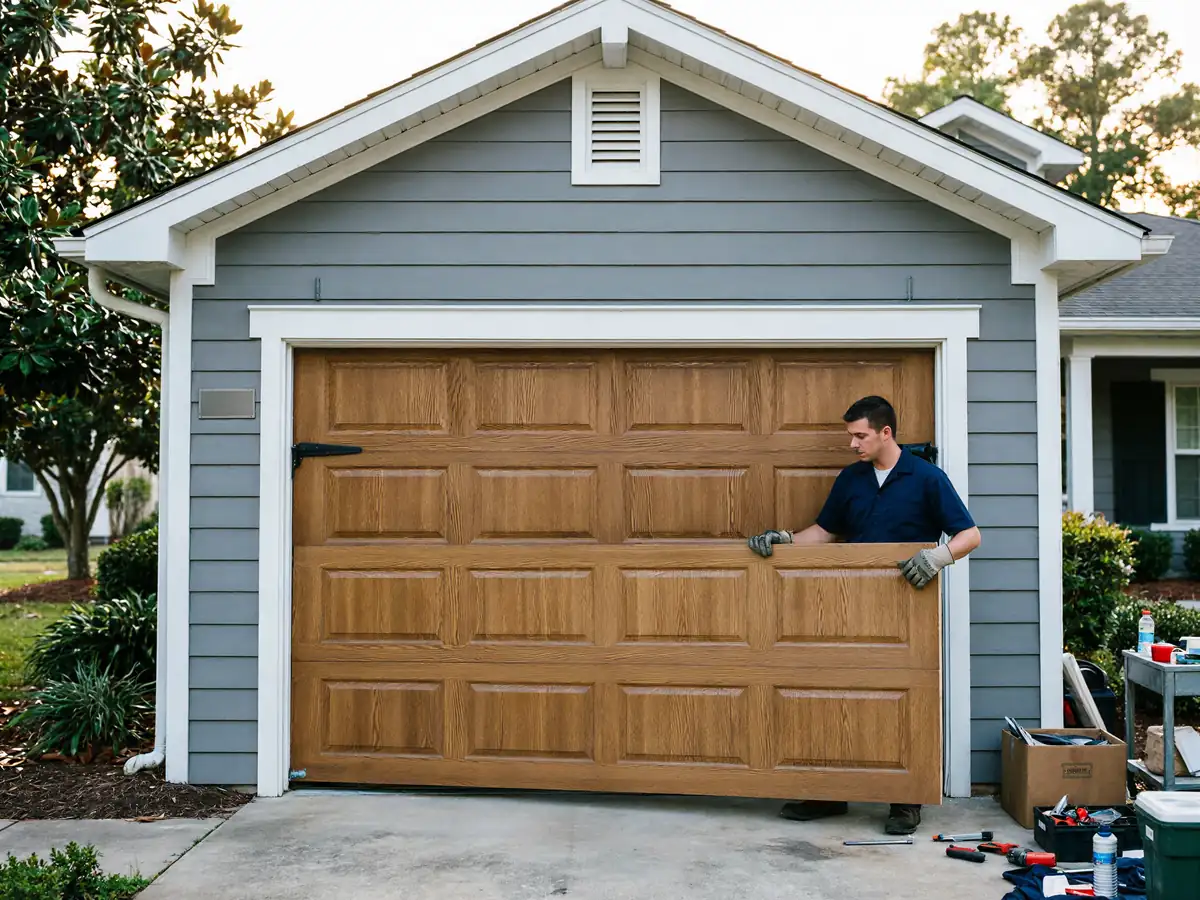
We don't have a flat number to quote you here - what you pay depends on whether it's a spring, a cable, an opener gear set, or a full track realignment, and whether the door is original hardware or something replaced partway through the house's life. With median household income in the service area at $46,071, we work to keep repair as the first option over full replacement wherever the door and track are sound enough to carry it.
What we can tell you is the honest trade-off: on a house built in the 1966-1982 window, if the opener is original, replacing just the gear kit sometimes costs more in labor than it's worth once you account for how brittle the rest of the motor housing has gotten. In that case we'll say so instead of selling you a part that'll fail again in a year.
Call and describe what the door is doing - the noise, where it stops, whether it's the spring side or the opener - and we can usually tell you over the phone which category of repair you're looking at before a truck ever rolls.
How It Shows Up
It rarely starts as a dead door
It starts as a door that's slower than it used to be, or one side that visibly droops before the opener catches it. On houses from this build era, that droop is almost always the spring losing coil tension - gradual, not sudden, until the day it finishes the job in one snap.
You'll also hear it before you feel it
A grinding on the way up points to rollers, a sharp bang partway through the cycle usually means a cable, and a door that reverses itself without a clear reason is often the opener's original circuit board reaching its limit.
We cover the area out to Oakland, Auburn, Brownsville, and Franklin, and the pattern holds across that whole stretch
The housing stock doesn't change much town to town in this part of the county, so the same 1970s-era spring and opener failures turn up on calls from any of those directions.