Why This Fails Locally
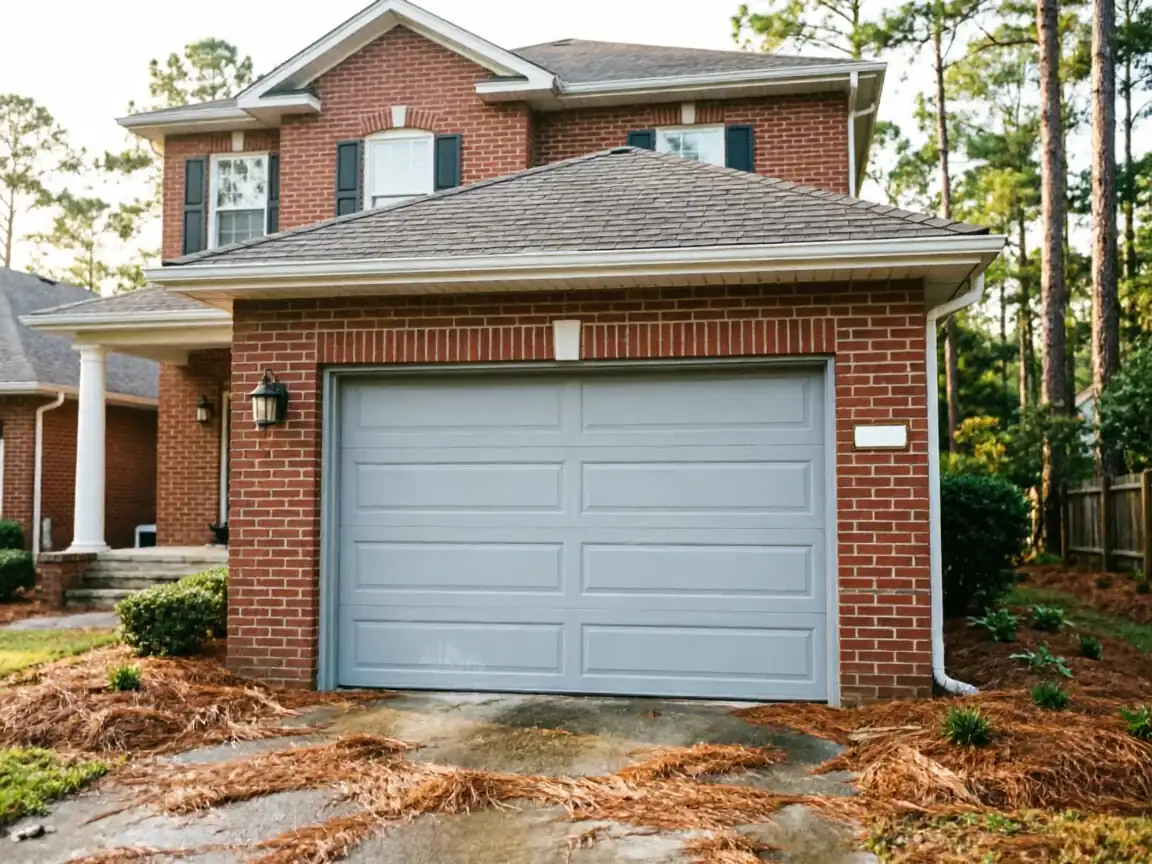
Most of the houses we work on across this service area went up between 1966 and 1982
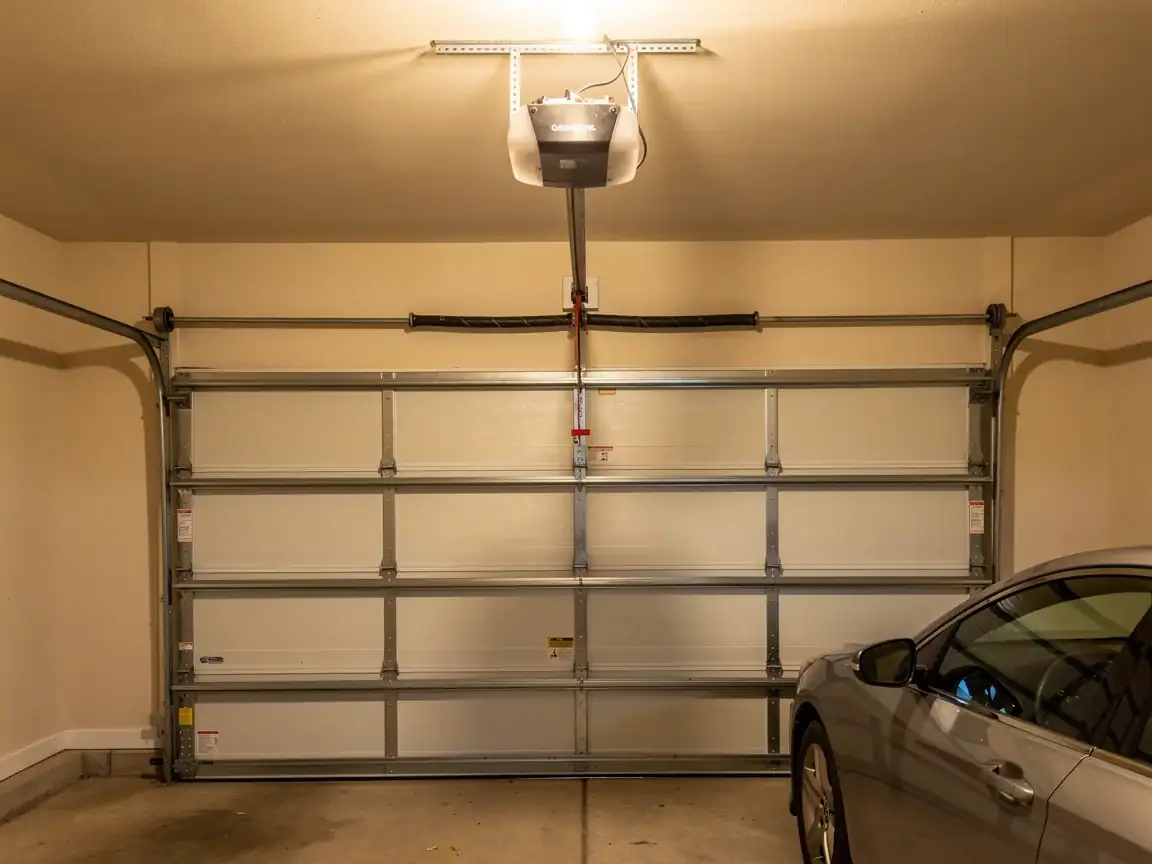
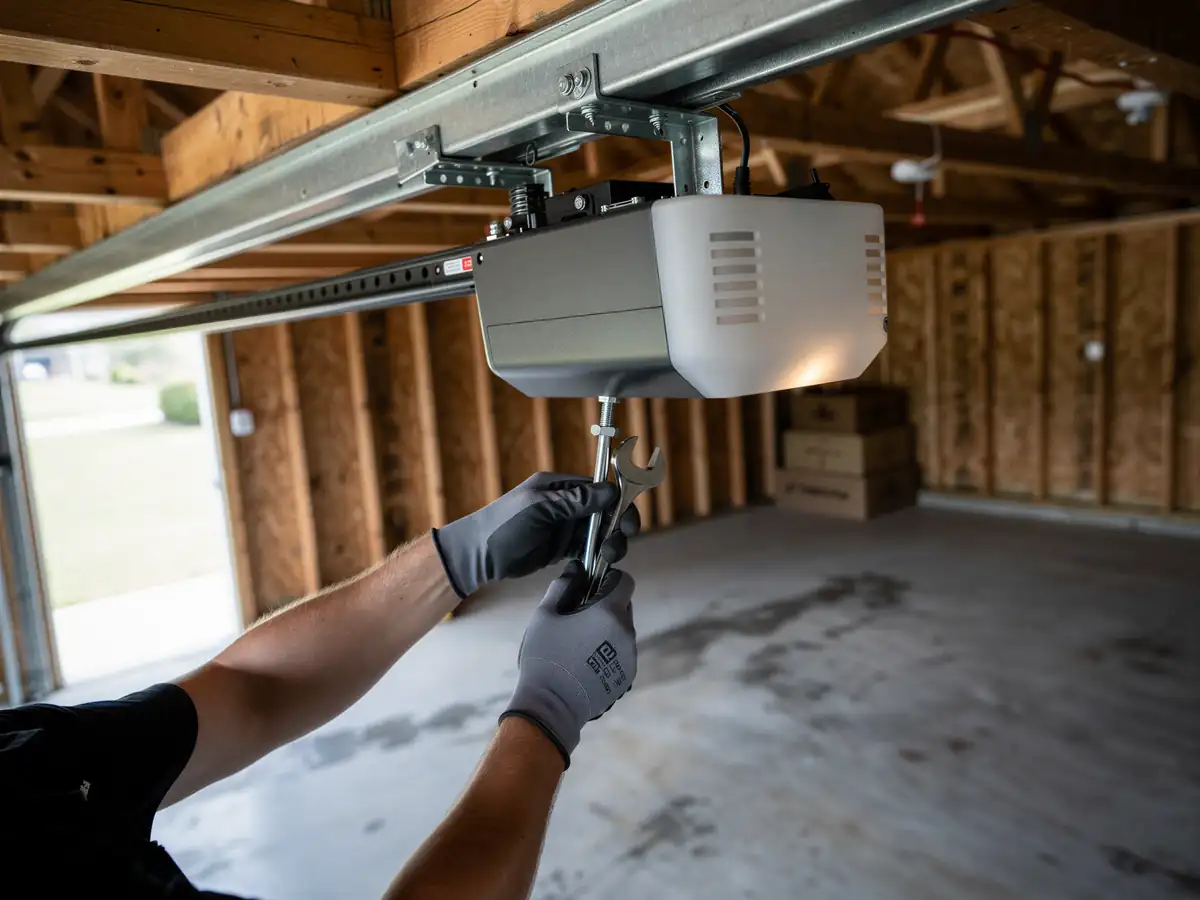
With the median build year landing around 1975. That matters for openers because a house from that era was built with a garage door sized for the chain-drive units of the day, and in a lot of cases the opener still on the wall is either the original unit or a direct swap-in replacement that never accounted for a heavier insulated door. Across the four main pockets of older stock we see in this area, wiring runs, mounting brackets, and header clearance were all sized for 1970s hardware, not the dual-sensor, battery-backup units sold today.
The cold moderate climate band this area sits in adds its own wear
Winter cold snaps make grease in an old gear drive stiffen up, which puts extra load on the motor and the drive gear every single cycle. That's a slow failure, not a dramatic one - the opener just works harder each winter until a gear strips or a capacitor gives out. None of this is a Bowling Green area quirk by itself. It's what happens when a housing stock from one era meets a climate that stresses moving parts twice a year, at the cold end and the heat end.
What Can Go Wrong
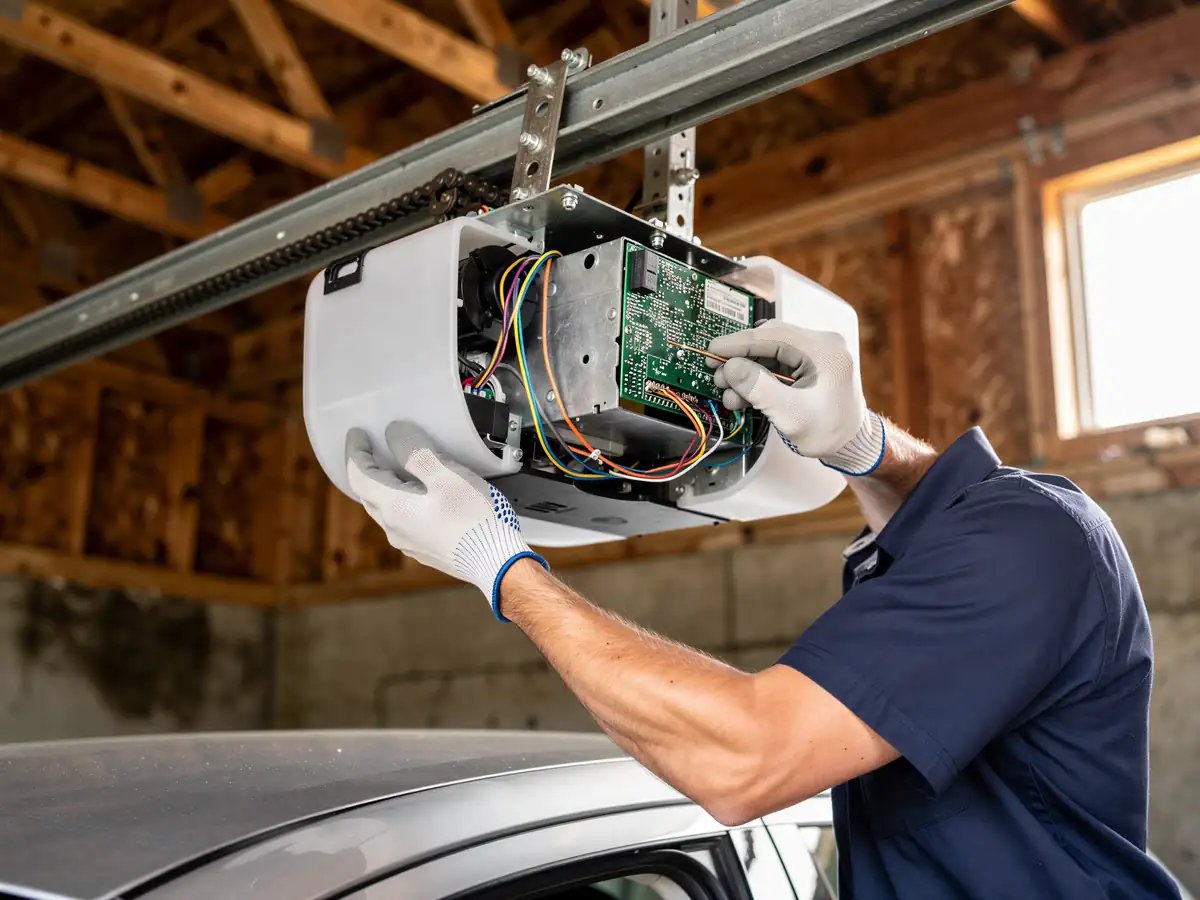
On a house with original or near-original wiring, the first thing we check is whether the circuit can even handle a modern opener's draw, especially if the panel hasn't been touched since the house was built in that 1966-1982 window. Chain-drive units from that stock era often ran on undersized wire runs that were fine for a simple motor and nothing else.
Safety sensor retrofits are the other recurring issue. Federal rules requiring photo-eye sensors came well after most of these houses were built, so a lot of original openers in this service area were never wired for them and need a proper retrofit, not a quick add-on.
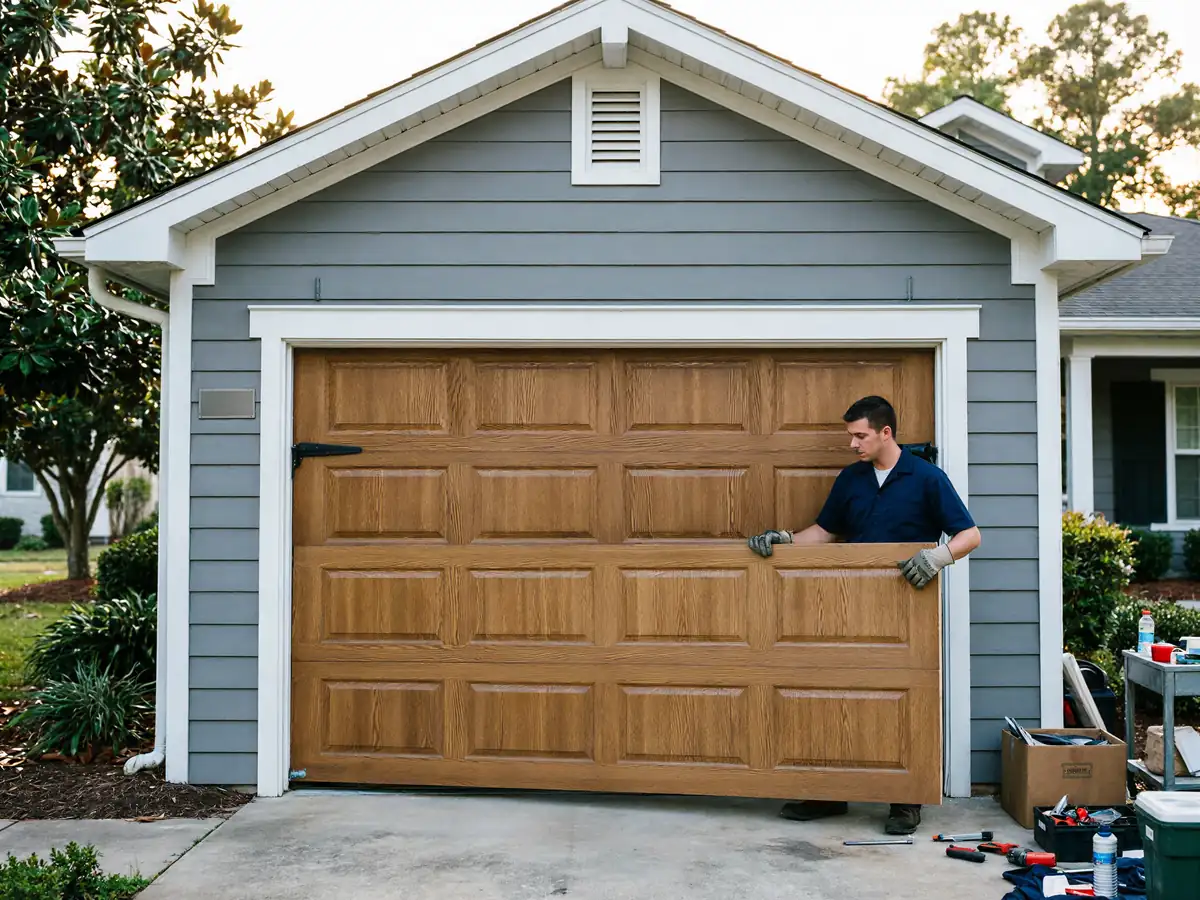
Cold weather plays its part too. In the cold moderate band this area falls into, we see gear-drive openers bind up on winter mornings when old grease has thickened, and belt-drive units stretch or slip when temperature swings are sharp. A door that's heavier than the opener was ever rated for - common on homes that swapped a light original door for a heavier insulated one later - will also burn out a motor years before it should.
What You Pay
We don't post a flat number here because what you pay depends on what's already on the wall, what kind of door you're driving, and whether we're also correcting old wiring or a mismatched door weight along the way. A straight swap on a house with decent existing wiring is a different job than one where we're adding a safety sensor retrofit or running new circuit capacity because the house dates back to that 1966-1982 stock and the panel was never upgraded.
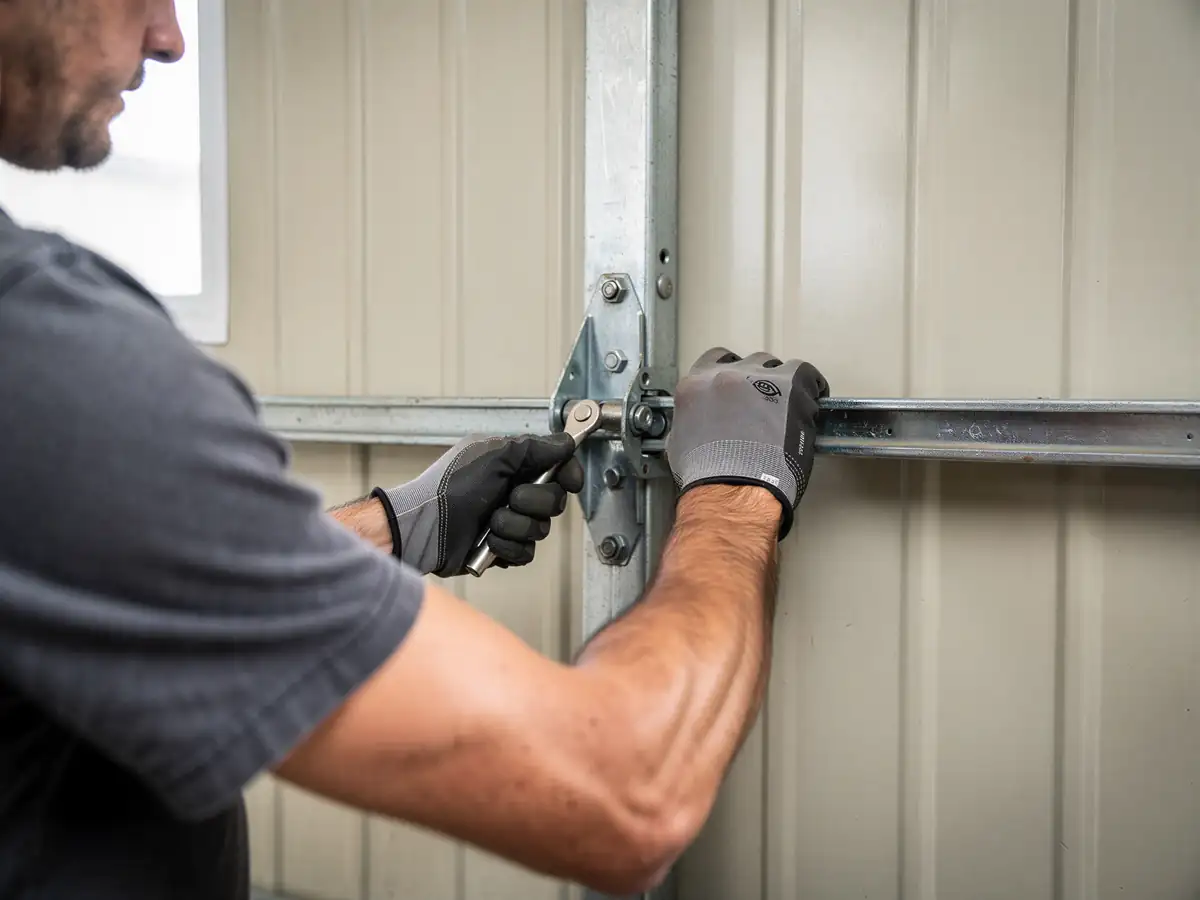
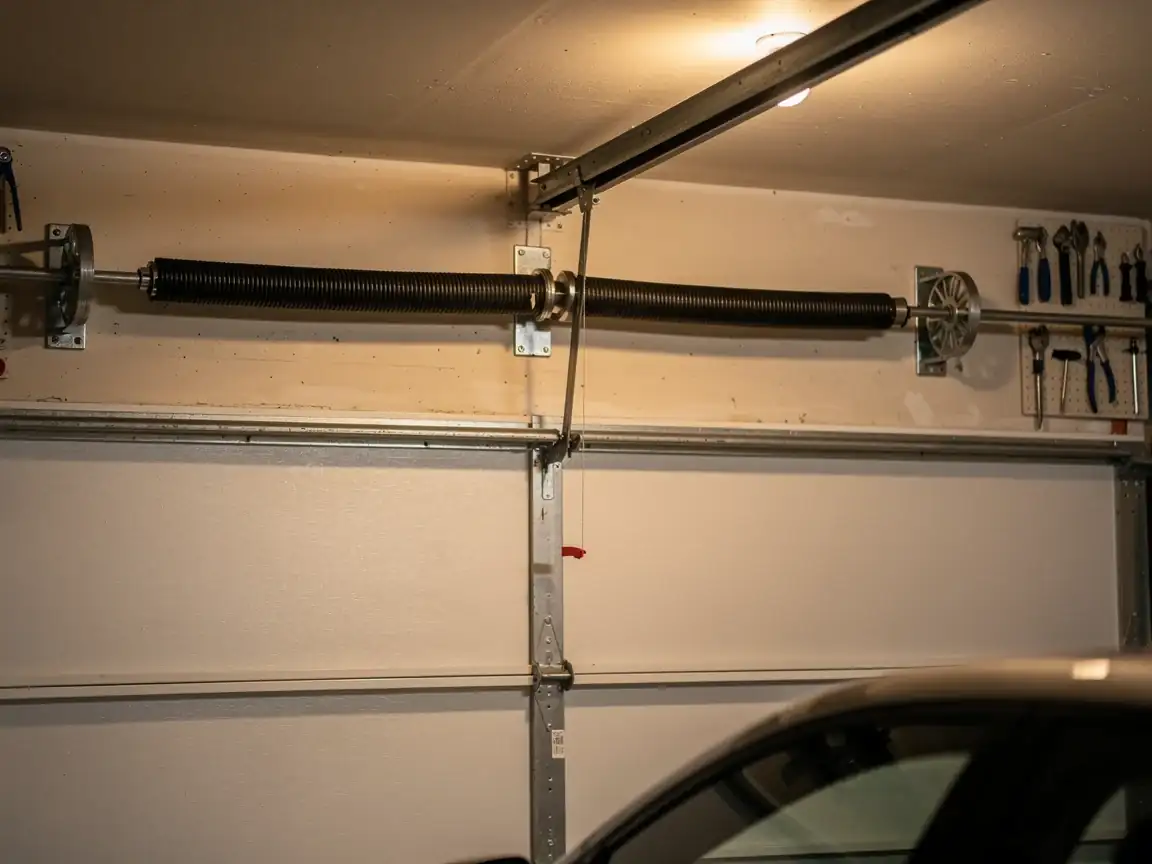
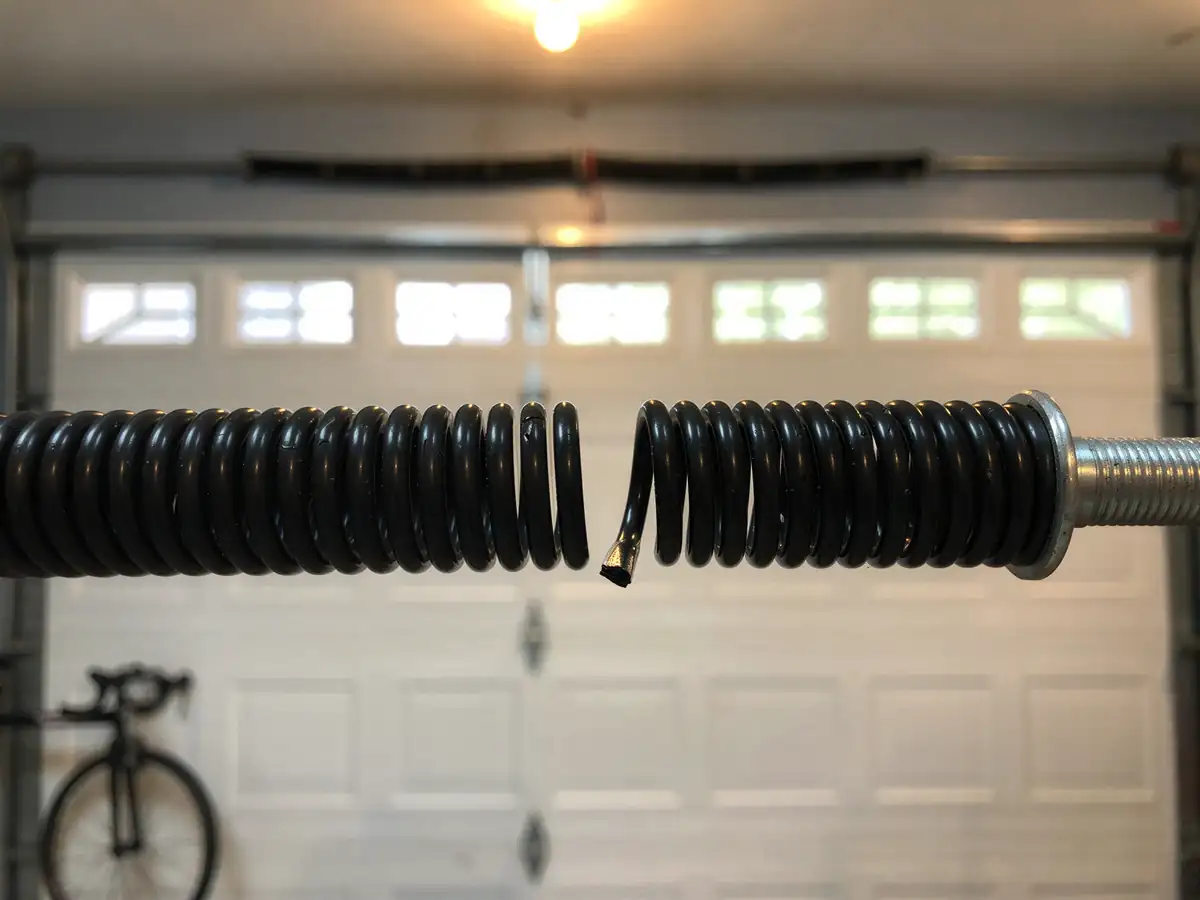
We'll always quote the job in front of us, not a number off a sheet, because two houses built the same year in this area can need completely different work depending on what's behind the wall. One honest limit: if your opener is tied into a door that's at the end of its life - bent track, cracked panels, springs sized wrong for the door's actual weight - we're not going to sell you a new opener bolted to a dying door. We'll tell you straight when the door needs attention first.
How It Shows Up
It usually starts small
The opener runs louder than it used to, or it takes a second longer to grab the door before lifting. On the older chain-drive units common in houses from the 1966-1982 stock era in this area, that extra second is often the gear starting to strip under load.
In the cold months, you might notice the door struggles on the first open of the day and then runs fine once it's cycled a couple times
That's the cold moderate climate at work, thickening old grease and tightening up any slack in the chain or belt. If the opener starts reversing partway through closing with nothing blocking it, that's frequently a misadjusted or aging safety sensor, which circles back to the retrofit issue common on original wiring from this era.
The clearest sign something's past patching is when the opener runs the full cycle but the door lags behind it
Straining audibly. At that point the motor's doing work the door's springs should be doing, and that mismatch wears out a new opener just as fast as it did the old one.