Why This Fails Locally
Most of the opener calls we take in this area trace back to the same thing: the house
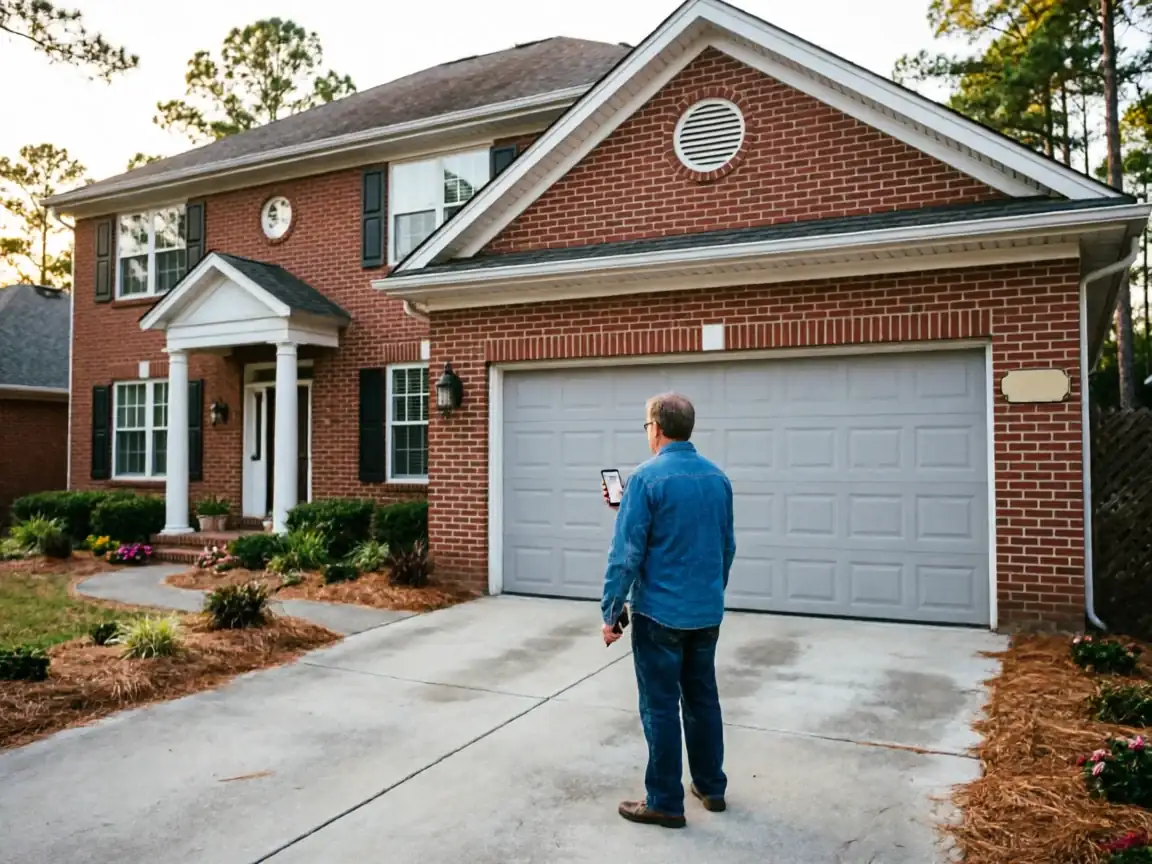
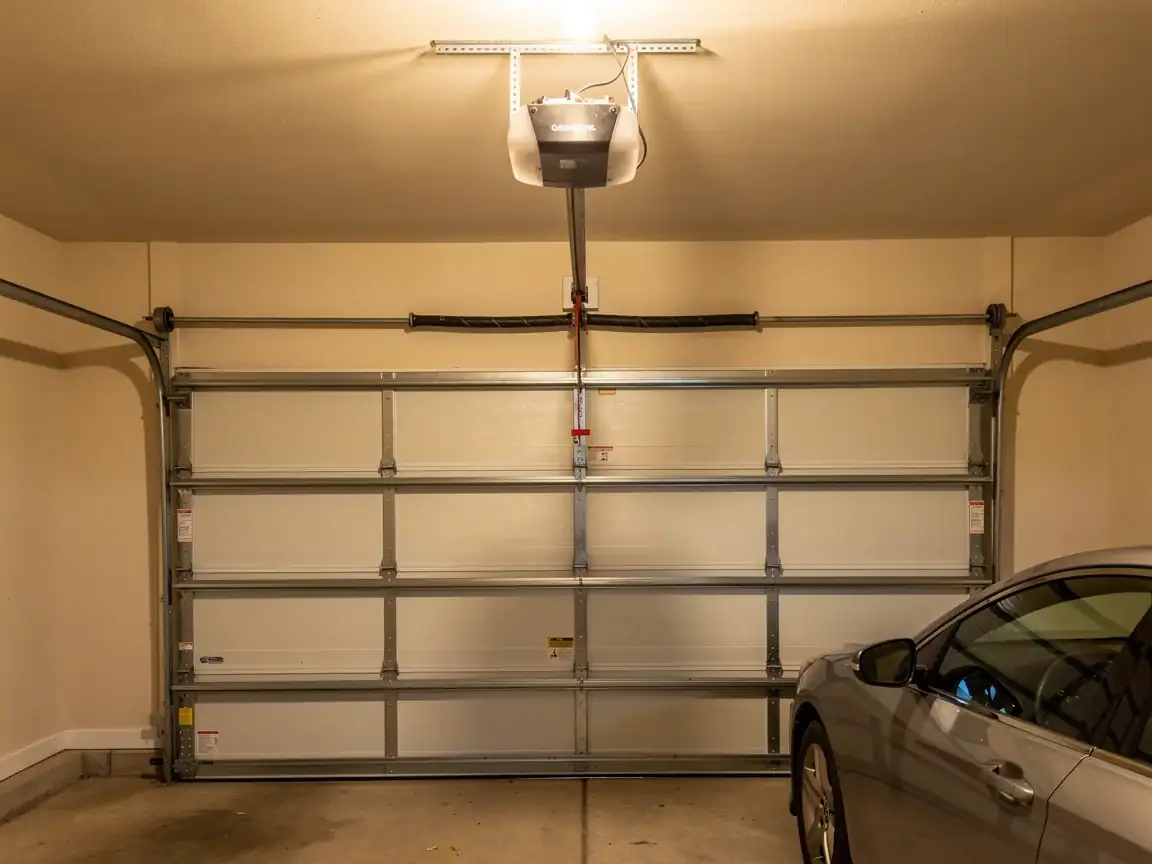
Housing across this part of the service area was built mostly between 1966 and 1982, with the median year landing around 1975, and that pattern holds across the four areas we cover most - Oakland, Auburn, Brownsville, and Franklin. A lot of those houses never had their opener swapped out. The chain-drive unit bolted to the ceiling joist in 1975 may still be the one running today, or it's a half-hearted replacement from a few decades back wired into the same old switch box and pull-cord light fixture.
Add the climate on top of that
This region sits in a cold-moderate band, which means winters bring real temperature swings - not brutal, but enough to stiffen old grease on a worm gear, shrink a decades-old drive belt, and make aging capacitors in an old logic board act up right when you need the door most. A newer opener handles that fine. A unit that's been running since the Ford administration, on wiring from the same era, does not. That combination - old housing stock plus a real winter - is why opener failures cluster here instead of spreading evenly by chance.
What Can Go Wrong
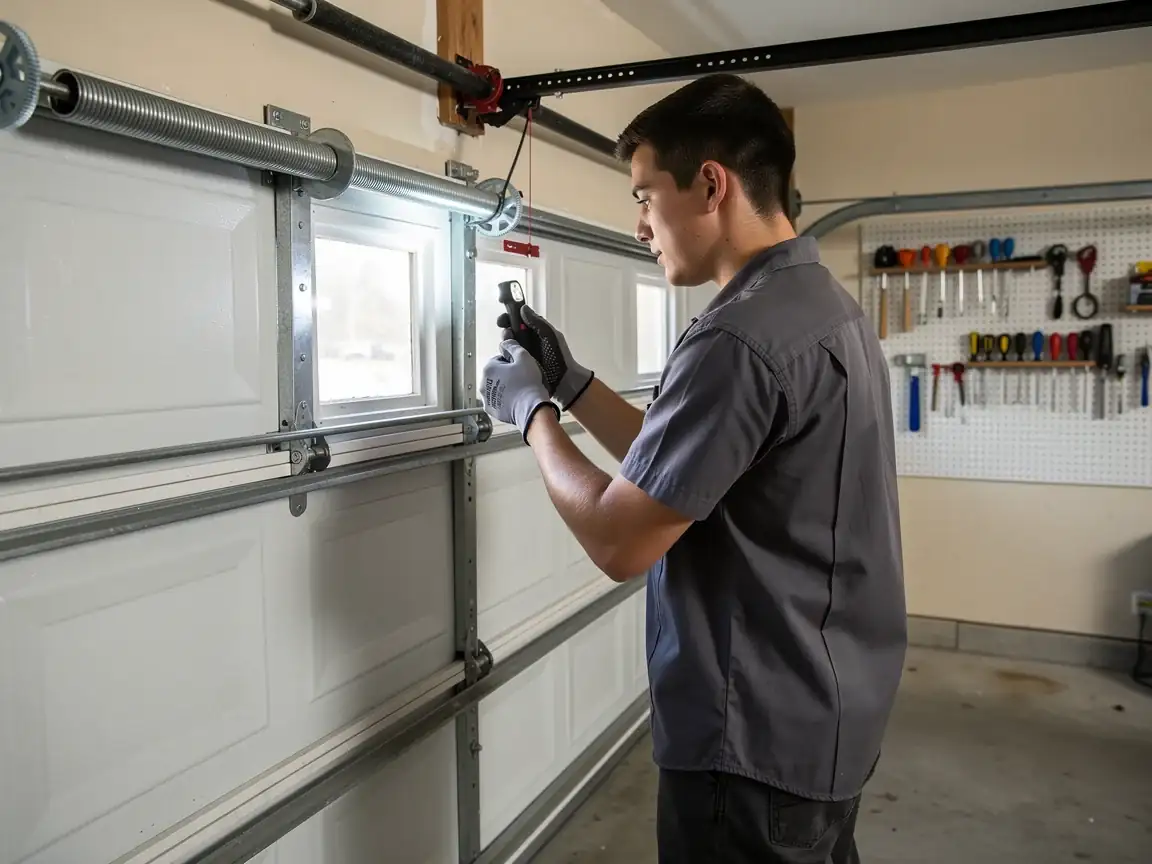
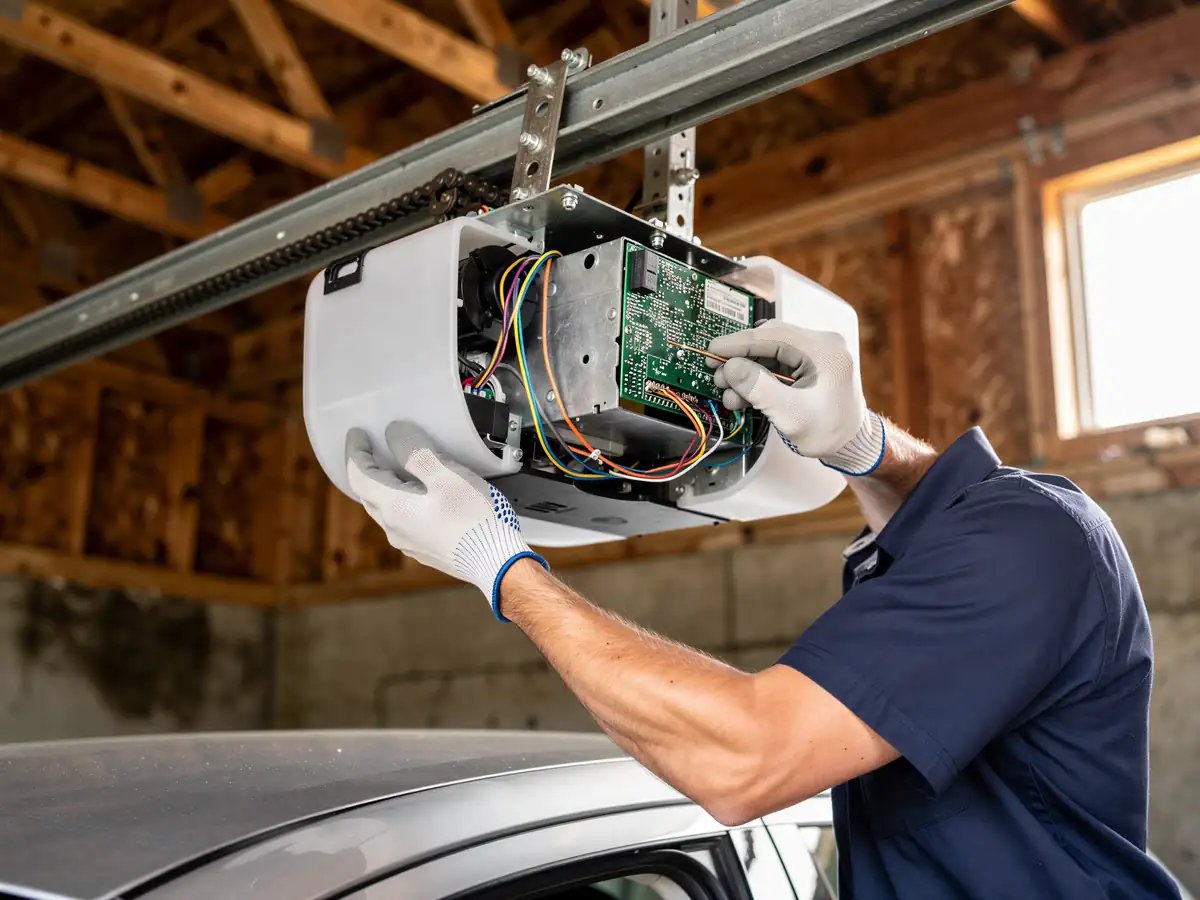
The logic board is usually the first thing to go on an opener from that 1960s-70s generation, especially once the unit has been through enough winters for condensation to work into the housing. You'll see it as a unit that runs the motor but won't respond to the remote, or one that responds to the wall button but not the clicker. Safety sensors are the next common failure - not because the sensors themselves are old (most have been replaced at least once) but because the wiring running to them, original to the house, has brittle insulation that cracks and shorts.
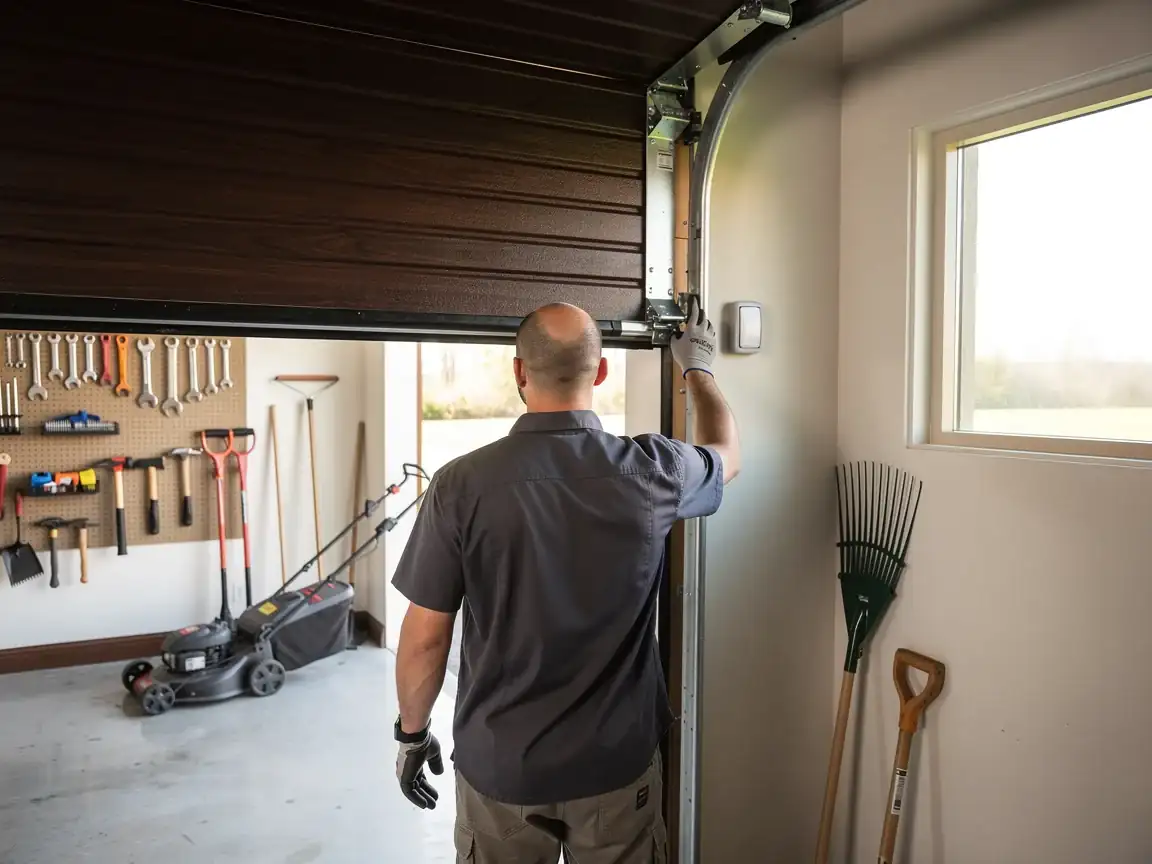
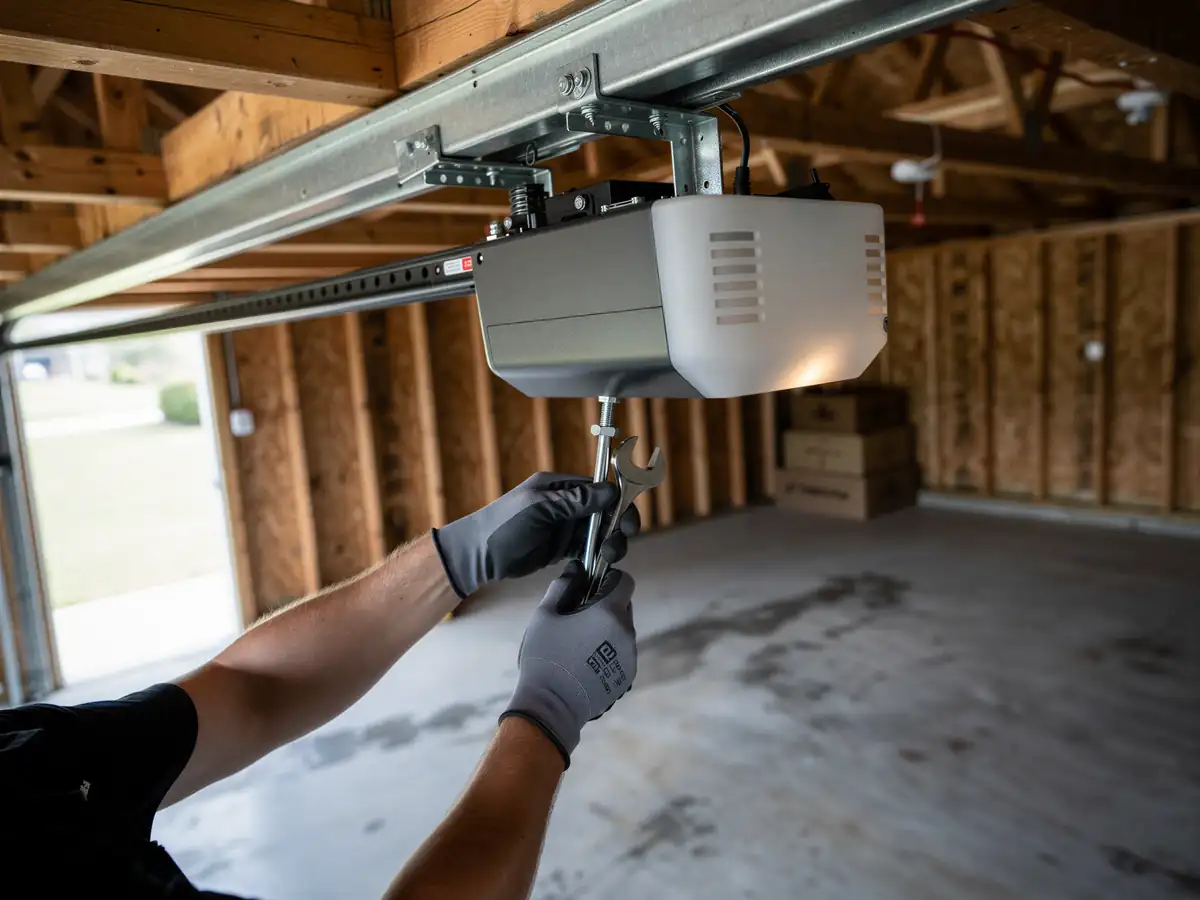
Gears and sprockets wear out too, especially on the older chain-drive units that make up a lot of this area's stock - you'll hear grinding or a slipping chain before the door stops moving a full cycle. Cold makes all of this worse. Grease that was fine in August turns thick in January, which puts more load on a motor and gearset that are already decades past their rated life. We also see capacitor failure on the motor itself, which shows up as a door that hums and doesn't lift, or lifts partway and stops.
What You Pay
We don't have a flat number to put here, because opener repair pricing depends on what's actually failed - a logic board, a sensor run, a gear, a capacitor - and we won't quote a figure without looking at the unit first. What we can say: across an area where the median household income runs $46,071 and most of the 2,306 owner-occupied houses are decades into their original electrical runs, replacement parts for openers this old aren't always sitting on a shelf. Some boards for units from the 1970s and 80s take time to source, and if a part's genuinely unavailable, a full opener swap ends up being the honest answer instead of a repair that won't hold.
That's the one limitation worth saying plainly: we'll tell you up front if your unit is a repair or a replace, and we won't keep billing hours chasing parts for a board nobody makes anymore. Most of the time it's a straightforward fix. Sometimes it isn't, and you're better off knowing that before we start instead of after.
How It Shows Up
Usually it starts small
The remote works from the driveway but not from the street, or it takes three or four presses before the motor kicks in. Then it gets worse through a cold snap - the door reverses halfway up for no reason, or the wall switch does something but the keypad doesn't. Some homeowners notice the opener running louder than it used to, a grinding note that wasn't there a year ago, which usually means a gear is close to stripping.
Across the area's 4,889 households, the calls we get cluster around a few patterns
A door that won't respond at all some mornings but works fine by afternoon once things warm up, a unit that trips the circuit breaker on cold starts, or a safety sensor light that blinks instead of staying steady. None of these are dramatic on their own, but they're the early signs of hardware that's run longer than it was built to, in houses where the opener was never on anyone's replacement list until it quit.
- 4,889 households