Doing It Yourself
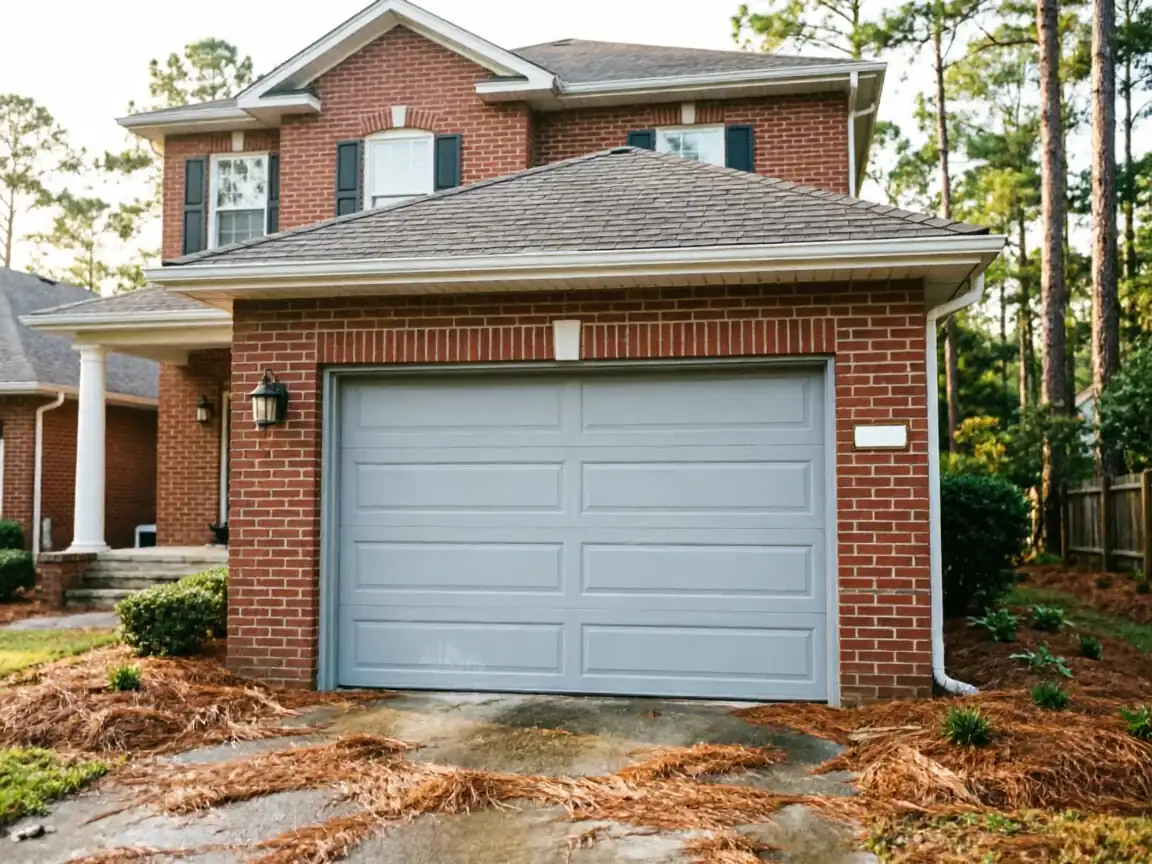
A lot of Franklin's housing went up between 1966 and 1982
With the median sitting right at 1975. That matters here because a door built in that window is carrying spring hardware that's either original or one replacement removed from original - meaning the wind on that torsion bar or the tension on those extension coils has had close to fifty years to fatigue the steel. Watching a video and pulling a winding bar on a spring that old is a different risk than doing it on a five-year-old door. The steel can be more brittle than it looks, and a spring under full wind that lets go does real damage to a hand or a face.
We don't sell DIY spring kits and we won't talk you through a wind-up over the phone
That's the one limitation we're upfront about. If you've got the tools and the experience, extension springs on an older sectional door are more forgiving to swap than a torsion setup, but torsion is what most of these houses were built with once that style became standard through the 70s. If you're not sure which one is on your door, that uncertainty alone is the reason to have someone look at it before you touch the bar.
Getting It Booked In
We're based out of Bowling Green and Franklin is about 19 miles out, so a repair here gets worked into the day's route rather than dispatched as a standalone stop. That's not a knock on the town - it's just how a one-shop operation covers a service area that stretches to four named places. When you call, we ask what the door's doing (won't open, dropped on one side, cable hanging loose) so we bring the right spring stock rather than guessing on-site.
If your door is original to a house built in the 1966-1982 window, say so when you call - it saves a trip back out for the correct spring size. You can also see what else we cover for the area on the Franklin garage doors page, or compare how this same job is priced and handled for Bowling Green proper on the spring repair page for that town.
What You Pay
We don't have a flat number to quote you here, and we're not going to make one up. Spring jobs price differently depending on whether the door runs one spring or two, torsion or extension, and what size spring the door actually needs - a heavier insulated door takes a heavier spring than the lighter single-layer doors common on homes from this era. What we can tell you is that the quote gets built from what's actually on your door, not from a generic 'garage door repair' rate card.
Franklin's median household income runs $55,552, noticeably above the wider service area figure of $46,071. We mention that only because it shapes how people here tend to decide between a spring repair and a full door swap - a repair on a serviceable door almost always wins out, and we'll say so plainly if replacement isn't worth it. We'd rather tell you a repair is the right call than upsell a door you don't need.
How We Fix It
First thing on site is figuring out which spring system the door actually has
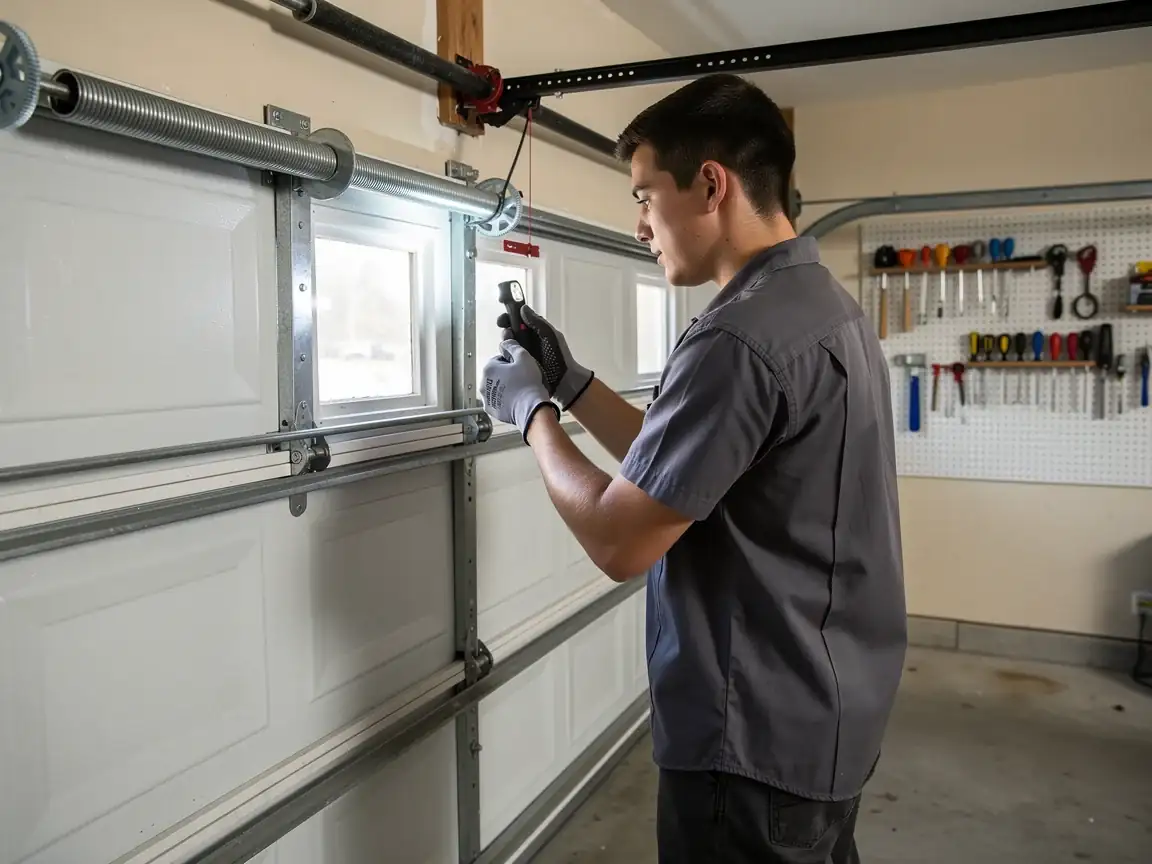
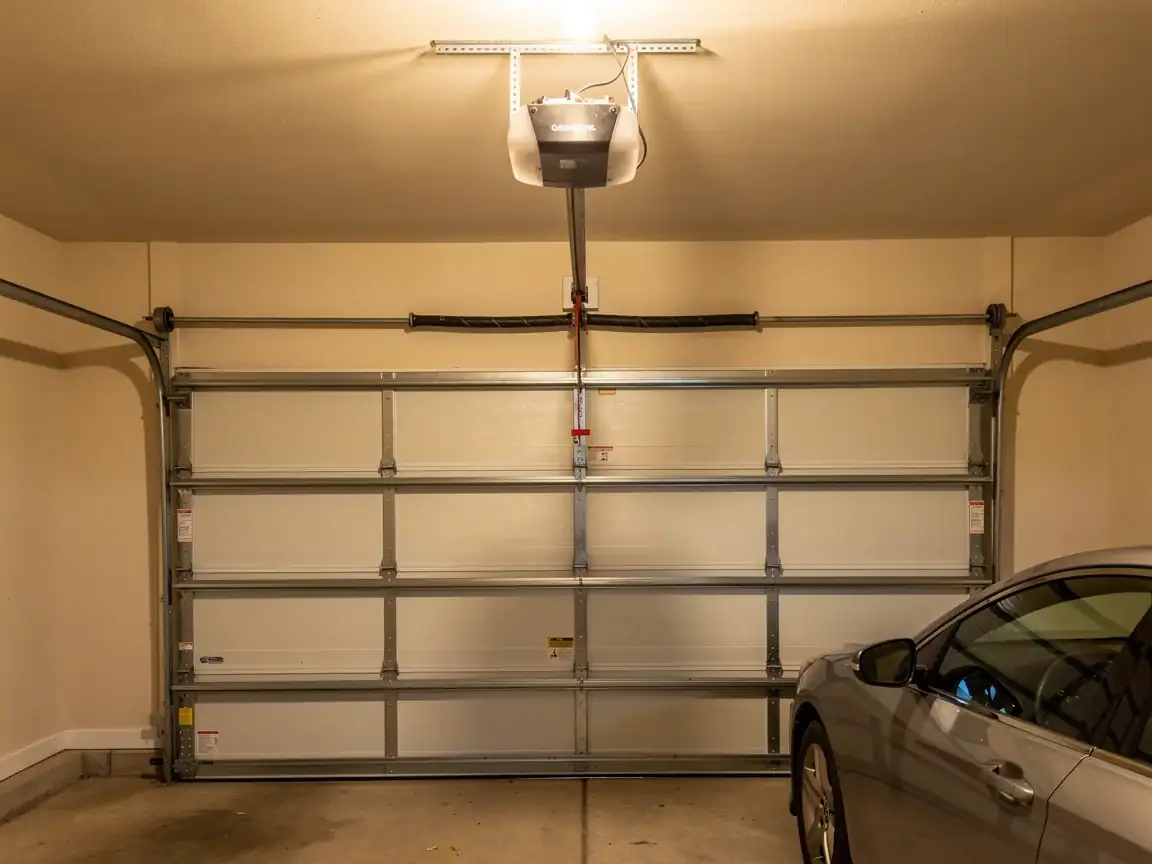
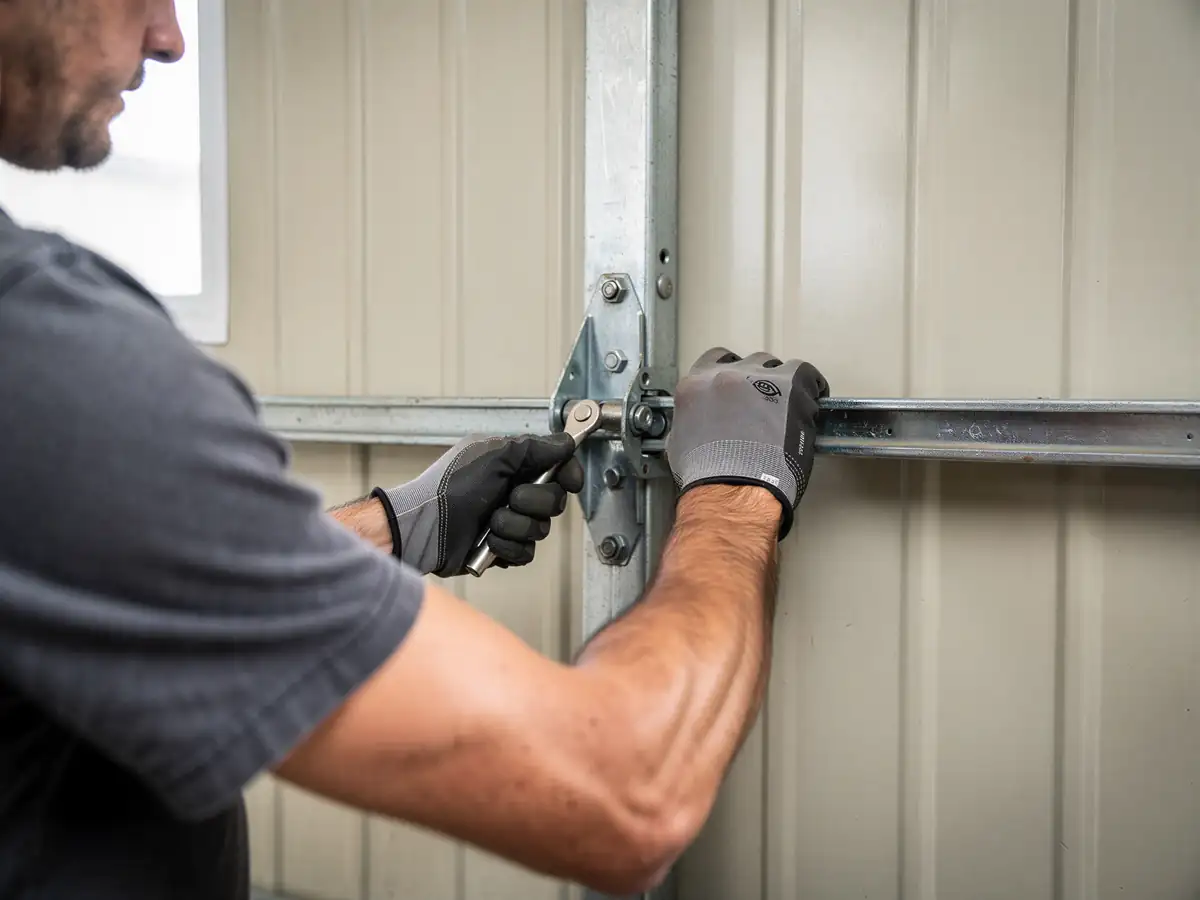
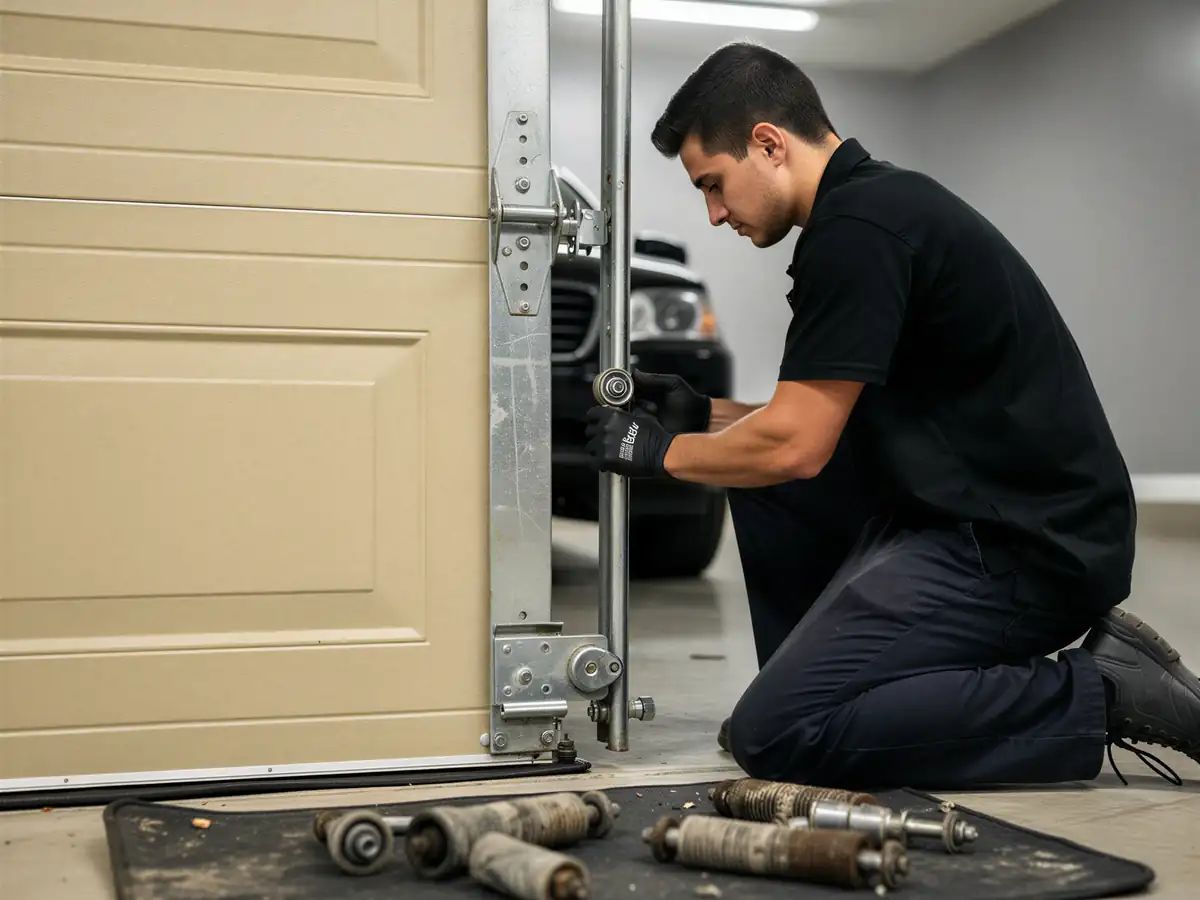
A lot of Franklin houses from the 1966-1982 build window have torsion springs mounted on a bar above the opening, though some older extension setups on side tracks are still out there too. We release tension safely, pull the broken spring or springs, and match the replacement to the door's weight and size rather than grabbing whatever's closest on the truck.
Once the new spring's wound and balanced
We run the door through a full open-close cycle and check it holds at mid-travel on its own - a door that won't stay put halfway is a sign the spring tension still isn't matched right, and we adjust until it does. We also check the cables and rollers while we're in there, since on a door this age a cable fraying next to a bad spring is common enough that it's worth the extra two minutes to look.
Why This Fails Locally
Springs fail on a schedule, not on a whim, and that schedule is mostly about cycle count and age. A door built around 1975 that's original has had close to five decades of winding and unwinding, and steel that's cycled that long loses tensile strength even if it's never looked rusty. The region sits in a cold-moderate climate band, and temperature swings through a Kentucky winter make steel more brittle at the exact moments it's under the most load - the spring that snaps on the coldest morning of the year isn't bad luck, it's physics catching up with age.
Across the area we cover from Bowling Green, Franklin's 1975 median build year puts it toward the newer end of the 1966-1982 range - Bowling Green's own stock skews a bit older in spots. That's a small difference, but it means the exact spring sizes and mounting styles we see pulling up to a Franklin address aren't always the same ones we see elsewhere on the route.
What Can Go Wrong
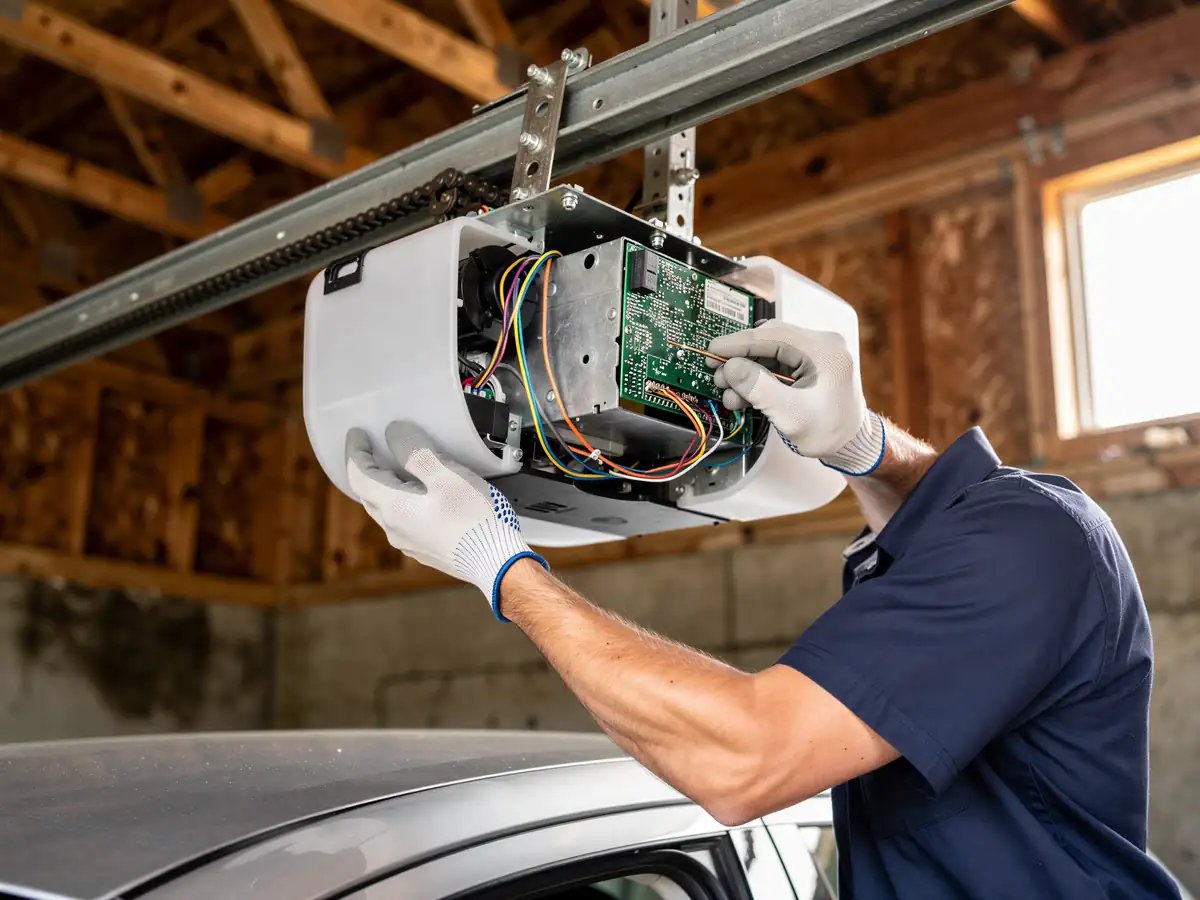
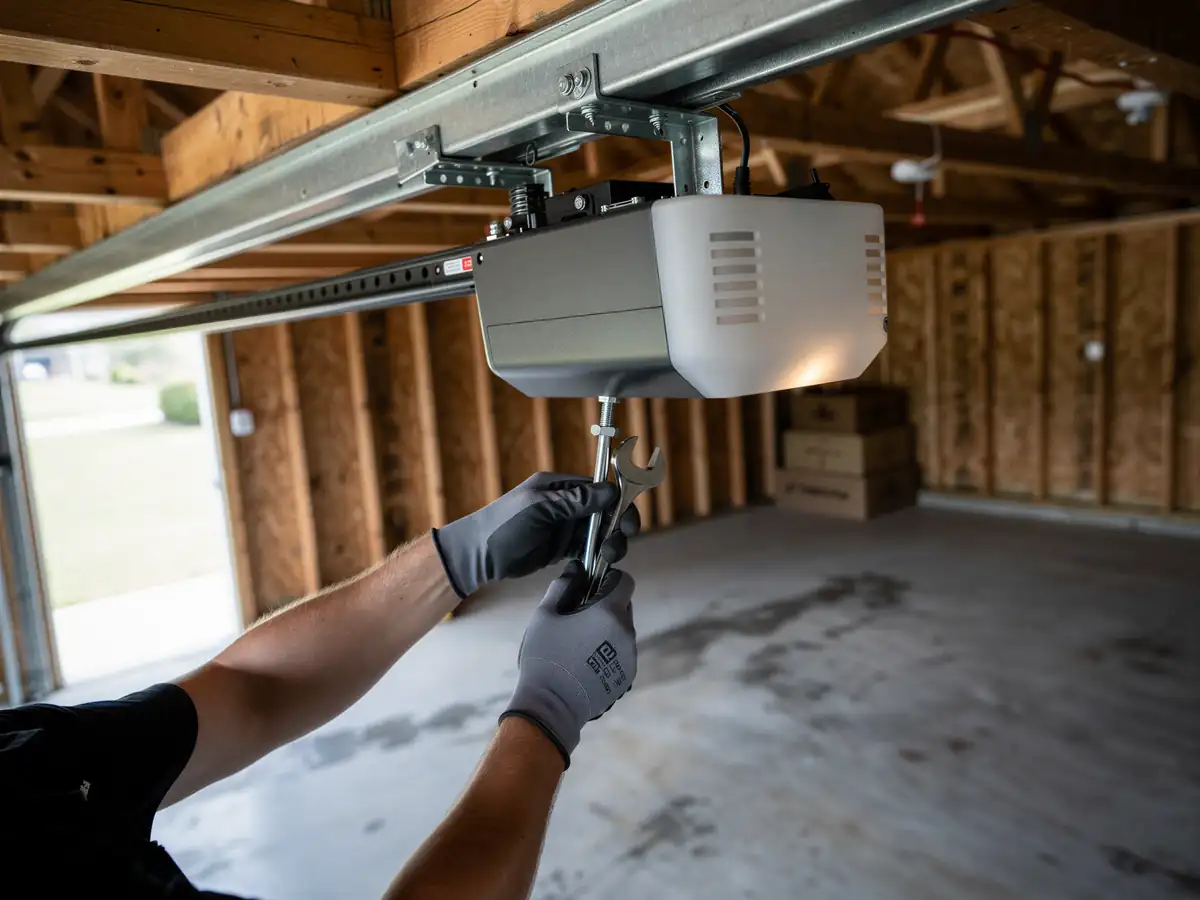
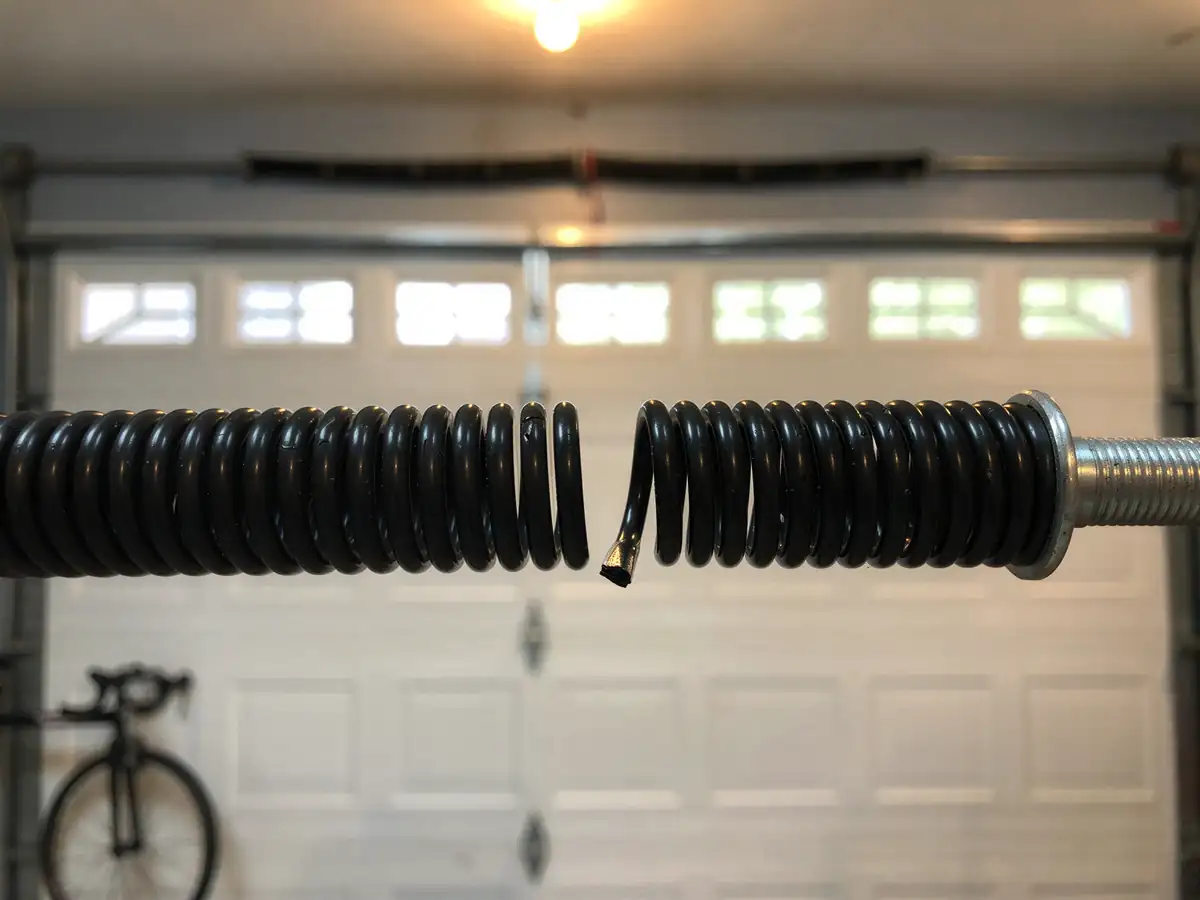
The most common call is a door that won't budge and a visibly gapped torsion spring - one clean break, usually loud enough the homeowner heard it happen. Less obvious is a spring that's cracked but not fully separated; the door still opens but drops hard or uneven, and the opener strains to lift it. Left alone, that strain burns out the opener motor or snaps a cable next, turning a spring job into a bigger one.
With 2,306 owner-occupied houses across the service area and 3,662 households in Franklin specifically, we see enough of these older doors to know the extension-spring setups are the ones most likely to have a frayed safety cable hiding behind the spring - that cable is what keeps the spring from firing across the garage if it breaks, and it's often as old as the spring itself. If that cable's gone, we're not replacing one part and calling it done.