Doing It Yourself
Franklin's housing stock centers on 1975
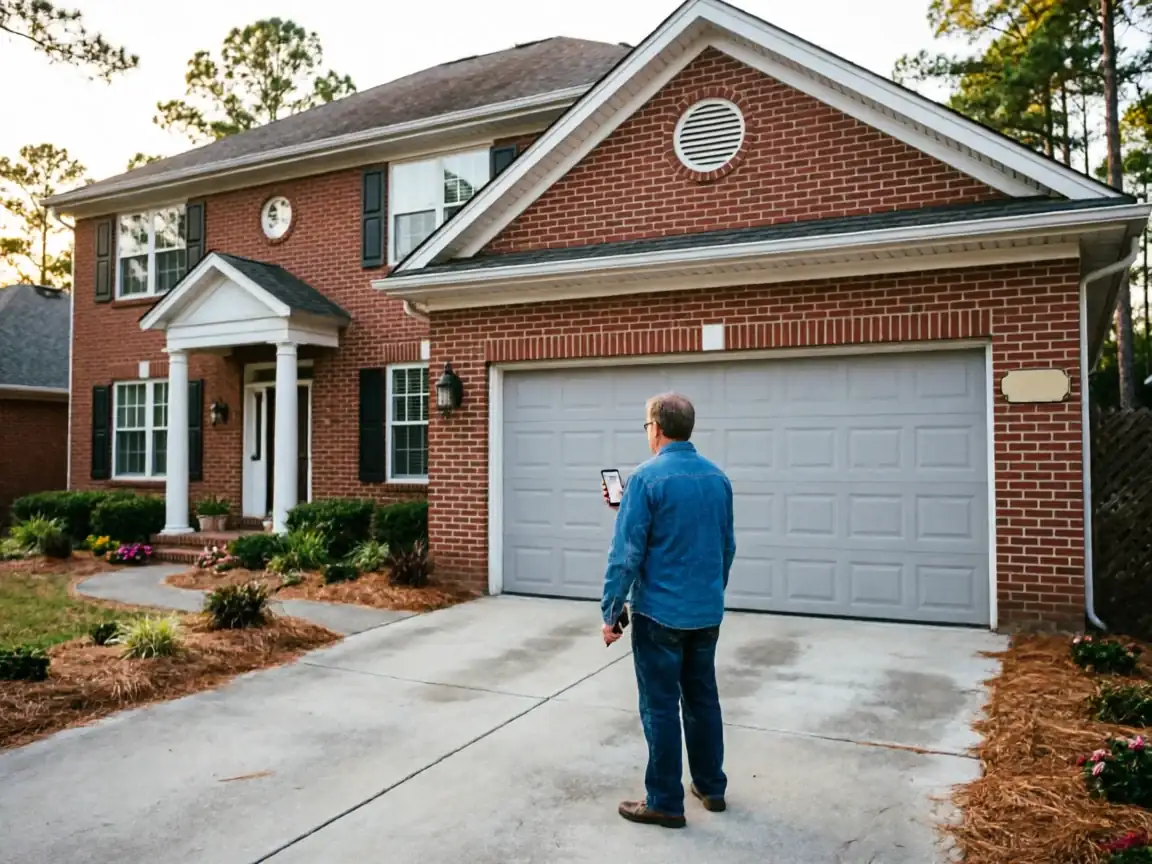
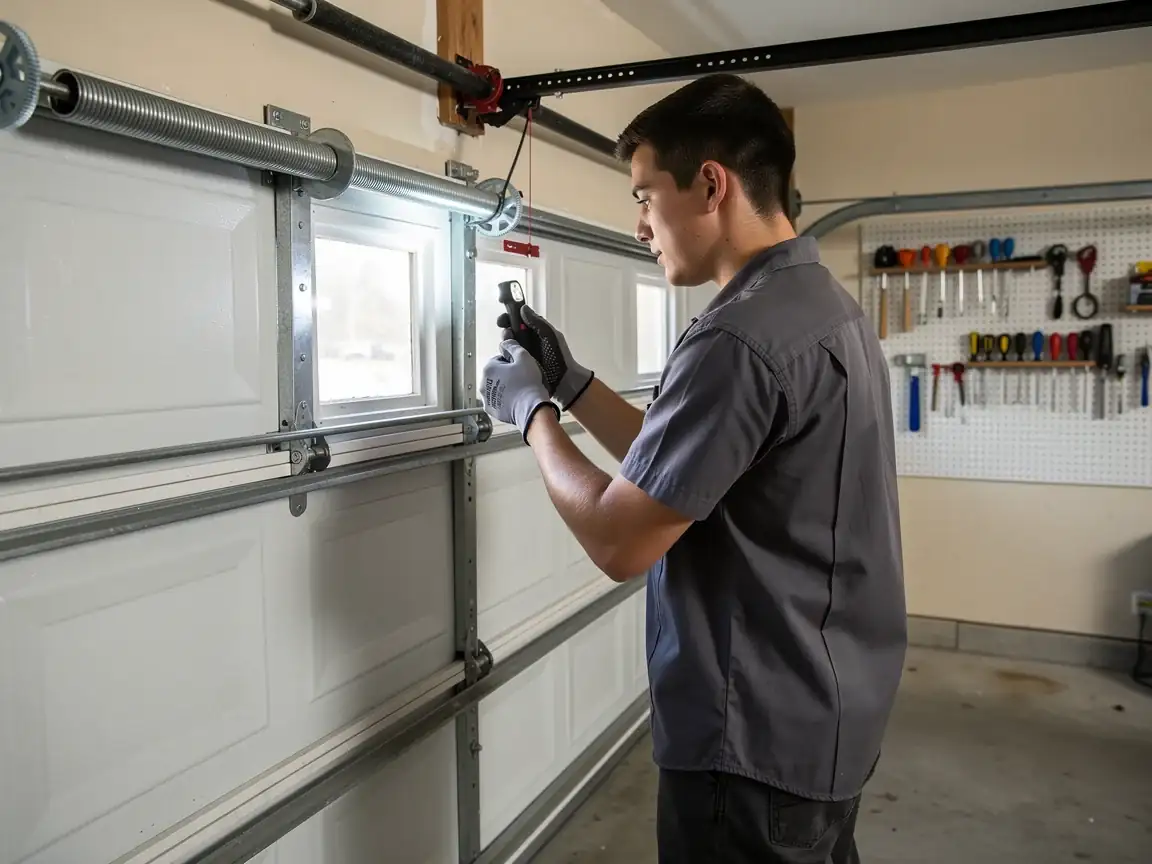
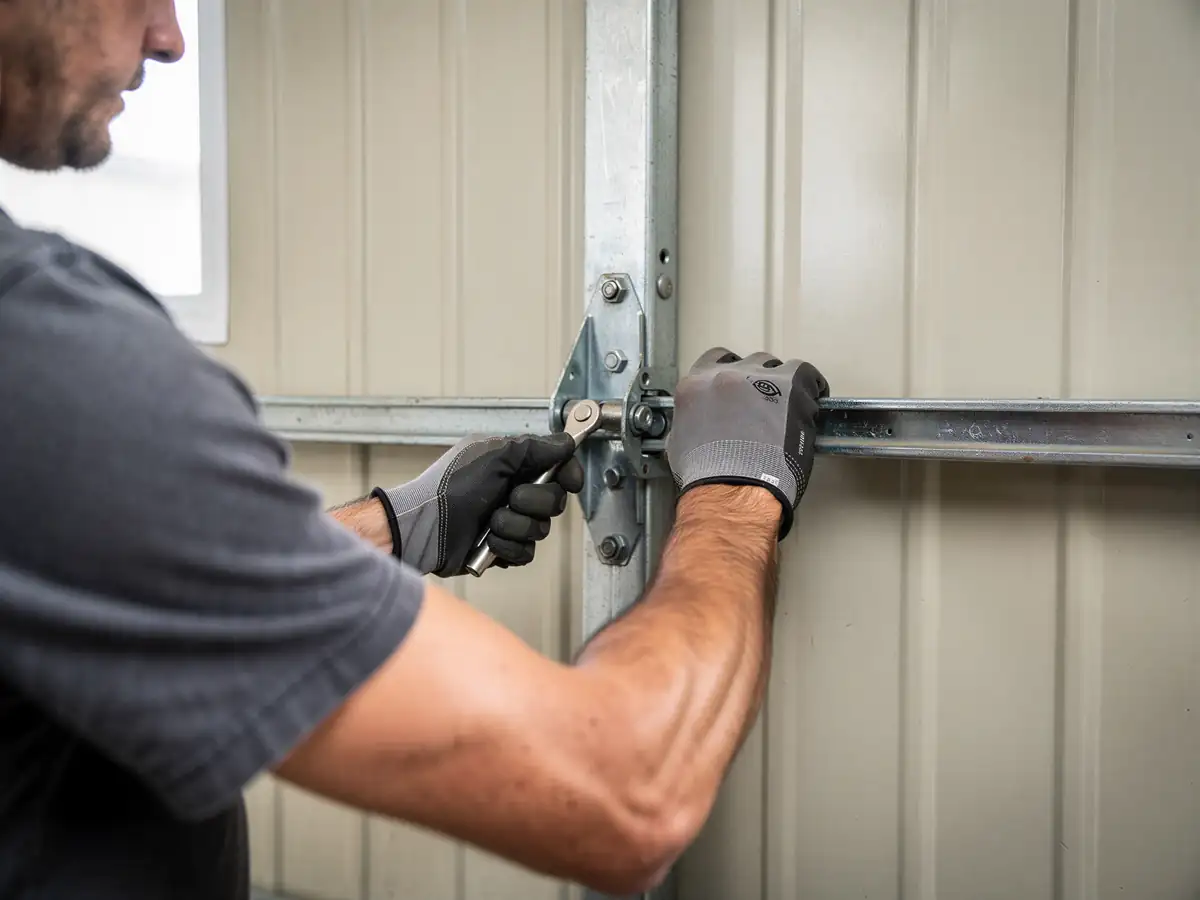
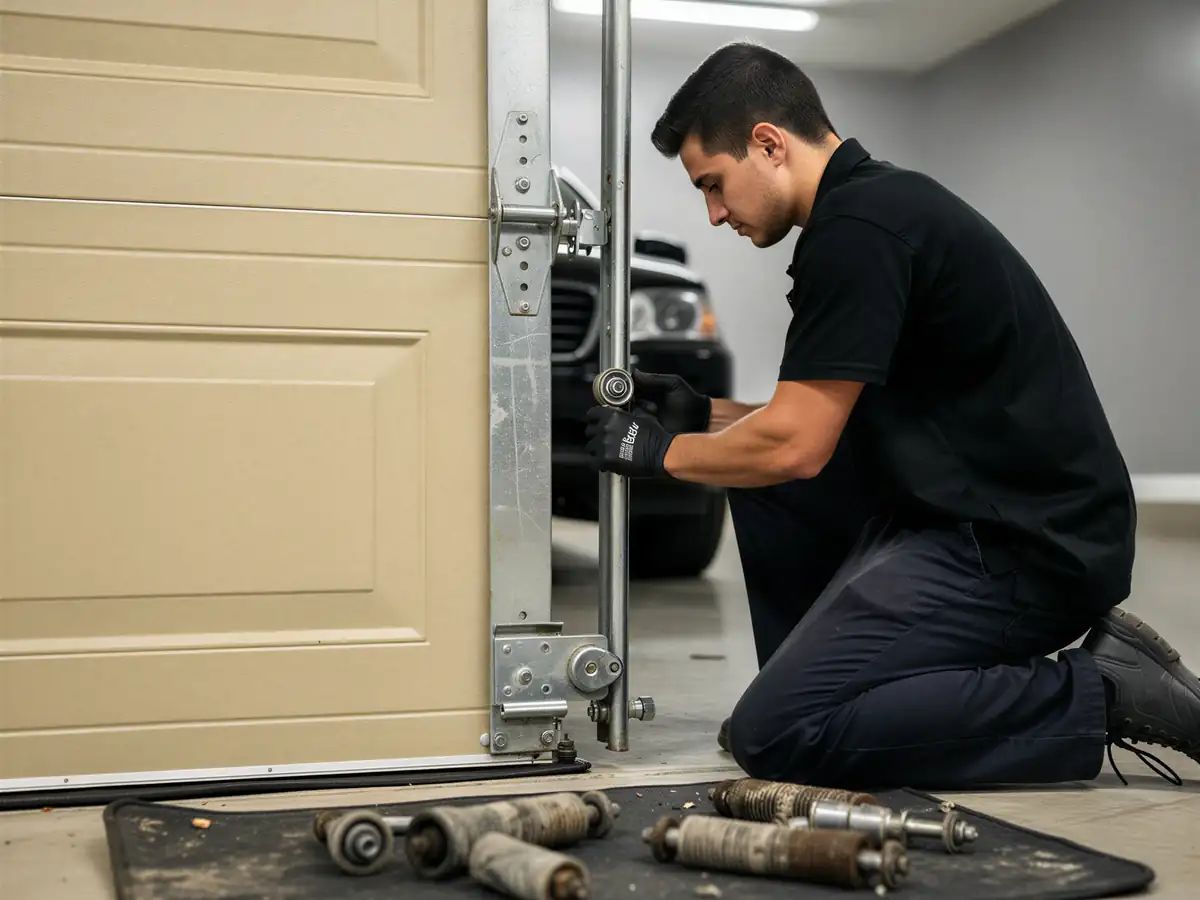
And a lot of doors out this way are still running the steel rollers they shipped with. Steel rollers on a track that's 45-plus years old don't pop out easily - they've worn a groove into the track that matches their exact wear pattern, and swapping just the roller without checking that groove is how you end up with a door that walks sideways in the track a month later. You can buy a 10-pack of nylon rollers at a hardware store and do the swap yourself if the track is still straight and the stems aren't bent. What you can't easily judge from the ground is whether the track itself has worn enough that new rollers won't ride true in it. If the door binds, jumps, or makes a grinding noise after a DIY roller swap, that's usually the track talking, not the roller.
We're honest about this one
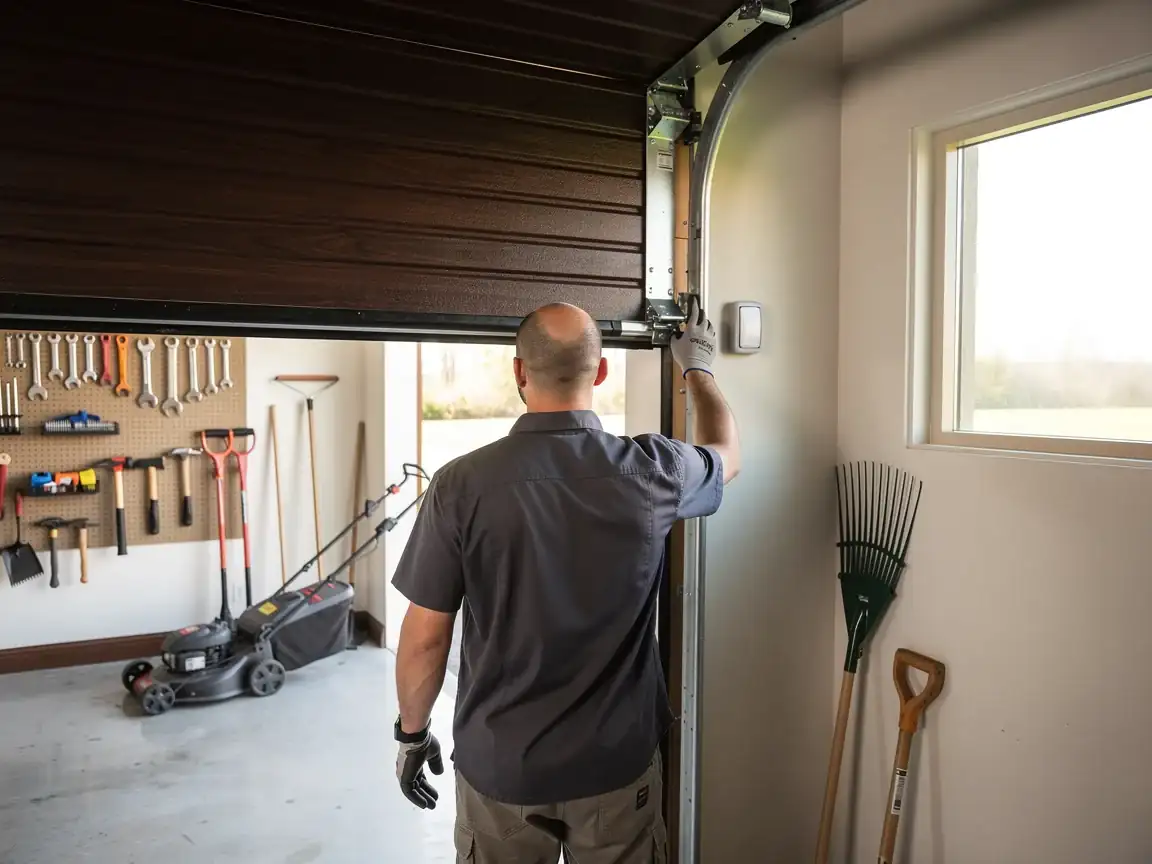
A roller swap on a door with straight track and no rust is a job plenty of Franklin homeowners can do themselves on a Saturday. Where we earn the call is when the track is bent, the rollers are seized into the hinge, or the door is a two-car at a weight that makes working overhead alone a bad idea.
Getting It Booked In
We run out of Bowling Green, about 19 miles from Franklin, so a roller job here gets scheduled rather than handled same-hour the way an in-town emergency might be. That's worth knowing before you call - if a cable just snapped and the car's trapped inside, say so, because that changes the order of the day. A straightforward roller replacement is a planned visit: we ask what the door's doing (grinding, jumping track, binding on one side), roughly how old the house is, and whether this is a single or double door, then we bring rollers sized for 1970s-era steel sectional doors, which is what most of Franklin is running.
Booking ahead also means we can bring the right roller stem length the first time. Older steel doors sometimes used a shorter stem than what's standard on doors built after 1990, and showing up with the wrong stem means a second trip nobody wants.
What You Pay
We don't have a posted price list for roller replacement specific to Franklin, and we're not going to invent one here. What we can tell you is what drives the number: how many rollers need replacing (a full set of 10 costs more than swapping two that failed), whether it's steel or nylon going back in, and whether the track needs straightening or replacing alongside the rollers - which on a door built around 1975 is a real possibility if nobody's touched it since. Ask for the breakdown when we quote the job so you know what's roller and what's track.
Why This Fails Locally
Franklin's median household income sits at $55,552, and across roughly 3,662 households here, a lot of garage doors are original or close to it, dating to that 1975 build-out. Steel rollers on steel track, left alone for decades, wear a matched pattern into both parts - which is fine until one roller finally seizes or cracks, and then the door doesn't glide so much as fight its way up. This area sees the same cold, moderate winters as the rest of the region, and cold tightens steel and makes a dry, worn roller bind harder on the first cold mornings than it did in summer. It's not dramatic, it's just wear catching up with hardware that's been running for 45-plus years without anyone checking it.
What Can Go Wrong
A roller that's worn thin but hasn't failed yet can jump the track under load - usually when the door's near the top or bottom of travel and the opener is pulling hardest. If that happens, the door can come down crooked, and you're looking at a track repair job, not just a roller swap. A seized roller can also crack a hinge bracket if it's forced through a full cycle, which turns one worn part into two. None of this is common on a door that's otherwise been maintained, but on original 1975-era hardware that's never had a roller looked at, it's the kind of failure we see when owners wait until the door won't move at all before calling.