Getting It Booked In
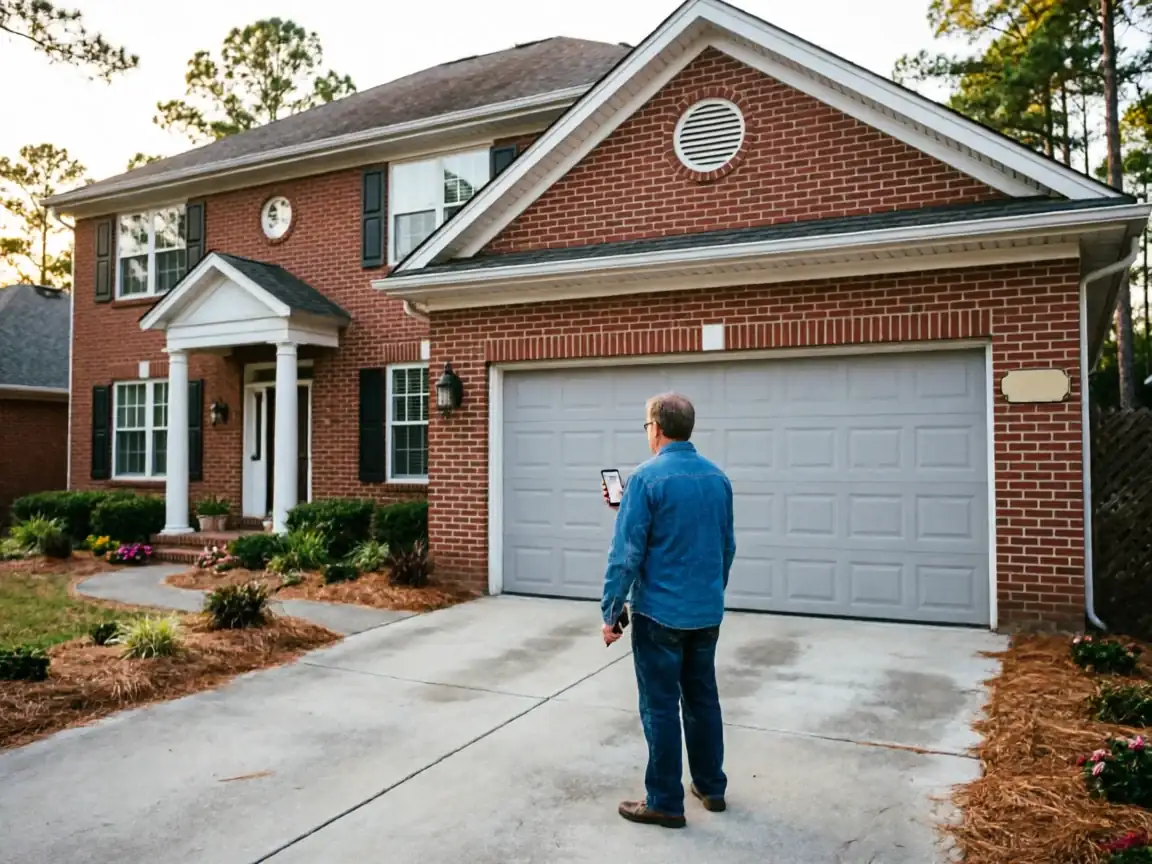
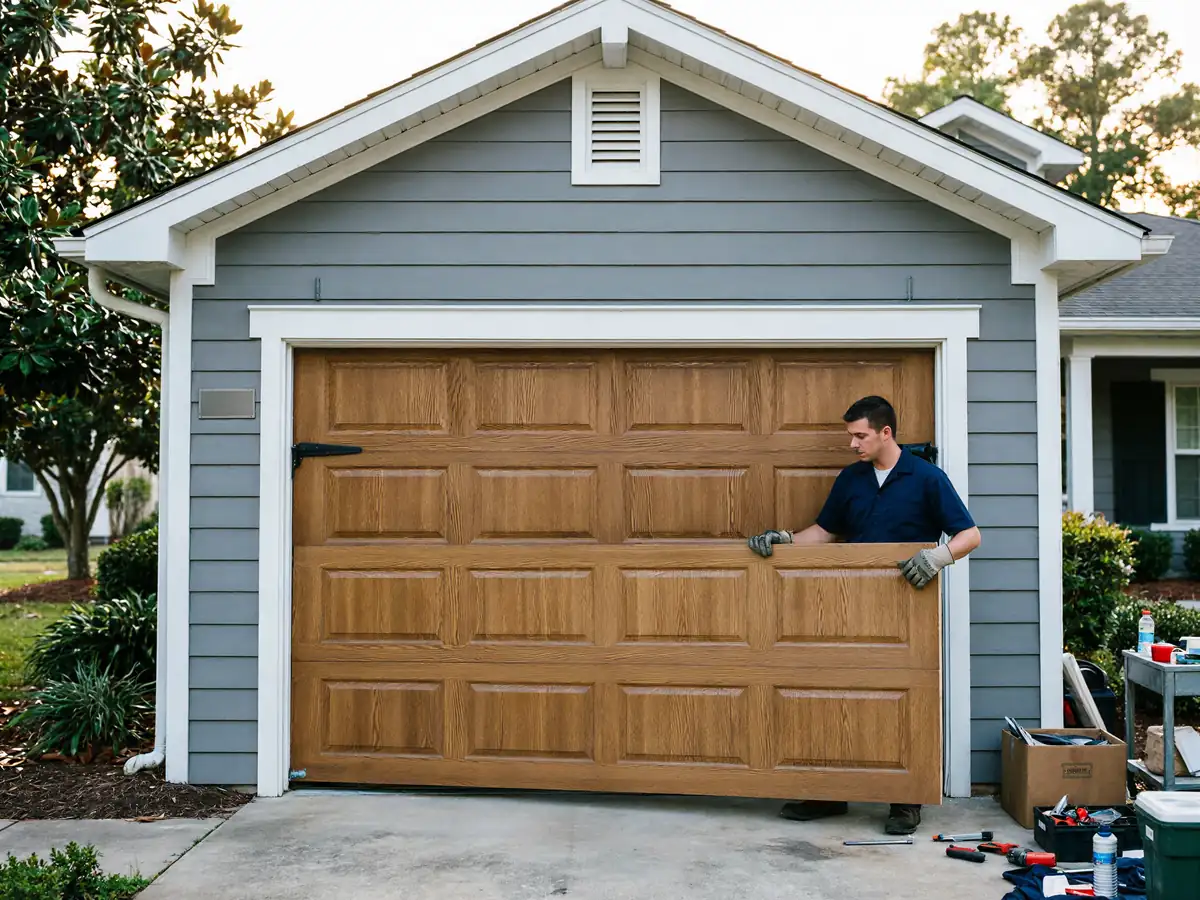
We run out of Bowling Green, and Franklin is a 19-mile drive from there - not far, but far enough that there's no satellite office or parked truck sitting in town waiting on a call. That drive gets built into how the day routes, which is why booking ahead, even by a few hours, makes a real difference in when we can get to you versus someone who calls in cold. The same crew and the same trucks that cover Bowling Green cover Franklin; it's one territory, not a separate branch with separate capacity. When you call, tell us what the door is doing - won't open, off the track, making a specific noise - so the job gets staged with the right parts before the truck leaves. For a torsion spring, that means knowing the door's weight and width ahead of time, not guessing on site and making a second trip.
What You Pay
We don't post a flat number for garage door repair because a torsion spring swap and a full track-and-roller job aren't priced the same, and a page that quotes one figure for both isn't being straight with you. What drives the cost is what's actually failed and whether the hardware on your door is original 1966-to-1982-era gauge or something swapped in more recently. Franklin's median household income, at $55,552, runs noticeably higher than the $46,071 median across the wider service area we cover out of Bowling Green - worth mentioning only because it shapes what kind of door and opener tend to be installed when a full replacement, rather than a repair, is the better call. We'll look at the door, tell you what's broken and why, and give you the number before anything gets touched - not after.
Why This Fails Locally
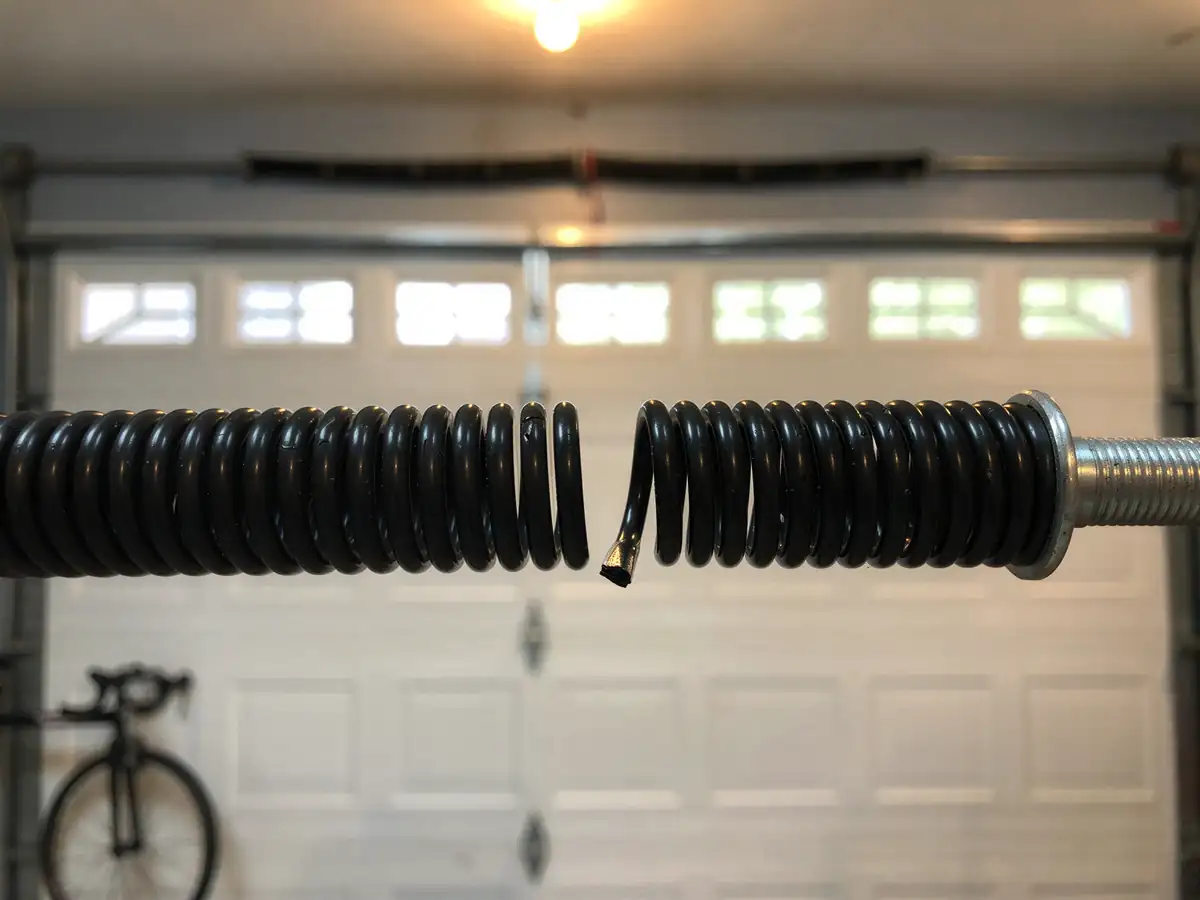
This area sits in a cold-moderate climate band, and cold is hard on old spring steel. A torsion spring that's been doing its job for decades gets more brittle as the metal ages, and a sharp temperature drop is often what pushes a fatigued coil past its limit - which is why spring failures cluster around cold snaps rather than spreading evenly through the year. Combine that with a housing stock centered on 1975: a lot of these doors are now carrying springs, cables, and rollers that are at or past the end of a normal service life, not because anyone neglected them but because fifty years is fifty years. Lubricant that's gone thick in the cold adds friction right when the hardware has the least margin left to work with. None of this is unique to any one house - it's a function of age meeting weather, and it's why a door that's been fine for years can go quiet in a single January morning.
What Can Go Wrong
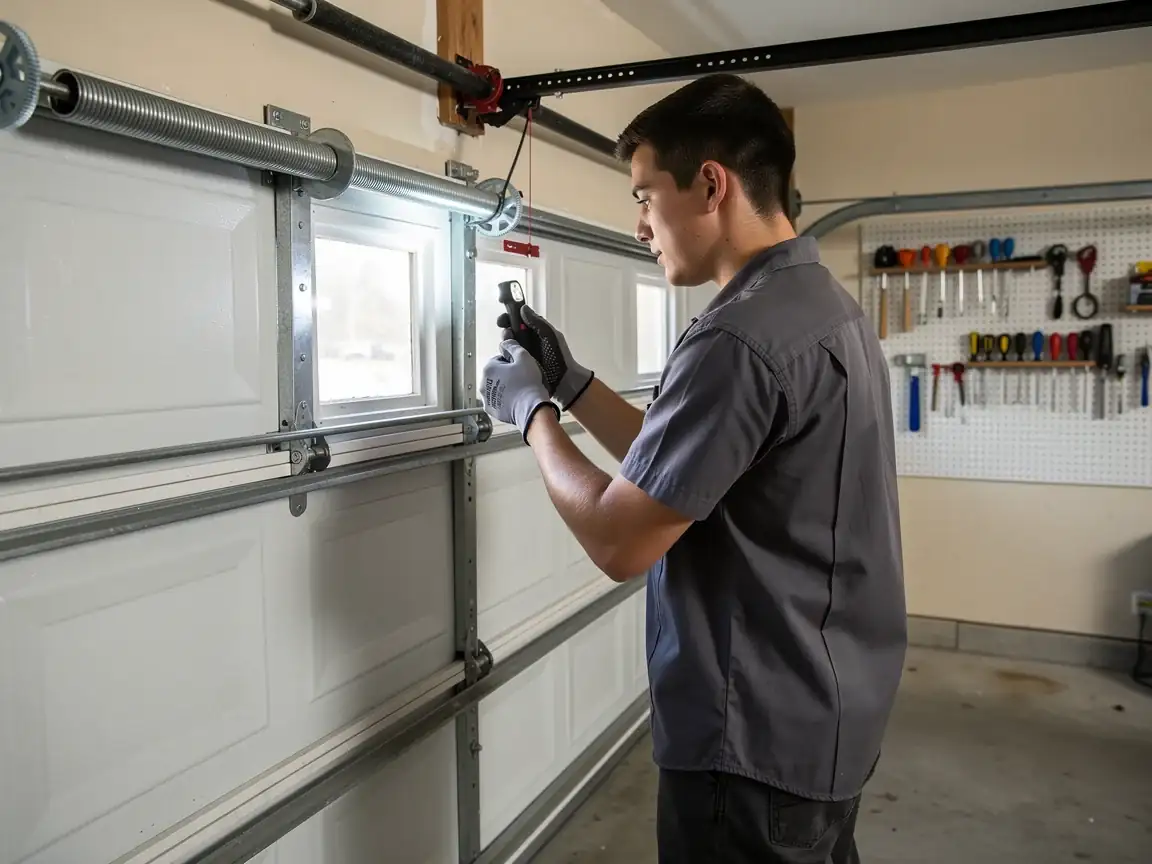
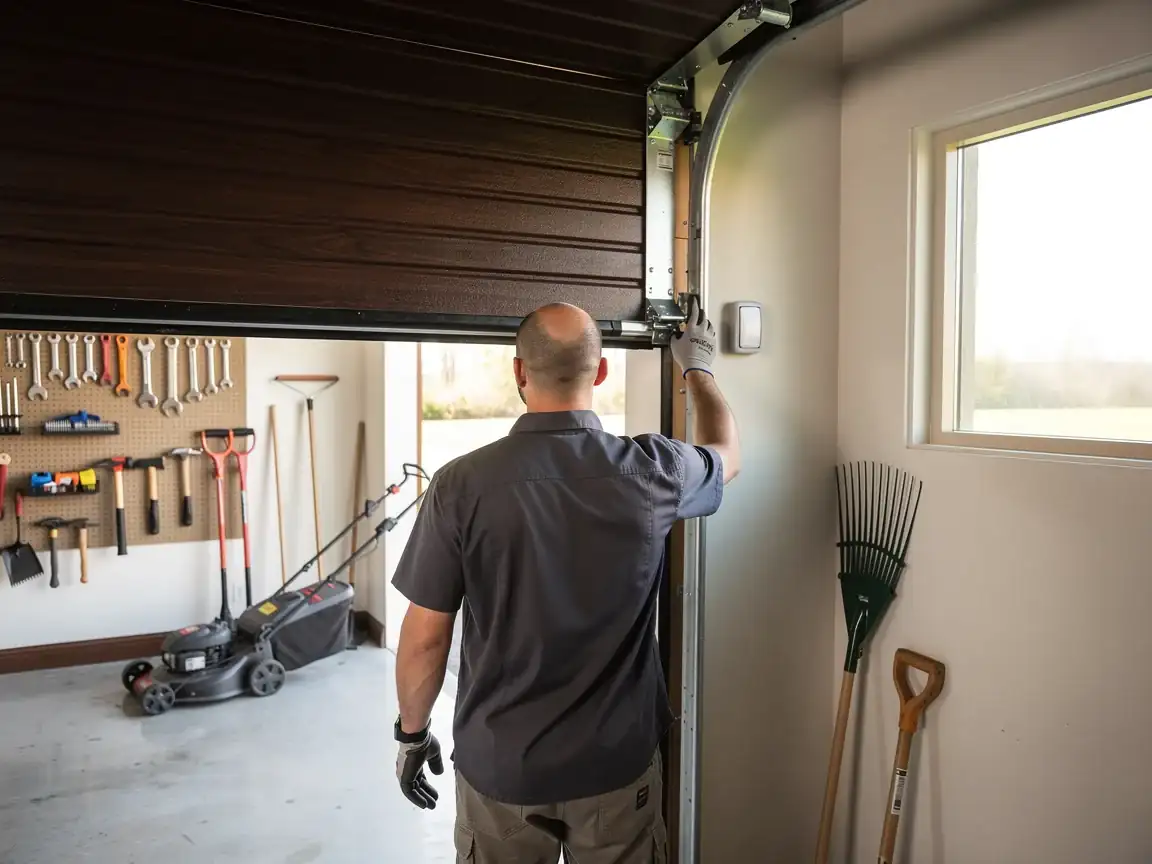
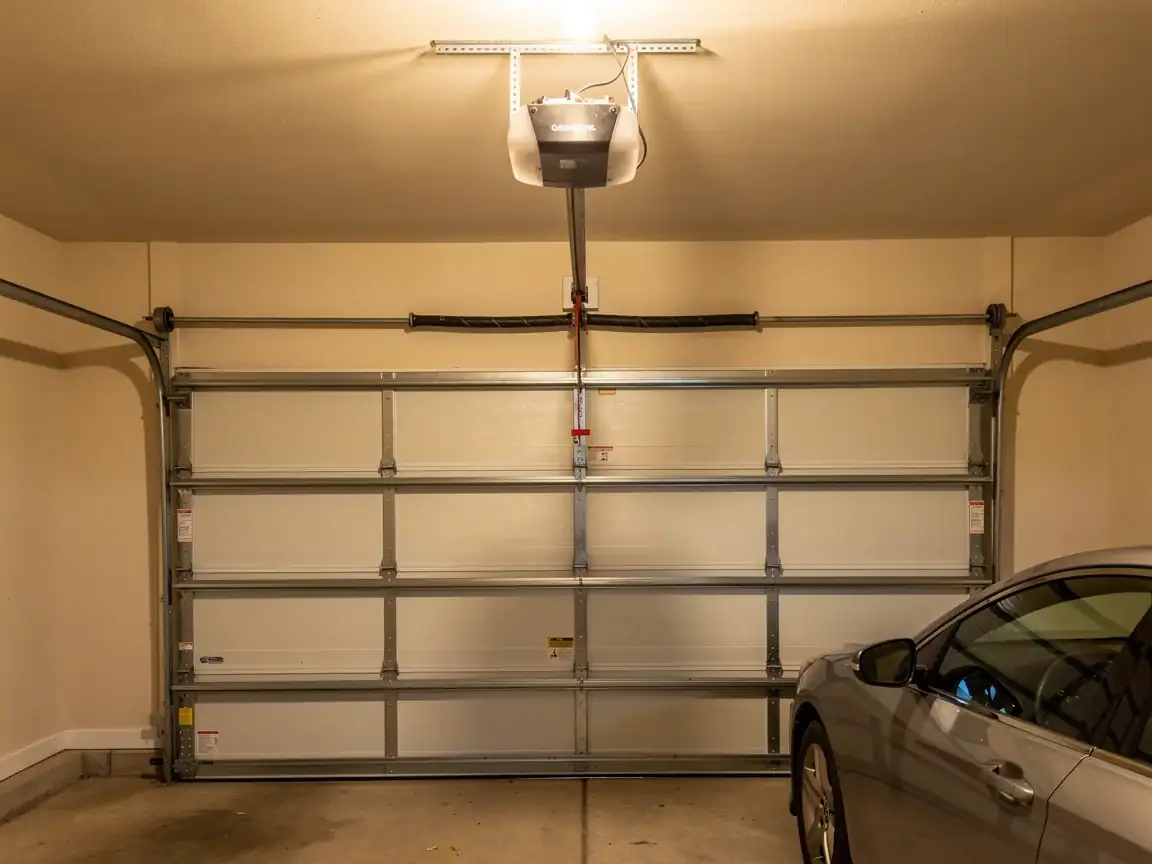
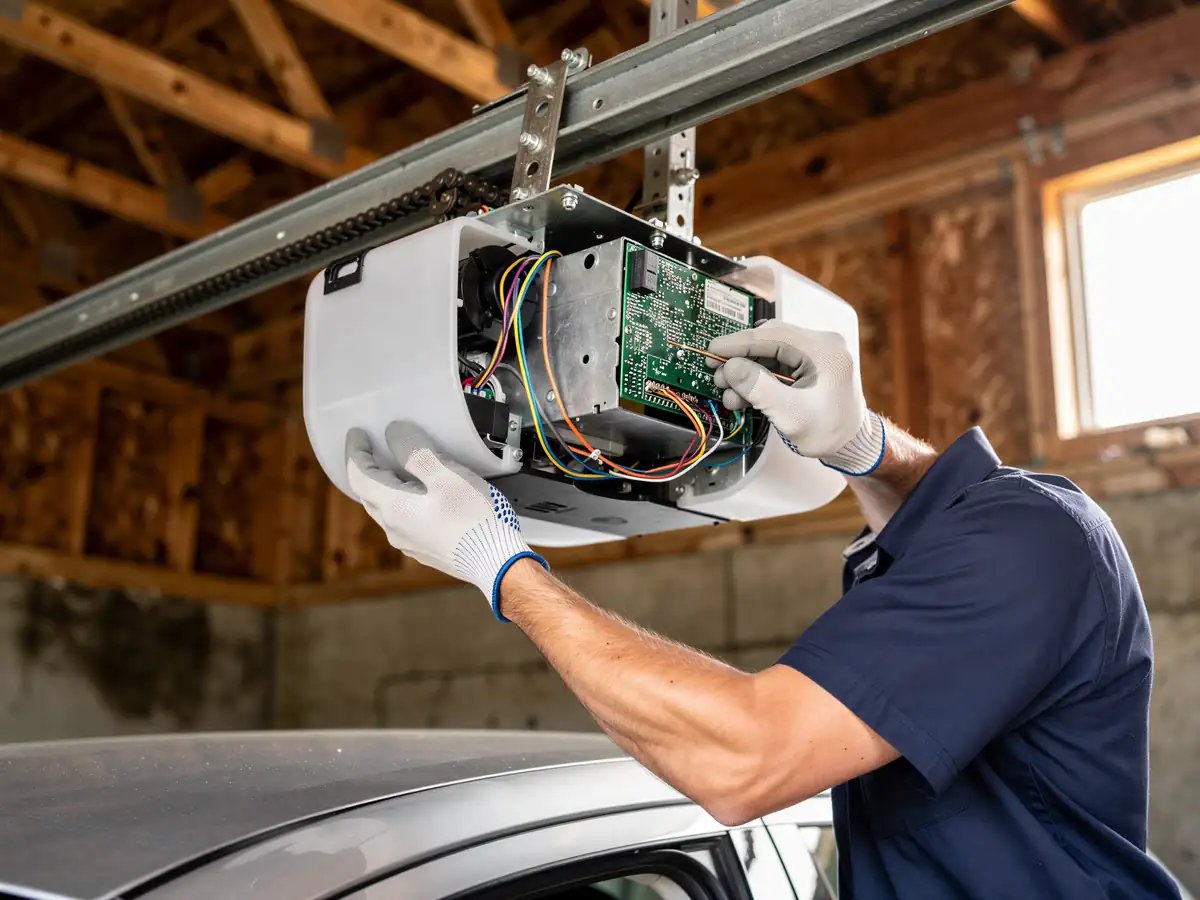
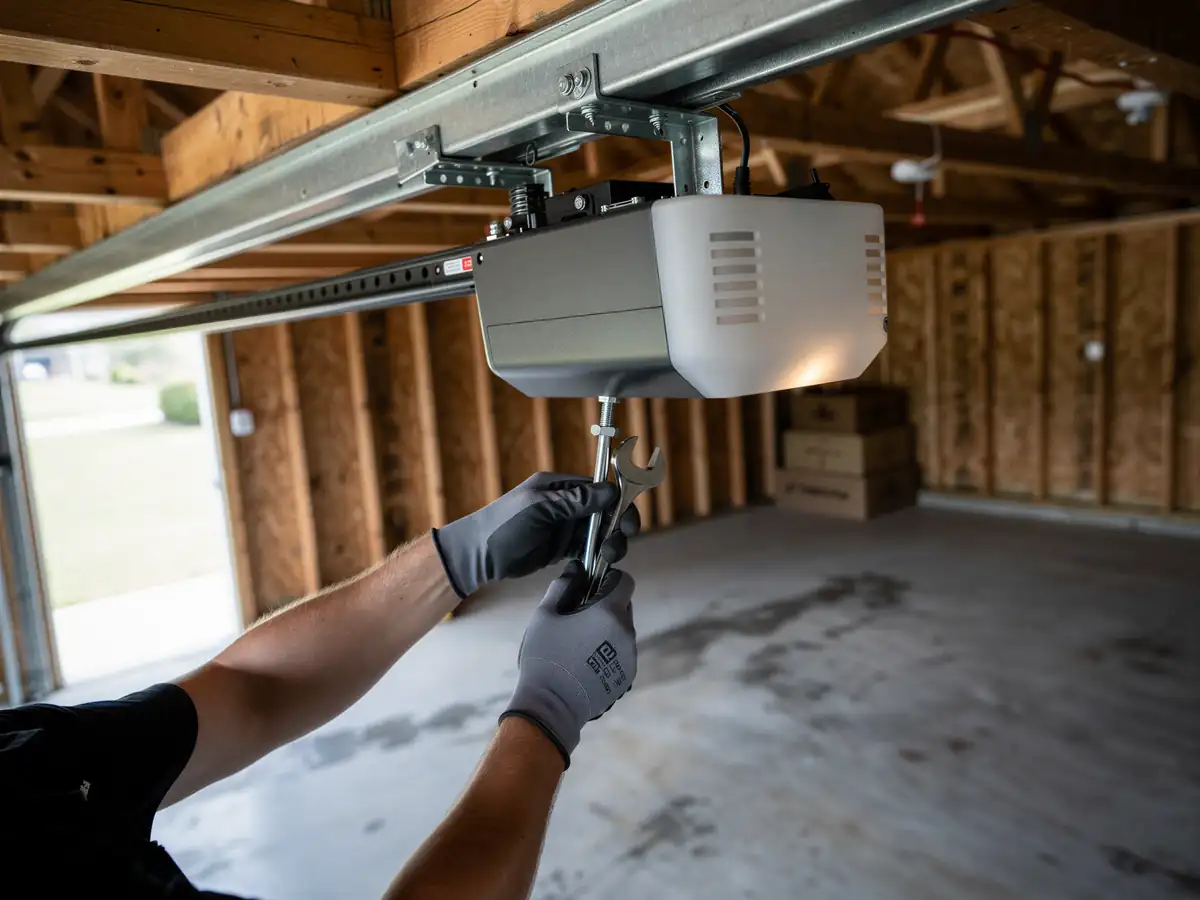
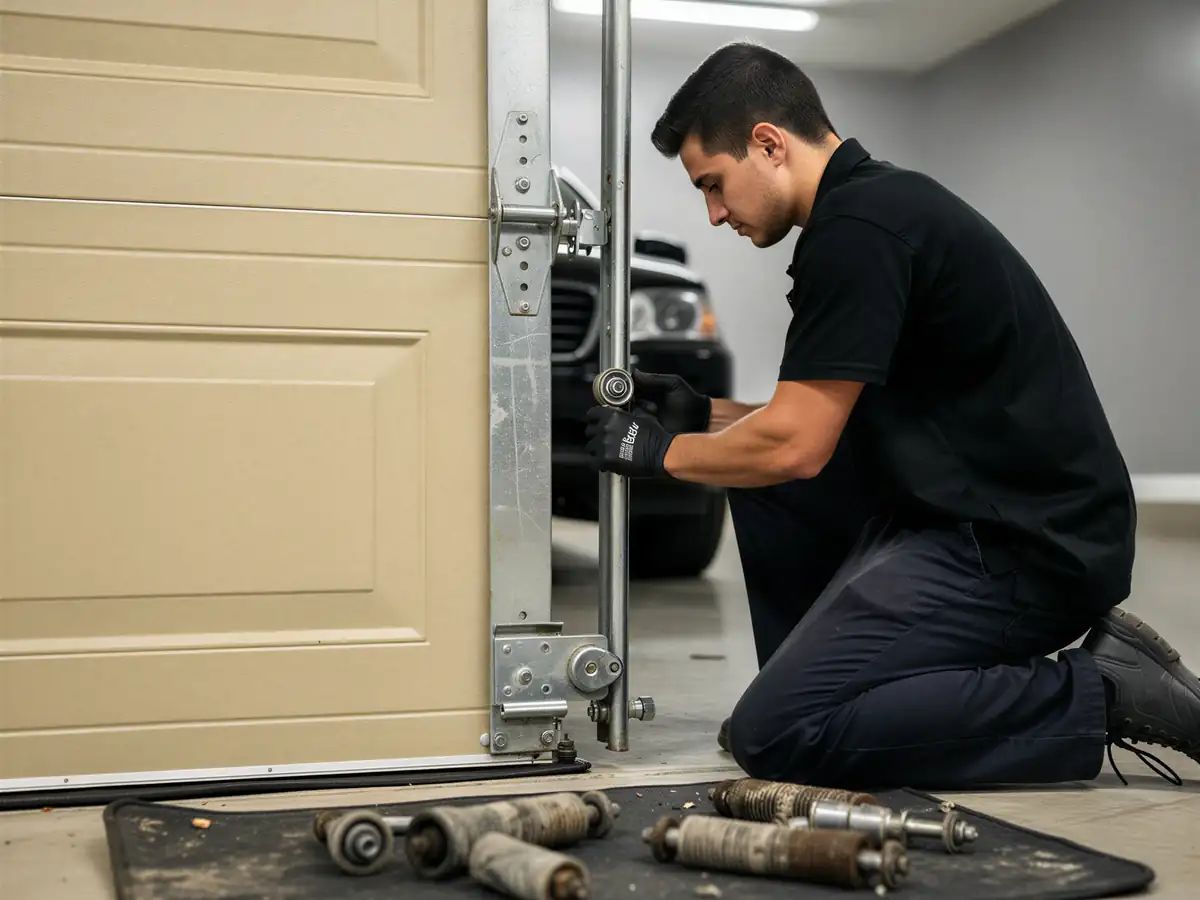
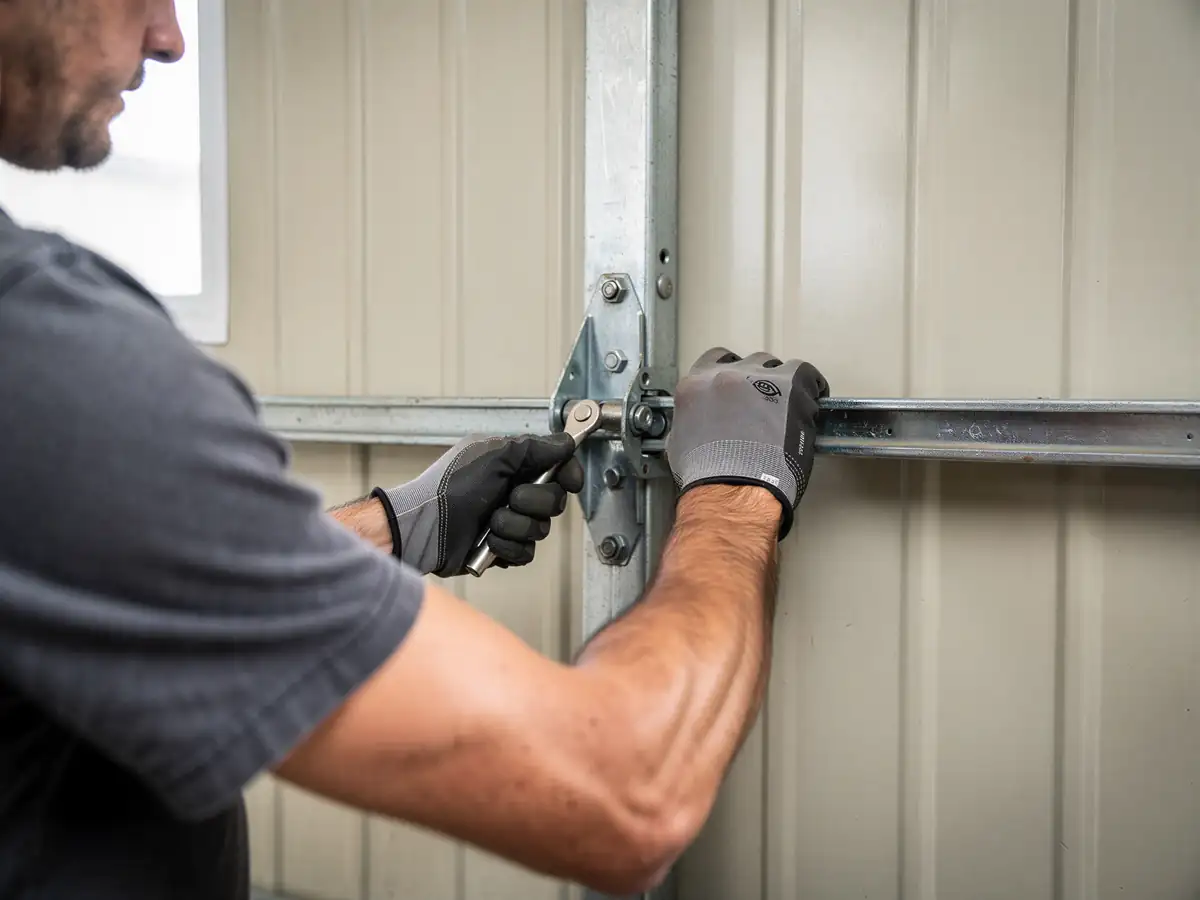
The failures we see tend to track the age of the hardware. Original torsion springs from the 1966-1982 building wave are now well past their rated cycle count, so a sudden snap rather than a gradual sag is common. Galvanized lift cables from that era corrode from the inside of the strand outward, which means a cable can look fine and still be close to parting. Steel rollers without sealed bearings wear oval over time and start binding in the track, putting extra strain on the opener's gears - and on older, lower-horsepower openers, that strain is often what finally burns out the gear set. We also see tracks that were never quite plumb to begin with finally showing it after decades of the door riding slightly off-center. None of these are catastrophic if caught early, but a door that's groaning, dropping, or opening unevenly is telling you one of these is already underway, not something to wait out through another season.