Getting It Booked In
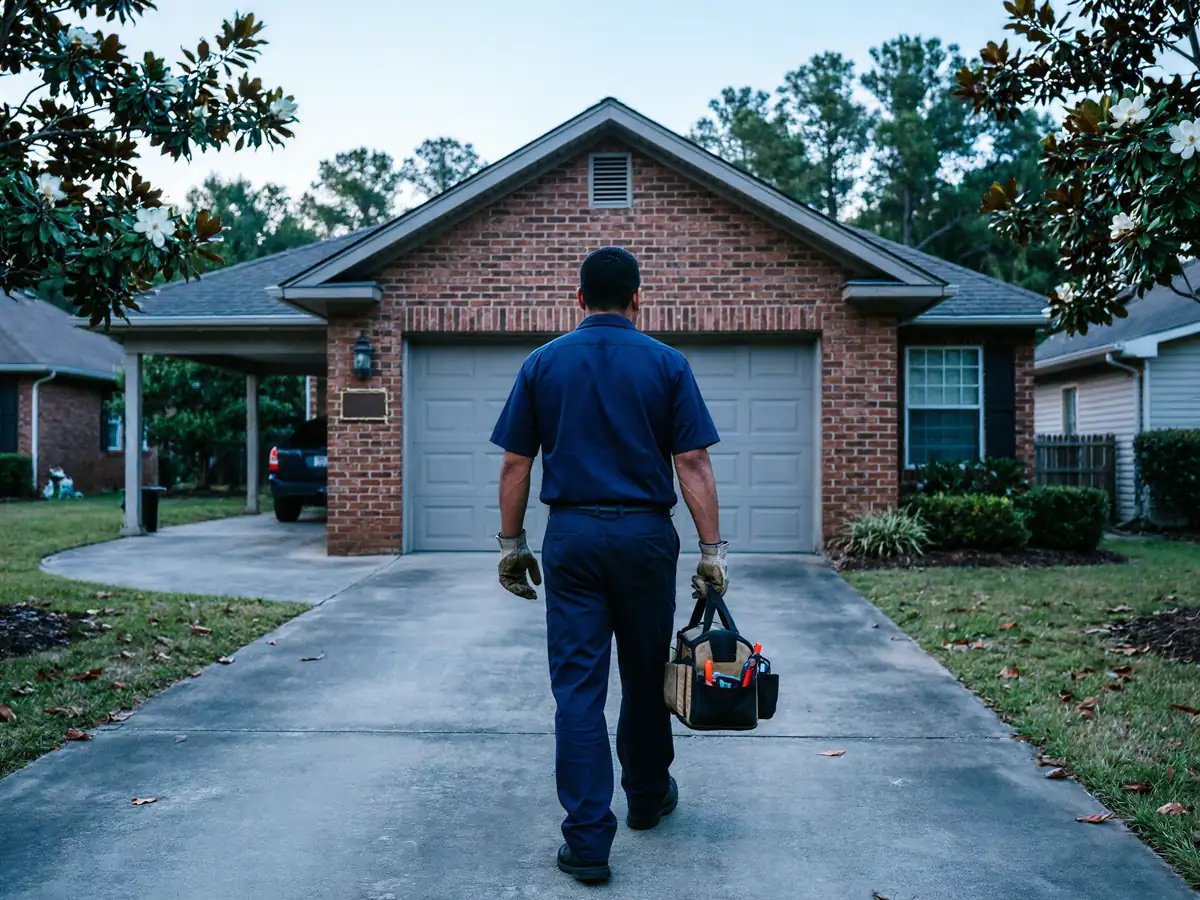
We're based in Bowling Green, and Franklin sits about 19 miles out, the farthest of the towns we regularly cover. That distance is real and it shapes how a job gets scheduled: we're not stationed in Franklin, so we build the trip around the work that needs doing, not a fixed daily route through town. We don't promise a same-day window here the way a shop sitting five minutes away might, and we'd rather say that plainly than have you waiting on a truck that isn't coming until it's actually on the way. What we can do is talk through the problem on the phone first, figure out whether it's a spring, an opener, or a track issue, and bring the right parts the first trip instead of guessing and coming back twice. For a town this size, that first conversation matters more than it would somewhere with a shop on every block.
What You Pay
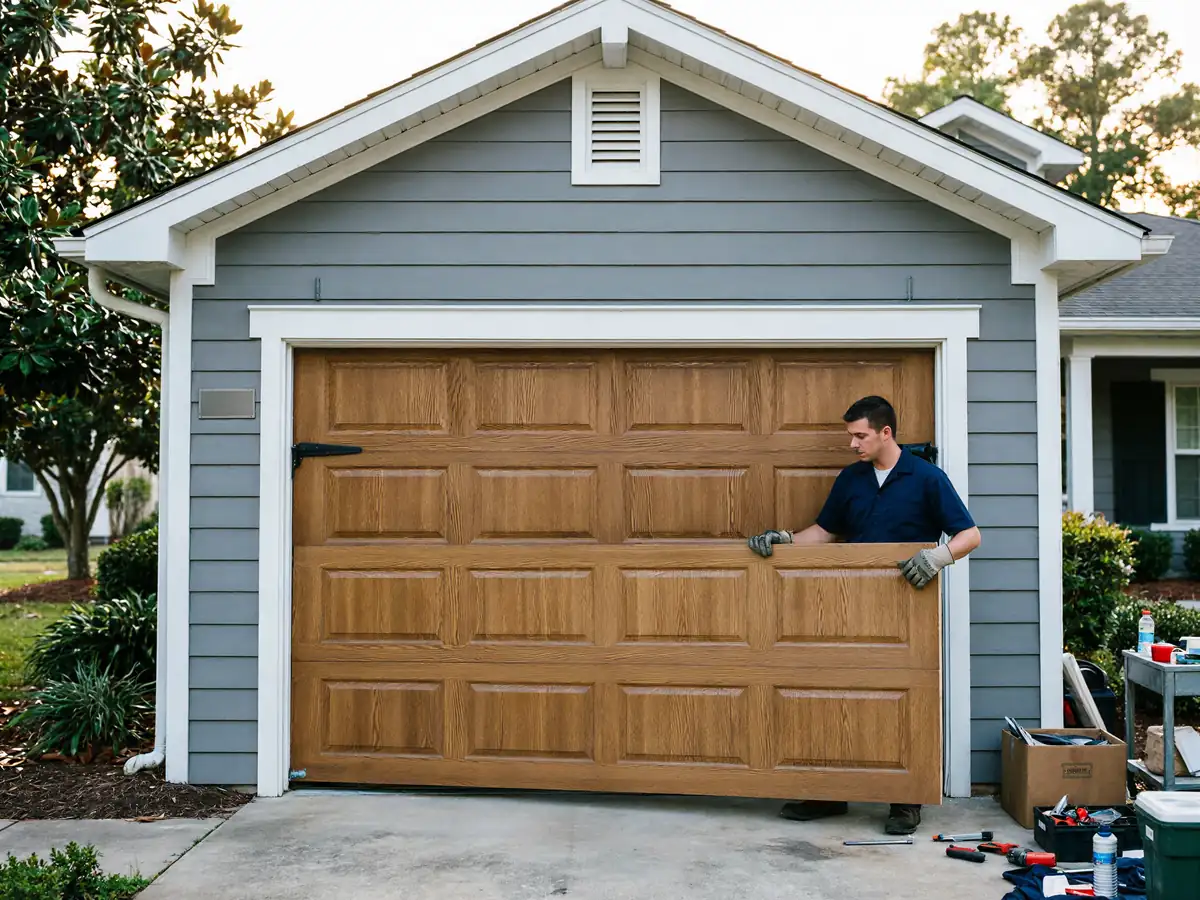
We don't have a published price list for Franklin specifically, and we're not going to make one up here. What we can tell you is that the math on repair versus replacement tends to look a little different in this town than it does elsewhere in the area. Median household income here runs around $55,552, noticeably higher than the roughly $46,071 median across the wider service area we cover from Bowling Green. That doesn't set your price, but it does mean more Franklin homeowners end up choosing full replacement over patching an original 1970s-era door that's already outlived its hardware, rather than stretching a repair further than it's worth. Parts for doors from that build era aren't always sitting on a shelf, either, and lead time on a specific panel or track section can push a repair's real cost past what a new door would run. We'll give you both numbers before any work starts, not after.
Why This Fails Locally
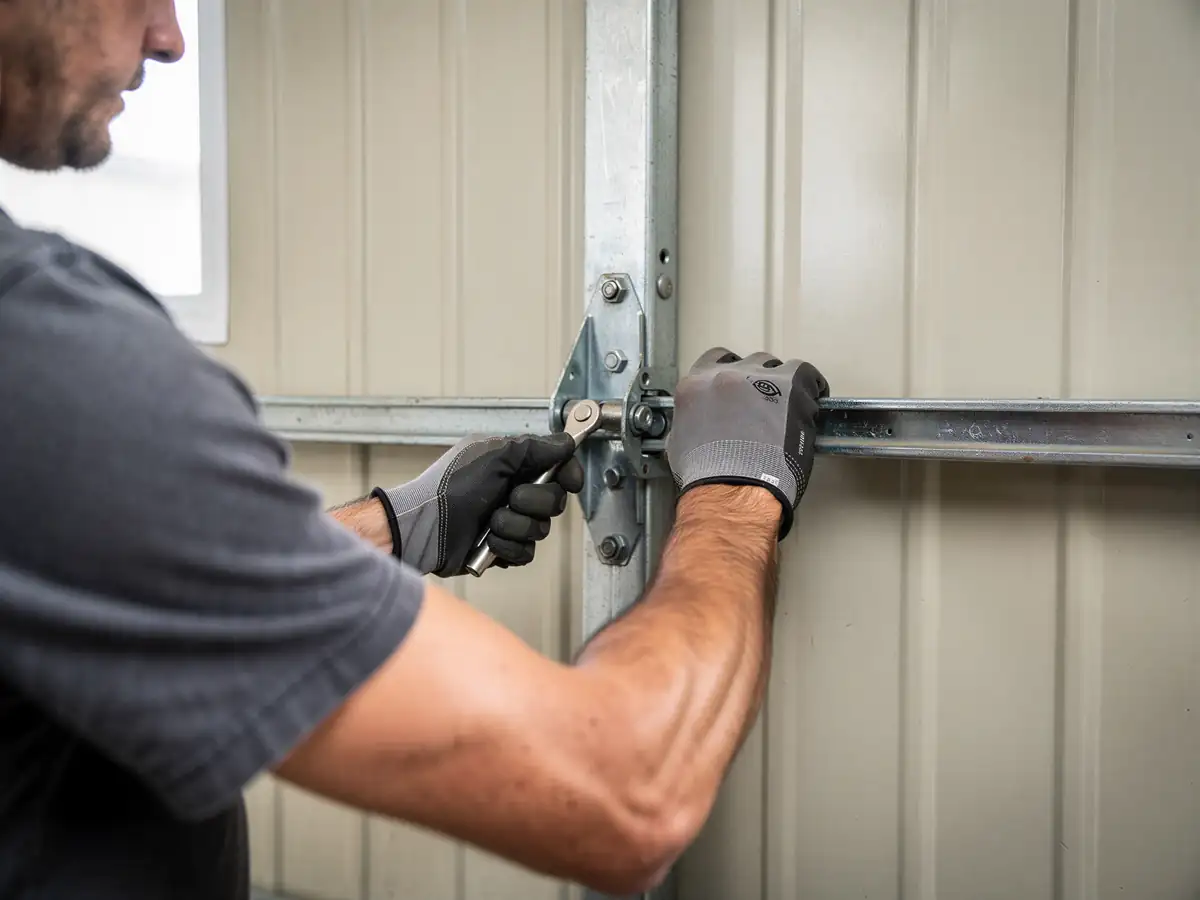
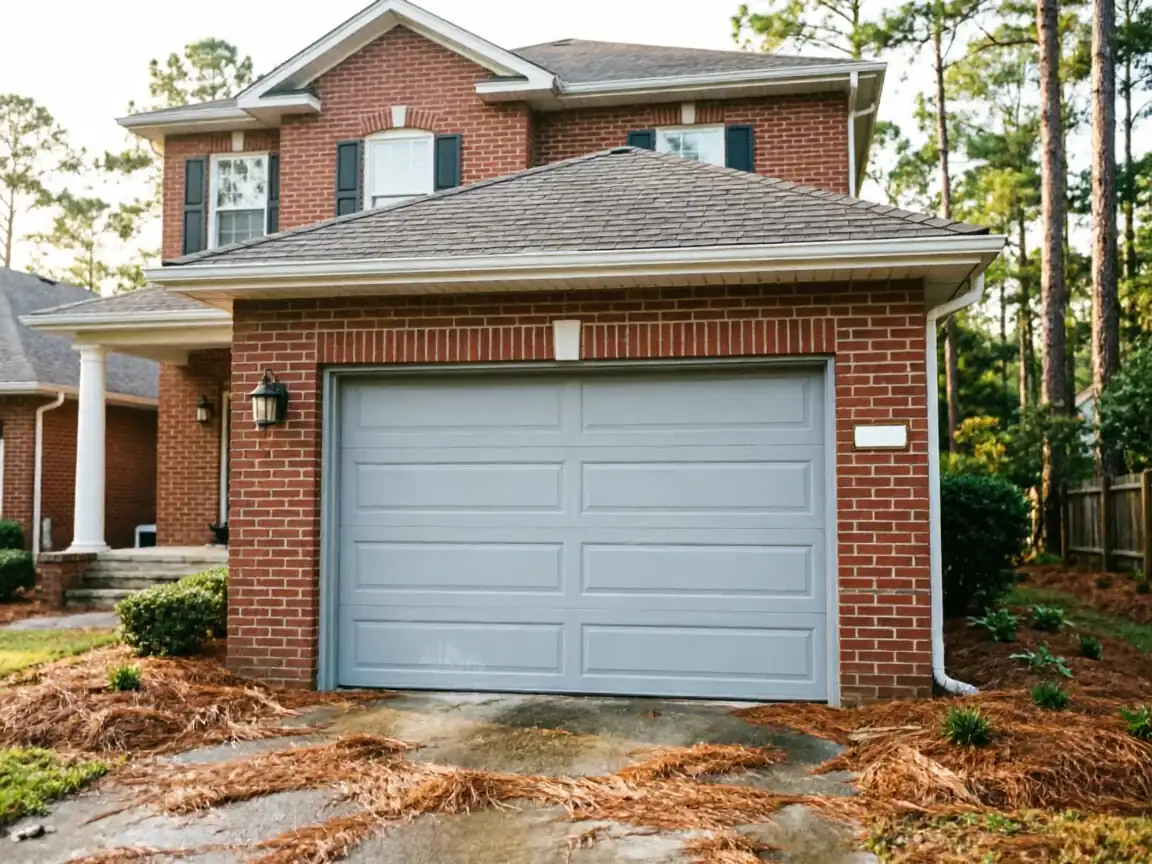
A generic garage door tune-up written for a newer subdivision doesn't hold up against Franklin's housing stock. Doors from the 1966-1982 window, with a median build year of 1975, were set up with hardware and spring tension specs that don't match what's standard on a door built in the last fifteen years. A repair tech who shows up expecting modern torsion specs and a standard-width track can misjudge the spring size or the drum setup, which either overloads the door or leaves it undersized and prone to snapping again within months. The area's housing mix skews toward that same 1960s-70s era across most of the neighborhoods we see, so this isn't a one-off house, it's the baseline condition for a lot of Franklin's garages. Fixing it right means checking the actual hardware on the door in front of you, not assuming it matches whatever's common in newer construction.
What Can Go Wrong
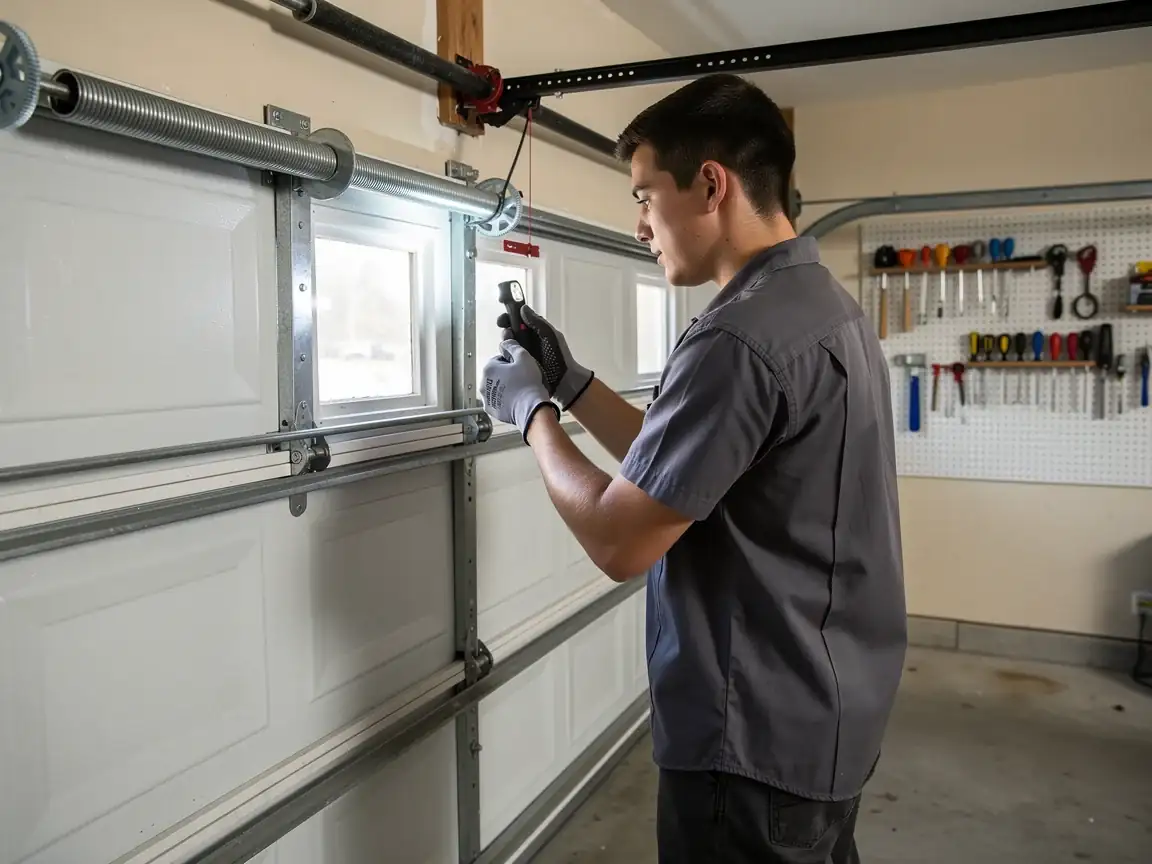
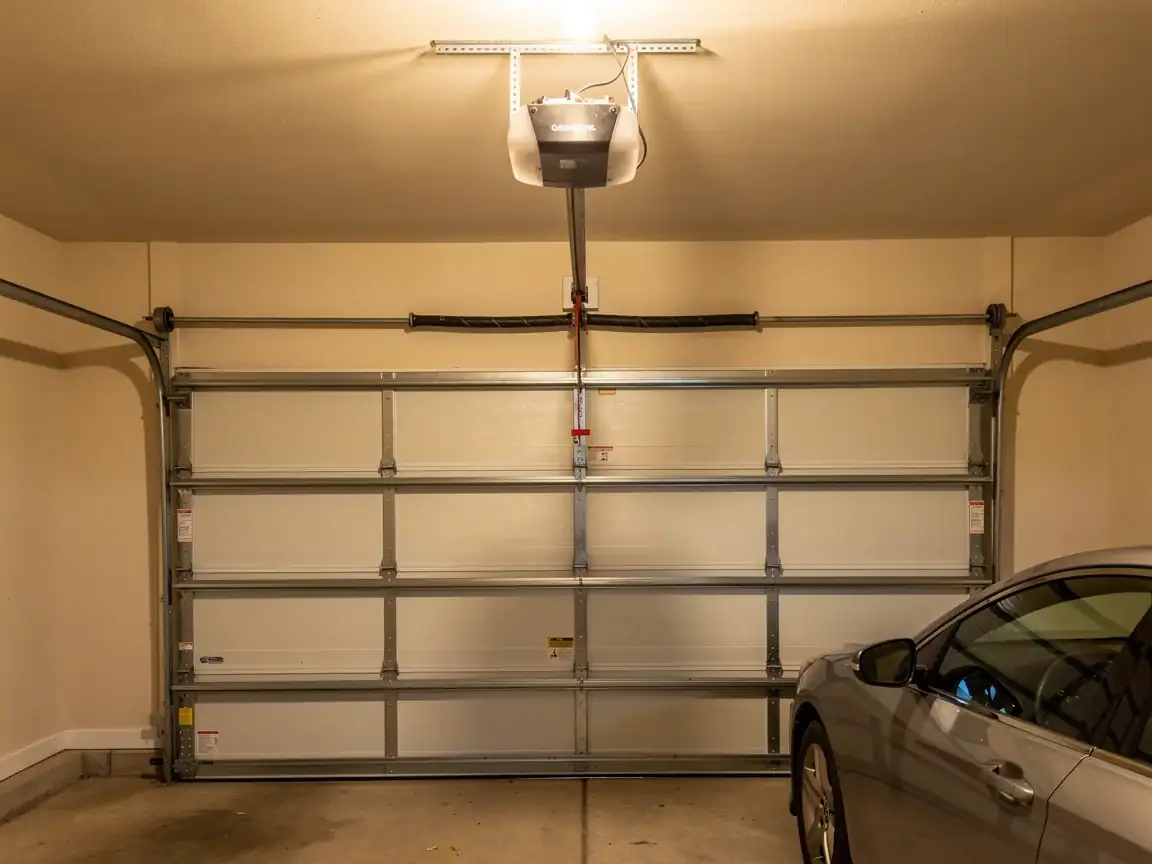
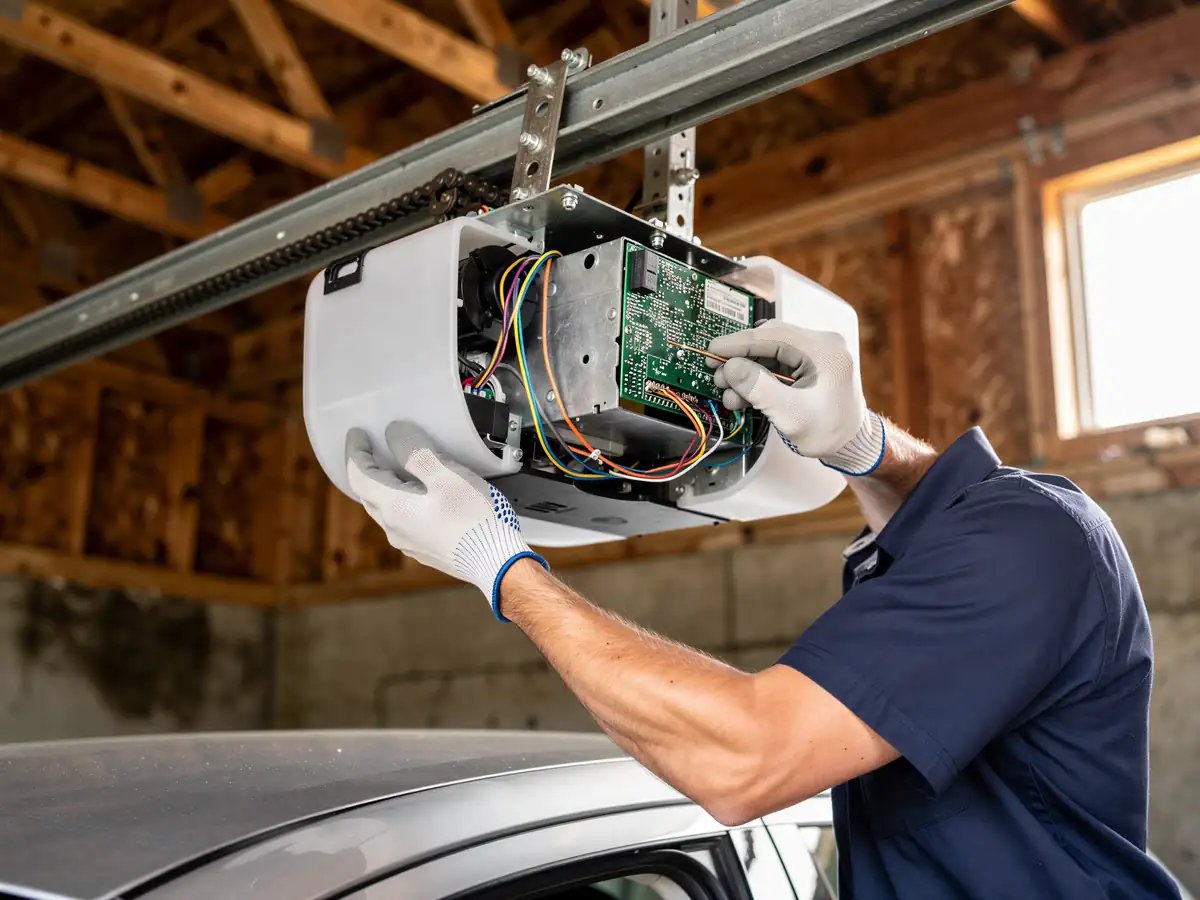
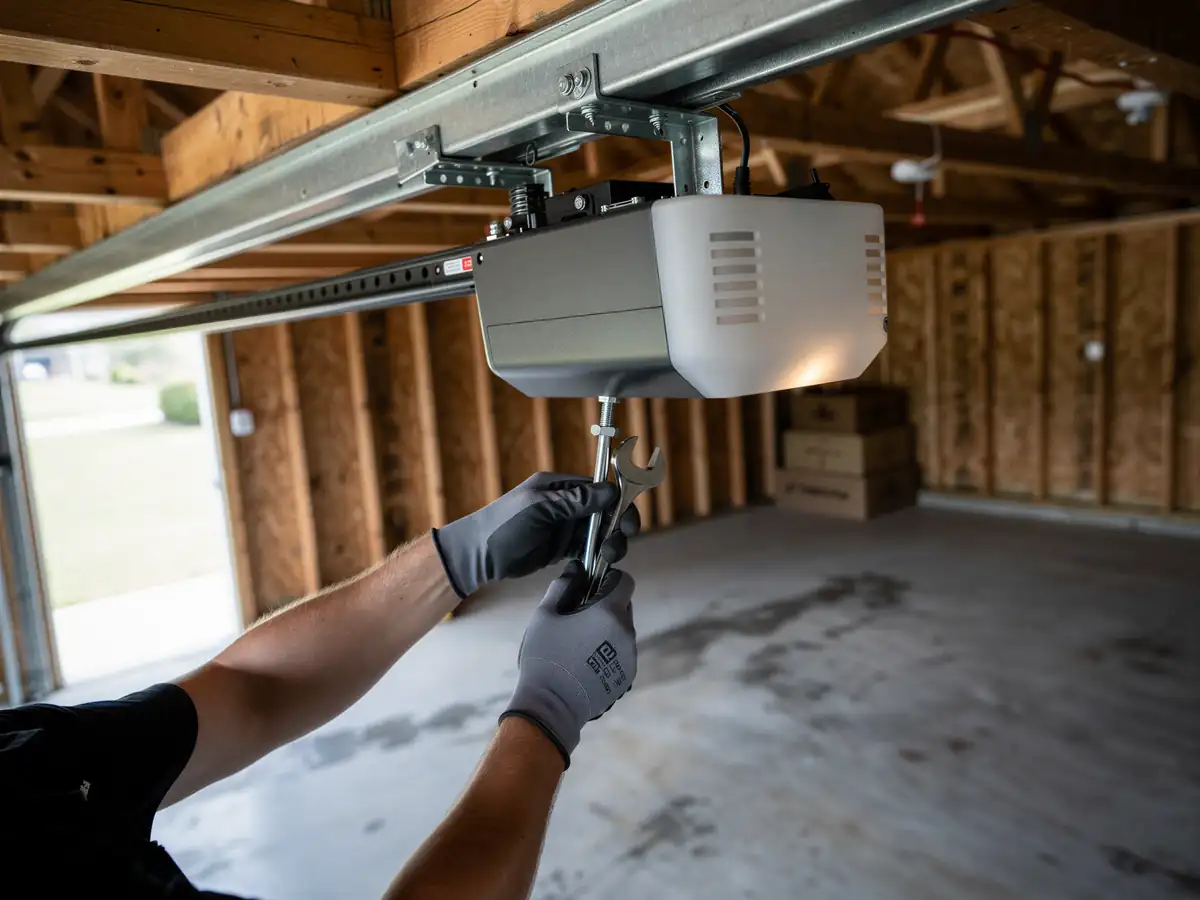
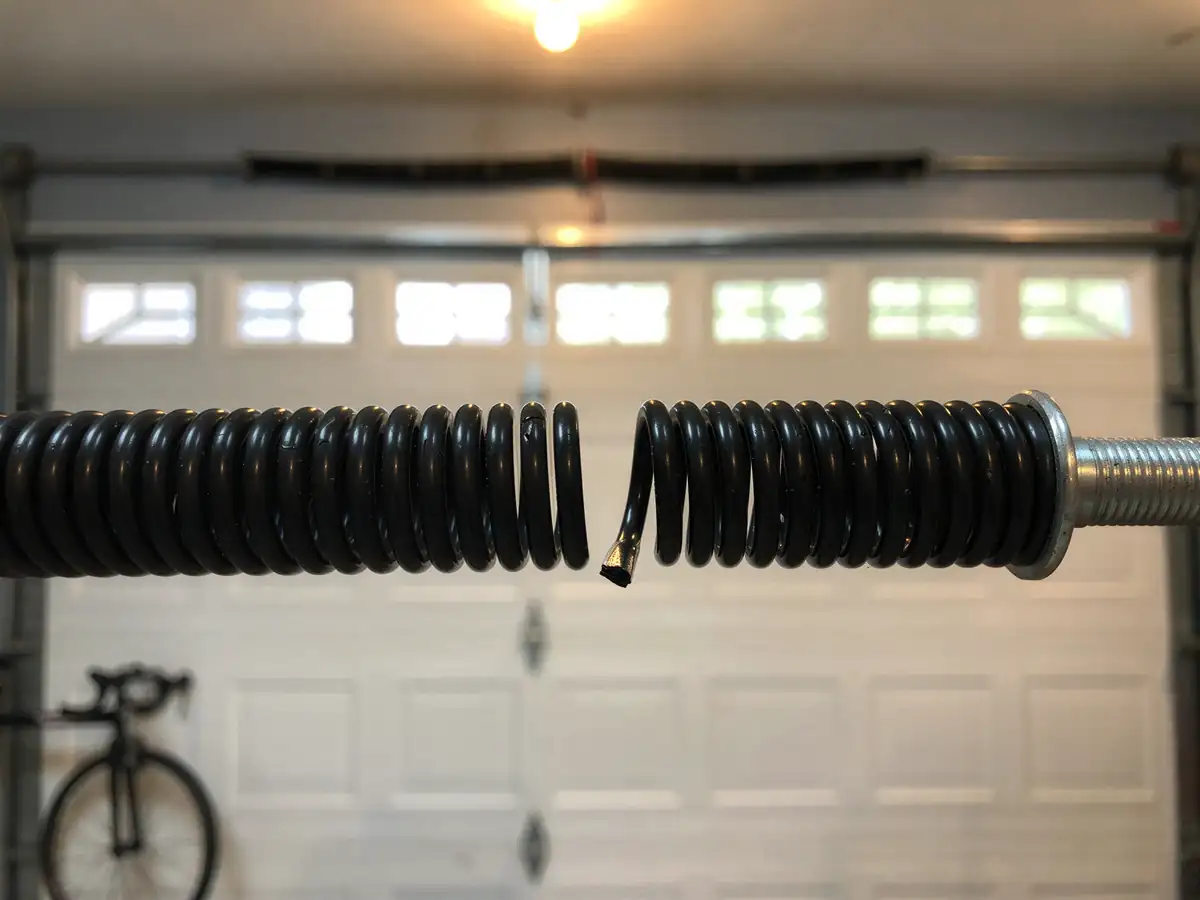
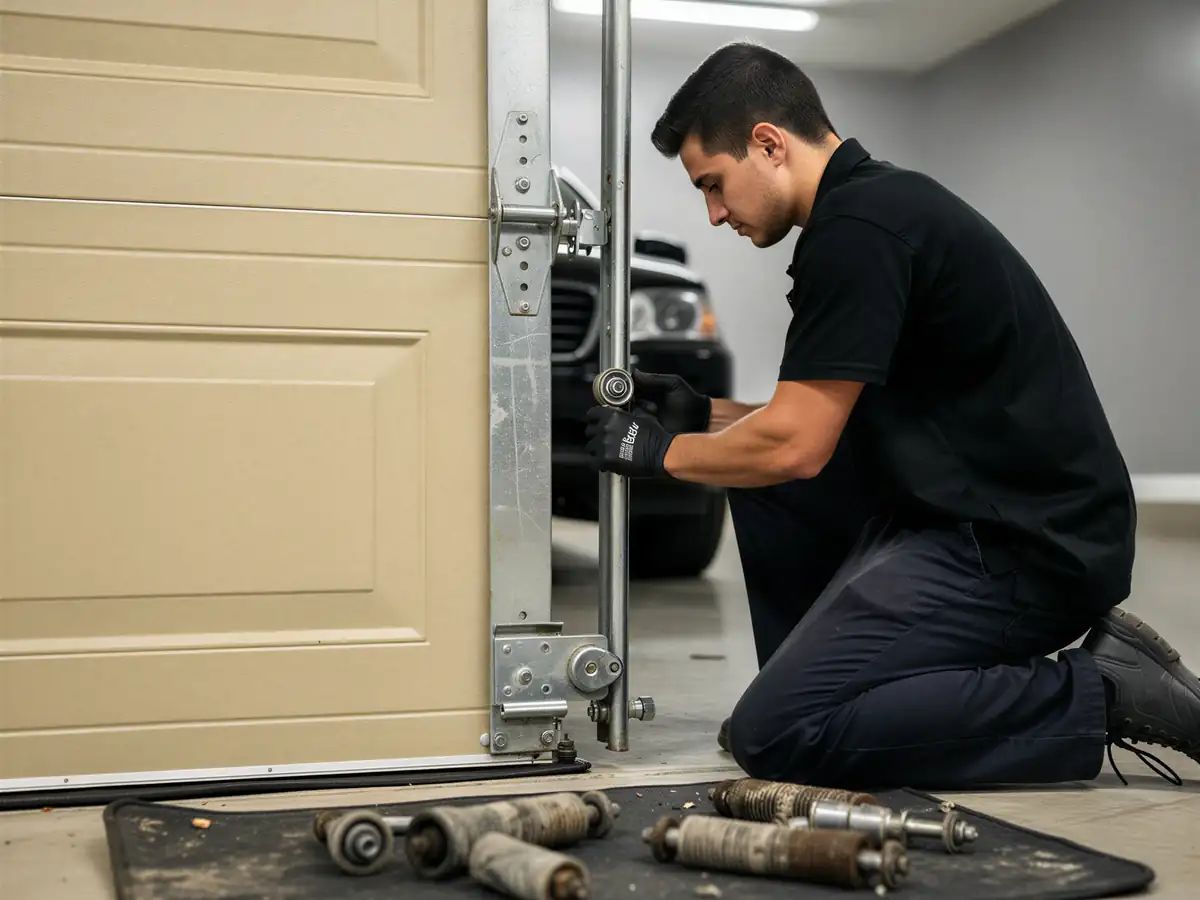
The most common call out of Franklin is a broken torsion spring, usually on a door that's been running on its original spring since the house was built sometime in that 1966-1982 stretch. Right behind that: worn rollers and bent track sections, which show up more on doors that have been opened and closed through a few decades of Kentucky winters without the hardware ever being swapped. Opener gear failure is common too, particularly on units old enough to predate modern safety reversal sensors, which is worth flagging on its own since it's a safety issue, not just a convenience one. Less often, but still real: cable fraying near the bottom bracket, which tends to get ignored until the door drops unevenly on one side. None of this is unique to any one house, but it clusters hard around the age of door that's typical for this part of town.