Doing It Yourself
Franklin's median household income sits at $55,552
Noticeably higher than the $46,071 average across the wider service area we cover out of Bowling Green. That number matters for one reason: at that income level, a lot of homeowners here can afford to replace a door outright instead of nursing along a 1970s original, and plenty do once they see the repair bill.
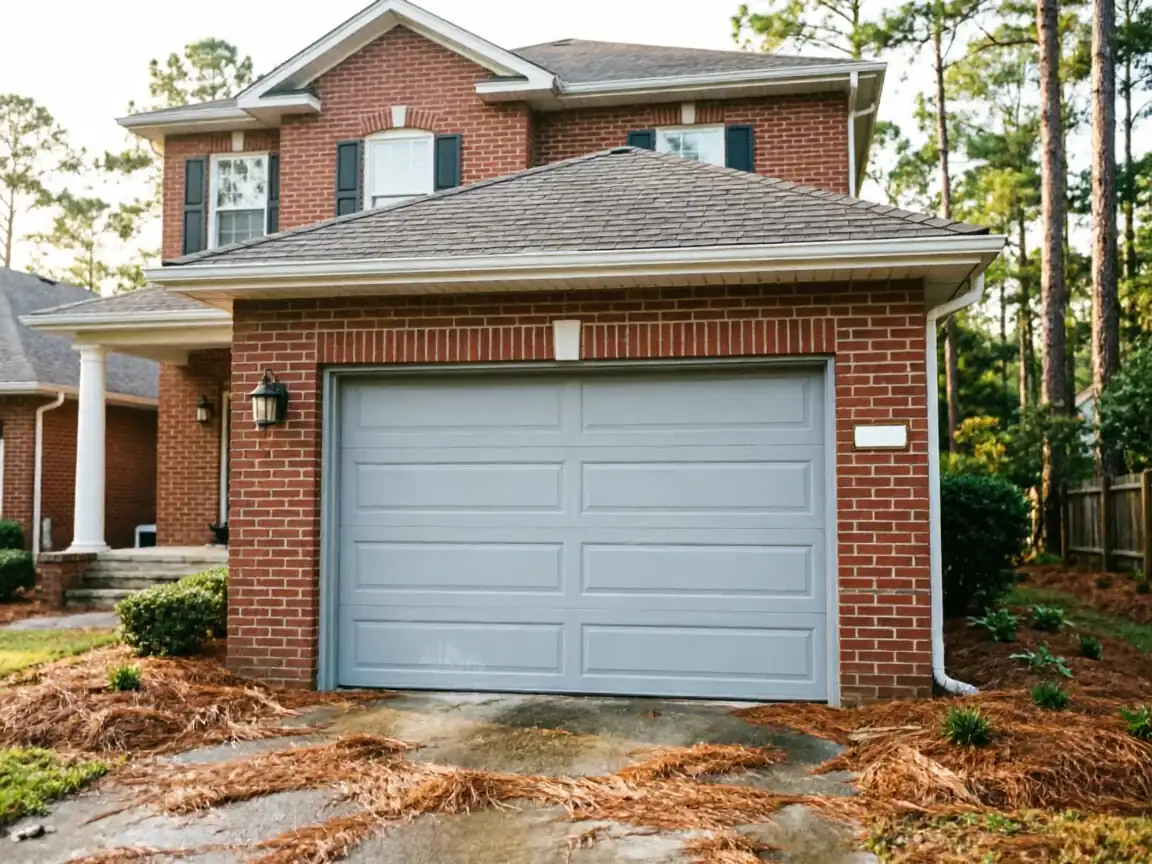
Most houses in Franklin went up between 1966 and 1982
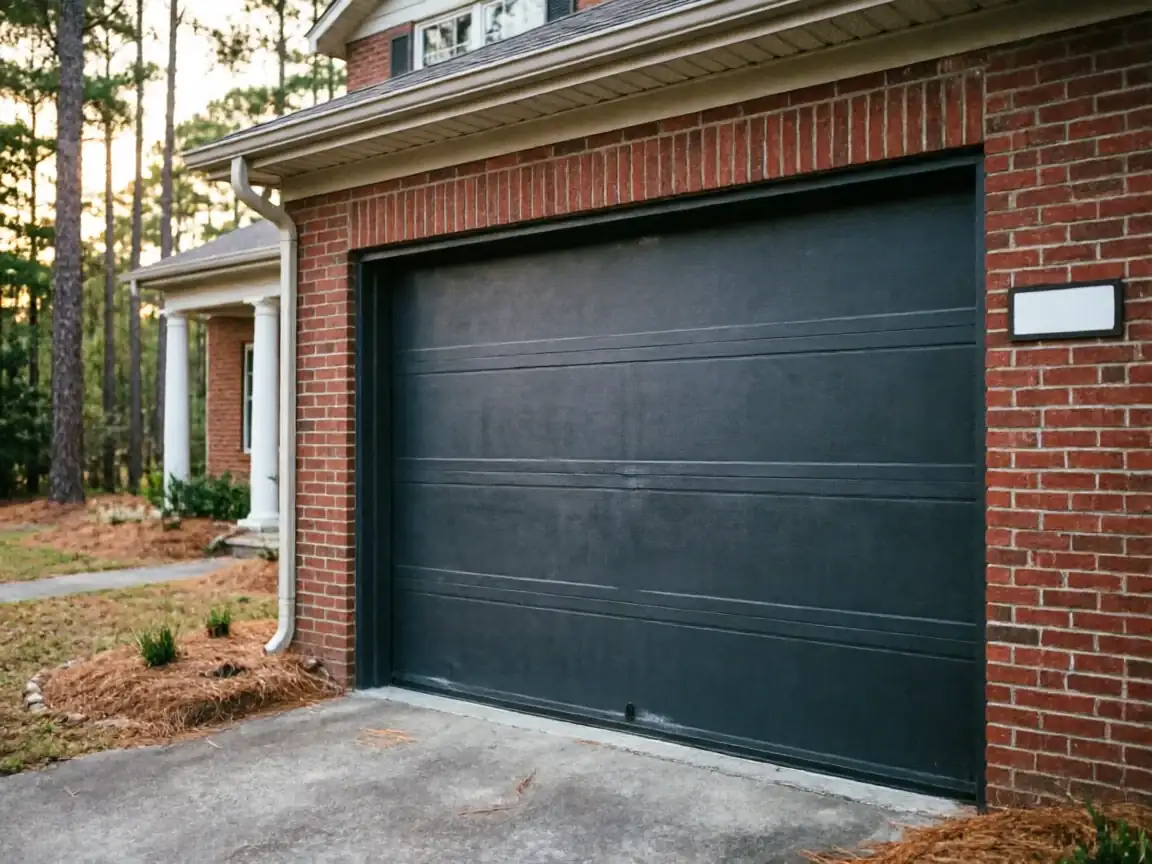
With the median build year landing right at 1975. That generation of door came with steel that's thinner than what's made today, hardware sized for the opener weights of that era, and track that was never meant to carry a modern insulated panel. If you're pricing a DIY swap, measure your existing jamb and header clearance before you order anything - a lot of these openings are not standard by today's spec, and a door that doesn't fit square will bind on the rollers within a season.
We're honest about where DIY makes sense
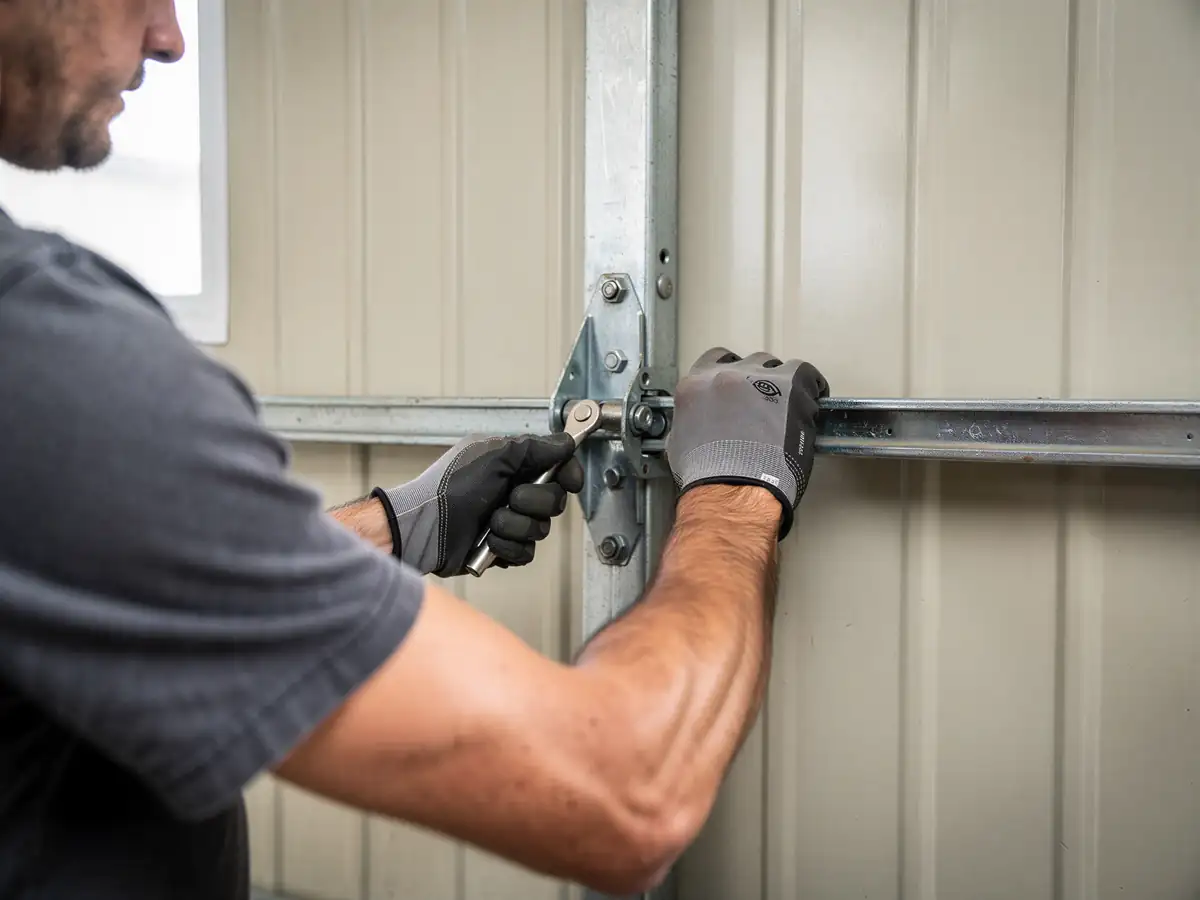
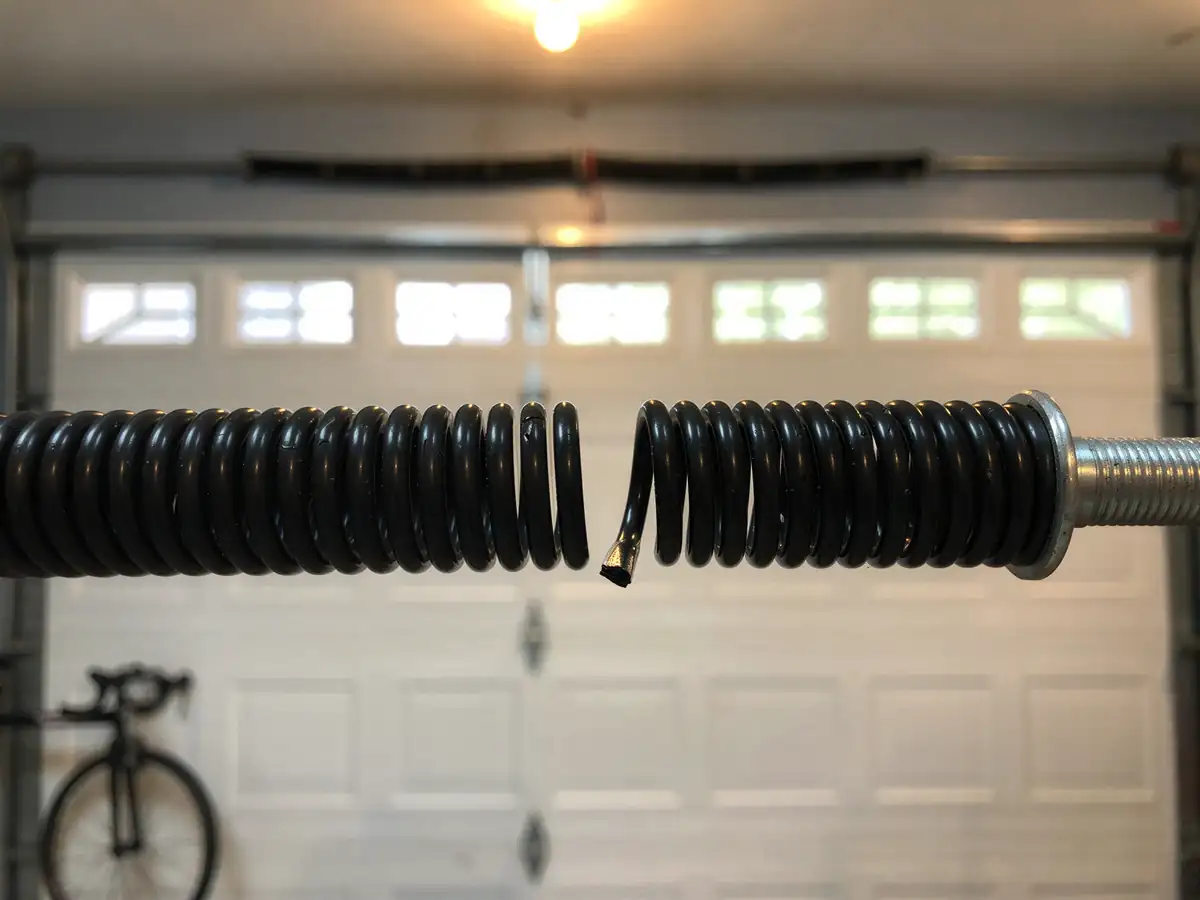
Swapping weatherstrip or a bottom seal is a fair weekend job. Pulling an old door and setting a new one plumb, square, and balanced on torsion springs rated for the new panel weight is not something we'd recommend tackling without the right bars and clamps - a spring under load is the most common serious injury in this trade.
Getting It Booked In
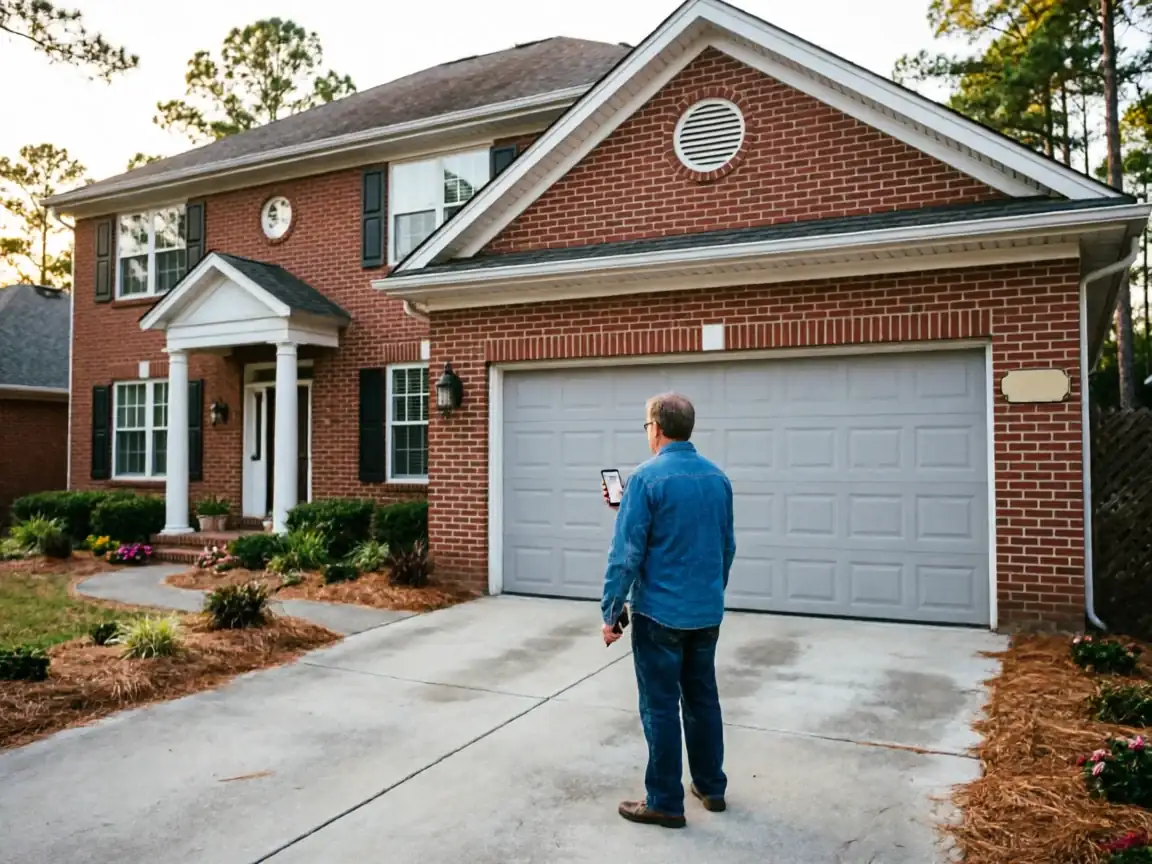
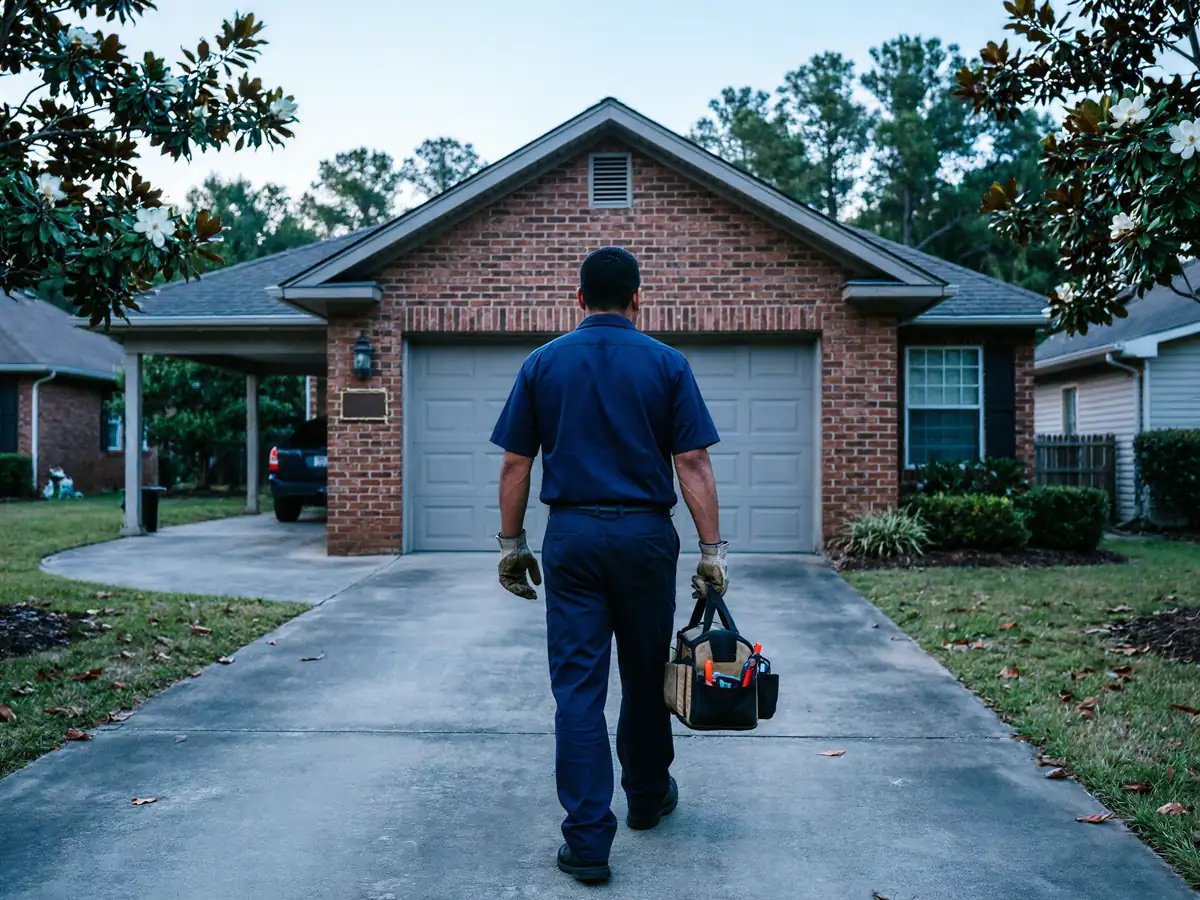
We run jobs in Franklin from our Bowling Green base, about 19 miles out. That's a real drive, not a local dispatch, so we book installation days rather than same-day drop-ins for new doors - it's a planned job with a measure visit first, then the install once the door's in hand. We don't keep a branch or crew staged in Franklin itself; everything comes from Bowling Green on the day scheduled.
Because Franklin's housing stock clusters tightly around that 1975 build year, we see the same opening sizes and the same worn-out extension spring setups often enough that we can usually quote a new install over the phone once you give us the rough door dimensions and whether it's currently a one-piece or sectional door. One-piece doors from that era are the ones that most often need the full jamb reworked, which adds a step to the schedule.
Winters here run cold enough that we try not to leave a house without a working door overnight, so if your old door fails mid-job we'll talk through options before we commit to a date rather than after.
What You Pay
We don't publish a flat price for new installation because the number moves with door size, insulation level, and whether the opening needs rework - and in Franklin, a fair share of 1966-1982 homes do need some header or track adjustment to take a modern door. What we can say plainly is where the math tends to land: at Franklin's median income of $55,552, most owners we talk to decide that once a repair bill on an old door starts running toward half the cost of a new one, replacement wins, both on monthly energy loss through a worn panel and on not paying twice.
An insulated steel door costs more upfront than a single-layer original, but it holds heat better through a cold winter, which matters here given the area sits solidly in a cold climate band where heating load is a real line item on the power bill, not an occasional one.
We'll give you a written number after the measure visit, broken out by door, hardware, and any opening work - not a bundled figure you can't check against what you're actually getting.
How We Fix It
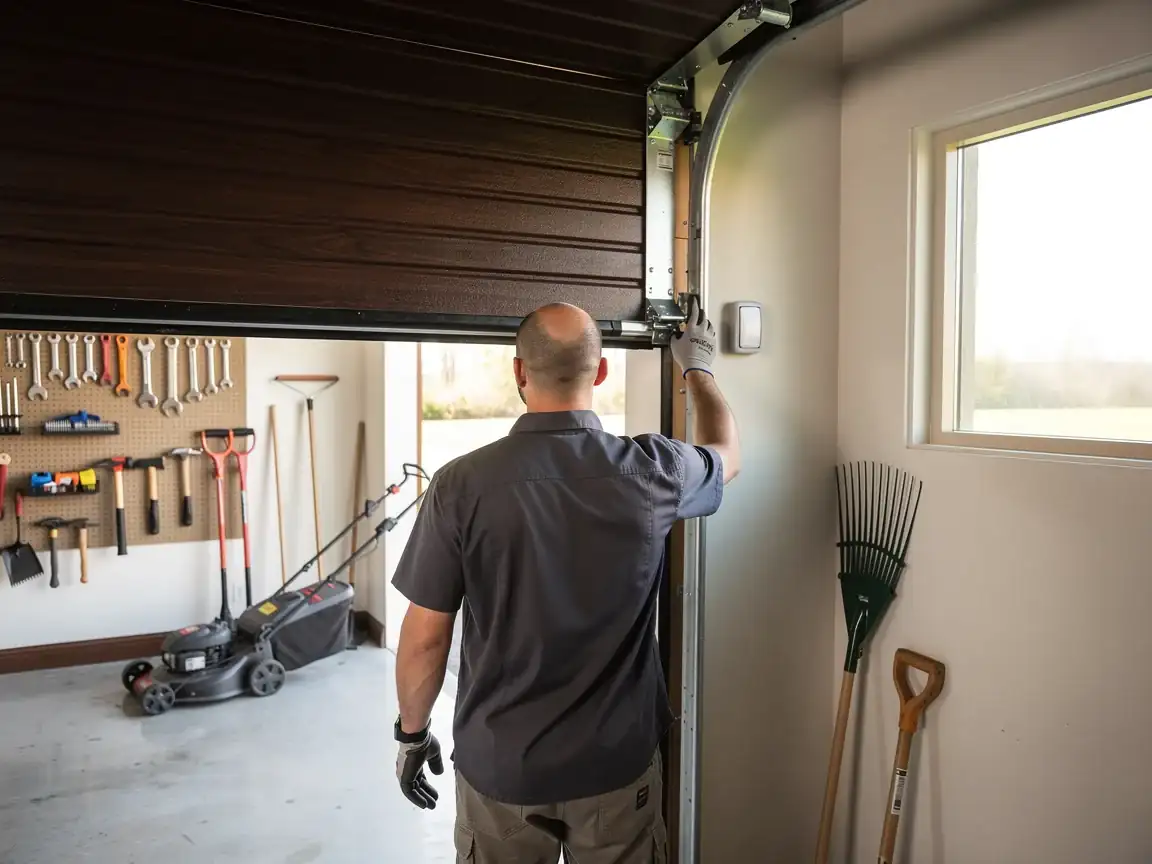
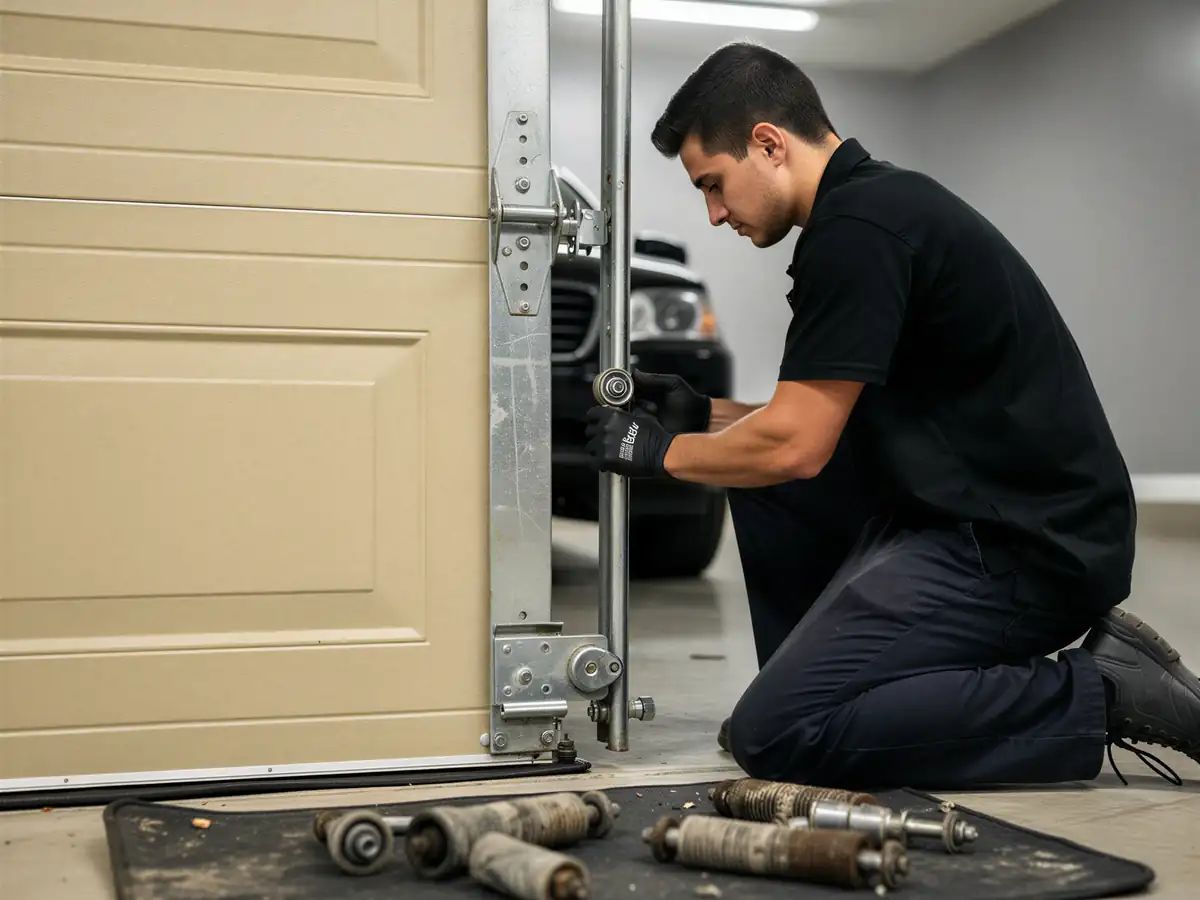
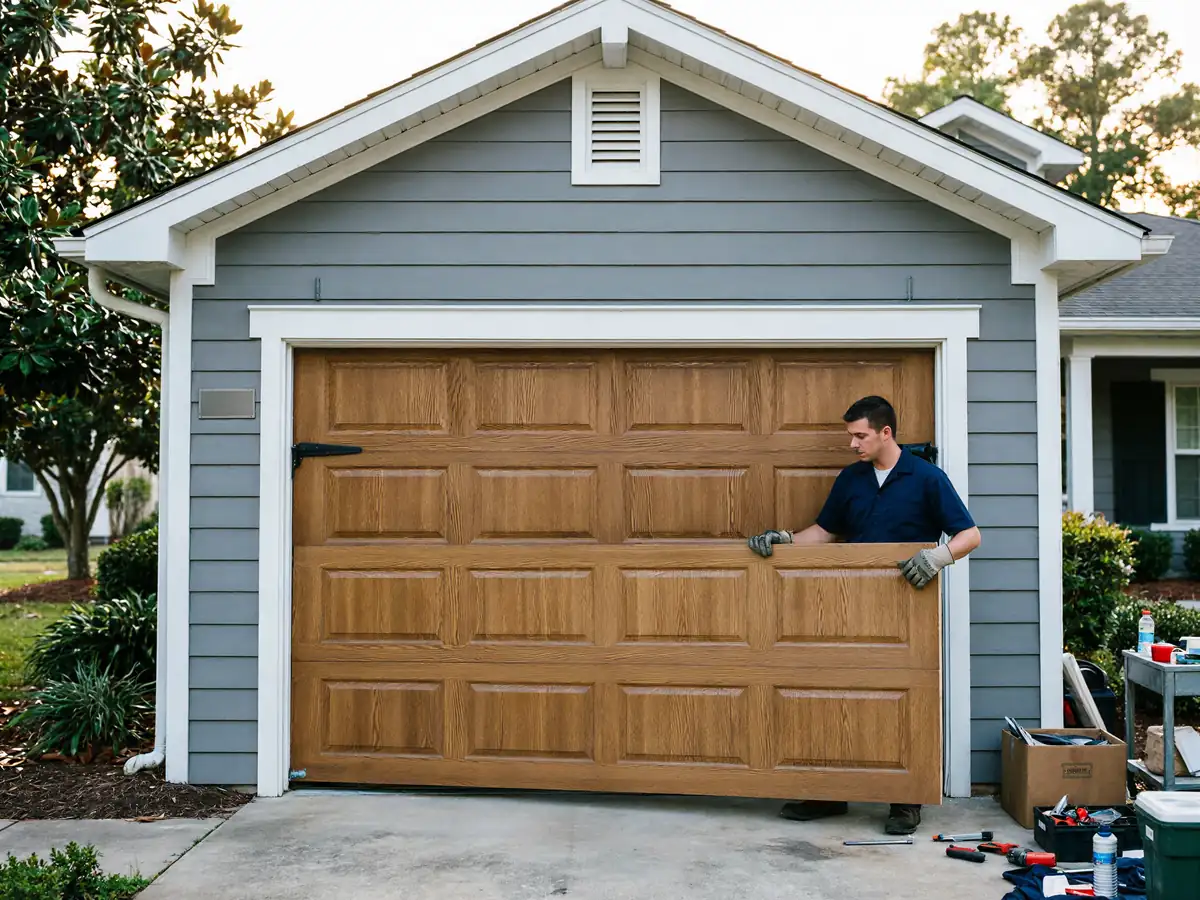
A new installation on a Franklin house built in the 1966-1982 window usually starts with pulling the old door and checking the jamb for square
Since framing settles differently over fifty years than it does on newer construction. We set new vertical track plumb to that actual opening rather than to the old track's position, because the old track was often shimmed to compensate for a problem that's easier to fix properly now than to repeat.
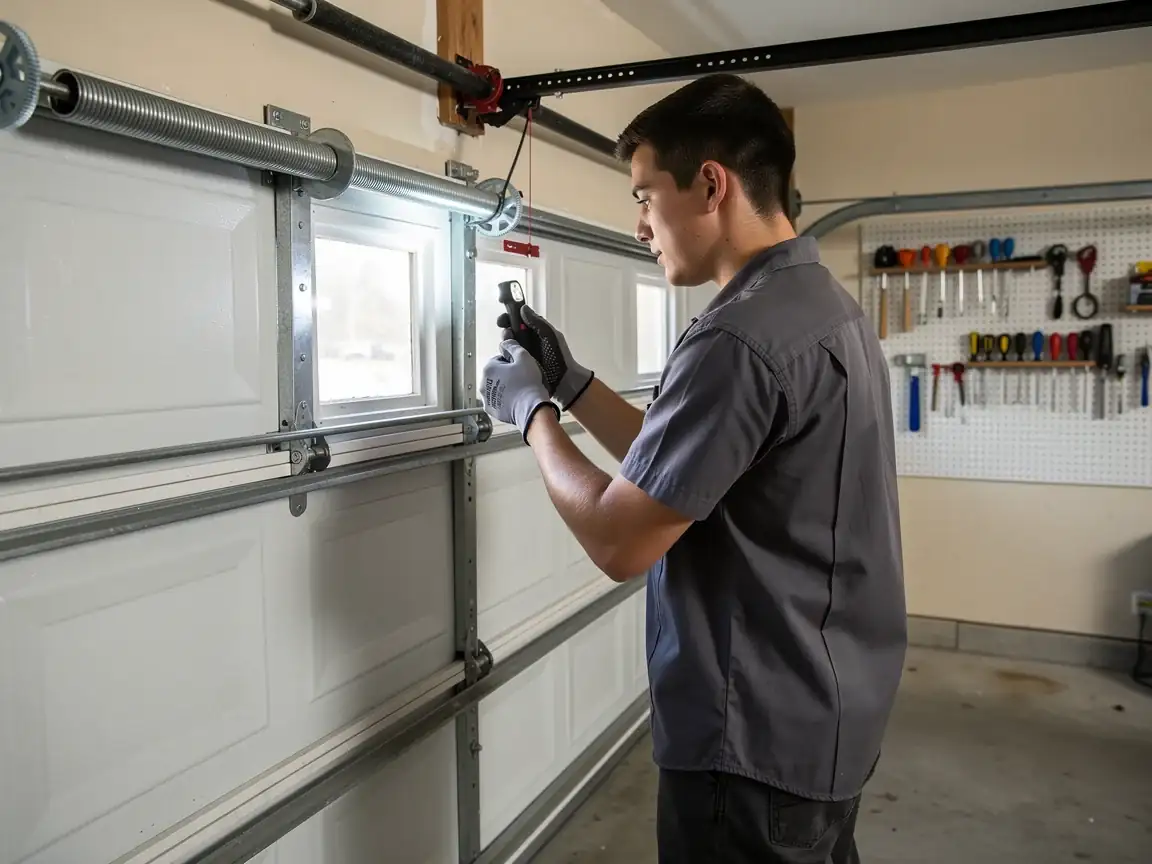
For torsion setups we size the spring to the new door's actual weight
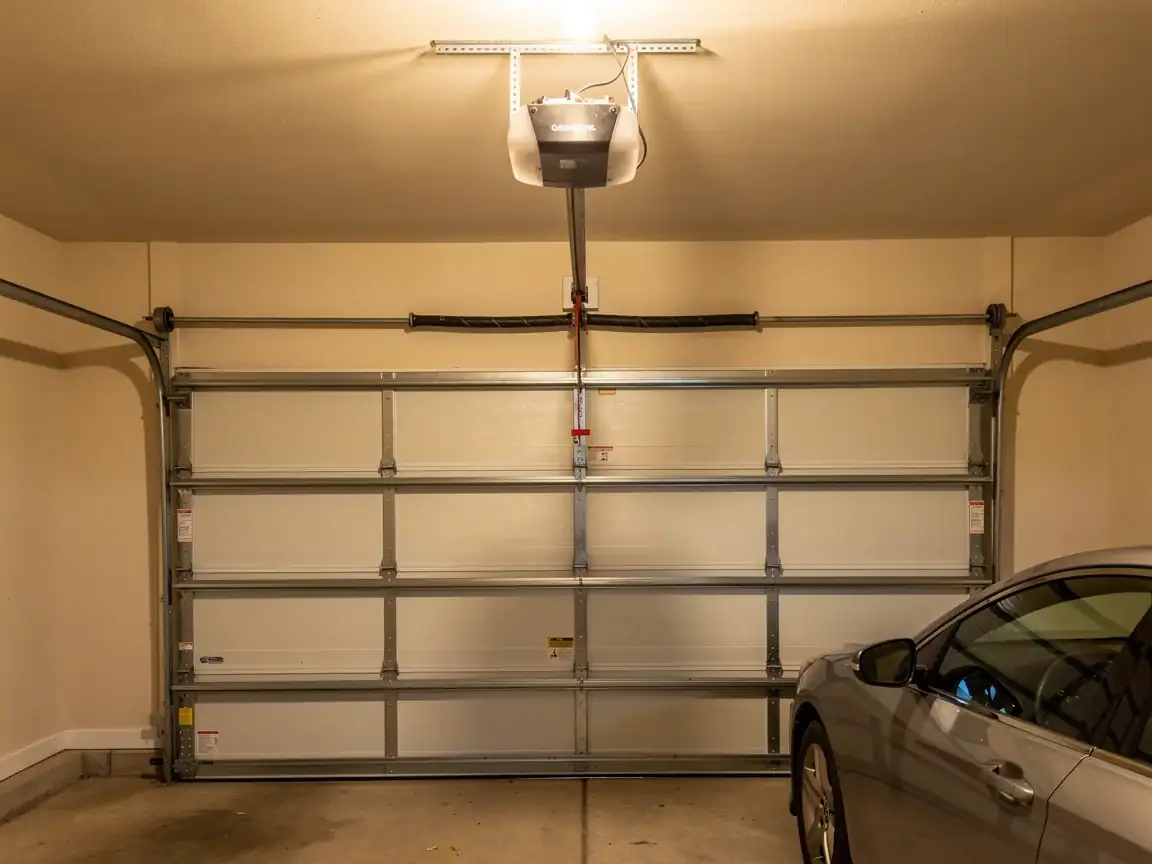
Insulated sectional doors run heavier than the single-layer originals common in this era, and a spring sized for the old door will wear out fast or fail to lift the new one evenly. We balance the door by hand before the opener ever touches it, checking that it holds position at waist height with the opener disconnected.
We're not going to pretend every job is routine
Doors with out-of-square framing or a header that's been cut back over the years take longer, and we tell you that at the measure visit, not after we've started.
Why This Fails Locally
The failure pattern in Franklin tracks the building era directly. A door from the mid-1970s was built and hung for a lighter panel and a lower cycle count than today's openers push through. Over decades, that combination - original hardware, heavier use, and steel that's thinner than current stock - shows up as track that's worked loose at the brackets, cables that have stretched past safe tension, and springs that were never rated for the duty they've seen.
The cold climate band this area sits in adds another layer: temperature swings make steel contract and expand season to season, which loosens fasteners on older installs faster than it would in a milder climate. That's not unique to any one house, but it's consistent across the 1966-1982 stock that makes up most of Franklin's housing.
Replacing the door without addressing the track and hardware underneath just moves the failure point. We check both, every time, because a new panel on old track fails the same way the old door did, just with better paint.
What Can Go Wrong
The most common surprise on a Franklin install is finding the header or jamb isn't square once the old door comes down - framing from the 1966-1982 era wasn't always built to the tolerances modern doors expect, and that's not something we can see until the opening is exposed. When that happens, the job takes longer and costs more than the phone quote, and we'd rather tell you that up front than surprise you with it mid-install.
A second issue: if your opener is older than the door, it may not be rated for the new panel's weight even with a correctly sized spring. We'll flag that at the measure visit rather than installing a new door onto an opener that's going to strain.
We don't stock every size of insulated panel on the truck, so a non-standard opening - common enough in this age of housing - can mean a short wait on the specific door rather than a same-day swap. We'd rather order the right one than install something that doesn't fit.