How Long It Takes
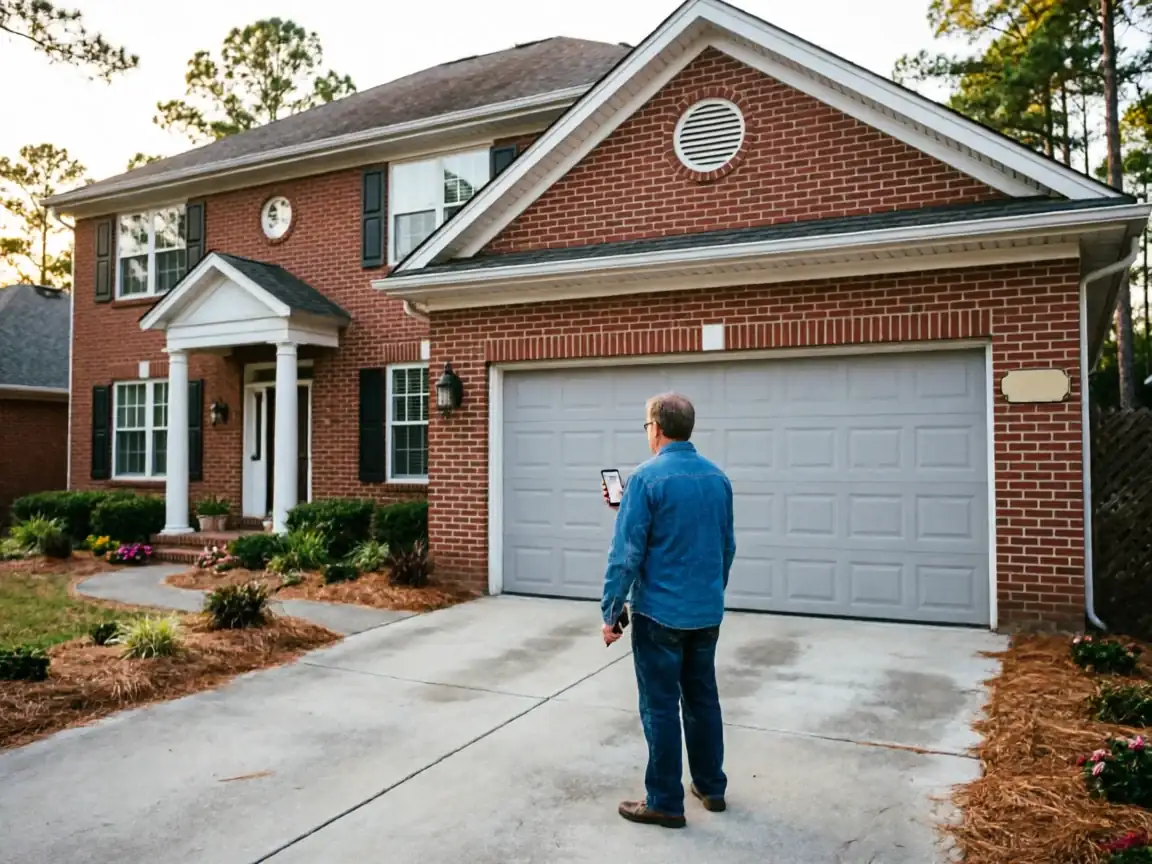
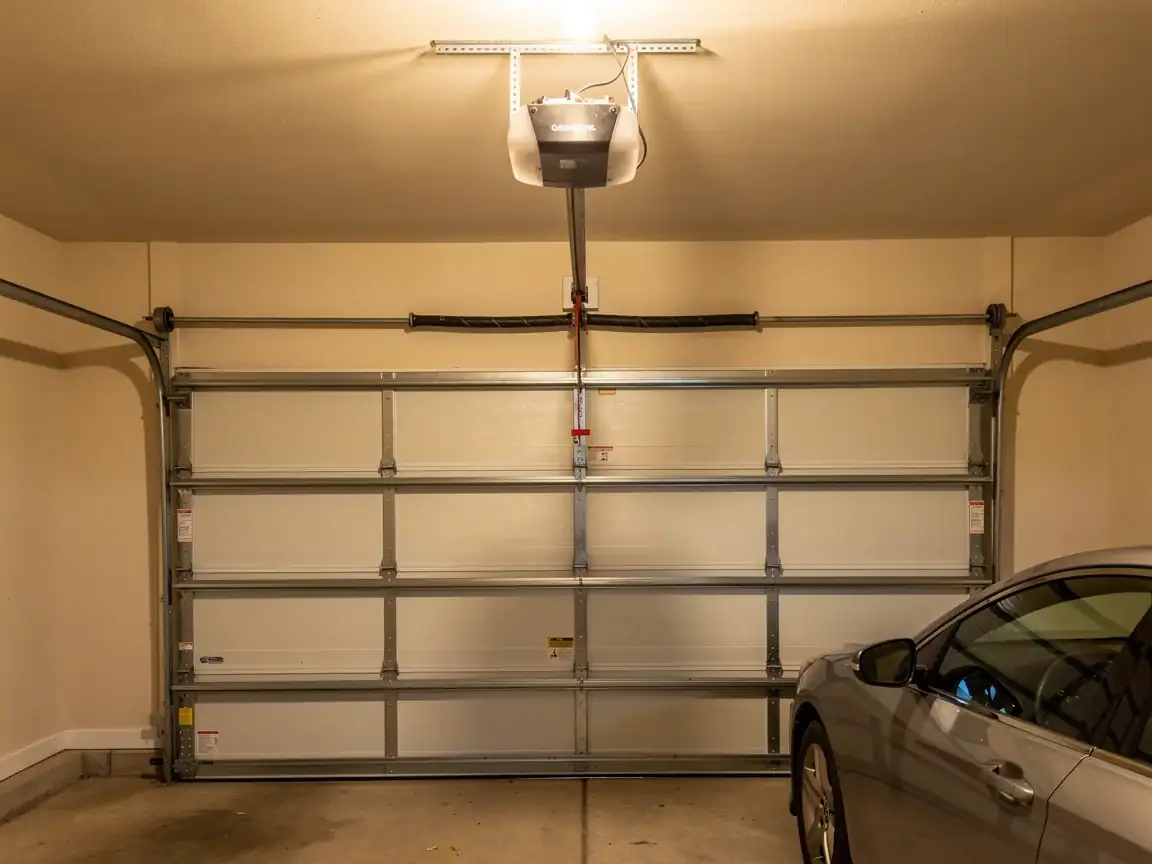
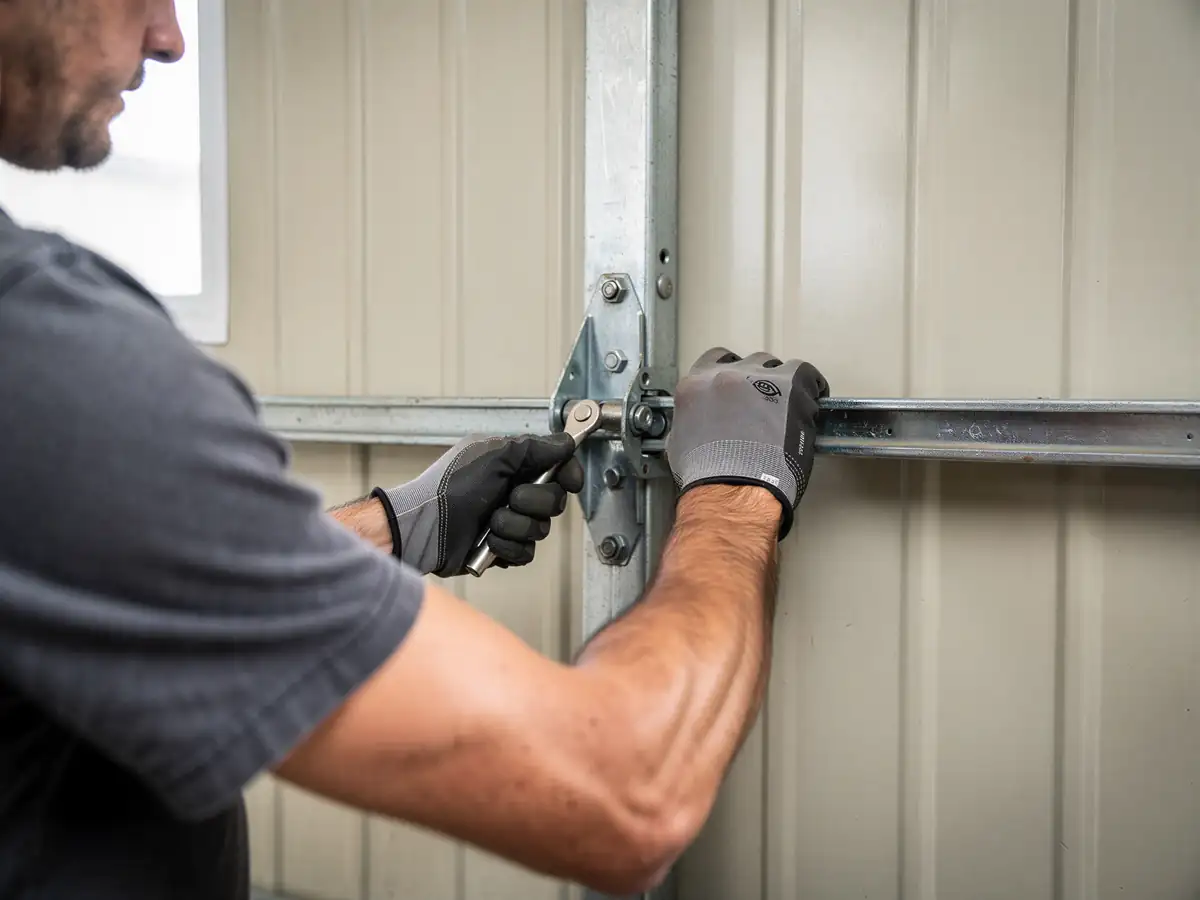
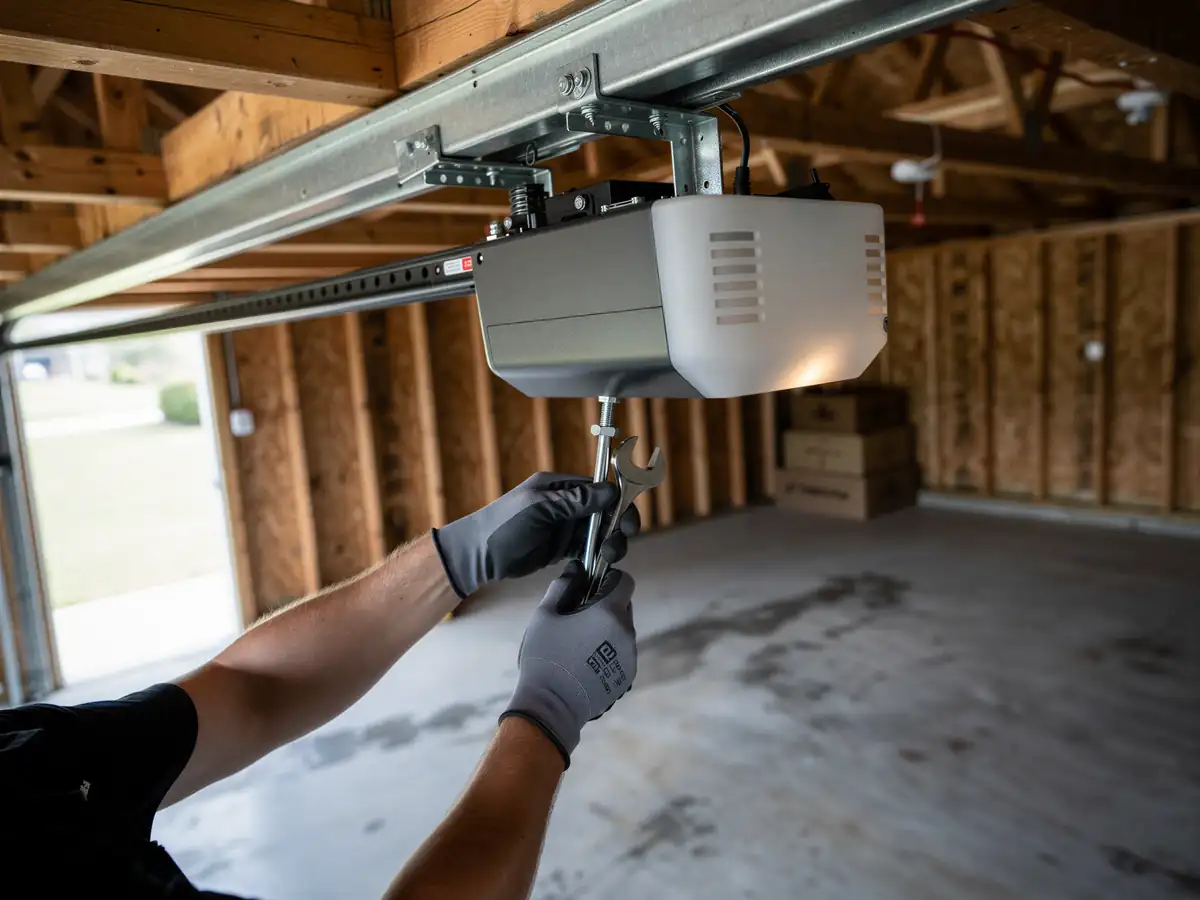
Most Brownsville houses went up around 1982, which puts the opener stock squarely in the chain-drive era if it hasn't been swapped since. A straight sensor realignment or remote reprogram is usually a 30-45 minute job once we're on site. A dead logic board or a worn drive gear on a unit that old runs longer, because we're often working around mounting brackets and rail setups that haven't been touched since install. Add the drive time both ways and plan for a half-day window rather than a tight hour slot - that's the honest trade-off of being 18 miles out rather than in town.
How It Shows Up
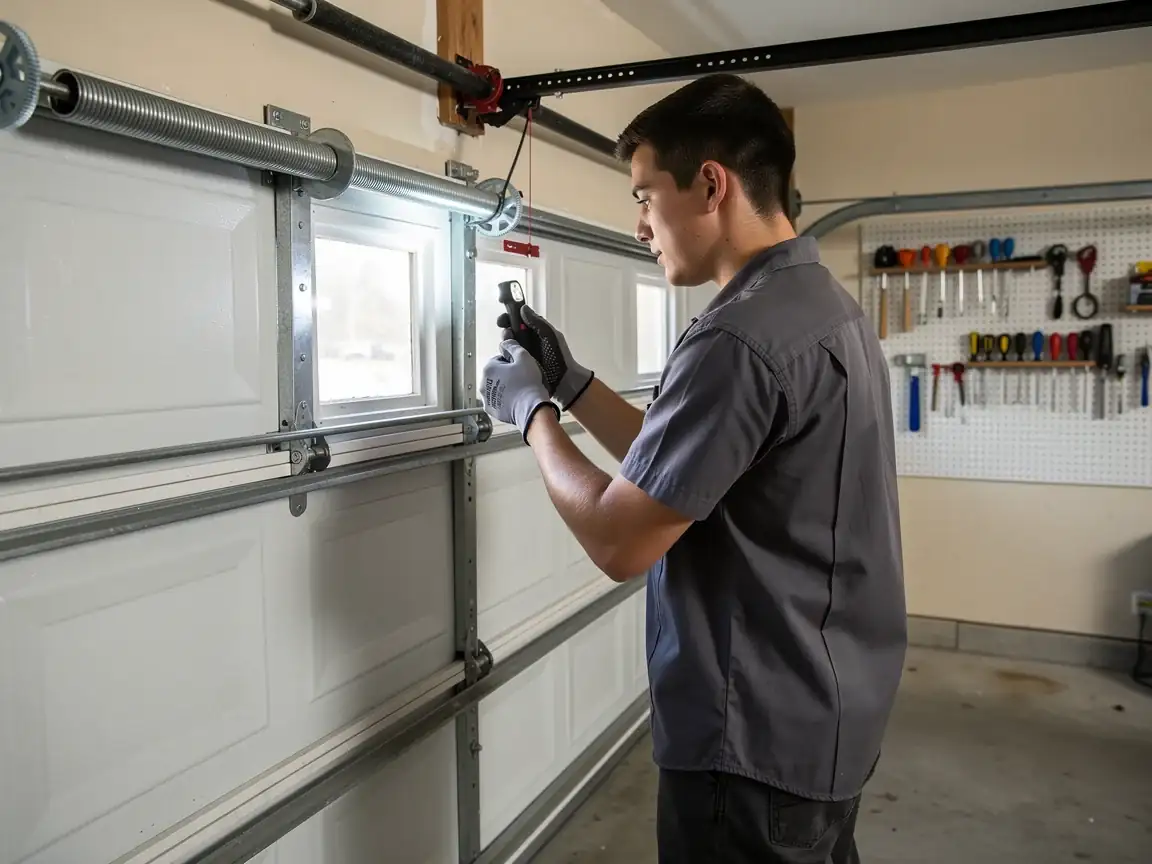
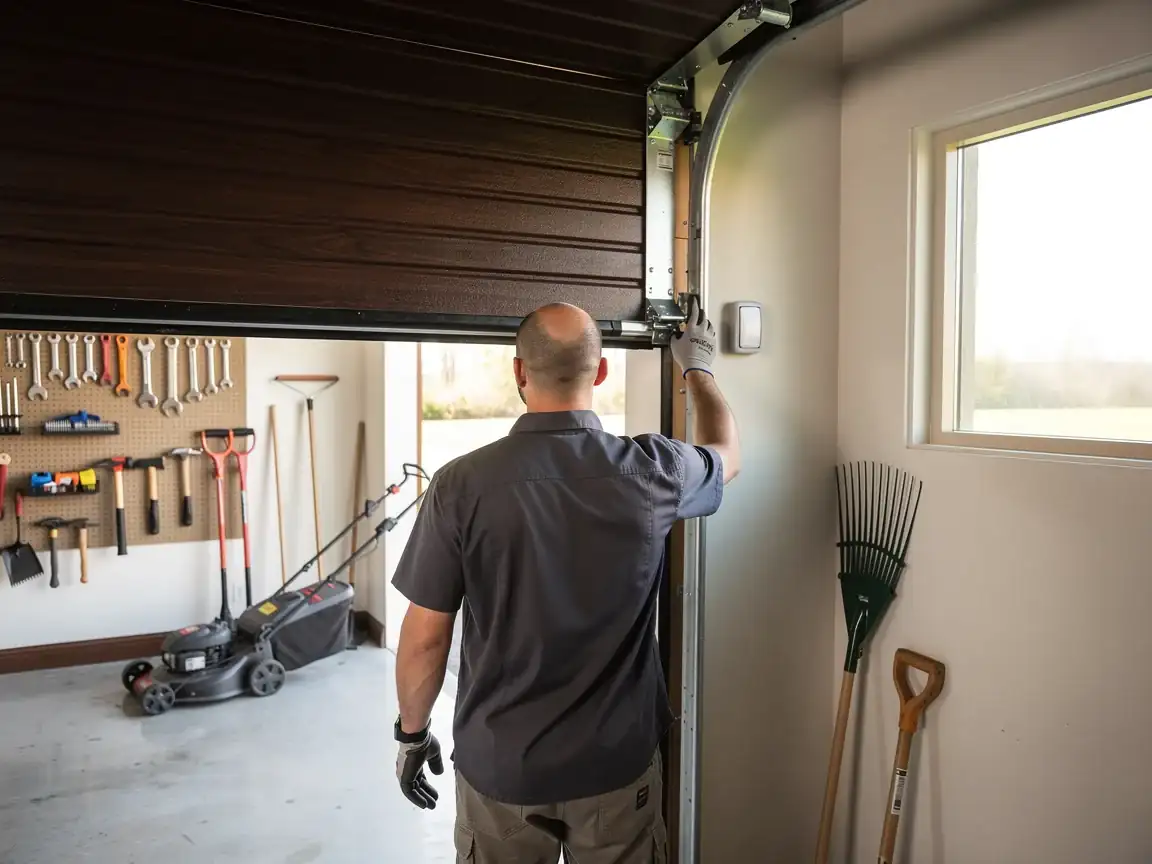
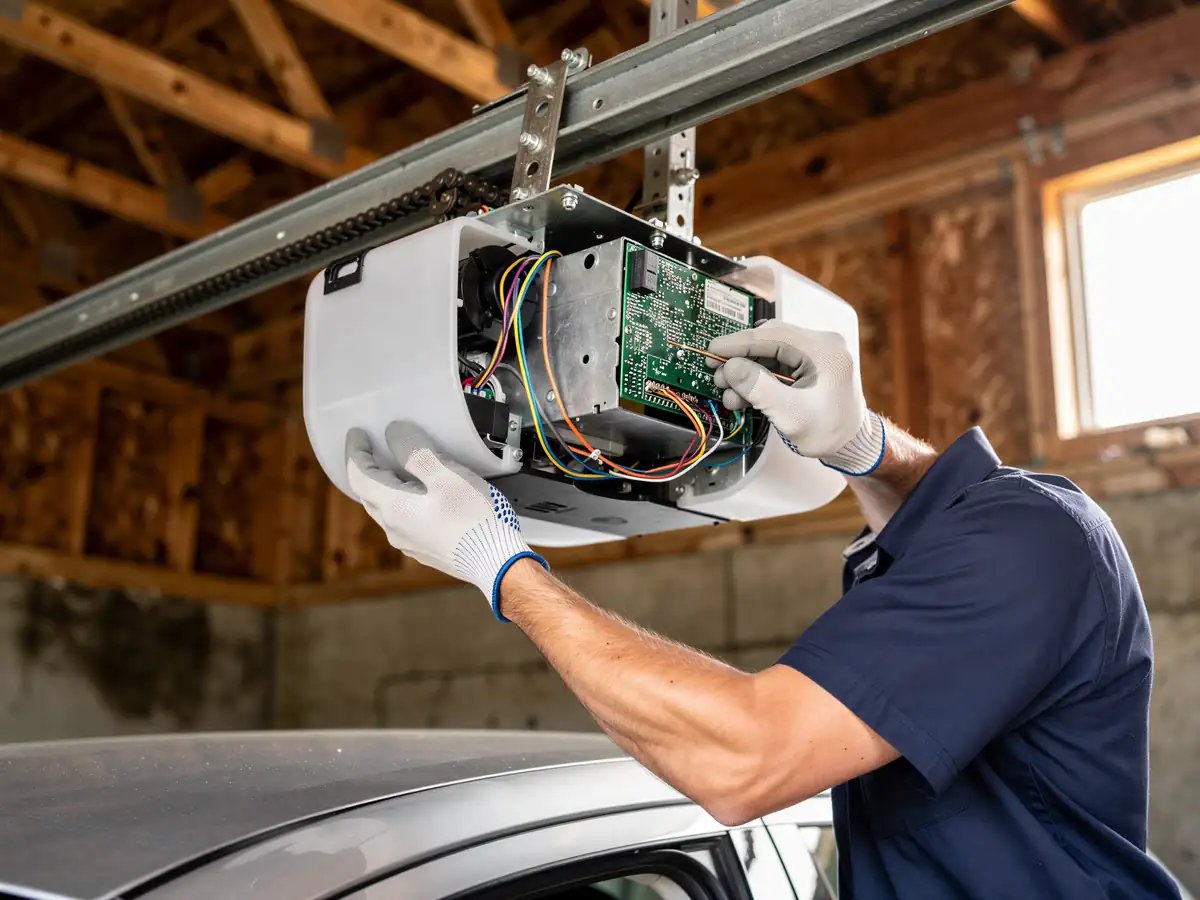
On houses from the 1966-1982 wave, the complaint we hear most is the opener running but the door not fully closing, or closing then kicking back up. That's usually a worn or misaligned safety sensor pair, or a limit setting that's drifted after years of belt or chain stretch on original hardware. Cold mornings make it worse - lubricant in an original-era gear housing thickens up, so the motor strains and the opener either stalls or trips its own overload protection. We also see dead remotes that aren't a battery problem at all, but a receiver board that's finally given out after decades of use.
Why This Fails Locally
The reason opener failures here look different from a newer subdivision comes down to the housing stock. Original hardware from the 1966-1982 window was built for a lighter duty cycle than what a modern household puts on a door opening and closing multiple times a day. With a median household income here around $37,500 - noticeably below the roughly $46,071 median across the wider service area - we see more owners stretching a repair as long as it'll go rather than replacing outright, which is a reasonable call on a lot of these units, just not all of them. Cold-weather gear strain on decades-old lubricant and hardware is the other piece - it's a moderate cold climate, not an extreme one, but it's enough to turn a marginal gear or board into a dead one by midwinter.