How Long It Takes
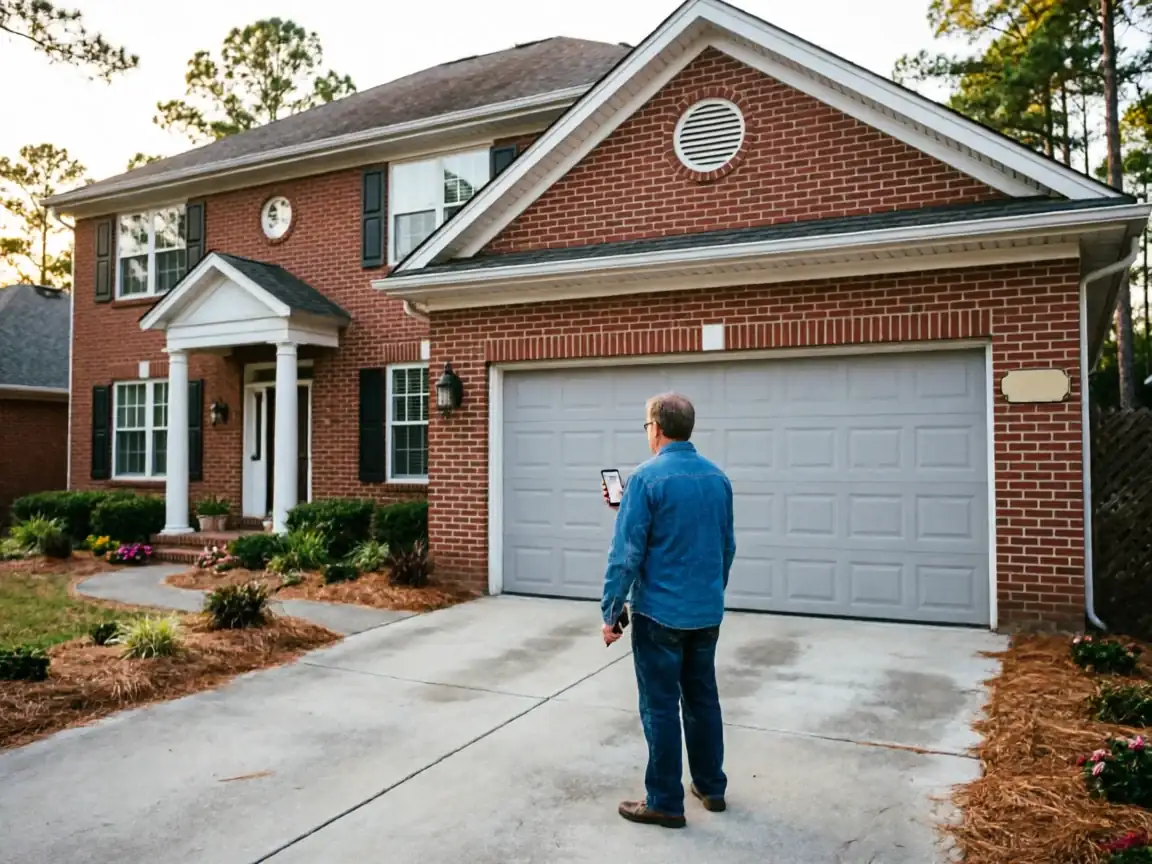
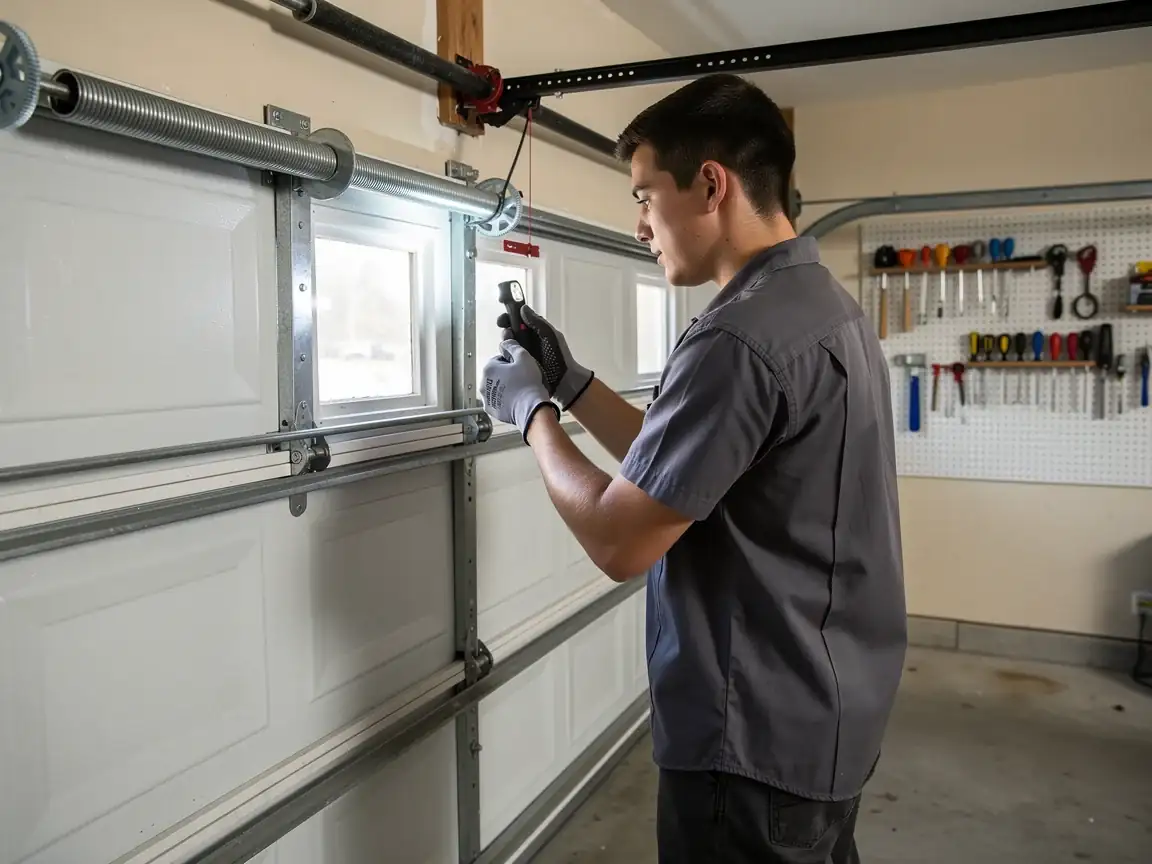
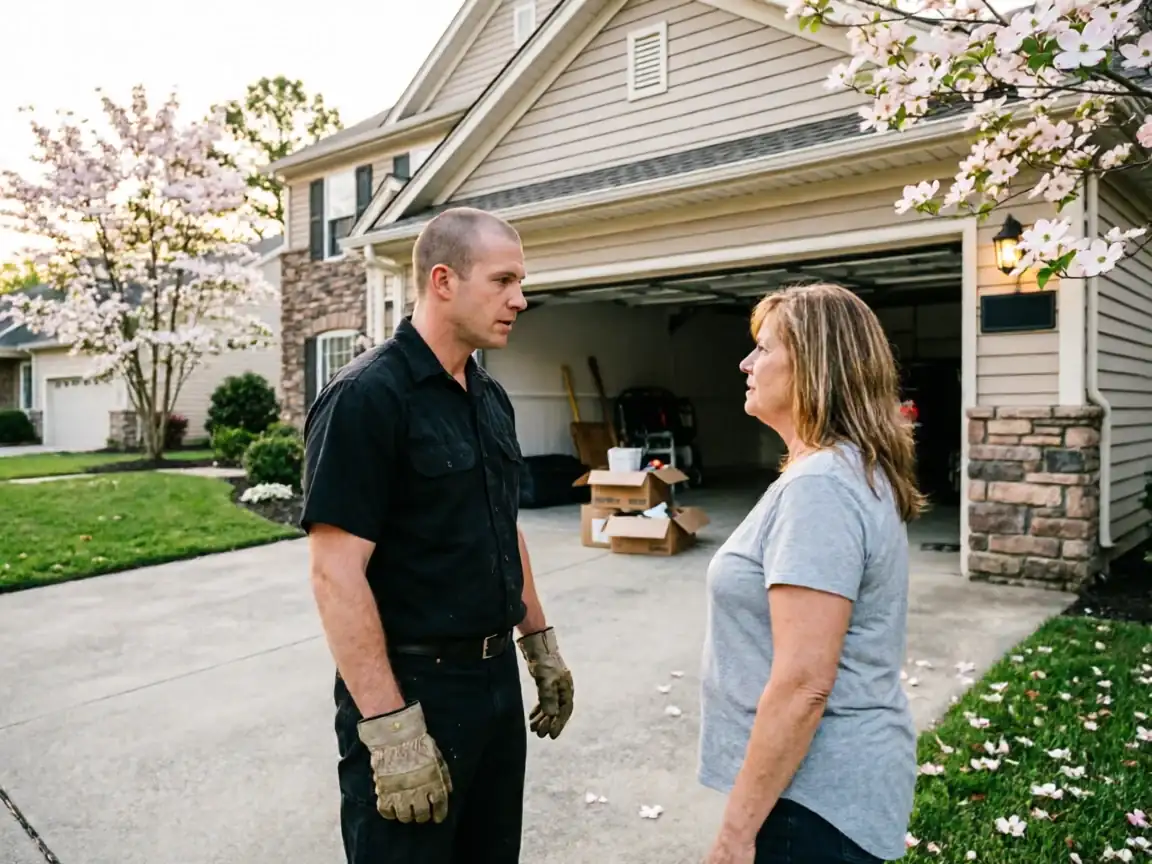
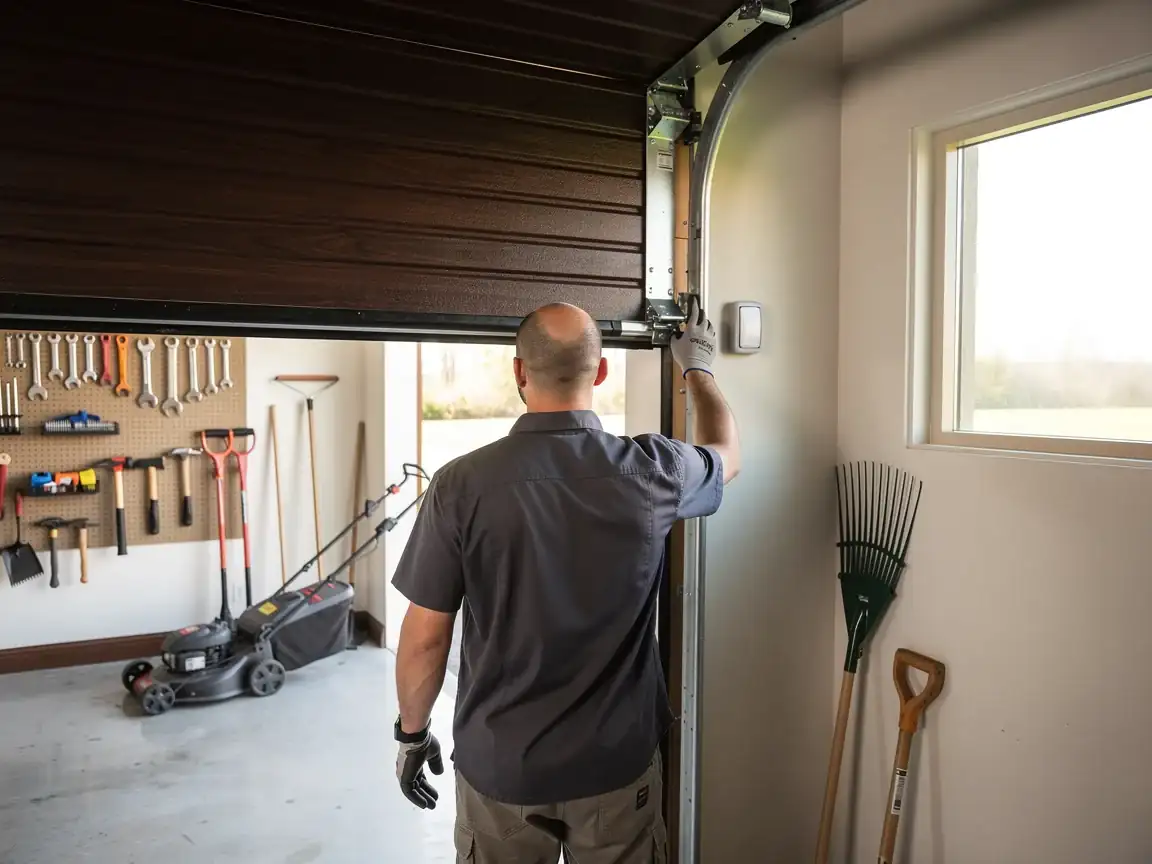
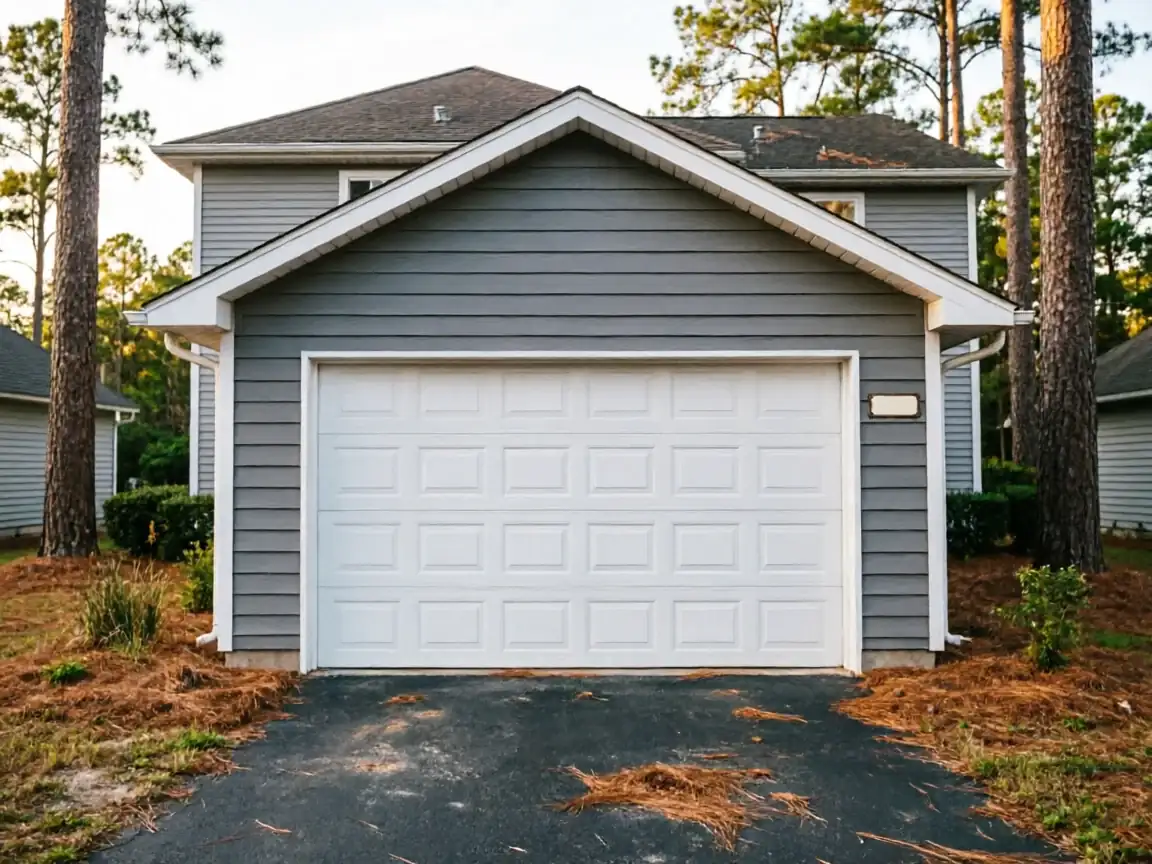
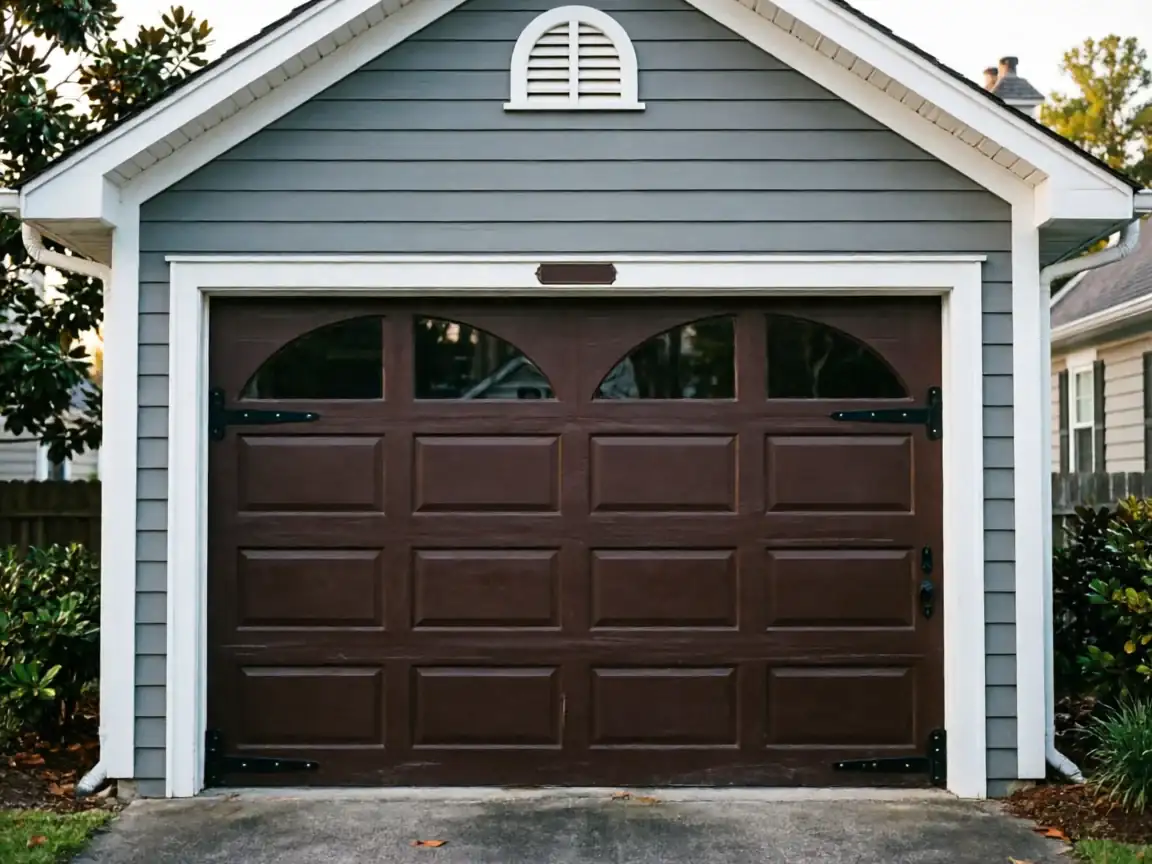
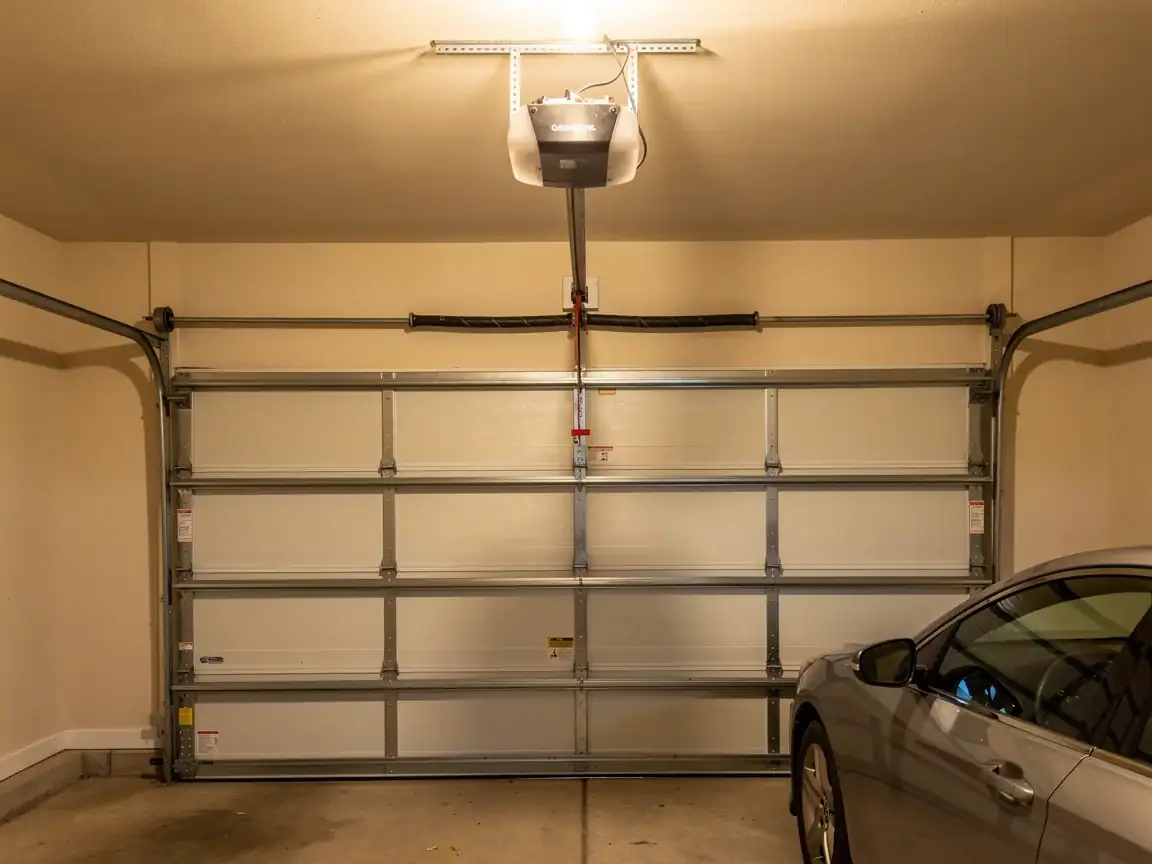
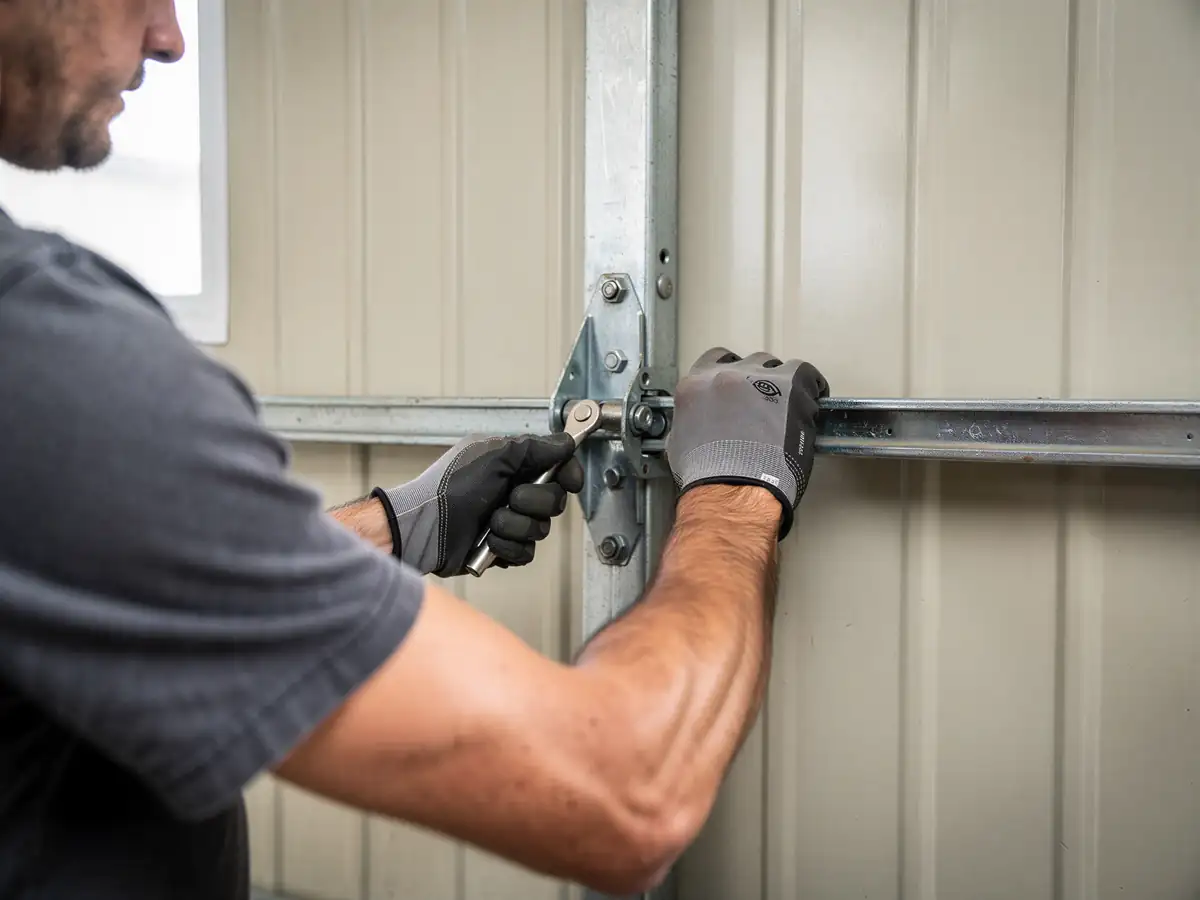
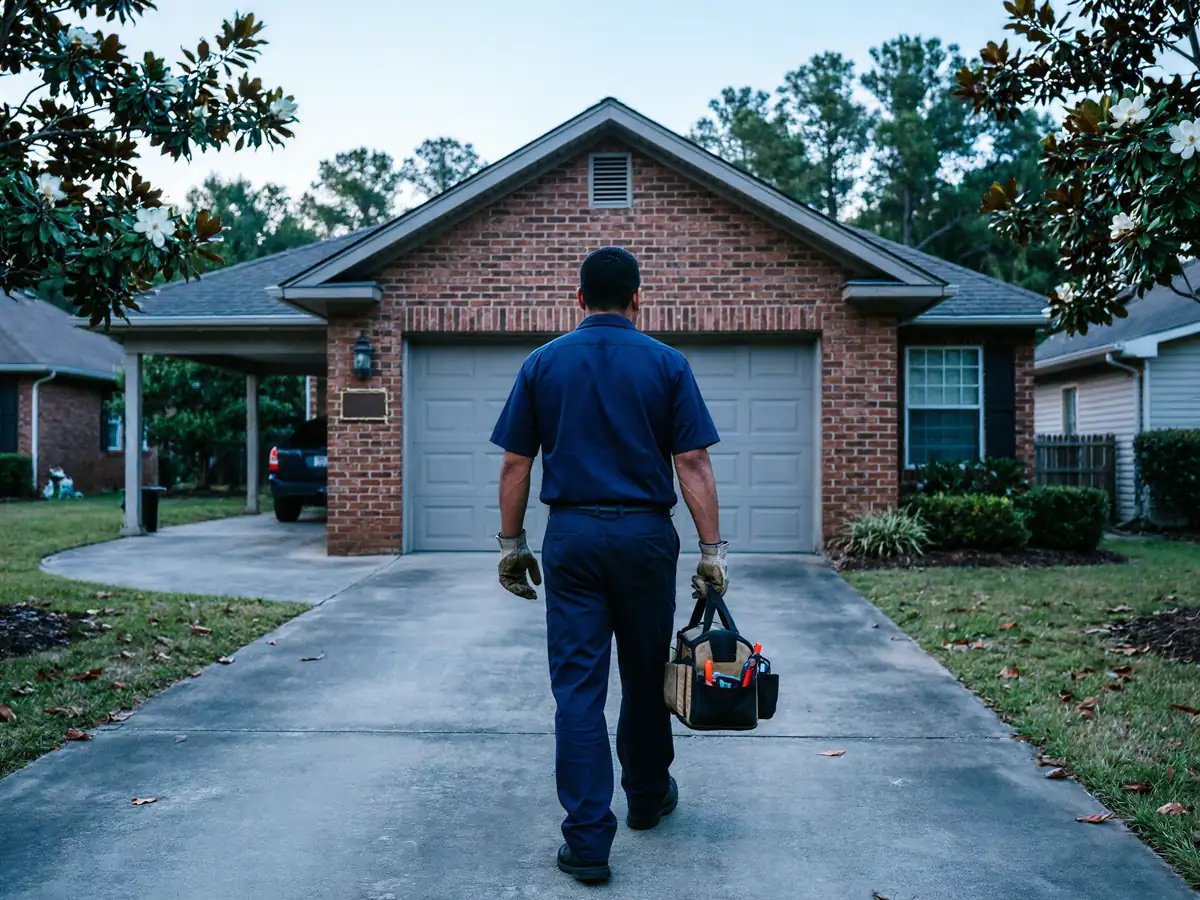
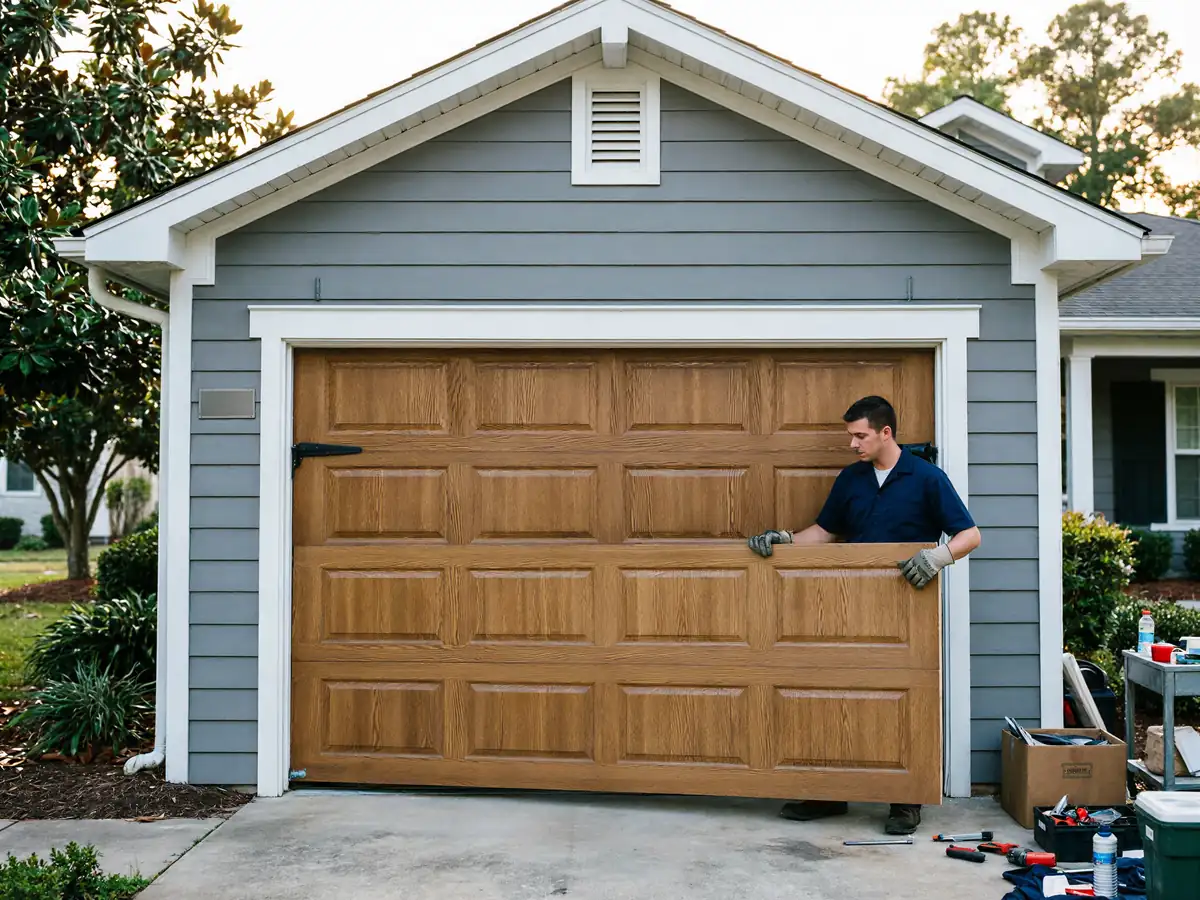
A straight swap - same size opening, new steel door, same track width - usually runs a half day once we're on site, door included. What stretches it is the 1982-era hardware. A lot of these openings still have the original jamb brackets and sometimes a non-standard track spacing that doesn't match current door kits off the shelf. When that's the case we're shimming or re-framing the track mount, which adds an hour or two, not a second visit. We don't carry every width of insulated door on the truck - if you want a specific R-value panel for a detached garage, that's a special order, and we'll tell you the lead time before you commit rather than after.
How It Shows Up
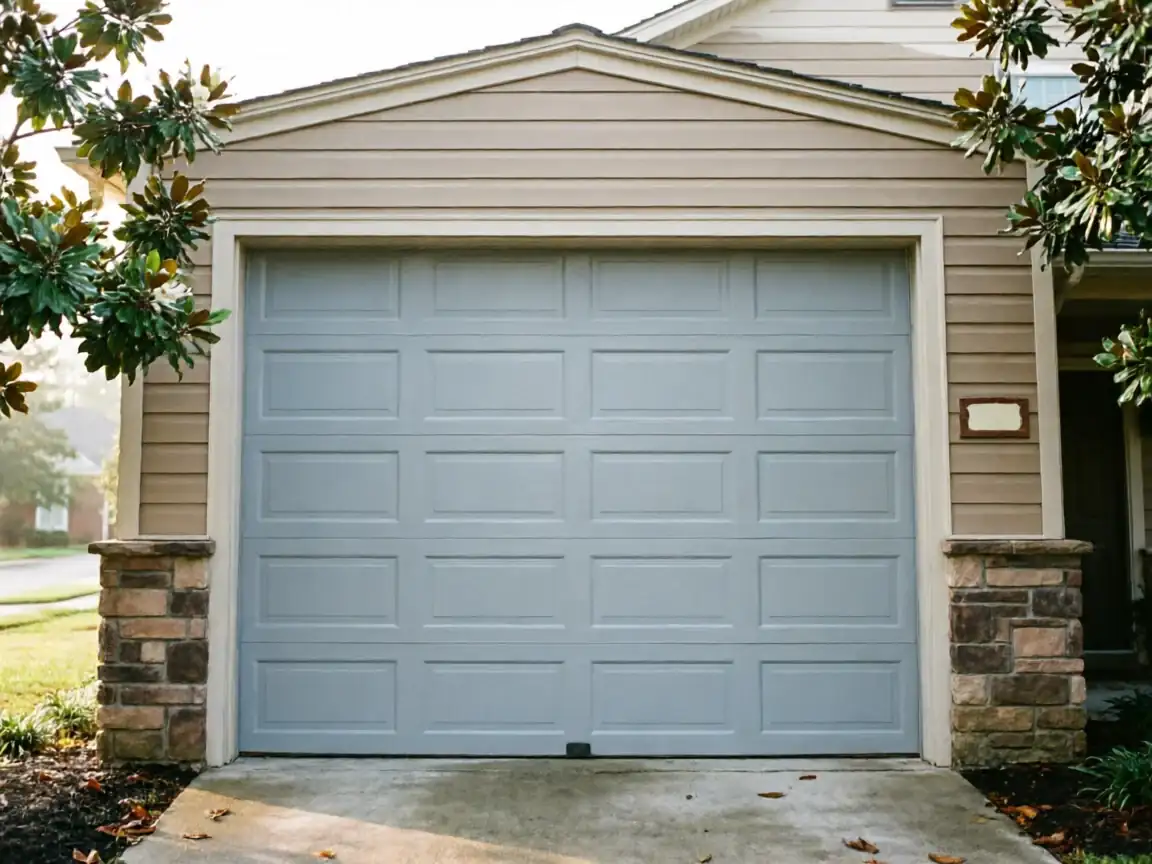
In a town built mostly through the 1960s-70s with a chunk of newer builds out to 1982, the door problem isn't rust or sag the way it is on older stock closer to Bowling Green's center - it's cold-weather binding. This area sits in a cold-moderate climate band, and a lot of these 1982 doors are single-layer steel with no insulation, hung on tracks that were never adjusted for seasonal contraction. What you'll notice first is the door catching halfway up on a cold morning, or the opener straining and reversing before it reaches the top. That's not a motor problem most of the time - it's the track pulling narrow as the garage temperature drops and the steel panel not expanding back the way an insulated door would. On a household budget here, with median income around $37,500, replacing the whole door at the first sign of binding isn't always the right call, and we'll say so if a track adjustment fixes it.
Why This Fails Locally
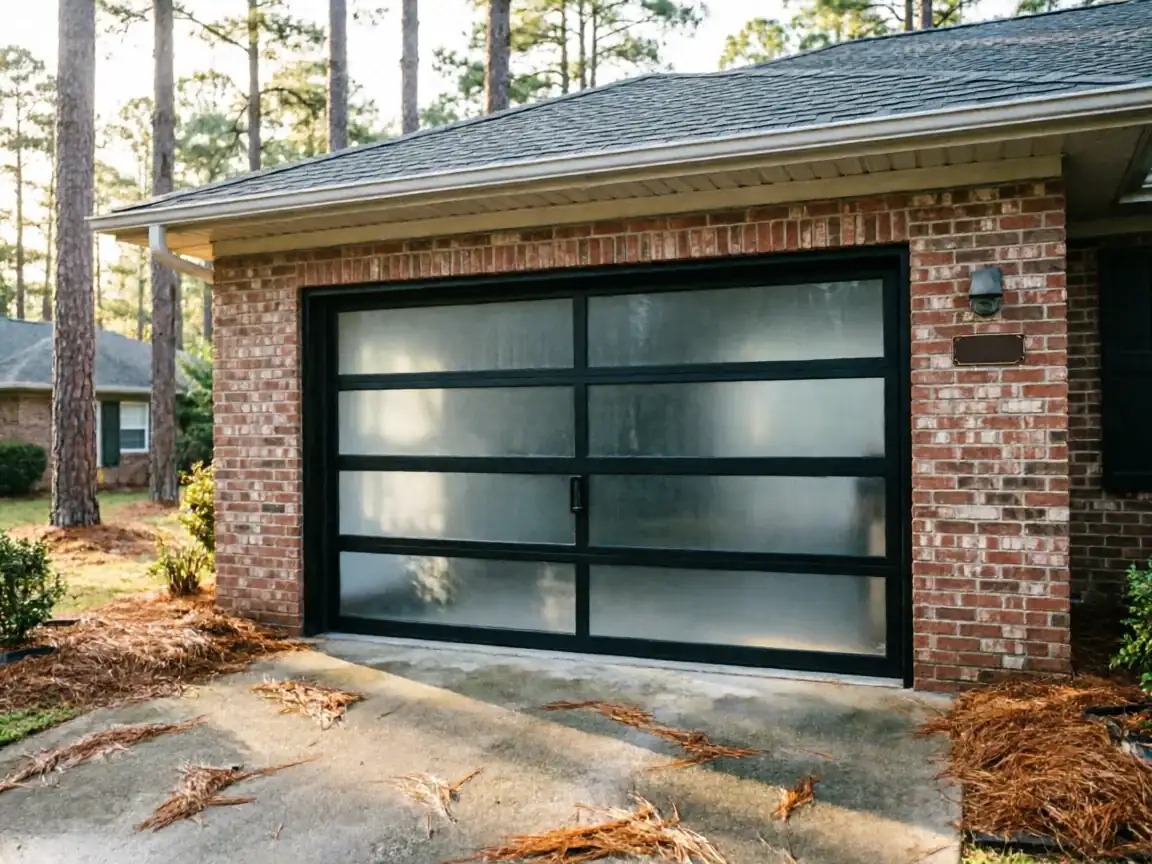
Brownsville's housing mostly clustered in one build era - 1982 - which means most garages in town are hitting the same hardware fatigue at roughly the same time, not spread out over decades like you'd see in an older, mixed-age neighborhood. Combine that with a cold-moderate climate band that puts real seasonal swing on steel panels and track alignment, and a town of 378 households, and you get a narrow, predictable failure window: doors installed the same year, failing the same way, within a few years of each other. It's also why a generic big-box door kit sized for a newer rough opening often doesn't fit without extra framing work here - the opening sizes common in 1982 don't always match what's stocked for 2020s construction.